Plan and listen to Lycée Du Parc with Audiala.
Audio guide in your pocket, itinerary in your browser. Built for the way you actually visit.
Introduction
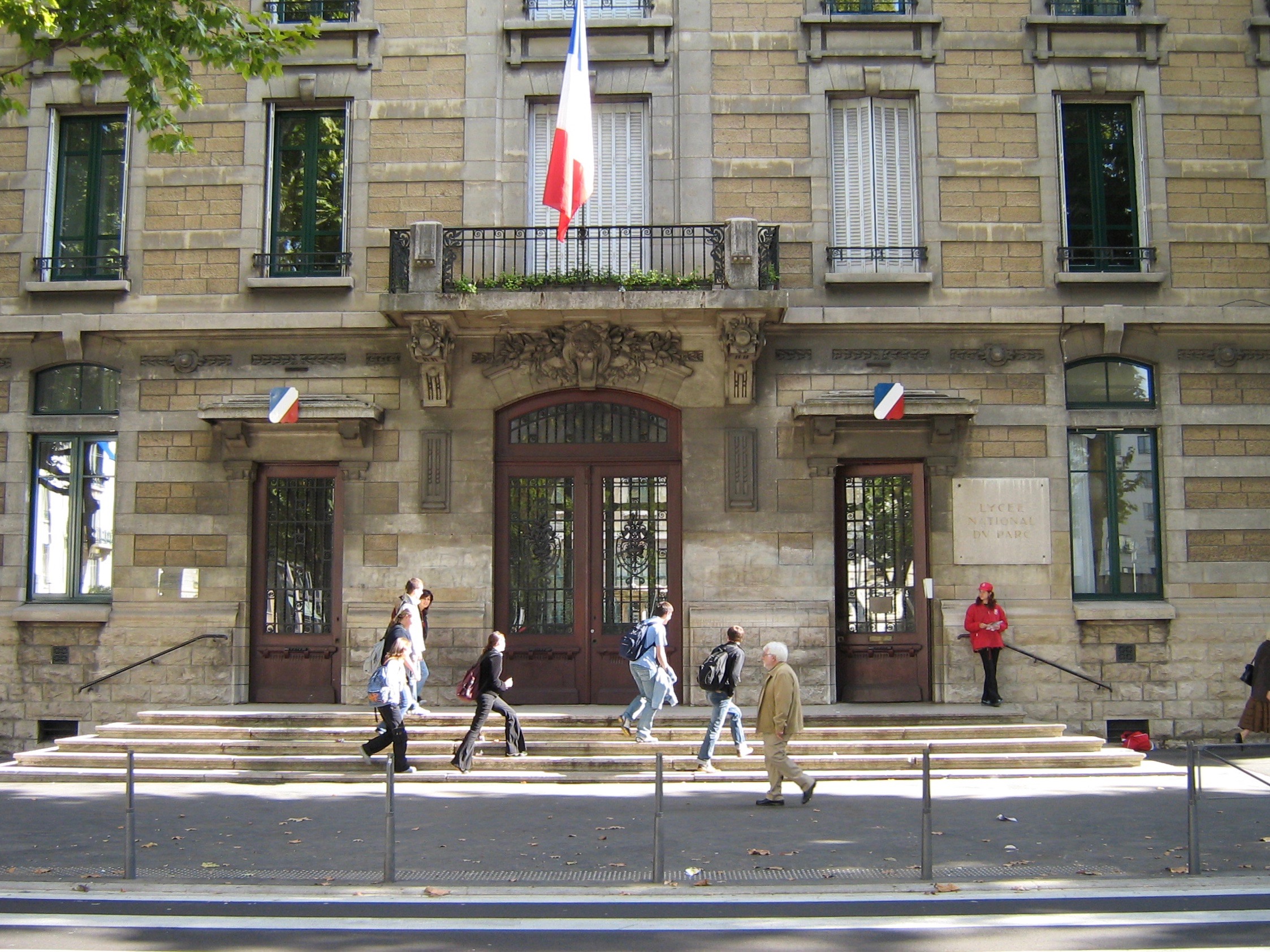
Nestled in Lyon’s 6th arrondissement, adjacent to the lush Parc de la Tête d’Or, Lycée du Parc is not only a leading educational institution but also a remarkable historical and architectural landmark. Established in the early 20th century, the lycée embodies Lyon’s transition from military stronghold to bastion of learning, boasting a legacy of academic excellence and cultural significance. Its reputation for rigorous Classes Préparatoires aux Grandes Écoles (CPGE), impressive baccalauréat success rates, and innovative architecture make it a must-see for visitors interested in French heritage and urban history. This guide provides detailed information on visiting hours, admission, guided tours, accessibility, and nearby attractions to help you plan an enriching visit. For the latest updates, consult the official Lycée du Parc website and the Audiala App.
History and Architectural Significance
Origins and Military Past
Lycée du Parc was founded in 1914 on the former site of the Lunette des Charpennes, a 19th-century military fortification. The transformation from military post to academic institution reflects Lyon’s evolution into a center of learning and culture. Architect Louis Rogniat designed the complex, integrating elements that acknowledge its defensive origins (lyceeduparc.fr).
Architectural Innovations
The school’s architecture is distinguished by its use of reinforced concrete floors—the first of its kind among French lycées—emphasizing durability and modernity. Large windows, open courtyards, and artistic embellishments by Beaux-Arts artists create a harmonious blend of classical and innovative styles. Decorative features, such as the allegorical clock at the main entrance, celebrate the union of literature and science (lyceeduparc.fr).
Role During the World Wars
Construction was completed in 1913, but World War I delayed its opening as it was converted into a hospital. The lycée resumed its educational mission in 1919. During World War II, it was requisitioned by both French and German forces and later hosted troops after Lyon’s liberation, underscoring its resilience and significance in 20th-century French history.
Academic Excellence and Reputation
CPGE and Curriculum
Lycée du Parc is renowned for its Classes Préparatoires aux Grandes Écoles (CPGE), which prepare students for entrance into France’s elite higher education institutions. The preparatory programs are highly selective; for example, in 2024, the CPGE MP2I program received 2,439 applications for just 48 places (college-lycee.com). Other tracks, such as PCSI and B/L, are equally competitive. The lycée also offers a robust general curriculum with specializations in sciences, literature, and social sciences (letudiant.fr).
Academic Achievements
With a 100% baccalauréat pass rate and 87% of students earning honors, Lycée du Parc consistently ranks among the top public lycées in France. Its alumni network includes notable scientists, intellectuals, and leaders, reflecting its ongoing impact on French society (college-lycee.com).
Student Support and Facilities
The campus features modernized classrooms, renovated boarding facilities, and spaces for extracurricular activities such as theater and conferences. Dedicated academic counseling and a broad range of cultural and sporting activities foster well-rounded student development (lyceeduparc.fr).
Visiting Lycée du Parc
Visiting Hours and Admission
- Regular Access: The school is an active educational institution and is not open for daily visits.
- Special Events: Public access is granted during events like the Journée Portes Ouvertes (Open Day) held annually, typically in late January (lyceeduparc.fr).
- Admission: Entry during these events is free. No tickets are required.
Guided Tours and Special Events
Guided tours are occasionally offered during open days or by special arrangement. These tours provide insight into the school’s architectural features, academic programs, and historical context. Visitors should consult the official website to confirm availability and book in advance where necessary.
Accessibility and Services
The campus is partially accessible for visitors with reduced mobility during public events. Wheelchair access is available at key entrances, and public transport in the area is equipped for accessibility. For special requirements, contacting the administration in advance is recommended (lyceeduparc.fr).
Photography Guidelines
Photography is allowed in outdoor areas and common spaces during public events. Interior photography and photos during academic activities require prior permission to respect privacy and school policy.
Location, Access, and Travel Tips
Address and Public Transport
- Address: 1 boulevard Anatole France, 69006 Lyon, France
- Metro: Masséna (Line A), a short walk from the school
- Buses: Several lines serve the area
- Bike: Vélo’v bike-sharing stations are nearby (lyceeduparc.fr)
Parking Options
On-site parking is limited. Public parking facilities are available nearby, but using public transport or cycling is encouraged due to the central location.
Nearby Attractions
- Parc de la Tête d’Or: Adjacent to the school, featuring botanical gardens, a zoo, and a lake (The Crazy Tourist).
- Musée des Beaux-Arts de Lyon: One of France’s finest art museums.
- Cité Internationale: Home to the Musée d’Art Contemporain and conference venues.
- Brotteaux District: Known for its Art Deco architecture and vibrant nightlife.
Cultural Heritage and Community Engagement
Alumni and Influence
Lycée du Parc has produced generations of leaders in science, politics, and culture, continuing to shape Lyon’s intellectual landscape and beyond.
Partnerships and Events
The school collaborates with institutions such as the Musée d’art contemporain de Lyon for cultural events and exhibitions. The centenary celebration in 2014 and the establishment of the Lycée du Parc Foundation in 2015 highlight its commitment to tradition, innovation, and community engagement (lyceeduparc.fr).
Educational Traditions
As a symbol of the French republican educational model, Lycée du Parc remains dedicated to meritocracy, secularism, and equal opportunity, while embracing modernization and digital innovation.
Frequently Asked Questions (FAQ)
Q: Can I visit Lycée du Parc at any time?
A: No, public visits are generally limited to special events such as the annual Open Day or by prior arrangement.
Q: Is there an entry fee?
A: Entry during public events is free; no tickets are needed.
Q: Are guided tours offered?
A: Yes, but only during open events or by special request.
Q: Is the site accessible for visitors with disabilities?
A: Accessibility is partial during public events; please contact the administration for specific needs.
Q: Can I take photos during my visit?
A: Photography is permitted in outdoor and designated areas but requires permission inside buildings.
Q: What other attractions are nearby?
A: Parc de la Tête d’Or, Musée des Beaux-Arts, Cité Internationale, and the Brotteaux district.
Summary and Recommendations
Lycée du Parc stands as a testament to Lyon’s educational and architectural heritage. Whether you are an architecture lover, history enthusiast, or prospective student, visiting during open events offers a unique perspective on the school’s significance. Combine your visit with a walk in Parc de la Tête d’Or and explore the vibrant 6th arrondissement for a well-rounded Lyon experience. For the latest updates on visiting hours and events, check the official Lycée du Parc website and consider using the Audiala App for audio guides and interactive features.
Listen to the full story in the app
The whole Lycée Du Parc,
told well.
Audio guides for 1,100+ cities across 96 countries. History, stories, and local insight — offline ready.

Verified, and shown.
Researched and written by the Audiala editorial team from historical records, architectural archives, and local expertise.
Last reviewed
Researched from Wikidata, Wikipedia & official sources · fact-checked · How we make our guides →


