Plan and listen to Église Saint-Pothin with Audiala.
Audio guide in your pocket, itinerary in your browser. Built for the way you actually visit.
Introduction
Église Saint-Pothin is one of Lyon’s most significant neoclassical churches, renowned for its elegant architecture and deep Christian heritage. Located in the lively Foch district of the 6th arrondissement, this 19th-century landmark is dedicated to Saint Pothinus, the city’s first bishop and martyr. Whether you are passionate about architecture, history, or are seeking a peaceful place of worship, Église Saint-Pothin offers a window into Lyon’s vibrant past and enduring spiritual life (lyon-france.net; wikipedia).
This comprehensive guide covers everything you need to know before your visit, including the church’s history, architectural highlights, visiting hours, accessibility, ticket information, nearby attractions, and practical tips for making the most of your time at this captivating Lyon historical site.


History and Origins
Église Saint-Pothin was conceived in response to the rapid urban expansion of Lyon’s Brotteaux district in the early 19th century. After a royal ordinance in 1826 authorized the establishment of a new parish, the church was designed by the Lyonnais architect Christophe Crépet and constructed between 1841 and 1843 (lyon-nature.fr; lyon-france.net). It was officially inaugurated on December 25, 1843, marking a new era of religious and community life in the district.
The church’s foundation and development reflect the city’s evolving bourgeois identity and the desire to create prominent spiritual and cultural landmarks as Lyon expanded (wikipedia; ruesdelyon.net).
Architectural Features
Église Saint-Pothin is a prime example of neoclassical ecclesiastical architecture, distinguished by its harmonious proportions and classical motifs. Key features include:
- Façade and Portico: The striking façade boasts a hexastyle portico with six Ionic columns supporting a triangular pediment, evoking ancient Greek temples—a rarity in Lyon at the time (lyon.fr; en.visiterlyon.com).
- Bell Tower: A slender bell tower rises above the structure, its clean neoclassical lines contributing to the church’s elegant profile.
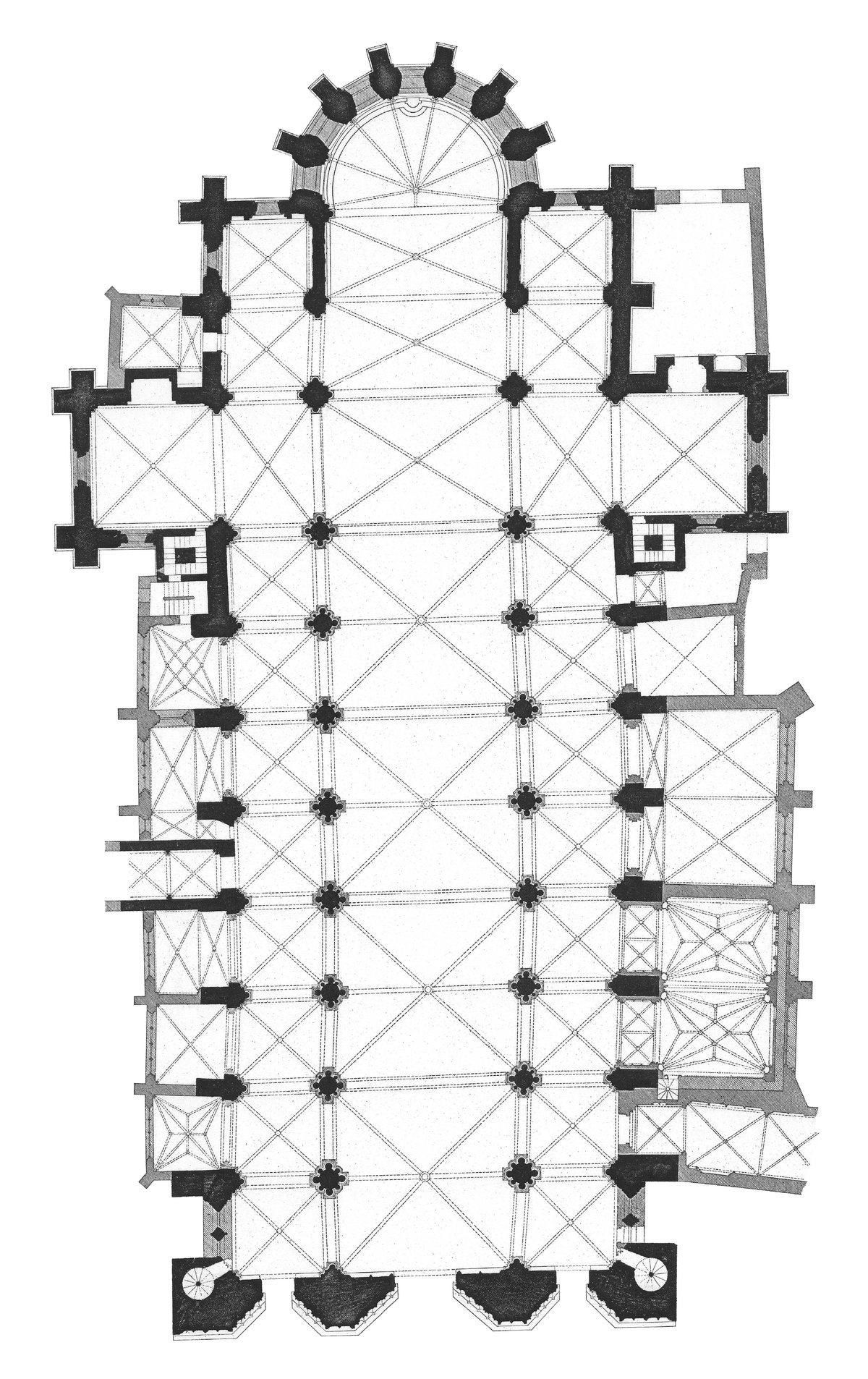
- Interior Layout: The Latin cross plan features a wide nave flanked by side aisles, separated by Ionic columns. The transept is crowned by a dome fresco, and the choir space is enhanced by a cul-de-four apse (lyon-nature.fr).
The use of Villebois stone and decorative elements such as Christian symbols and subtle carvings reinforce the sacred and monumental character of the building.
Dedication and Religious Heritage
Église Saint-Pothin is named after Saint Pothinus (or Saint Pothin in French), the first bishop of Lyon and a pivotal figure in early Christian Gaul. Sent from Phrygia (modern-day Turkey) by Saint Polycarp, Pothinus led the Christian community of Lyon until his martyrdom during the persecutions of 177 CE (saintpothin-immaculee.com; regnum-galliae.over-blog.com). His legacy is celebrated within the church's iconography, stained glass, and annual liturgical calendar.
The church continues to serve as an active parish, hosting regular Masses, sacraments, and community events, and remains a living memorial to Lyon’s deep Christian roots (ruesdelyon.net; Monumentum).
Artistic Treasures and Interior Highlights
The church’s interior is adorned with remarkable artworks and liturgical furnishings:
- Stained Glass Windows: Created by Lucien Bégule and his son Émile, these windows depict scenes from the lives of saints and biblical stories, casting vibrant light throughout the nave (lyon-france.net).
- Dome Fresco: Étienne Couvert’s fresco in the dome portrays the Virgin Mary surrounded by the twelve apostles.
- Sacred Art: Notable paintings such as “Saint Paul défendant sa foi devant Agrippa et Bérénice,” “La Sainte Trinité apparaissant à saint Ignace,” and “La Libération de saint Pierre” illustrate key moments in Christian history (Monumentum).
- Statue of the Black Madonna: A rare and venerated piece, this statue is a focal point for Marian devotion.
- Liturgical Furnishings: The marble maître-autel (main altar) with its tabernacle, gradin, retable, and angel statues create a solemn focal point for worship.
- Organ: The current organ, installed in 2004, preserves elements from earlier instruments and supports the church’s musical tradition.
Visiting Hours, Tickets, and Accessibility
- Opening Hours: Typically, Église Saint-Pothin is open daily from 8:00 AM to 7:00 PM. Hours may adjust for Mass, holidays, or special events; always check the official parish website or local tourist information for current schedules (Trek Zone).
- Admission: Entry is free. Donations are welcome and contribute to ongoing restoration and maintenance.
- Accessibility: The church is accessible to visitors with limited mobility, with street-level entry and ramps available. Some interior areas may have uneven flooring typical of historic buildings.
Tours, Events, and Special Services
- Guided Tours: Tours are available during special events such as the Journées du Patrimoine (Heritage Days) and can often be arranged by appointment via the parish or Lyon’s tourism office (visiterlyon.com).
- Mass and Ceremonies: Regular Masses, weddings, baptisms, and religious celebrations are held throughout the week. Attending a service offers insight into local religious traditions.
- Concerts and Exhibitions: The church frequently hosts concerts and exhibitions, contributing to Lyon’s vibrant cultural life.
Location, Getting There, and Parking
- Address: 127 Rue de Créqui, 69006 Lyon, France (Place Edgar Quinet) (Trek Zone).
- By Metro: Closest stations are “Foch” and “Masséna” (Line A), both within a 10-minute walk.
- By Tram: Lines T1 and T4 stop at “Part-Dieu – Servient,” about a 12-minute walk.
- By Bus: Several lines including C4, C6, and C13 serve the area.
- From Lyon Part-Dieu: The main train station is a 14-minute walk or a short bus ride away.
- Parking: Limited street parking is available; nearby public garages include Parking Edgar Quinet and Parking Morand.
Nearby Attractions and Itinerary Ideas
Église Saint-Pothin’s central location makes it a perfect starting point for exploring Lyon’s attractions:
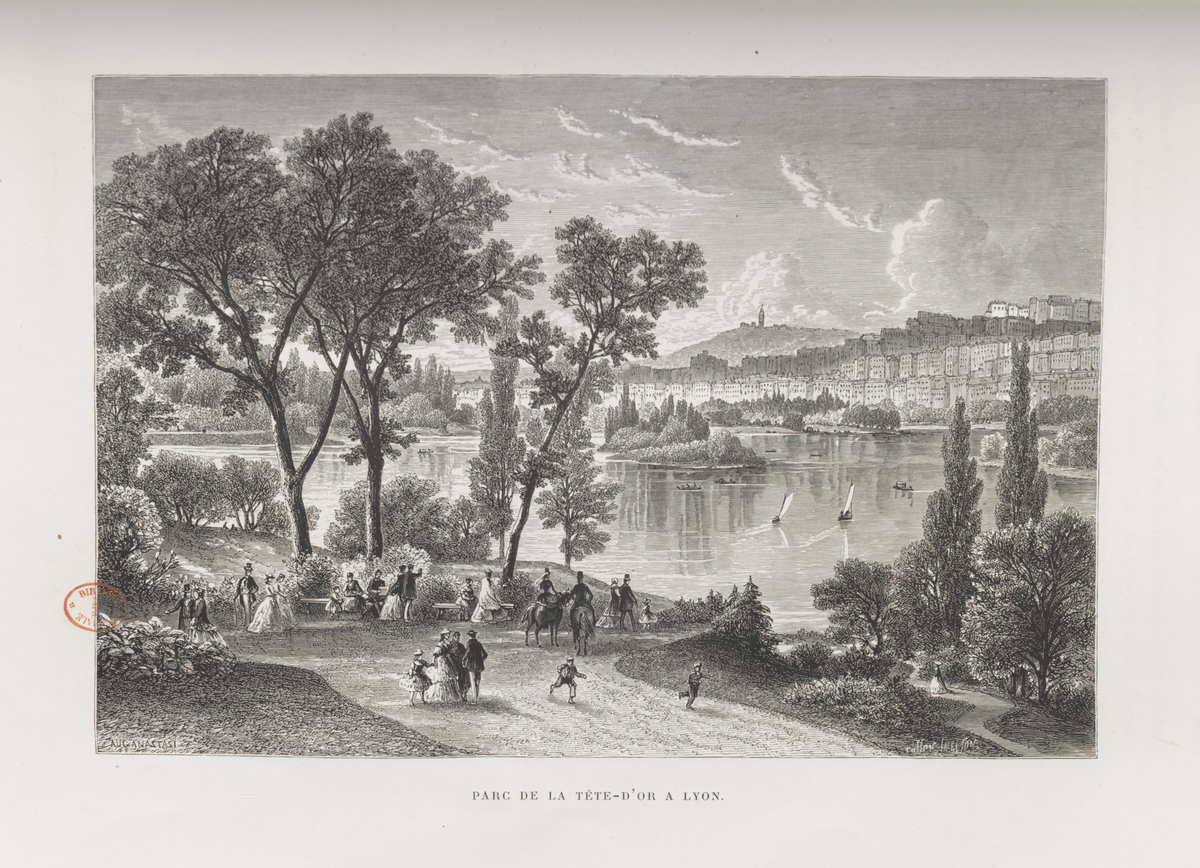
- Parc de la Tête d’Or: One of Europe’s largest urban parks, ideal for a relaxing stroll.
- Les Halles de Lyon Paul Bocuse: A celebrated covered market, perfect for food lovers.
- Musée d’Art Contemporain de Lyon: Modern art museum close to the park.
- Rue de la République: Main shopping street with boutiques and cafés.
- Opéra de Lyon, City Hall, Grand Temple de Lyon: All within easy walking distance.
For a full cultural experience, consider the Lyon City Card for access to multiple sites and public transport (Visiter Lyon).
Visitor Facilities and Practical Tips
- Restrooms: No public restrooms inside; nearby cafés and shopping centers offer facilities.
- Photography: Permitted (without flash or tripod); be respectful, especially during services.
- Dress Code: Modest attire expected; cover shoulders and knees, remove hats.
- Silence and Respect: Maintain a quiet atmosphere, especially during worship.
- Family-Friendly: Children welcome; supervise young visitors.
- Group Visits: Notify the parish in advance for large groups.
- Language: Most signage is in French; some staff speak English.
Frequently Asked Questions (FAQ)
Q: What are the visiting hours?
A: Typically 8:00 AM – 7:00 PM daily; verify on the parish website for changes.
Q: Is there an entrance fee?
A: No, admission is free; donations are appreciated.
Q: Are guided tours available?
A: Yes, during special events or by appointment through the parish or tourism office.
Q: Is the church accessible for visitors with disabilities?
A: Yes, with ramps and street-level entry; some interior areas may be uneven.
Q: Can I take photographs inside?
A: Yes, but avoid flash and tripods, and be respectful during services.
Q: Are there concerts or special events?
A: Yes, check the church’s notice board or the Lyon tourism site for schedules.
Q: How do I get there by public transport?
A: Metro (Foch/Masséna), tram (Part-Dieu – Servient), and several buses serve the area.
Summary and Visiting Tips
Église Saint-Pothin is a vital part of Lyon’s cultural and spiritual heritage. Its neoclassical architecture, artistic treasures, and welcoming parish life make it a must-see for visitors and locals alike. Benefit from free admission, thoughtful accessibility, and the chance to join guided tours, concerts, and religious services throughout the year (lyon-nature.fr; thecrazytourist.com). Its location in the Foch district places you near many of Lyon’s top attractions.
To enhance your visit, download the Audiala app for audio guides, explore official tourism channels for updates, and immerse yourself in the rich tapestry of Lyon’s history and culture (lyon-france.net; visiterlyon.com).
Listen to the full story in the app
The whole Église Saint-Pothin,
told well.
Audio guides for 1,100+ cities across 96 countries. History, stories, and local insight — offline ready.
Verified, and shown.
Researched and written by the Audiala editorial team from historical records, architectural archives, and local expertise.
Researched from Wikidata, Wikipedia & official sources · fact-checked · How we make our guides →