Plan and listen to Église Saint-Georges with Audiala.
Audio guide in your pocket, itinerary in your browser. Built for the way you actually visit.
Introduction
Église Saint-Georges, located in the heart of Lyon’s UNESCO-listed Vieux Lyon district, is a testament to over a millennium of religious, architectural, and cultural heritage. From its origins in the 6th century to its 19th-century neo-Gothic revival, the church stands today as both a remarkable architectural landmark and a vibrant center of spiritual and community life (Patrimoine-Lyon; Lyon.fr; World City Trail). This guide covers the church’s history, architectural highlights, practical visitor information, nearby attractions, and tips for a memorable visit.


Early Origins and Medieval Foundations
Église Saint-Georges traces its origins to the 6th century, when Bishop Sacerdos, with the support of King Childebert, founded the first church on this site (Patrimoine-Lyon; Wikipedia). Initially dedicated to Sainte Eulalie, it soon became a focal point for Lyon’s Christian community. The church suffered during the Saracen invasions in the 8th century but was restored and rededicated to Saint George by Archbishop Leidrade around 802, marking the spread of the saint’s cult in Europe.
Growth, Commandery, and Renaissance Restorations
In the 14th century, the Knights Hospitaller established a commandery adjacent to the church, elevating its status and bringing additional resources. The late 15th century brought significant restoration under Humbert de Beauvoir, including the reconstruction of the choir and installation of heraldic arms (Wikipedia). These enhancements reflected the Renaissance spirit and the church’s growing importance.
Revolution, Decline, and 19th-Century Revival
The French Revolution led to the neglect and partial ruin of the church, with its bell tower collapsing in 1796 and the commandery being sold off. In the mid-19th century, architect Pierre Bossan spearheaded a neo-Gothic revival, rebuilding the church between 1844 and 1848 (Lyon.fr; en.visiterlyon.com). The new structure, with its pointed arches, ribbed vaults, and soaring spire, was Bossan’s first major project and a significant example of the Gothic Revival in France.
Modern Recognition
Église Saint-Georges was designated a Monument Historique in 1982 (Monumentum.fr), and Vieux Lyon became a UNESCO World Heritage Site in 1998. The church was formally consecrated in 2012, affirming its role as a spiritual and cultural landmark (eglisesaintgeorges.com).
Architectural Features
Exterior
- Neo-Gothic Façade: Designed by Pierre Bossan, the church’s façade is characterized by pointed arches, intricate tracery, and a large rose window. Sculptures include Saint George slaying the dragon, flanked by statues of Saint Peter and Saint John by Charles Dufraine (Guide Tourisme France).
- Bell Tower and Spire: The slender bell tower rises 67 meters, topped by an octagonal spire with lancet windows and adorned with gargoyles and pinnacles, making it a prominent landmark (Structurae).
- Stonework: Constructed from local limestone, the façade blends light and dark stone for visual contrast, with buttresses and flying buttresses providing support.
- Stained Glass: Tall, narrow lancet windows with 19th-century stained glass depict biblical scenes and saints (Patrimoine Lyon).
Interior
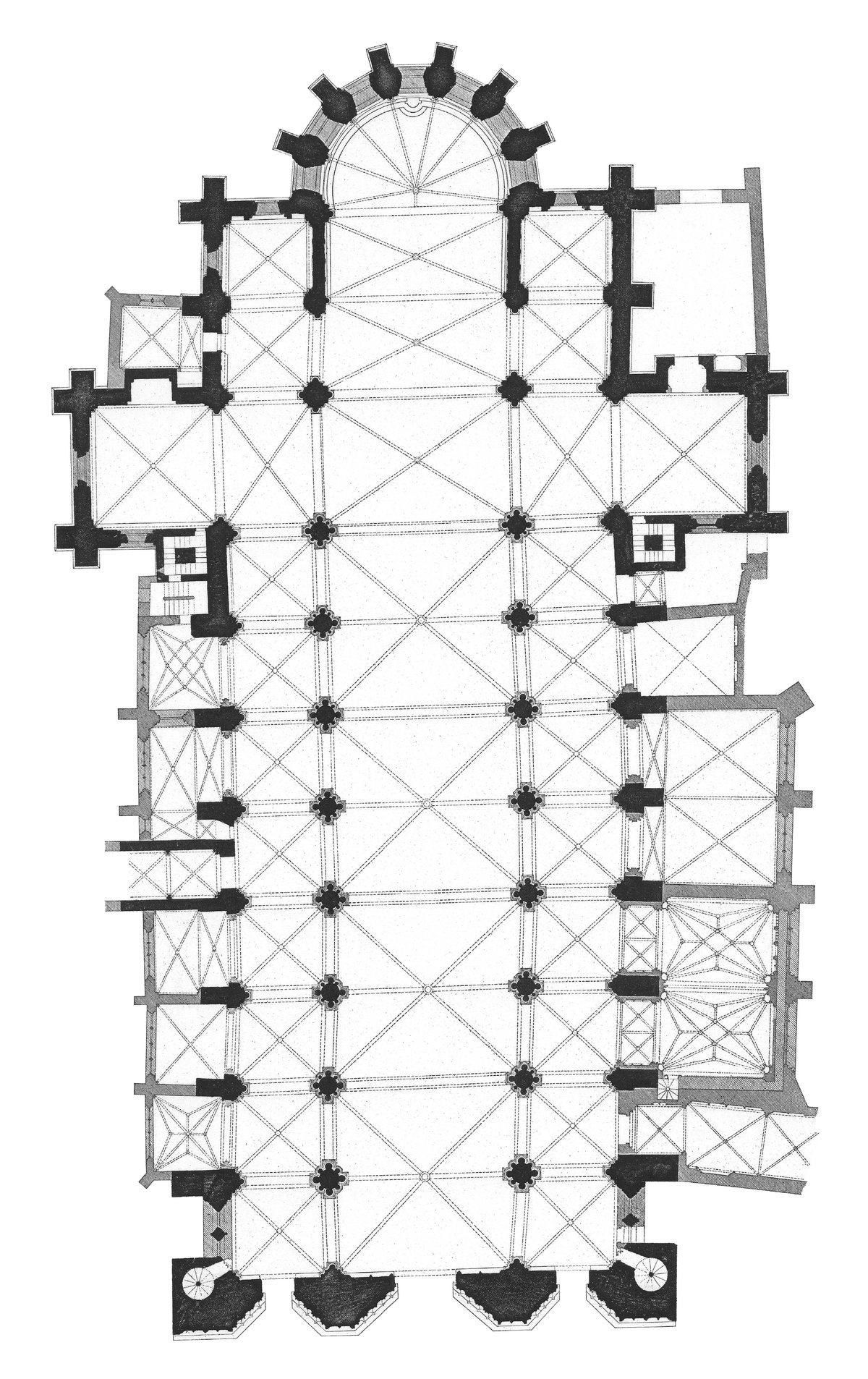
- Nave and Vaulting: The spacious nave is flanked by side aisles and covered by ribbed vaults, creating a height of 20 meters and an impression of verticality and lightness.
- Chancel and Apse: The elevated chancel is framed by a marble altar rail and a richly decorated Neo-Gothic high altar. The apse features radiating chapels, each with unique altars and stained glass.
- Side Chapels: Chapels along the aisles honor various saints, with notable works such as the polychrome Madonna and Child.
- Organ Loft: Above the entrance is a late 19th-century organ in a Neo-Gothic case (Lyon Catholic Church).
Decorative Artistry
- Sculptural Program: Exterior and interior niches feature saints and angels. The tympanum above the main portal vividly depicts Saint George slaying the dragon.
- Stained Glass: Windows designed by renowned 19th-century glassmakers illustrate the lives of Christ, the Virgin Mary, and Saint George, filling the space with vibrant colors (Petit Futé).
- Liturgical Furnishings: The pulpit and baptismal font are intricately carved with Gospel scenes, angels, and biblical symbols.
Restoration and Preservation
- 19th-Century Reconstruction: Pierre Bossan’s reconstruction integrated elements of medieval Gothic with contemporary techniques, culminating in the church’s consecration in 1848.
- 21st-Century Renovations: Restoration includes cleaning the façade, repairing stained glass, and conserving artworks, ensuring the church remains an active and protected monument (Lyon France).
Visiting Information
Hours and Admission
- Opening Hours: Generally open daily, 9:00 AM–6:00 PM. Check for changes during holidays or special events (Lyon Catholic Church).
- Admission: Free. Donations are welcome to support preservation.
Guided Tours
- Availability: Guided tours are offered seasonally via the Lyon Tourist Office and local guides. Booking is recommended for deeper historical and artistic insight.
Accessibility
- Wheelchair Access: Main entrance is accessible; some chapels have limited access due to steps or narrow passages. Assistance is available on request.
Location
- Address: Place Bertras, Quai Fulchiron, 69005 Lyon
- Public Transport: Metro Line D (Vieux Lyon station), Bus lines C3 and C14. Limited nearby parking; public transit recommended.
Nearby Attractions
- Basilique Notre-Dame de Fourvière: Lyon’s iconic hilltop basilica.
- Roman Theatres of Fourvière: Ancient ruins with panoramic views.
- Traboules of Vieux Lyon: Renaissance passageways.
- Musée Gadagne: Museum of Lyon’s history.
These sites are easily accessible for a comprehensive cultural itinerary.
Cultural and Community Role
Église Saint-Georges is an active parish serving both local and visiting Catholic communities. It hosts regular Latin Rite services, religious festivals, concerts, and community events, especially on the feast day of Saint George (April 23rd) (en.visiterlyon.com). The church also engages in interfaith and civic initiatives, reflecting Lyon’s cosmopolitan spirit (visiterlyon.com).
Visitor Etiquette and Experience
- Dress Modestly: As a functioning church, modest attire is appreciated.
- Photography: Allowed without flash; be discreet during services.
- Silence: Maintain a respectful atmosphere during worship and reflection.
- Accessibility: Some uneven surfaces due to historic cobbled streets.
The church’s serene ambiance and filtered light through stained glass offer a peaceful setting for contemplation and photography.
FAQs
Q: What are the visiting hours?
A: Daily, 9:00 AM–6:00 PM. Confirm during holidays or special events.
Q: Is admission free?
A: Yes; donations are appreciated.
Q: Are guided tours available?
A: Yes, through the Lyon Tourist Office and local guides.
Q: Is the church wheelchair accessible?
A: The main entrance is accessible; some interior areas may be limited.
Q: Can I take photos inside?
A: Yes, respectfully and without flash.
Q: What are nearby attractions?
A: Basilica of Fourvière, Roman Theatres, traboules, and Musée Gadagne.
Listen to the full story in the app
The whole Église Saint-Georges,
told well.
Audio guides for 1,100+ cities across 96 countries. History, stories, and local insight — offline ready.
Verified, and shown.
Researched and written by the Audiala editorial team from historical records, architectural archives, and local expertise.
Researched from Wikidata, Wikipedia & official sources · fact-checked · How we make our guides →