Plan and listen to Église Du Bon-Pasteur with Audiala.
Audio guide in your pocket, itinerary in your browser. Built for the way you actually visit.
Introduction
Perched on the hillside of Lyon's Croix-Rousse, the Église du Bon-Pasteur remains one of the city's most enigmatic monuments. Conceived in the 19th century to serve the burgeoning working-class community—particularly the canuts, or silk workers—this neo-Romanesque church is distinguished by its elevated entrance, robust stonework, and octagonal bell tower. Though currently closed to public visitation, its storied past, unique architecture, and role in local cultural memory make it a compelling landmark for history enthusiasts and urban explorers. This detailed guide explores the church’s origins, architectural features, visitor information, and its enduring significance within Lyon’s urban fabric (lagriffeducha, Lyon CityCrunch, digitalcosmonaut.com).


Origins and Foundation
The Église du Bon-Pasteur was established in response to the rapid expansion of Lyon’s Croix-Rousse district during the 19th century, following periods of industrial upheaval and worker revolts. An imperial decree in 1856 authorized the parish, with M. Callot as its founding priest. The church was intended as both a spiritual anchor and a symbol of stability for the local canuts community (lagriffeducha).
Construction and Architectural Features
Site Selection and Challenges
Located at 21 Rue Neyret, the church was constructed on sloping terrain owned by the Bavilliers family. This challenging topography necessitated a grand staircase—never completed—that left the main entrance three meters above street level, accessible only by temporary means during special occasions (lagriffeducha).
Architectural Style and Notable Elements
Architect Clair Tisseur designed the church in a neo-Romanesque style with Romanesque Poitevin influences. Its features include:
- Robust stone masonry and rounded arches.
- An octagonal bell tower rising 40 meters above the roofline, a prominent feature in Lyon’s skyline.
- Decorative details such as sculptural work by Jules Comparat and stained glass by Lucien Bégule.
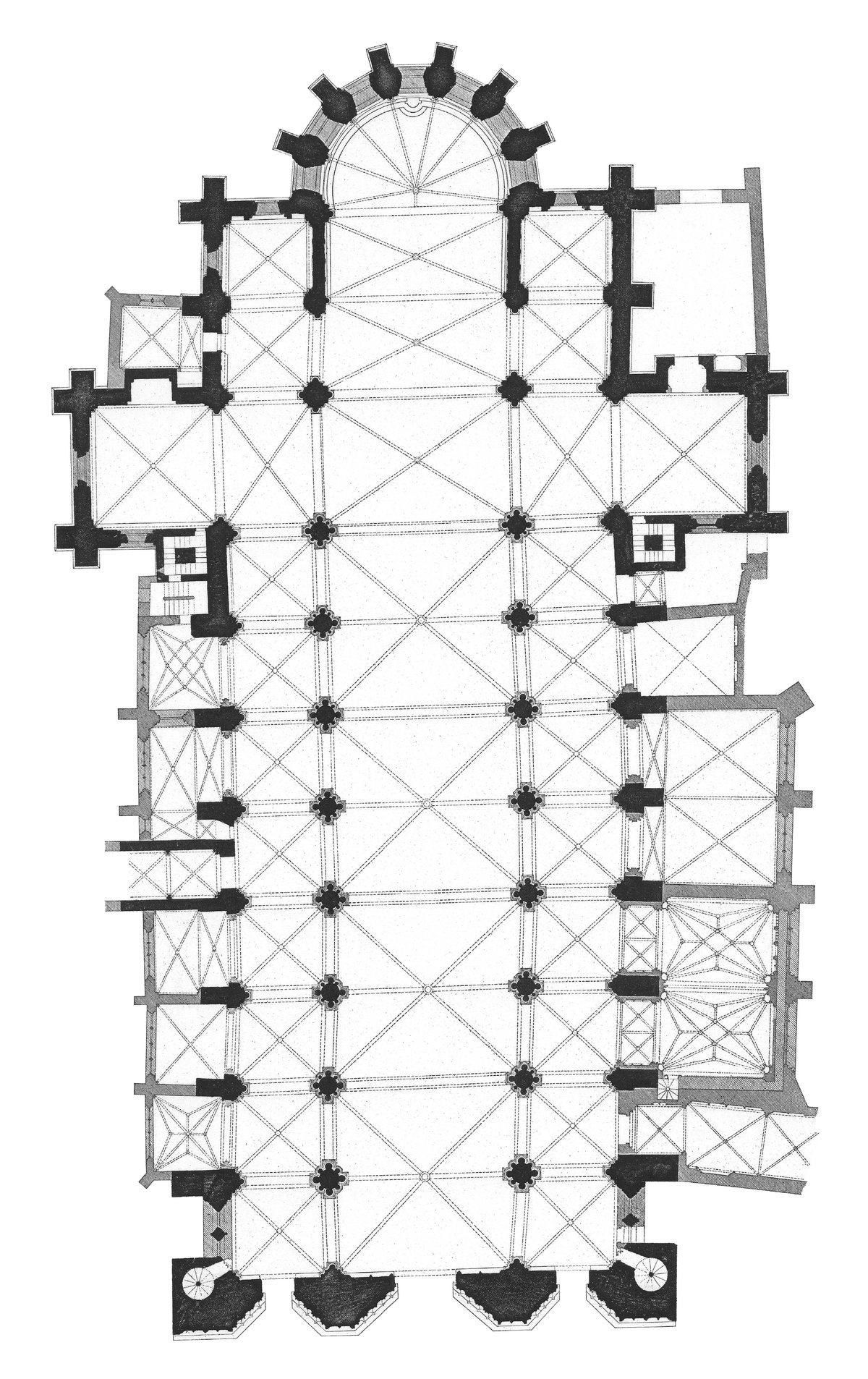
- A traditional Latin cross interior plan with nave, side aisles, and transept.
Timeline of Construction
- 1856: Parish established by imperial decree.
- 1869: First stone symbolically laid by Empress Eugénie and her son.
- 1879: Church opens for worship.
- 1883: Consecration by Archbishop Monseigneur Caverot.
Historical Events and Urban Legends
After closing to worship in 1984 due to declining attendance and accessibility problems, the church was used unofficially as an art studio by students of the École nationale des Beaux-Arts until 2007 (lebonbon.fr). This era saw both creative use and vandalism, with episodes of graffiti and damage to religious art. The building’s isolation and dramatic appearance have fueled urban legends, including tales of black masses and occult rituals in the 1980s, further cementing its reputation as a site of local folklore.
Community Role and Urban Context
Originally a vital spiritual and social center for Croix-Rousse’s working-class community, the church is described by Cardinal Barbarin as “highly symbolic for Lyon Christians” (trek.zone). Its unfinished staircase and the adjacent École des Beaux-Arts building obscure its façade, symbolizing the complexities of urban development in the district (lagriffeducha).
Visitor Information
Visiting Hours & Admission
- Current Status (July 2025): The Église du Bon-Pasteur remains closed to public worship and visitation. There are no official visiting hours or ticketing.
- Access: Only exterior viewing is permitted. Entry is prohibited due to safety and preservation concerns (MonNuage).
Accessibility
- The church’s elevated entrance and lack of a permanent staircase make it inaccessible to visitors with mobility impairments.
- The exterior can be safely observed from Rue Neyret and surrounding streets.
Guided Tours & Events
- No interior tours are currently offered.
- Some walking tours of Croix-Rousse include historical context about the church from the outside (Exposition Lyon).
- Periodic art exhibitions or community events may use the exterior as a backdrop—check local cultural listings.
Nearby Attractions & Travel Tips
- Nearby: Croix-Rousse market, Mur des Canuts (silk workers’ mural), Place des Terreaux, Église de Saint-Polycarpe, and Lyon’s traboules (hidden passageways).
- Transport: Accessible via public transport serving Croix-Rousse.
- Photo Tips: Best light is during golden hour; nighttime illumination emphasizes the dramatic silhouette.
Unique Features & Photography Spots
- The octagonal bell tower and unfinished staircase make for striking compositions.
- Exterior details—such as original stone inscriptions and sculptural fragments—are visible up close.
- Panoramic city views from the immediate area add context to the church’s urban setting (oliviercretinphotographie.com).
Frequently Asked Questions (FAQ)
Q: Can I enter the Église du Bon-Pasteur?
A: No, the church is closed to public access due to safety concerns and preservation status.
Q: Are there tickets or scheduled visiting hours?
A: No tickets or official hours are available; only exterior viewing is permitted.
Q: Is the church accessible for people with disabilities?
A: Unfortunately, the entrance is elevated and there are no facilities for accessibility.
Q: Are guided tours available?
A: Some Croix-Rousse walking tours include exterior historical commentary. Check with the Lyon tourism office or local tour providers.
Q: What are the best nearby attractions?
A: Explore the Croix-Rousse market, local street art, Place des Terreaux, and Lyon’s traboules.
Essential Visitor Information
- Location: Rue Neyret, Croix-Rousse, Lyon, France (GCatholic)
- Visiting Hours: Closed to the public; exterior viewing only
- Tickets: Not required; no interior access
- Safety: Respect barriers and signage—do not attempt entry
- Photography: Exterior only; best views from Rue Neyret and surrounding streets
- Nearby Attractions: Église de Saint-Polycarpe, Croix-Rousse market, traboules
- Guided Tours: Occasionally included in heritage walks (Exposition Lyon)
Listen to the full story in the app
The whole Église Du Bon-Pasteur,
told well.
Audio guides for 1,100+ cities across 96 countries. History, stories, and local insight — offline ready.
Verified, and shown.
Researched and written by the Audiala editorial team from historical records, architectural archives, and local expertise.
Researched from Wikidata, Wikipedia & official sources · fact-checked · How we make our guides →