Plan and listen to Bust Of Claude-Marius Vaïsse with Audiala.
Audio guide in your pocket, itinerary in your browser. Built for the way you actually visit.
Introduction: The Legacy of Claude-Marius Vaïsse
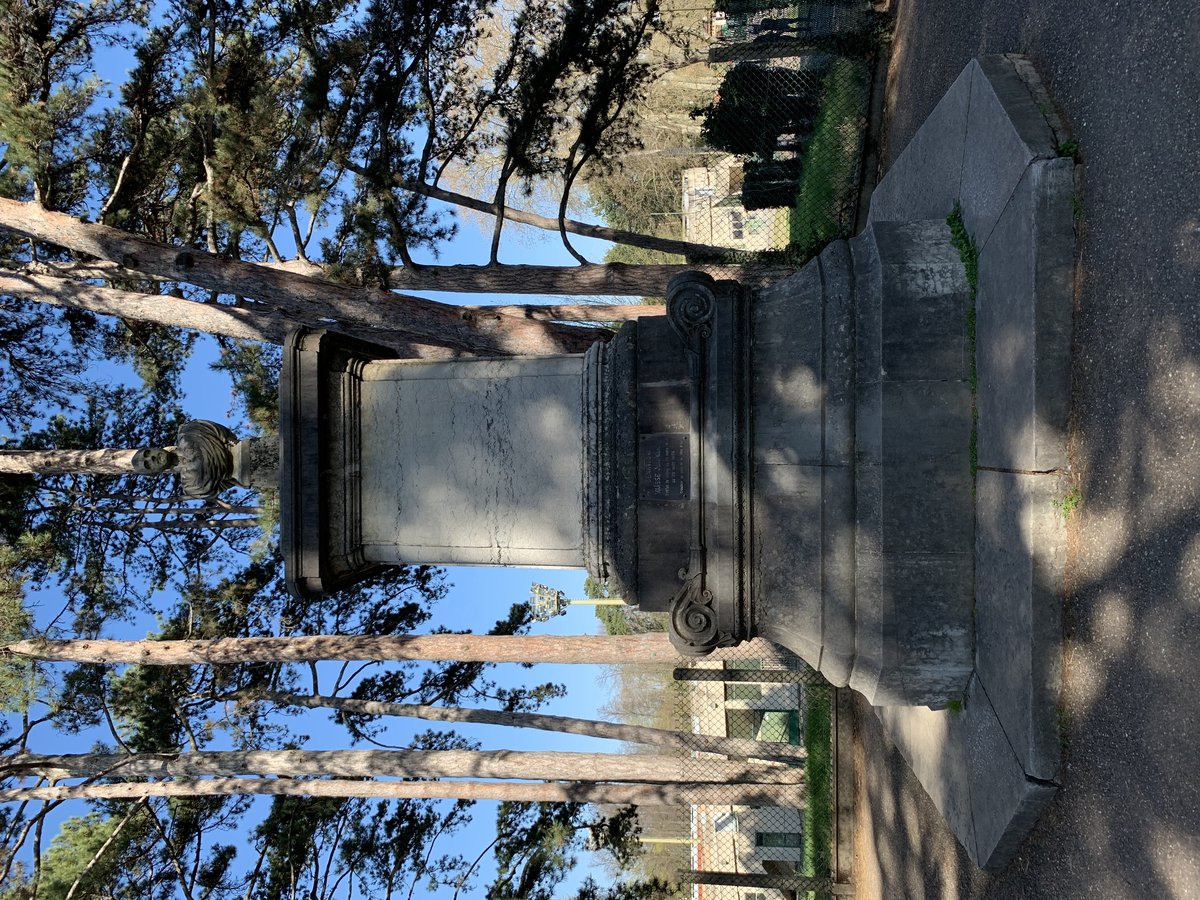
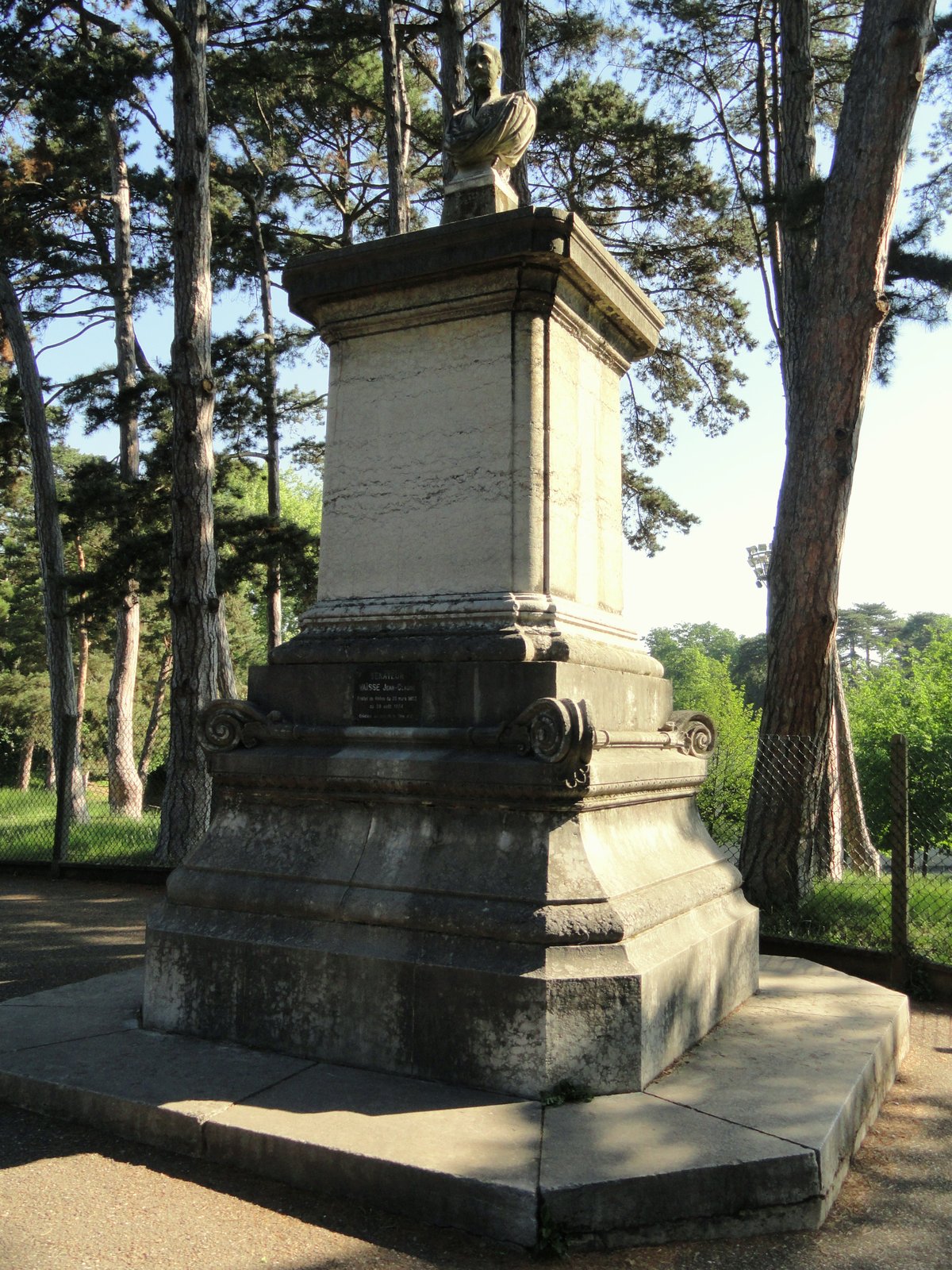
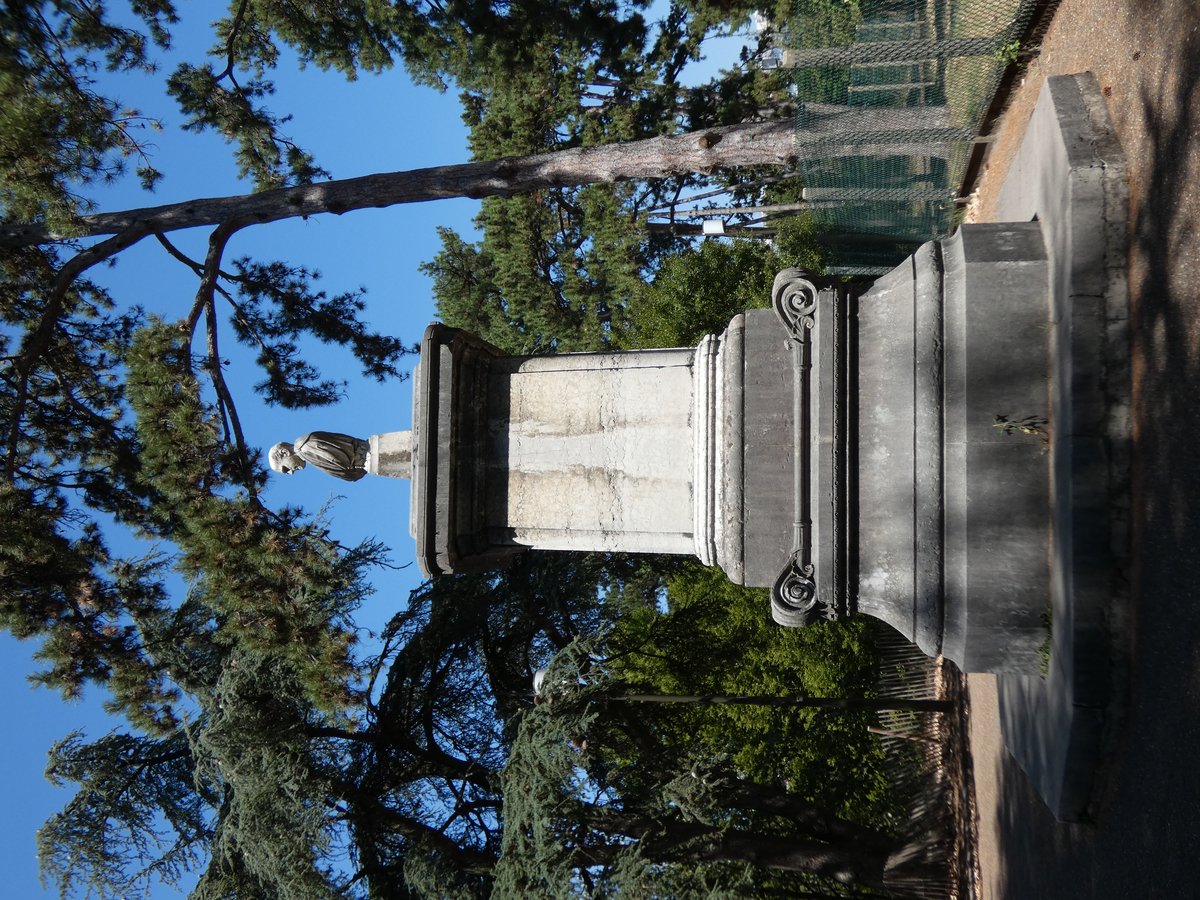
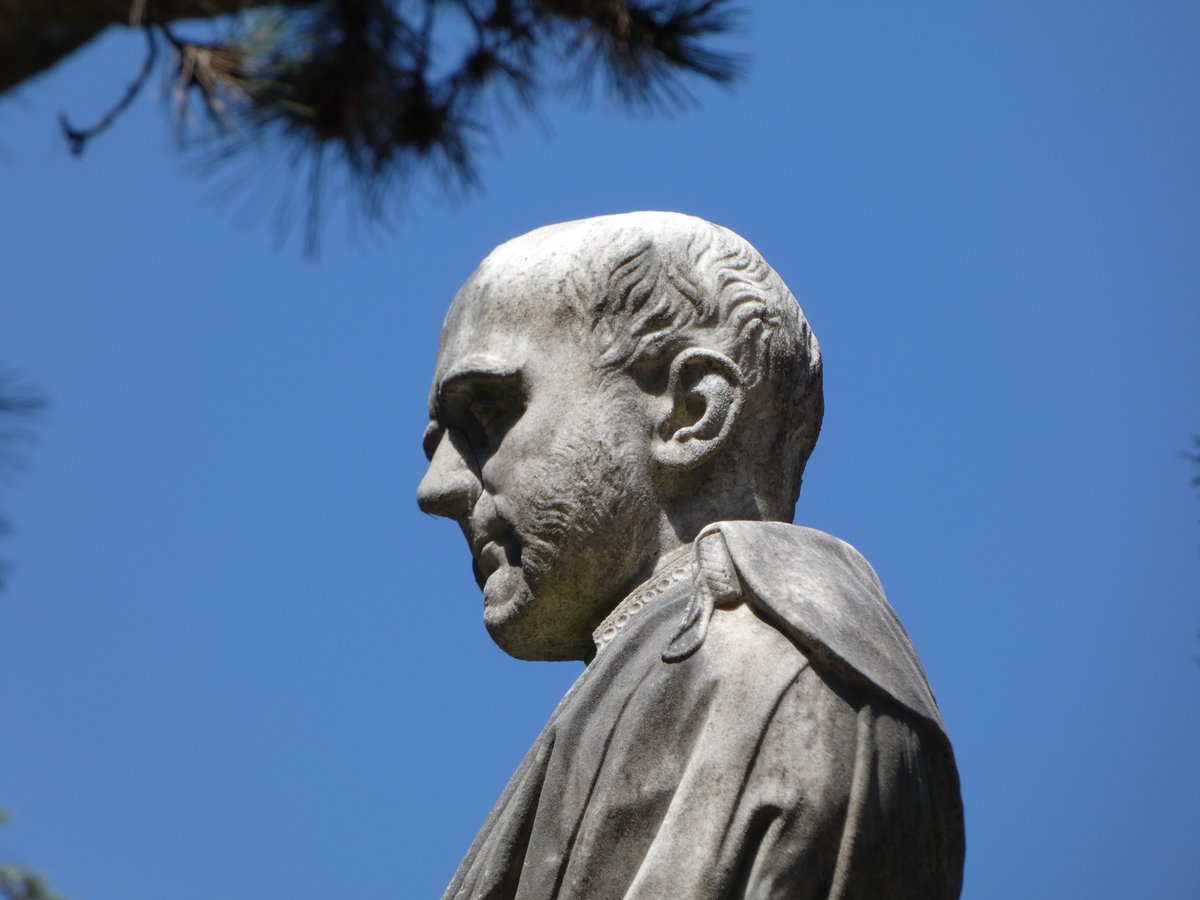
In the heart of Lyon, France, the Bust of Claude-Marius Vaïsse stands as a tribute to one of the city’s most transformative leaders. Often referred to as the "Haussmann of Lyon," Vaïsse played a pivotal role in the mid-19th century, overseeing urban modernization that shaped the city’s boulevards, parks, and infrastructure. His vision under the Second Empire facilitated the development of iconic sites like Rue de la République and Parc de la Tête d’Or, contributing to Lyon’s evolution into a modern metropolis. The bust, located in Parc de la Tête d’Or, commemorates his enduring legacy and invites visitors to explore Lyon’s rich historical narrative through the lens of urban transformation.
This guide provides comprehensive information about the bust’s significance, practical visiting details—including hours, accessibility, and transportation—alongside tips for exploring nearby attractions. Whether you are a history enthusiast, architecture lover, or casual traveler, understanding Vaïsse’s impact offers meaningful insights into Lyon’s unique character.
For further details and verified information, consult resources such as Rues de Lyon, Patrimoine Lyon, and the official tourism portal Visiter Lyon.


Vaïsse’s Early Life and Political Career
Claude-Marius Vaïsse (1799–1864), born in Marseille, entered public service early, influenced by the social and political changes of post-Revolutionary France. Trained as a lawyer, he rose quickly through the civil service and was appointed Prefect of the Rhône and Mayor of Lyon in 1853, serving until 1864. Vaïsse also held a seat as senator, expanding his influence in both local and national spheres (Rues de Lyon).
Urban Transformation of Lyon
Inspired by Baron Haussmann’s work in Paris, Vaïsse implemented ambitious projects to modernize Lyon. His initiatives included:
- Creating new boulevards like Rue de la République and Rue Vaïsse
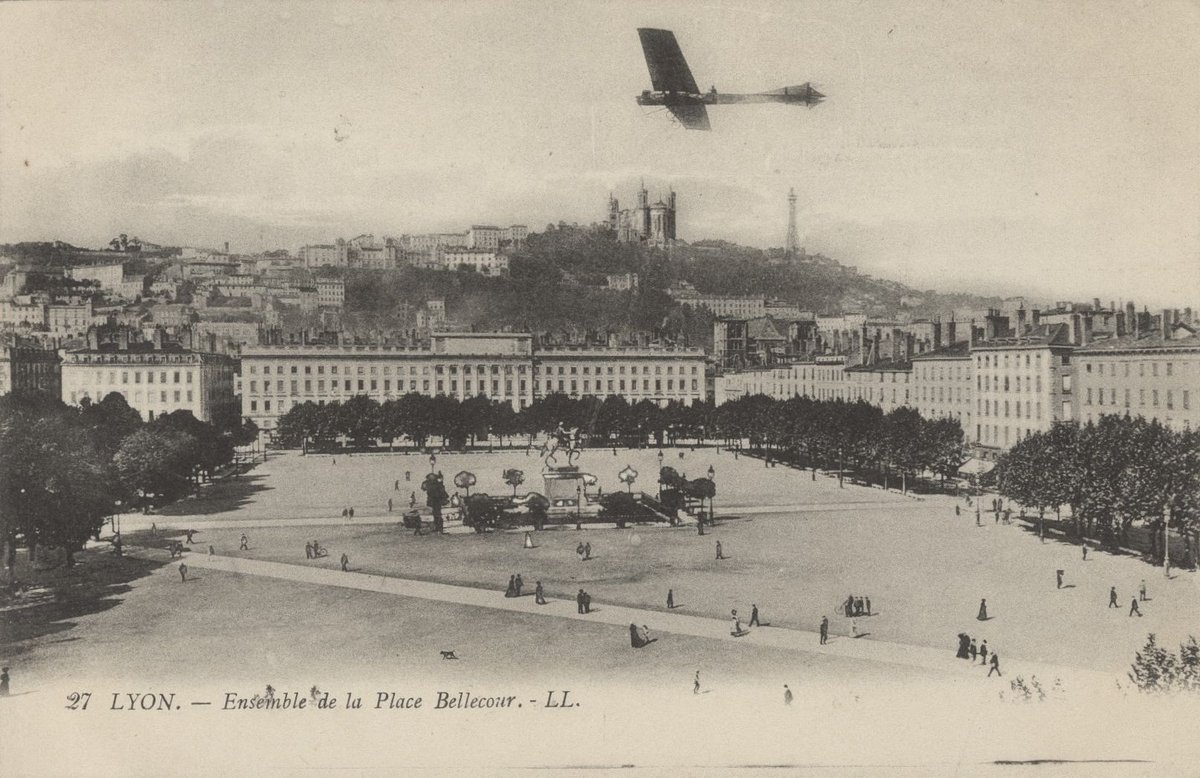
- Developing major public spaces such as Place Bellecour
- Overhauling bridges, water supply, and sewage systems
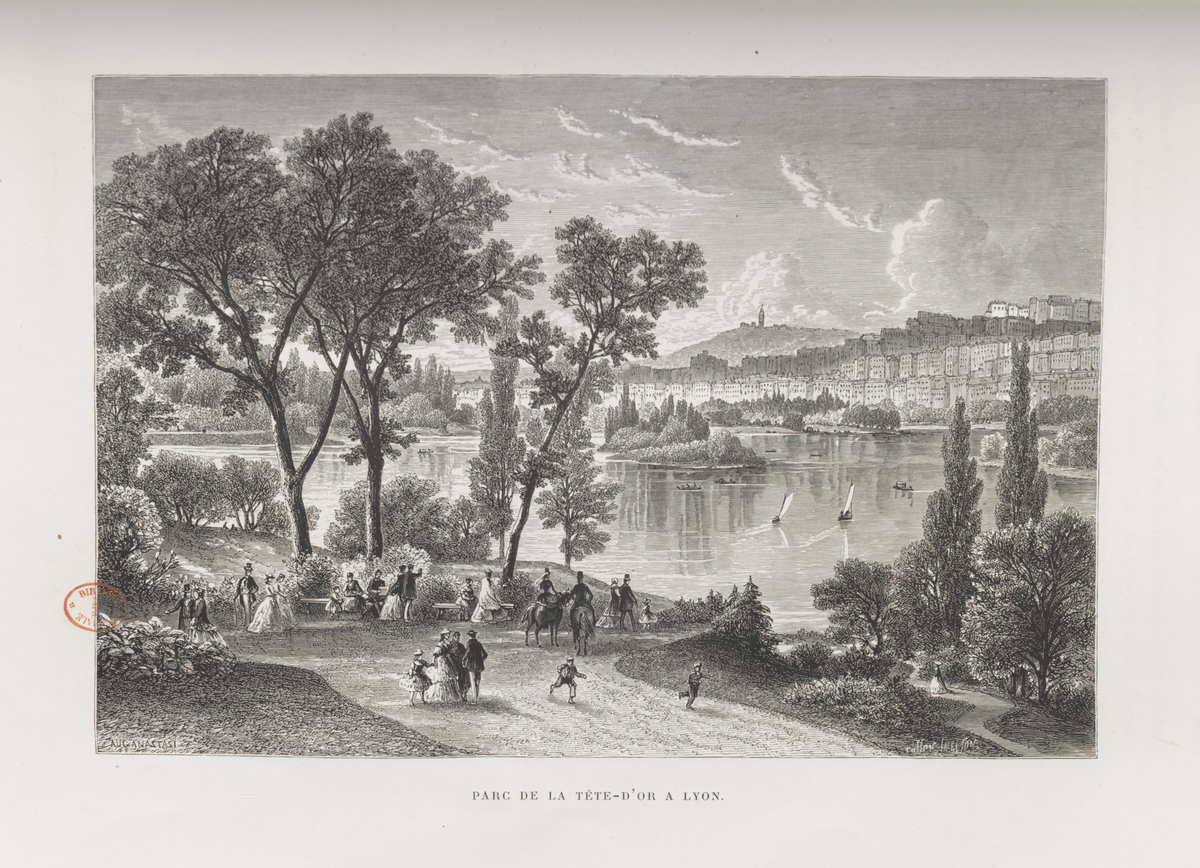
- Founding Parc de la Tête d’Or in 1857, one of Europe’s largest urban parks
These reforms not only improved infrastructure and transportation but also elevated the city’s status as a regional and European center of commerce and culture (Patrimoine Lyon).
The Bust: History and Symbolism
The original monument to Vaïsse was a grand full-figure statue, symbolizing civic gratitude and aligning with the era’s monumental public art. Over time, urban redevelopment and changing attitudes toward commemoration led to the statue’s replacement by a more modest bust. This transition reflects the evolving ways cities honor their leaders—moving from grandiosity to more intimate memorials.
The bust, set atop a large stone pedestal in Parc de la Tête d’Or, continues to represent Vaïsse’s lasting influence on Lyon’s urban landscape. Its placement in the park—a green space that was one of Vaïsse’s signature achievements—reinforces his legacy as a champion of accessible public amenities (ExploraLyon).
Location and Visiting Information
-
Location: The Bust of Claude-Marius Vaïsse is located atop the belvedere in Parc de la Tête d’Or, near the velodrome.
Address: Parc de la Tête d’Or, 69006 Lyon, France
Nearest Entrances: Boulevard des Belges or Boulevard Stalingrad (ExploraLyon) -
Opening Hours:
- Summer (April–October): 6:30 am – 10:30 pm
- Winter (November–March): 6:30 am – 8:30 pm
(ExploraLyon)
-
Admission: Free for all visitors
-
Accessibility: The park is mostly wheelchair accessible, with paved paths leading to the bust’s location. Some areas may have gentle inclines.
Accessibility and Transportation
-
Public Transport:
- Metro Line A: Masséna or Foch stations (10–15 minutes’ walk)
- Bus Lines: C1, C6, 27 (stop near park entrances)
- Tram T1: Charpennes stop, then walk or transfer
(Visiter Lyon)
-
Bicycle:
Use Lyon’s Vélo’v bike-sharing stations located near the park. -
Car:
Limited paid parking is available along Boulevard des Belges and nearby streets. Public transport is recommended, especially during busy periods.
Nearby Attractions
Make the most of your visit by exploring:
- The botanical and rose gardens within Parc de la Tête d’Or
- The zoo, home to over 400 animals (free entry)
- The lake, with boat rentals
- The Guignol puppet theater, a Lyonnais tradition
- The Lyon Museum of Fine Arts and Place Bellecour within easy reach
Guided Tours and Events
While there are no tours dedicated solely to the bust, many guided walks of Parc de la Tête d’Or and Lyon’s urban history include information about Vaïsse’s role. The Lyon City Card provides access to discounts on tours and other attractions. Check with ONLYLYON Tourism Office for up-to-date schedules.
Photography and Visitor Tips
- Best Times: Early morning or late afternoon for optimal lighting
- Seating: Benches and shaded areas are available nearby
- Conduct: Please respect the monument by not climbing on it or littering
- Restrooms and Refreshments: Public toilets and cafés are located throughout the park
Frequently Asked Questions (FAQ)
Q: What are the visiting hours for the Bust of Claude-Marius Vaïsse?
A: Accessible during Parc de la Tête d’Or’s opening hours: 6:30 am–10:30 pm in summer, 6:30 am–8:30 pm in winter.
Q: Is there an admission fee to see the bust?
A: No, the park and the bust are free to visit.
Q: Is the site wheelchair accessible?
A: Yes, main paths are paved and suitable for wheelchairs.
Q: Are guided tours available?
A: Many city tours include Parc de la Tête d’Or and information about Vaïsse.
Q: What other attractions are nearby?
A: The park’s zoo, botanical gardens, the Museum of Fine Arts, and Place Bellecour.
Discover More
The Bust of Claude-Marius Vaïsse is more than a monument; it is a gateway to understanding Lyon’s transformation from a 19th-century industrial hub to a thriving modern city. Vaïsse’s vision, from wide boulevards to lush public parks, still shapes the city’s landscape and spirit today. With easy public transport, free access, and many nearby attractions, visiting the bust is an enriching experience for locals and tourists alike.
Enhance your visit by downloading the Audiala app for guided audio tours, and follow us on social media for updates on Lyon’s historical sites and cultural events. Let the bust of Claude-Marius Vaïsse inspire your exploration of Lyon’s remarkable heritage!
Listen to the full story in the app
The whole Bust Of Claude-Marius Vaïsse,
told well.
Audio guides for 1,100+ cities across 96 countries. History, stories, and local insight — offline ready.
Verified, and shown.
Researched and written by the Audiala editorial team from historical records, architectural archives, and local expertise.
Researched from Wikidata, Wikipedia & official sources · fact-checked · How we make our guides →