Plan and listen to Prow Of The Marsouin with Audiala.
Audio guide in your pocket, itinerary in your browser. Built for the way you actually visit.
Introduction
Nestled along the vibrant coast of Southern Brittany, the Prow of the Marsouin (Étrave du Marsouin) is a compelling maritime monument that encapsulates Lorient’s rich naval heritage and innovative spirit. Located in the revitalized La Base district, this striking structure is more than just an architectural statement—it stands as a symbol of resilience, commemoration, and the enduring relationship between Lorient and the sea. This guide will walk you through the historical significance of the Prow, its unique architectural features, practical visitor information, and expert tips for exploring Lorient’s maritime treasures.
For the latest updates on visiting hours, guided tours, and local events, consult official resources and the Audiala app for personalized recommendations (visit-lorient-brittany.com).
Lorient’s Maritime Origins and Evolution
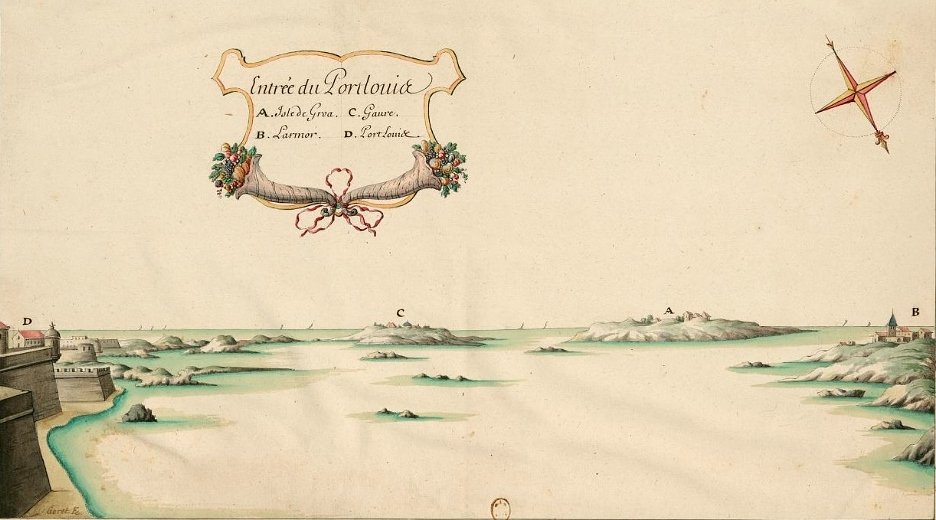
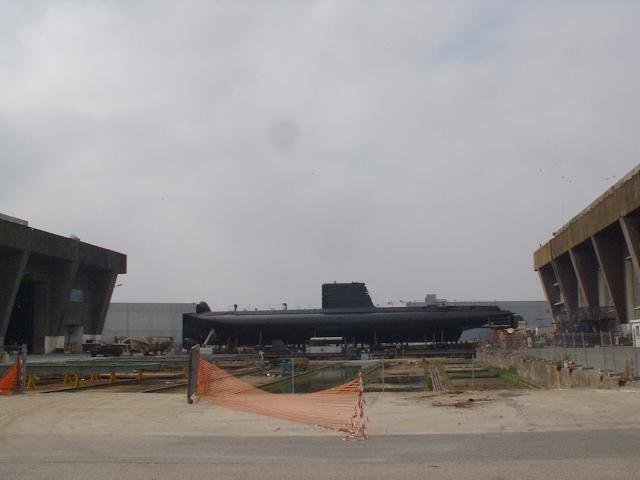
Lorient’s maritime roots trace back to the 17th century with the establishment of the French East India Company, which transformed it into a strategic port for trade with Asia and beyond (visit-lorient-brittany.com). The city’s name itself—meaning “the Orient”—reflects this global connection. Over time, Lorient evolved into a significant naval base, particularly during WWII when the Keroman Submarine Base was constructed, surviving heavy Allied bombing (placesandthingstodo.com).
Today, Lorient is a dynamic city with five thriving ports: military, commercial, fishing, sailing, and passenger. Its vibrant maritime culture is preserved through museums, festivals, and educational initiatives (about2cruise.co.uk).
The Prow of the Marsouin: Symbolism and Context
The Prow of the Marsouin commemorates the French Narval-class submarine Marsouin, built at Lorient’s Keroman Submarine Base in the 1950s (tripadvisor.com). Preserving the submarine’s prow as a monument, Lorient honors its naval engineering legacy and the sailors who served beneath the waves. The monument stands as a testament to the city’s technological prowess, resilience, and collective memory, deeply integrated into local commemorations and educational programs (visit-lorient-brittany.com).
Architectural and Cultural Significance
Modernist Design and Materiality
The Prow’s angular, ship-like form exemplifies Lorient’s post-war architectural rebirth, using stone, concrete, and steel to symbolize both resilience and modernity (Jidipi Architectures). Its orientation toward the water is a constant reminder of the city’s maritime destiny.
Nearby, the Lorient Bretagne-Sud Railway Station and the Community House (Maison de la Communauté) echo this design philosophy, blending innovative materials with nautical references (archdaily.com).
Cultural Role and Events
The Prow serves as a focal point for major events, including the renowned Festival Interceltique de Lorient—Europe’s largest Celtic festival, attracting hundreds of thousands of visitors each August (france-voyage.com; brittanytourism.com). The monument is central to public art projects, commemorative ceremonies, and maritime-themed workshops that animate Lorient’s cultural calendar.
Sustainability and Urban Regeneration
The Prow’s design incorporates sustainable features such as “virtual hanging gardens” that maximize natural light and energy efficiency (archdaily.com). Its integration within La Base exemplifies Lorient’s commitment to transforming historical sites into vibrant community spaces.
Visitor Information: Hours, Tickets & Accessibility
Opening Hours
- Prow of the Marsouin: Outdoor monument accessible year-round, typically from 9:00 AM to 6:00 PM, with extended hours in summer.
- Nearby Museums (e.g., Cité de la Voile Éric Tabarly): Open daily, generally 10:00 AM–6:00 PM. Always confirm hours on the official tourism website as they may vary seasonally.
Tickets
- Prow of the Marsouin: Free to access.
- Museums (Cité de la Voile Éric Tabarly, Keroman Submarine Base): Ticketed entry. Adult tickets range from €7 to €12; discounts for children, students, and seniors.
Advance booking is recommended for guided tours, especially during the summer or major festivals.
Accessibility
- Mobility: The site is wheelchair accessible, with ramps and elevators to the terrace. Assistance is available upon request (Tourisme Bretagne Handi-Tourisme).
- Facilities: Accessible toilets, seating, and clear bilingual signage are provided. Nearby, cafés and rest areas are available for visitors.
Exploring La Base and Nearby Attractions
La Base is Lorient’s redeveloped submarine base district, now a lively hub for maritime culture, leisure, and history. Enhance your visit by exploring:
- Cité de la Voile Éric Tabarly: Interactive sailing museum with hands-on exhibits, simulators, and boat tours (Triplyzer).
- Sous-marin Flore-S645: Museum inside a real submarine, offering an immersive naval experience (Triplyzer).
- Keroman Fishing Port: One of France’s largest fishing harbors, with markets and authentic seafood restaurants (ChooseWhere).
- Marina Promenade: Ideal for waterfront strolls, yacht-watching, and boat rentals.
- Playgrounds and Green Spaces: Family-friendly recreation areas such as Aire De Jeux La Base (Real Journey Travels).
Practical Tips and FAQs
Getting There
- By Car: Ample parking near La Base; accessible spaces available.
- Public Transport: Bus lines connect Lorient center to La Base; stops are within walking distance.
- Bicycle: Dedicated bike lanes and racks on-site.
Best Time to Visit
- May–September: Pleasant weather (13°C–19°C), lively atmosphere, and extended opening hours (Weather25).
- Events: The Festival Interceltique in August offers a unique cultural experience.
What to Bring
- Comfortable walking shoes and weather-appropriate clothing.
- Camera for panoramic harbor views.
- Reusable water bottle and sun protection in summer.
Local Etiquette
- Greet staff and locals with “Bonjour.”
- Tipping is appreciated but not obligatory.
- Many restaurants close for lunch between 12:00–14:00; plan accordingly (Lonely Planet France Etiquette).
Frequently Asked Questions
Q: What are the Prow of the Marsouin visiting hours?
A: The outdoor monument is accessible daily, generally from 9:00 AM to 6:00 PM (may vary by season).
Q: Is there an entrance fee?
A: No, visiting the Prow is free. Museums and guided tours require a ticket.
Q: Is the site accessible for visitors with reduced mobility?
A: Yes, with ramps, elevators, and accessible facilities.
Q: Are guided tours available?
A: Yes, in both English and French. Book in advance via official tourism channels.
Q: Can I bring children?
A: Absolutely. The site and nearby playgrounds are family-friendly.
Internal Links
- Top Historical Sites in Lorient
- Guide to the Lorient Interceltic Festival
- Best Waterfront Restaurants in Lorient
- Guided Tours of Brittany’s Maritime Heritage
Listen to the full story in the app
The whole Prow Of The Marsouin,
told well.
Audio guides for 1,100+ cities across 96 countries. History, stories, and local insight — offline ready.

Verified, and shown.
Researched and written by the Audiala editorial team from historical records, architectural archives, and local expertise.
Researched from Wikidata, Wikipedia & official sources · fact-checked · How we make our guides →