Plan and listen to Paris Gate with Audiala.
Audio guide in your pocket, itinerary in your browser. Built for the way you actually visit.
Introduction
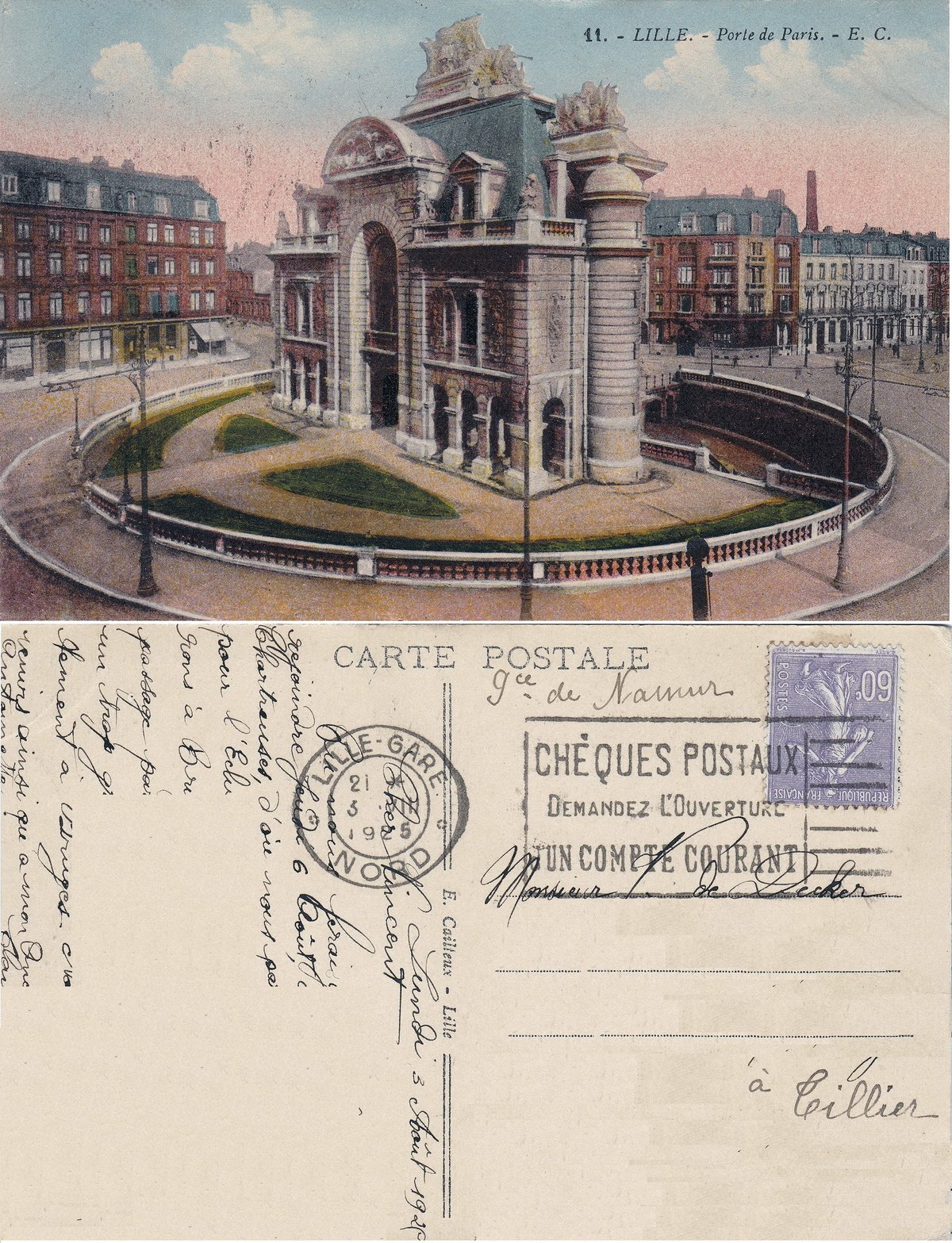
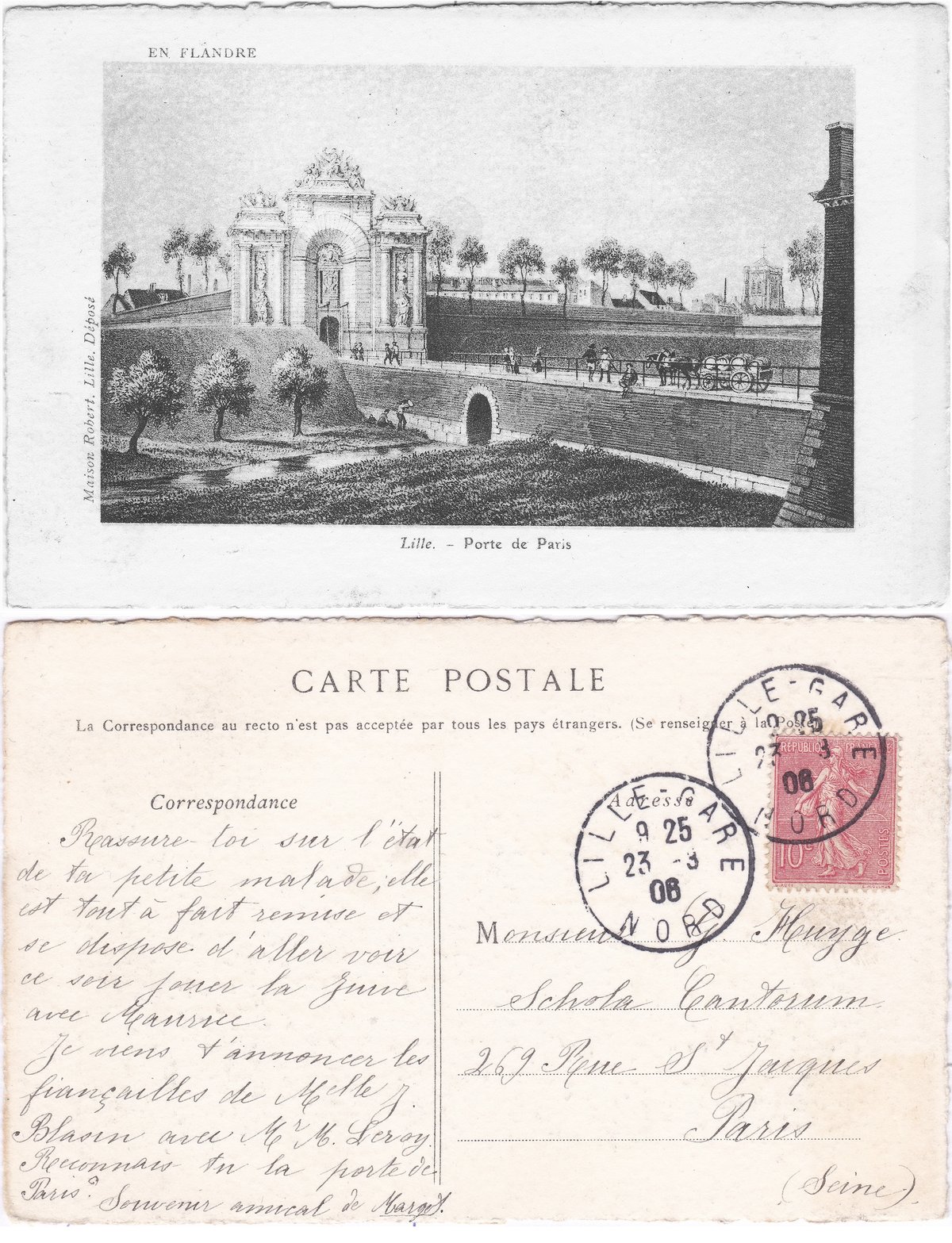
The Porte de Paris in Lille, France, is a monumental gateway that stands as a proud testament to the city's rich history and resilience. Constructed between 1685 and 1692, this iconic landmark was originally part of the city's fortifications, designed by the renowned military engineer, Sébastien Le Prestre de Vauban, under the reign of Louis XIV, the Sun King. The gate replaced an older medieval entrance and symbolized Lille's strategic importance and its military triumphs, particularly celebrating Louis XIV's victory in the siege of Lille in 1708 (Porte de Paris in Lille - History, Visiting Hours, and Tips).
Today, the Porte de Paris is not just a relic of the past but a vibrant part of Lille's cultural and historical landscape. Its classical architectural elements, including Doric columns and intricate carvings, make it a must-visit for anyone interested in history, architecture, or simply the charm of old European cities. Located in a central and accessible area, the gate is surrounded by other historical sites and attractions, making it a perfect starting point for exploring Lille (Exploring Lille - A Guide to Visiting the Porte de Paris and Nearby Attractions).
This guide aims to provide visitors with a comprehensive overview of the Porte de Paris, including its historical significance, visitor information, and nearby attractions. Whether you're planning your first visit or you're a history enthusiast looking to delve deeper into Lille's past, this guide will equip you with all the necessary information for a memorable experience.

History and Significance
From Fortress to Symbol of Victory
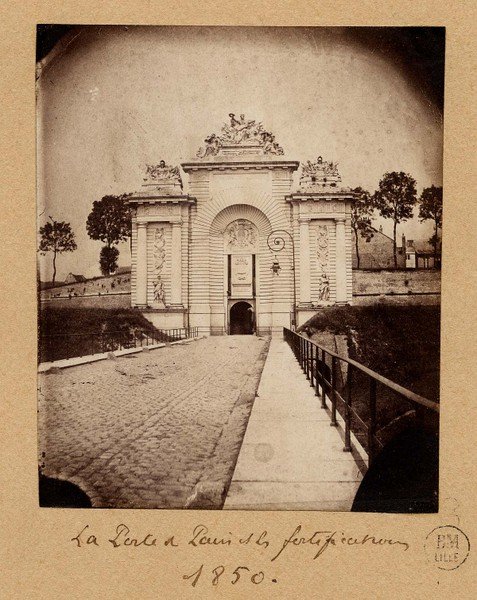
The Porte de Paris's story begins in the 17th century. Built between 1685 and 1692, it served as a grand entrance to the city, replacing an older medieval gate. This period marked a time of significant expansion for Lille under the reign of Louis XIV, the Sun King. The famed military engineer, Sébastien Le Prestre de Vauban, played a crucial role in fortifying the city, and the Porte de Paris became an integral part of his defensive masterplan.
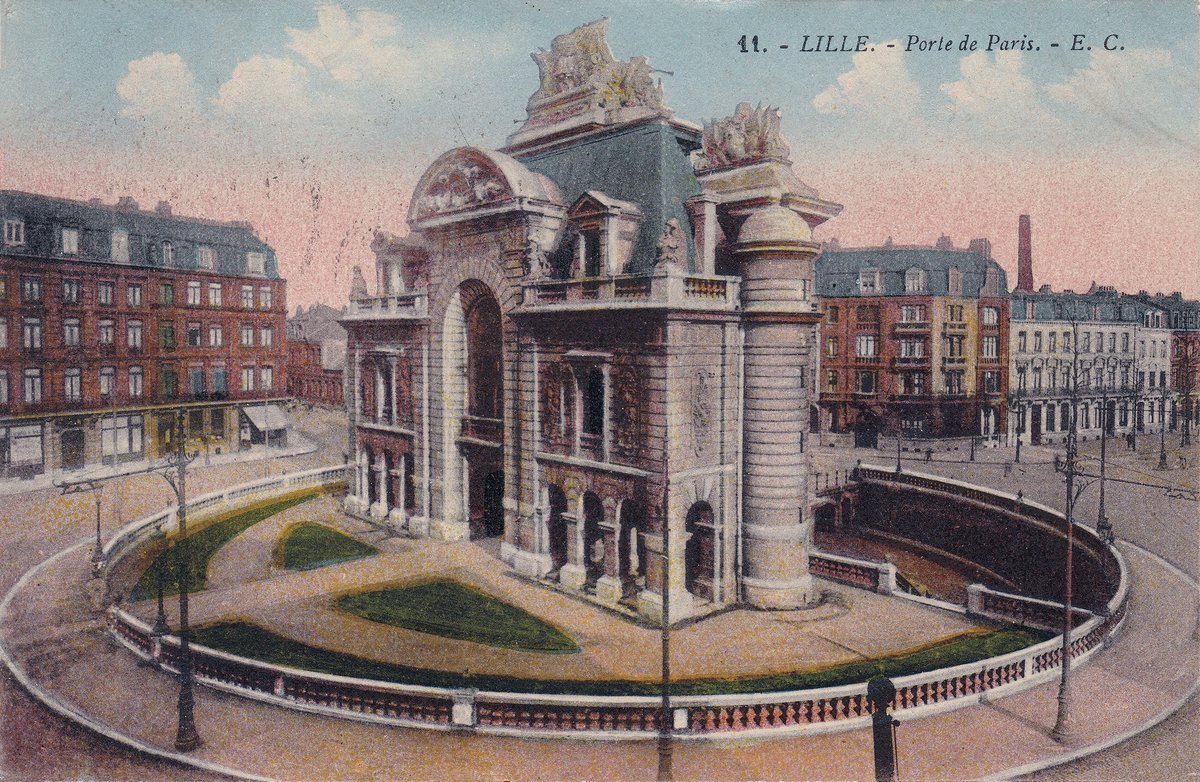
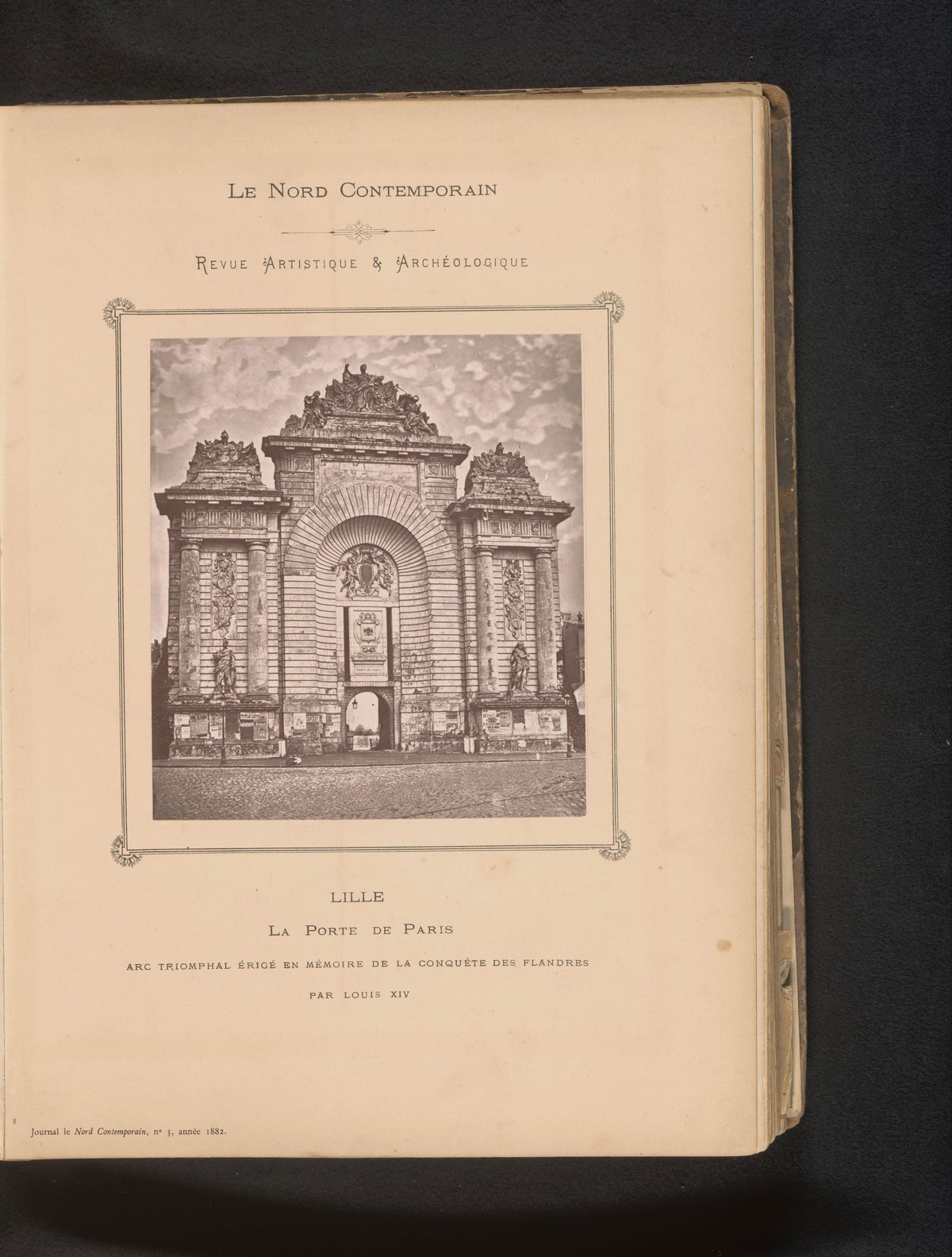
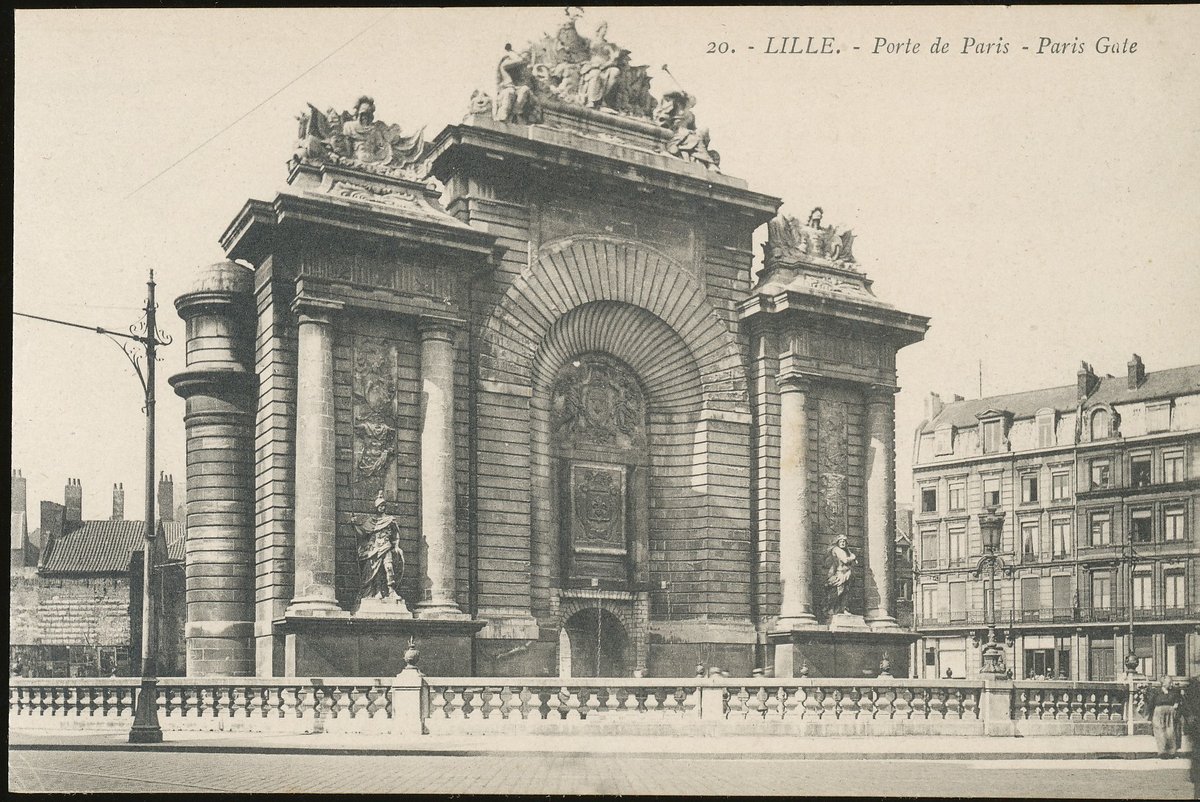
The gate's design reflects its dual purpose - a symbol of power and a defensive stronghold. Its imposing structure, crafted from white stone, features classical architectural elements, including Doric columns, a triumphal arch, and intricate carvings. These decorative elements depict scenes of military victories, particularly celebrating Louis XIV's triumph in the siege of Lille in 1708. This victory cemented the gate's status as a symbol of French military prowess.
Enduring Change and Transformation
Over the centuries, the Porte de Paris witnessed Lille's transformation. As the city grew beyond its fortified walls, the gate lost its defensive significance. However, its symbolic importance remained undiminished. In the 19th century, during the reign of Napoleon III, the gate underwent renovations to accommodate the increasing traffic flow. These modifications, while necessary for the city's development, also highlighted the evolving role of the gate from a military structure to a historical landmark.
Visitor Information
Visiting Hours
The Porte de Paris is accessible to visitors at all times of the day. However, for the best experience, it is recommended to visit during daylight hours to fully appreciate its architectural details and surrounding views.
Ticket Prices
There is no admission fee to visit the Porte de Paris. It is an open public space that can be enjoyed freely by all.
Accessibility
The Porte de Paris is located in a central and easily accessible area of Lille. The site is pedestrian-friendly and can be reached by various modes of public transport, including buses and trams. Additionally, the surrounding area is equipped with ramps and pathways suitable for visitors with mobility needs.
Experiencing the Porte de Paris
Admire the Architecture
Take time to appreciate the intricate details of the gate's design. The Doric columns, the triumphal arch, and the carvings depicting military scenes all tell a story of Lille's past.
Photography Tips
The Porte de Paris provides a stunning backdrop for photographs. Capture its grandeur from different angles, and don't miss the opportunity to capture the intricate details of its carvings.
Explore the Surroundings
The gate is located in a vibrant area of Lille. Take a stroll around the neighborhood, explore the nearby shops and restaurants, and soak up the atmosphere of this historic part of the city.
Guided Tours
Consider joining a guided tour to delve deeper into the history of the Porte de Paris and its significance in Lille's story.
Nearby Attractions
While visiting the Porte de Paris, consider exploring other historical sites and attractions in Lille:
Palais des Beaux-Arts
One of the largest museums in France, housing a vast collection of fine arts.
Vieille Bourse
A beautiful example of 17th-century Flemish architecture, formerly a stock exchange and now a hub for book markets and cultural events.
Lille Cathedral
A breathtaking Gothic Revival cathedral located in the heart of the city.
Citadel of Lille
Another of Vauban's masterpieces, this star-shaped fortress is surrounded by a lush park perfect for leisurely walks.
FAQ
Q: What are the visiting hours for the Porte de Paris?
A: The Porte de Paris is accessible at all times, although visiting during daylight hours is recommended.
Q: Is there an admission fee to visit the Porte de Paris?
A: No, there is no admission fee. It is open to the public for free.
Q: How can I reach the Porte de Paris?
A: The site is easily accessible by public transport, including buses and trams. It is also pedestrian-friendly.
Discover More
Stay updated on the latest travel tips and historical insights by following our blog. Download the Audiala mobile app for more detailed guides and interactive tours (Audiala). Share your experience and connect with us on social media!
Listen to the full story in the app
The whole Paris Gate,
told well.
Listen to sourced travel stories with local history and practical context — ready offline.
Verified, and shown.
Researched and written by the Audiala editorial team from historical records, architectural archives, and local expertise.
Built from cited sources · see the method · How we make our guides →