Plan and listen to Opéra De Lille with Audiala.
Audio guide in your pocket, itinerary in your browser. Built for the way you actually visit.
Introduction
Nestled in the vibrant heart of Lille, France, the Opéra de Lille stands as a beacon of cultural heritage, architectural splendor, and artistic innovation. This comprehensive guide explores the opera house’s neoclassical design, historical milestones, essential visitor information, and its integration into Lille’s dynamic urban and cultural fabric. Whether you are a history enthusiast, architecture lover, or a fan of the performing arts, this resource will help you make the most of your visit to one of northern France’s premier cultural landmarks.

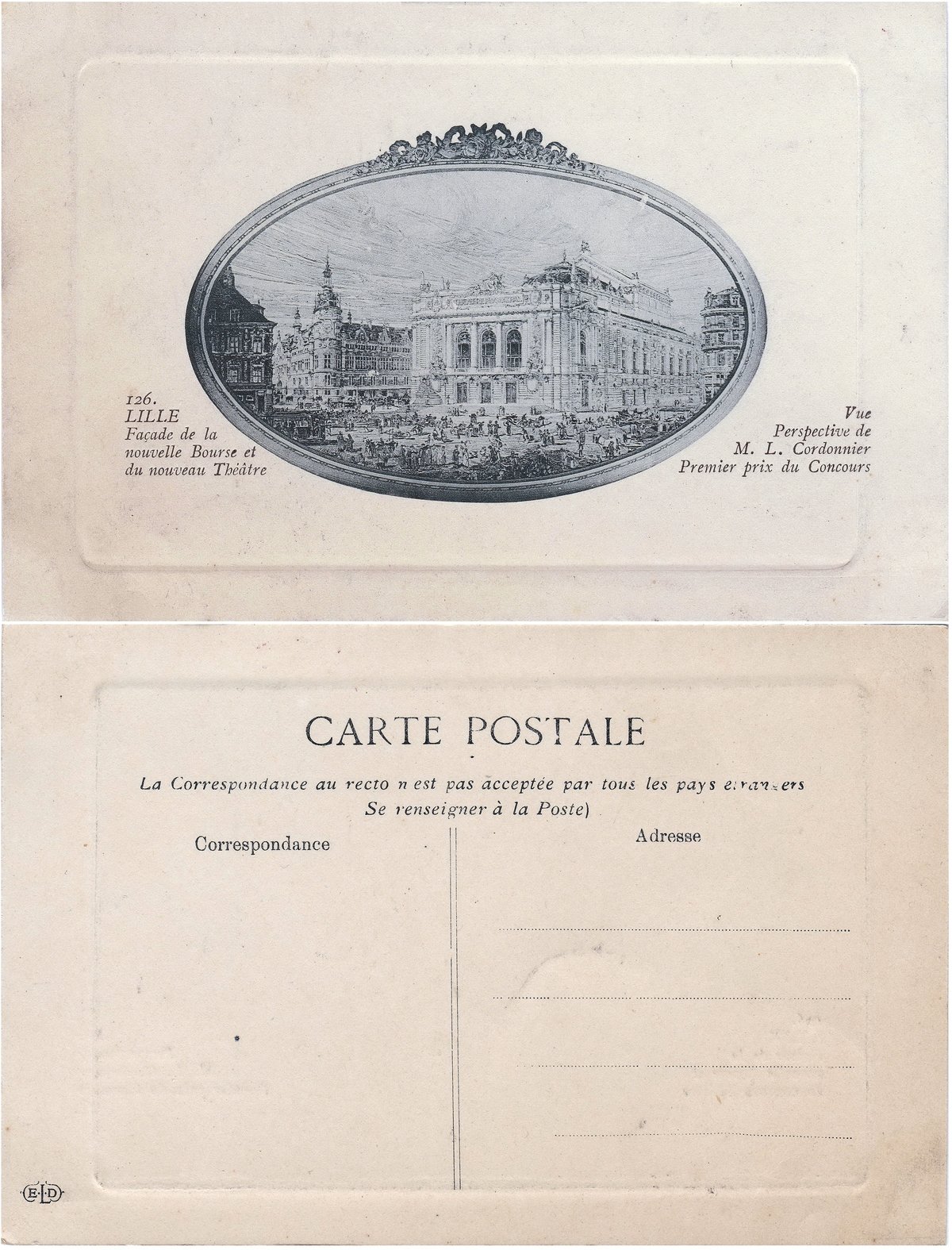
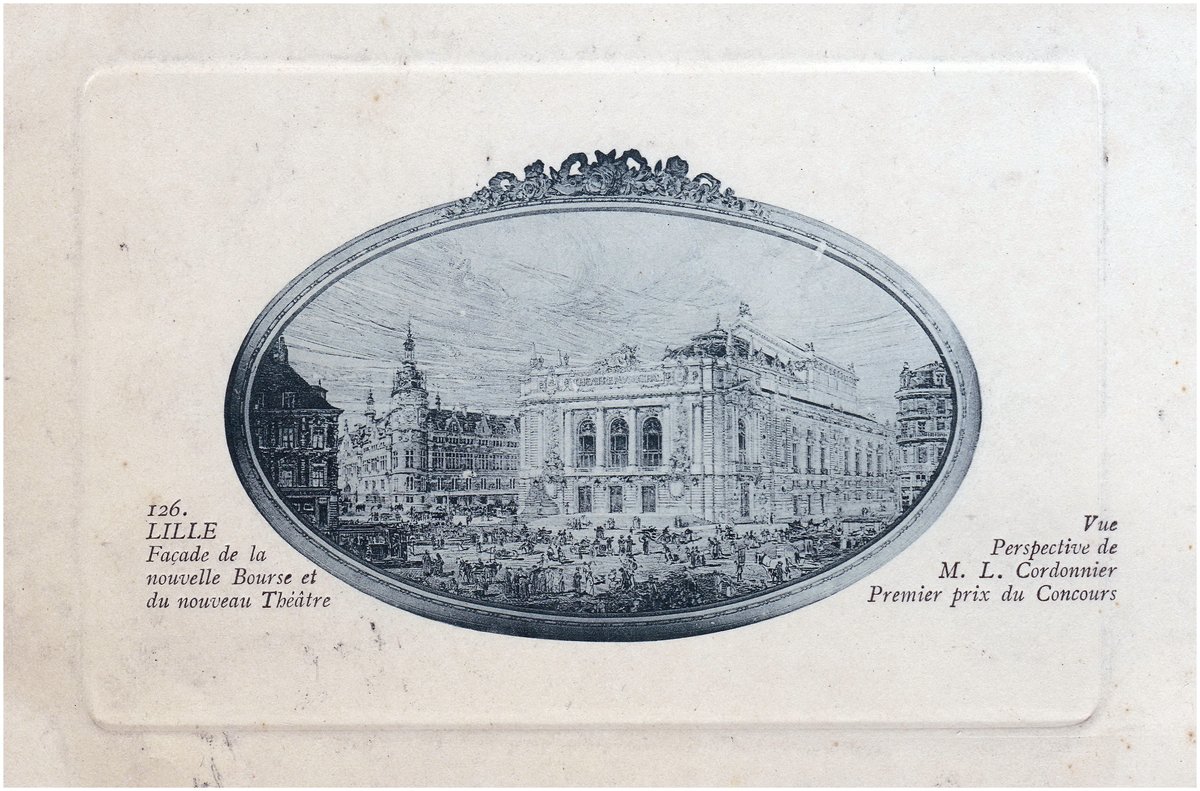
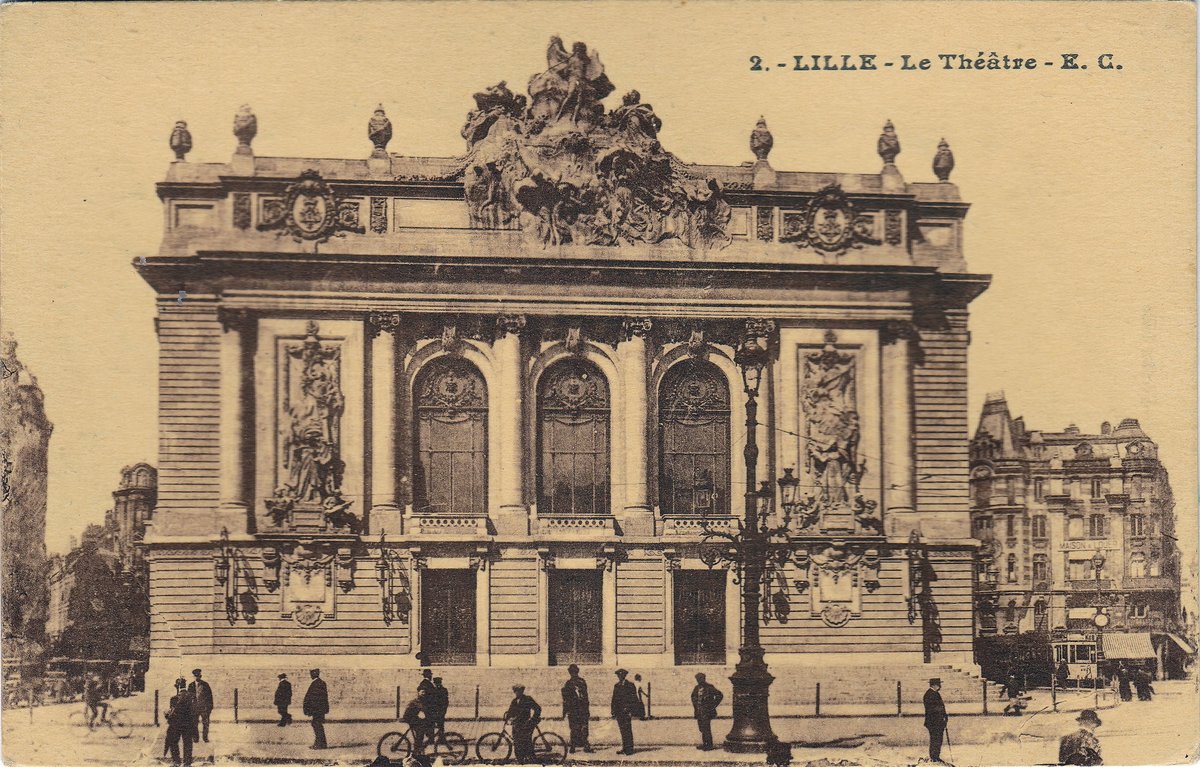
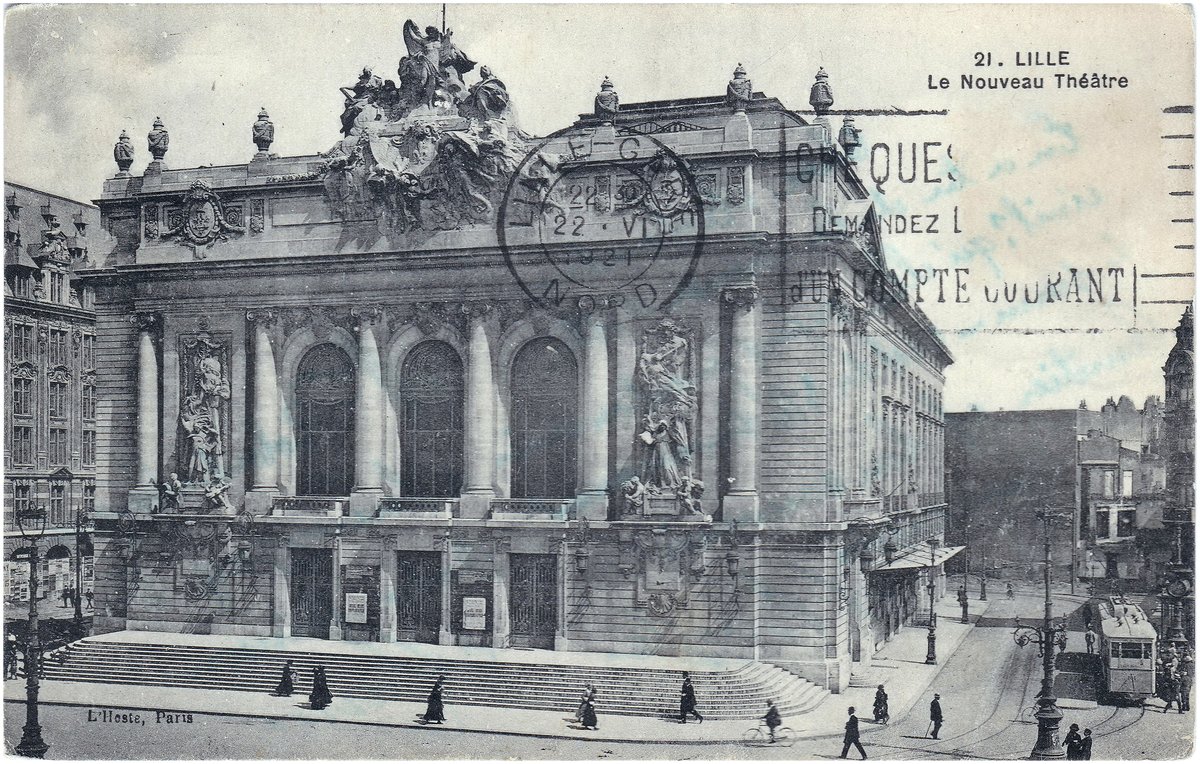
Historical Background of the Opéra de Lille
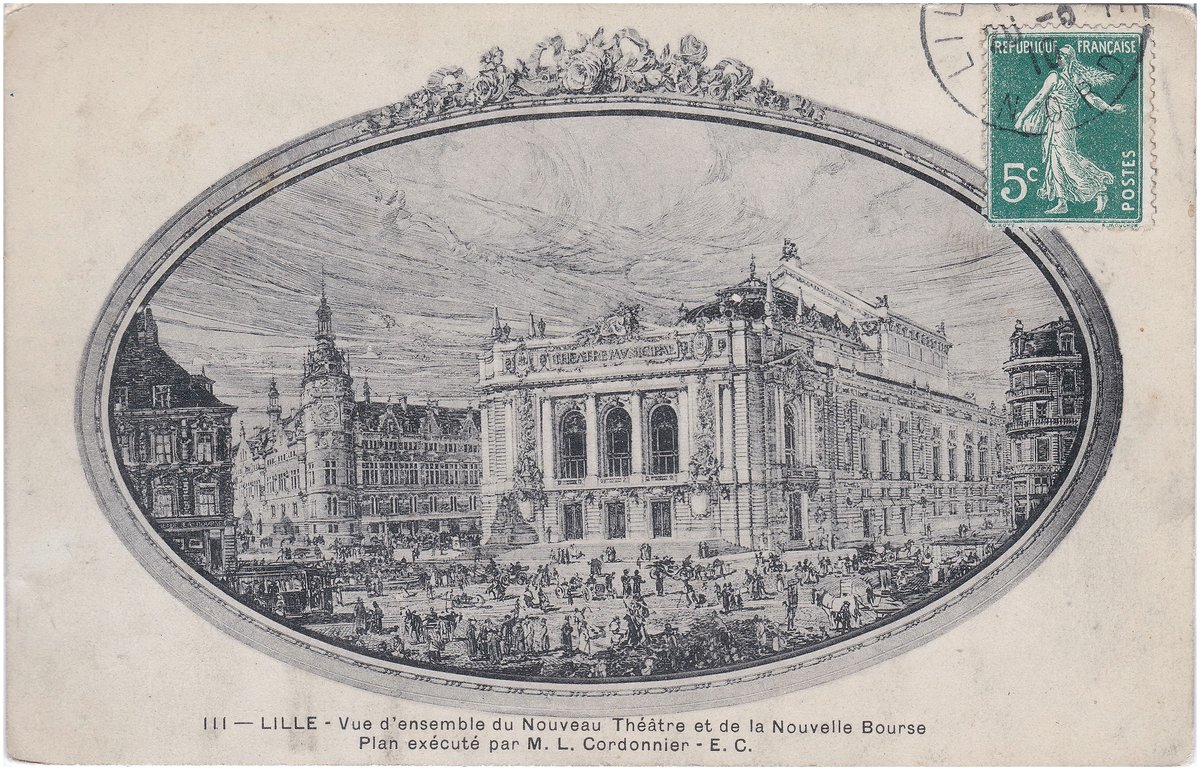
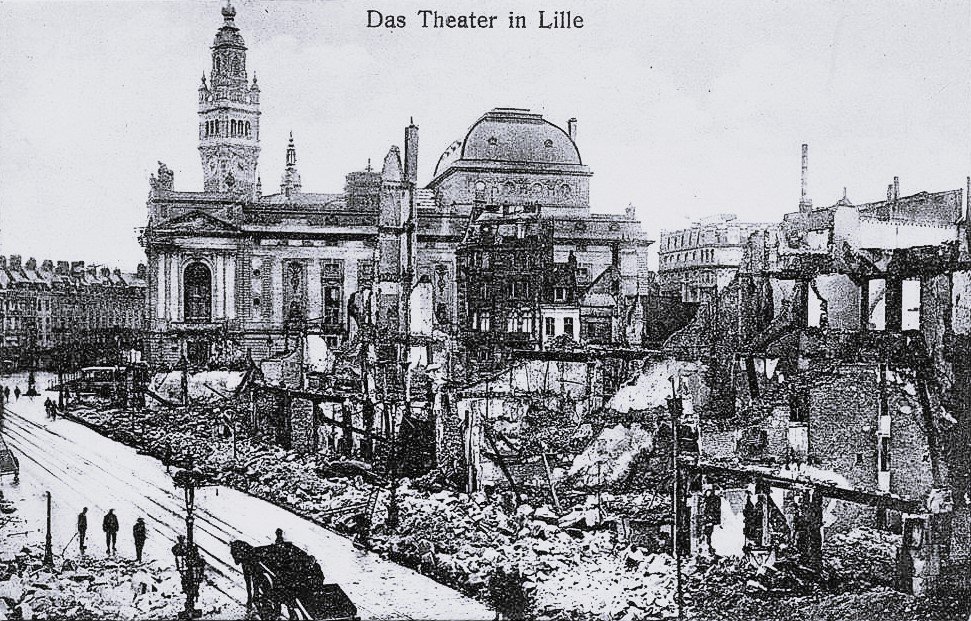
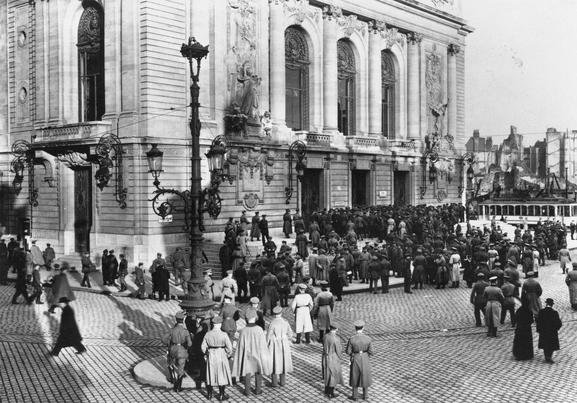
The Opéra de Lille is emblematic of Lille’s resilience and cultural vibrancy. The original opera house, dating to the 18th century, was destroyed by fire in 1903. The present structure, designed by renowned architect Louis-Marie Cordonnier, was inaugurated in 1923 after overcoming setbacks such as World War I occupation by German forces (Opéra de Lille – Histoire & Architecture; travel.earth). Over the years, the opera has witnessed pivotal events, including its use as the “Deutsches Theater Lills” during the war and hosting legendary performers such as Edith Piaf.
Architectural Highlights
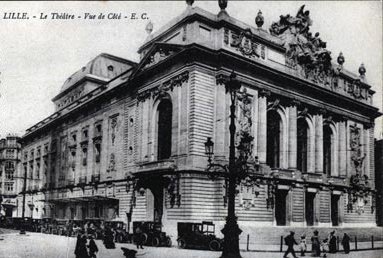
Exterior Design and Façade
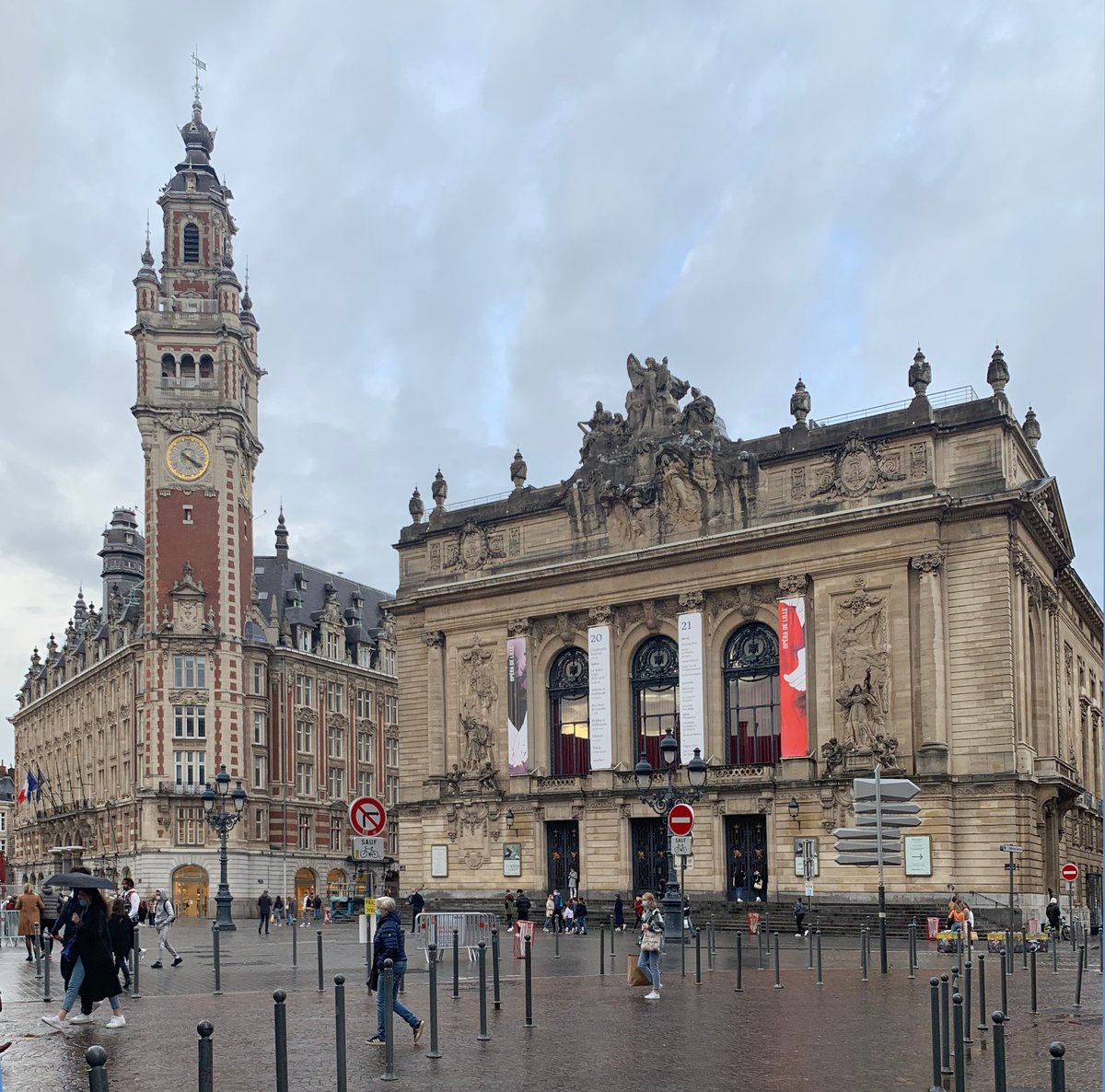
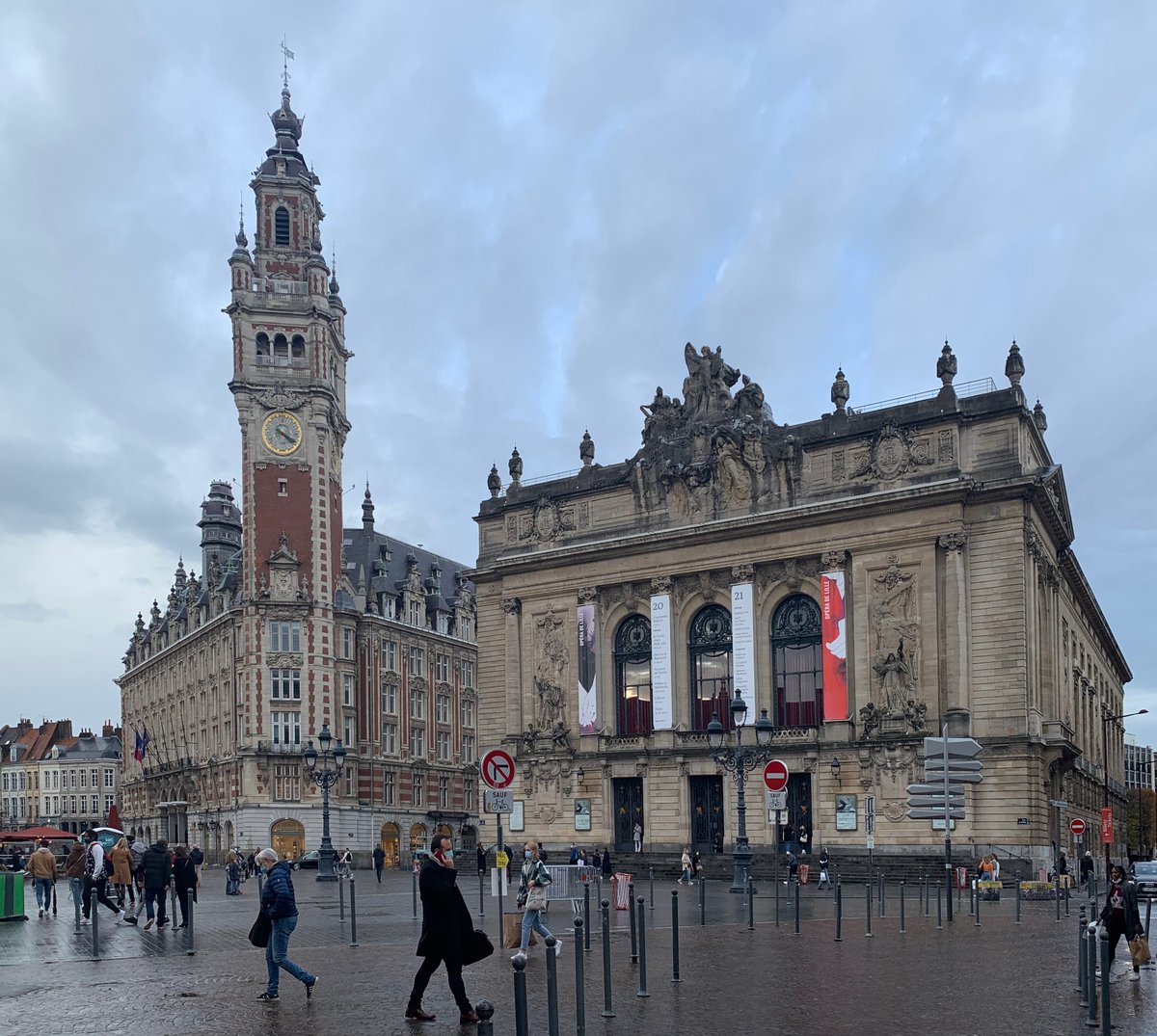
Cordonnier’s neoclassical vision drew inspiration from celebrated French theaters, such as the Opéra Garnier in Paris and the Grand Théâtre de Bordeaux (Opéra de Lille – Histoire & Architecture). The façade, a harmonious blend of sobriety and ornamentation, features:
- A grand staircase and ceremonial entrance.
- Sculptures representing allegories of Tragedy and Music, and a pediment depicting Apollo with his muses.
- Three large windows framed by Ionic columns, illuminating the Grand Foyer.
- Nighttime illuminations and special events, such as the Video Mapping Festival, which turn the façade into a luminous canvas (Good Morning Lille).
Interior Layout and Décor
Inside, visitors are greeted by a monumental entrance hall and a stately staircase leading to the Italian-style horseshoe auditorium. The six principal zones—entrance hall, Grand Foyer, Main Hall, rehearsal spaces, backstage, and technical areas—are adorned with mythological motifs and lavish decorative details (Google Arts & Culture). The Grand Foyer’s ceiling is highlighted by Georges Picard’s mural “La Ronde des Heures,” while the cupola in the Main Hall boasts a grand chandelier surrounded by painted medallions.
The Grande Salle (Main Auditorium)
The auditorium, originally seating 1,568 but now accommodating about 1,138 after renovations, is famed for its acoustics and Italian-style horseshoe design. Red velvet seats—installed during the German occupation—complement the golden and mythological décor (Good Morning Lille).
Visiting Hours and Ticket Information
Opening Hours
- Box Office: Typically open Tuesday to Saturday, 10:00 AM to 6:00 PM, with extended hours on performance days (Opéra de Lille – Infos pratiques).
- Guided Tours: Usually offered on the second Saturday of each month; check the official website for up-to-date schedules.
- Performance Evenings: The building opens prior to showtime and remains accessible until after the performance.
Tickets
- Performances: Purchase tickets online, at the box office, or via authorized vendors. Prices vary by event and seat category, with discounts for students, seniors, and groups.
- Guided Tours: Tickets typically range from €8–€12; reservations open one month in advance and are recommended (opera-lille.fr).
Guided Tours and Special Events
Guided tours reveal the grandeur of the Grand Foyer, main auditorium, backstage areas, and rooftop terraces with panoramic city views (Good Morning Lille). Tours are primarily in French, with occasional sessions in English. Special annual events, such as European Heritage Days and the Video Mapping Festival, offer unique perspectives and interactive experiences.
Accessibility and Visitor Tips
Accessibility
The Opéra de Lille is dedicated to inclusivity:
- Ramps, elevators, and accessible restrooms serve visitors with reduced mobility.
- Wheelchair-accessible seating is available and can be reserved when booking.
- Hearing assistance and audio description devices are provided for select performances (opera-comique.com).
- Relaxed performances and staff assistance are available upon request.
Visitor Tips
- Location: Place du Théâtre, central Lille, near the Grand Place and other major sites.
- Transport: Easily accessible via Lille Metro (Rihour and Gare Lille Flandres stations), trams, buses, and nearby parking.
- Dress Code: Smart-casual attire is typical for evening performances.
- Photography: Permitted in public areas and on tours, but not during performances.
- Refreshments: Intermission bar offers light snacks and beverages; nearby restaurants cater to all tastes.
- Language: Most performances are in French, with surtitles; tours are mainly in French, with occasional English options.
Nearby Attractions and Urban Integration
The opera’s central location makes it a perfect starting point for exploring Lille’s cultural and historical highlights:
- Grand Place (Place du Général-de-Gaulle): The city’s main square, filled with bustling cafés and striking architecture.
- Vieille Bourse: Hosts book markets and cultural events in a Renaissance setting (overyourplace.com).
- Palais des Beaux-Arts: One of France’s premier fine arts museums (francerent.com).
- Belfry of Lille: Offers panoramic city views (lilletourism.com).
- Vieux Lille: The old town’s cobbled streets are lined with boutiques and historical gems.
Cultural and Artistic Legacy
The Opéra de Lille is recognized as a hub for lyric arts and contemporary creation. Since its 2004 reopening, it has been lauded for diverse programming, educational outreach, and community engagement (OperaVision; 59.agendaculturel.fr). The opera collaborates with local universities, provides family workshops, and supports emerging artists.
As a regional and national cultural beacon, the Opéra de Lille contributes to Lille’s status as a cosmopolitan arts center and actively participates in festivals such as Lille3000 (France Today).
Sustainability and Community Engagement
The opera embraces sustainability through energy conservation and waste reduction, and strengthens community ties via partnerships with schools, local organizations, and outreach programs (francerent.com). Its accessibility initiatives ensure that all audiences can enjoy its offerings.
Frequently Asked Questions (FAQ)
Q: What are the Opéra de Lille’s visiting hours?
A: Typically Tuesday to Saturday, 10:00 AM to 6:00 PM for the box office, with extended hours on performance days. Guided tours are usually on the second Saturday of each month; check the official website for updates.
Q: How can I buy tickets?
A: Tickets are available online, at the box office, or by phone. Early booking is advised for popular events (opera-lille.fr).
Q: Is the opera accessible to visitors with disabilities?
A: Yes, with ramps, elevators, accessible restrooms, and wheelchair seating. Contact staff for assistance or to reserve special services.
Q: Are English-language tours available?
A: Most tours are in French, but English tours may be scheduled based on demand.
Q: Can I take photos inside?
A: Photography is permitted in public spaces and during tours, but not during performances.
Listen to the full story in the app
The whole Opéra De Lille,
told well.
Listen to sourced travel stories with local history and practical context — ready offline.
Verified, and shown.
Researched and written by the Audiala editorial team from historical records, architectural archives, and local expertise.
Built from cited sources · see the method · How we make our guides →