Introduction
La Vieille Bourse, also known as the Old Stock Exchange, is one of Lille's most significant historical and architectural landmarks. Constructed between 1652 and 1653, this site was commissioned by the Chamber of Commerce to serve as a hub for merchants and traders. The architect, Julien Destrée, designed it in the Flemish Renaissance style, which is evident in its ornate facades, intricate sculptures, and harmonious proportions (source). The building consists of 24 identical houses arranged in a quadrangle, each featuring elaborate decorations that reflect the artistic skills of the period. Over the centuries, La Vieille Bourse has witnessed numerous historical events, including the French Revolution and both World Wars, making it a testament to the resilience and cultural richness of Lille. Today, it serves not only as a historical monument but also as a vibrant cultural hub, hosting book markets, chess games, and various events that attract both locals and tourists (source). This comprehensive guide aims to provide you with all the necessary information to make the most of your visit to La Vieille Bourse, including its history, architectural features, visitor tips, and nearby attractions.
Photo Gallery
Explore Old Stock Exchange in Pictures
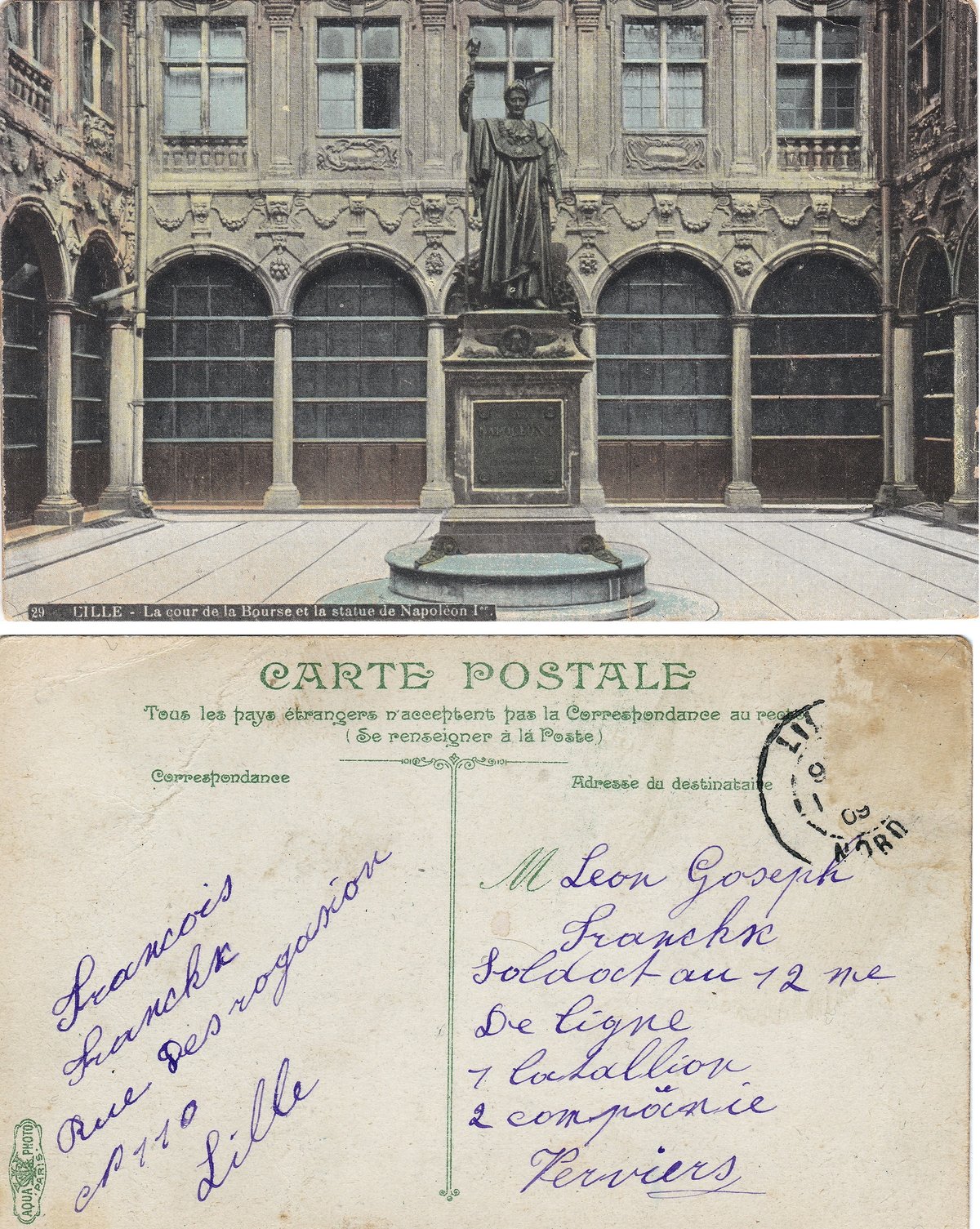
Historical postcard of Lille, France showing La cour de la bourse de commerce and the statue of Napoleon 1er in 1909 in the Nord department.
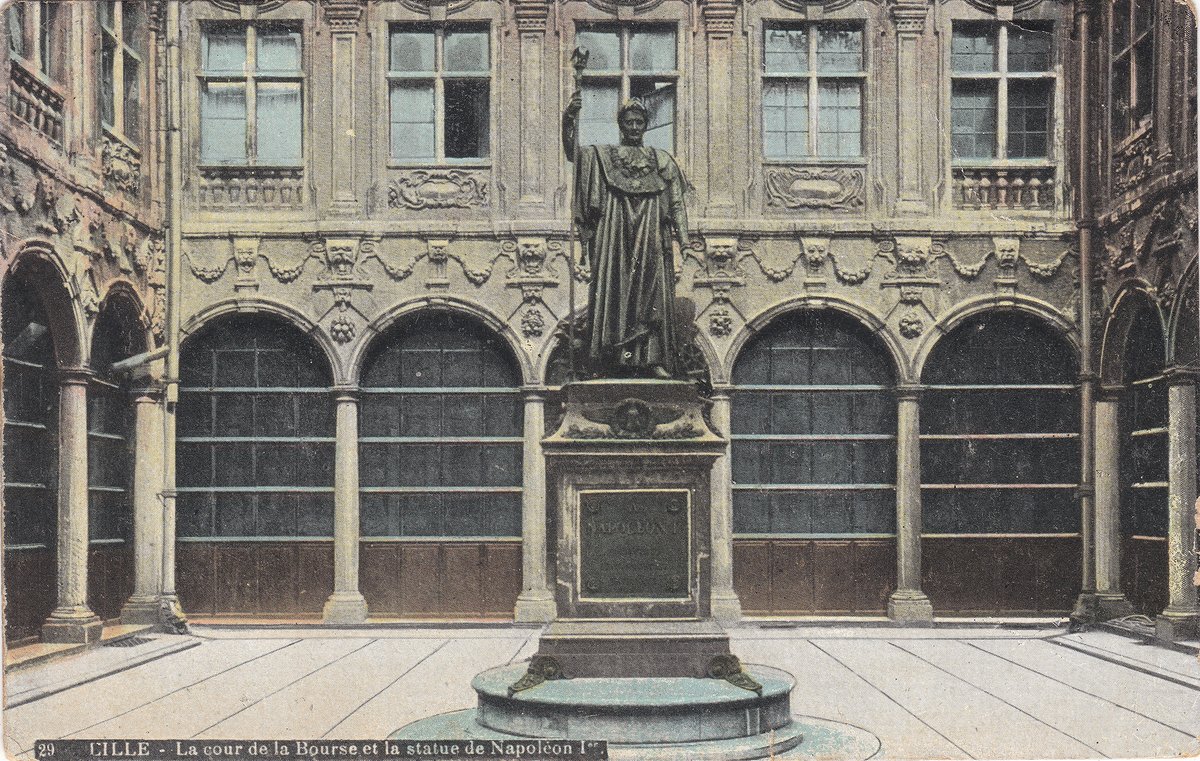
Vintage postcard from 1909 depicting the courtyard of the Old Stock Exchange of Lille, France, featuring the statue of Napoleon I, representing historical architecture and heritage of Lille in the Nord department.
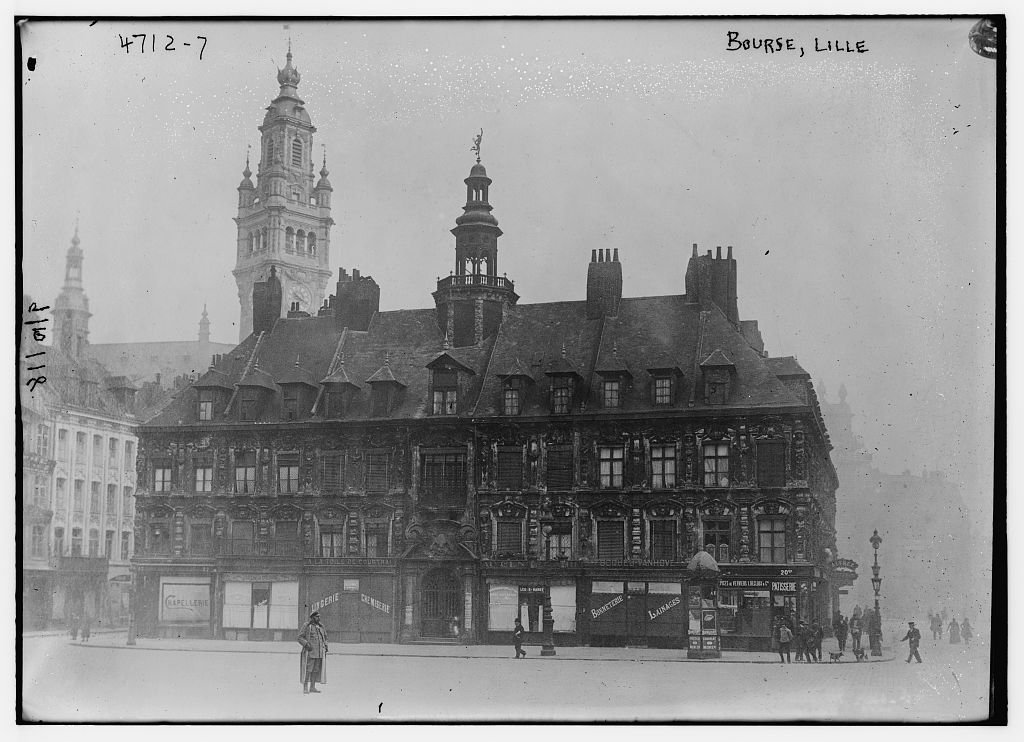
Black and white glass negative image of the Bourse building in Lille, France, from the George Grantham Bain Collection, dated between 1915 and 1920, housed at the Library of Congress. No known publication restrictions.
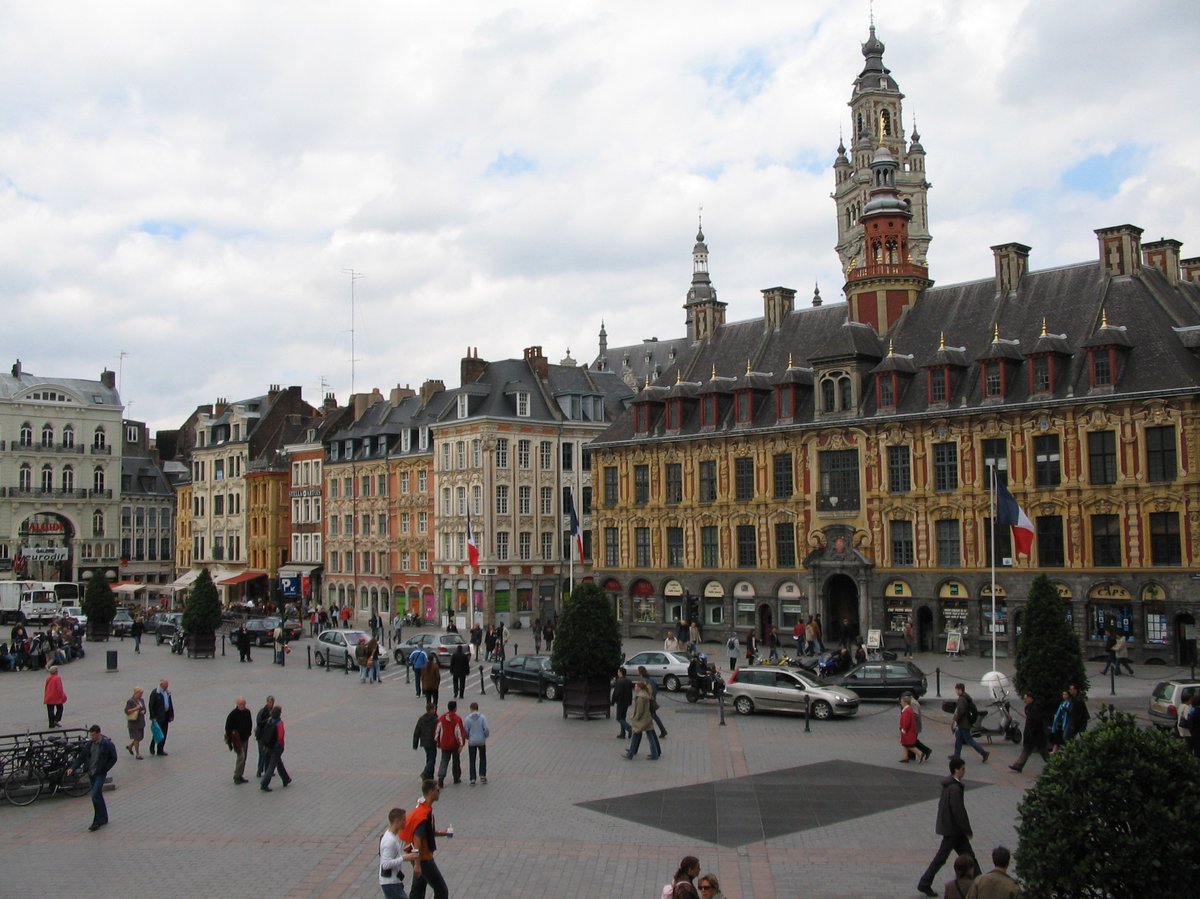
View of Vieille Bourse and the Belfry of the Chamber of Commerce from Grand Place in Lille, Nord region, showcasing historic architecture
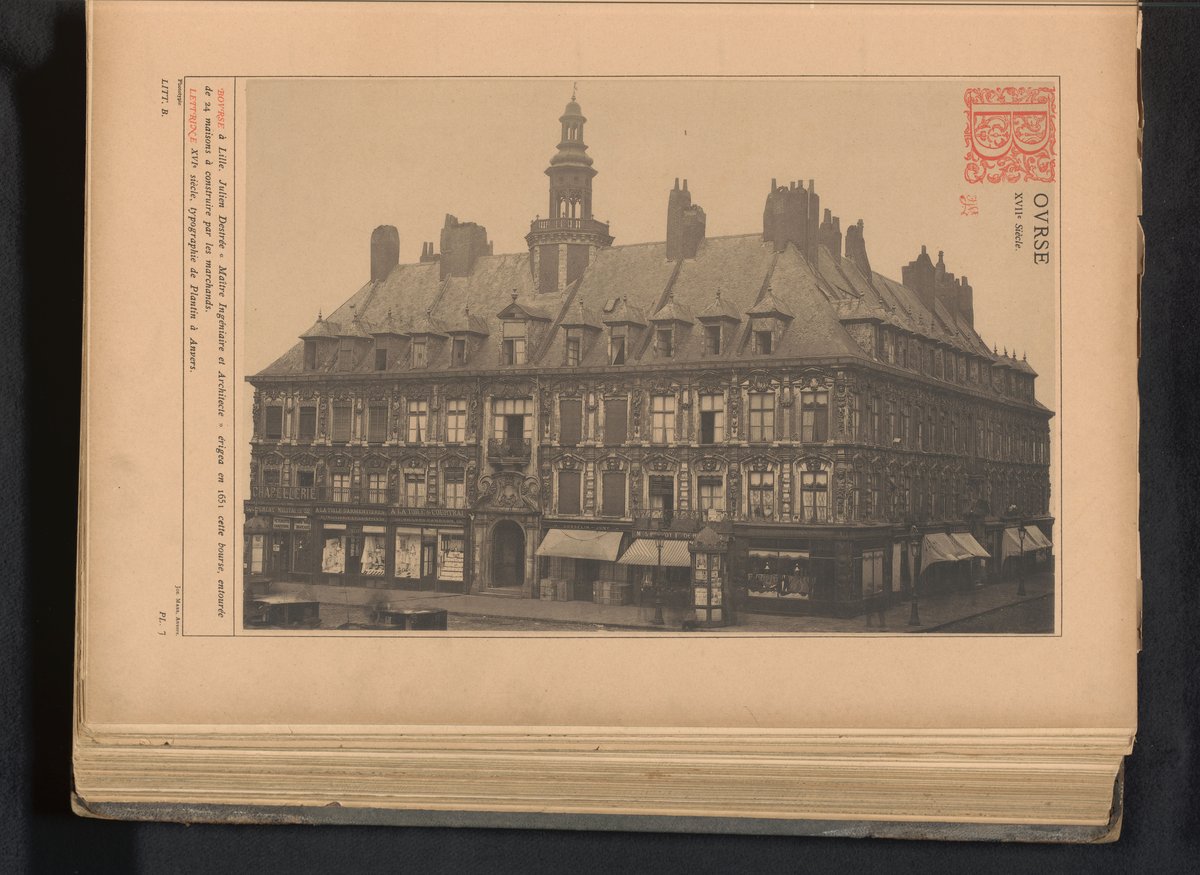
Photomechanical print of the Lille Stock Exchange (Bourse) from the 17th century, created around 1875-1880, featuring detailed architectural view. Produced by anonymous photographer and possible Joseph Maes after design by Christoffel Plantijn. Printed on paper using heliogravure and photolithograph
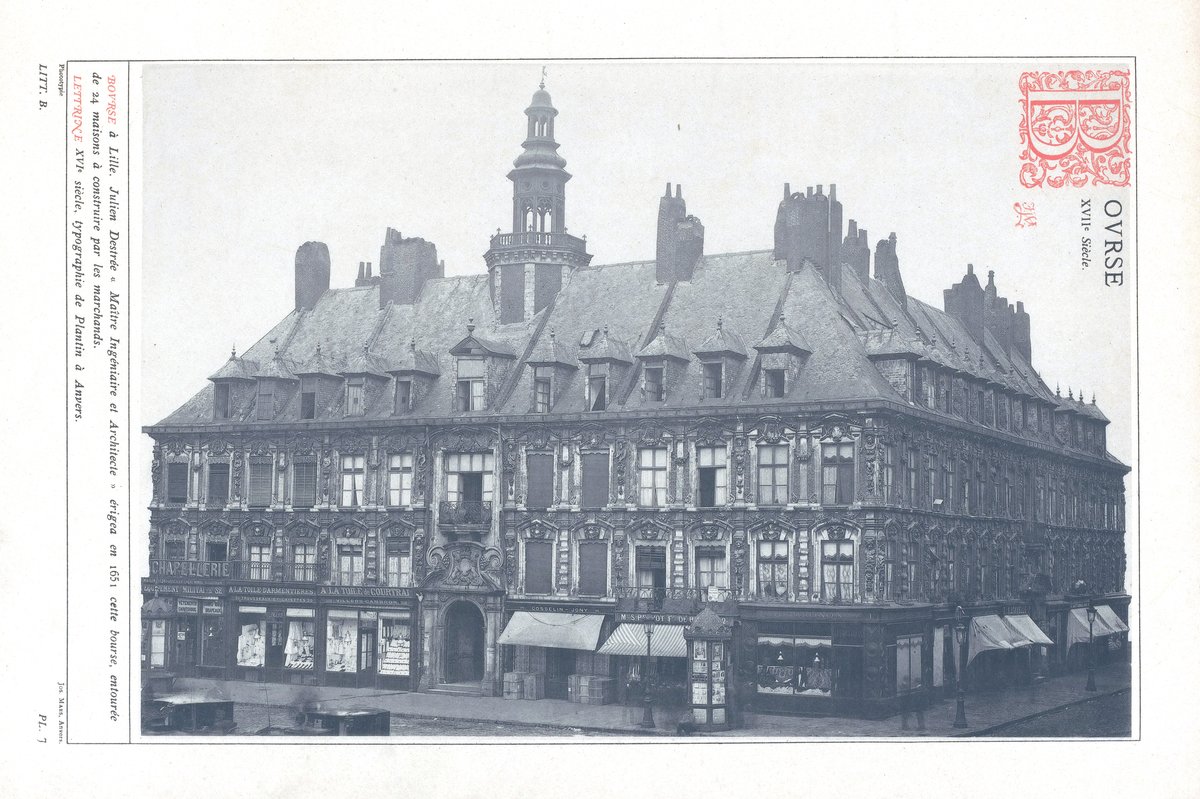
Photomechanical print showing the 17th century Stock Exchange (Bourse) building in Lille, France, originally designed by Christoffel Plantin. Created circa 1875-1880, this historic image features inscriptions and monogram related to its makers, highlighting its cultural and architectural significanc
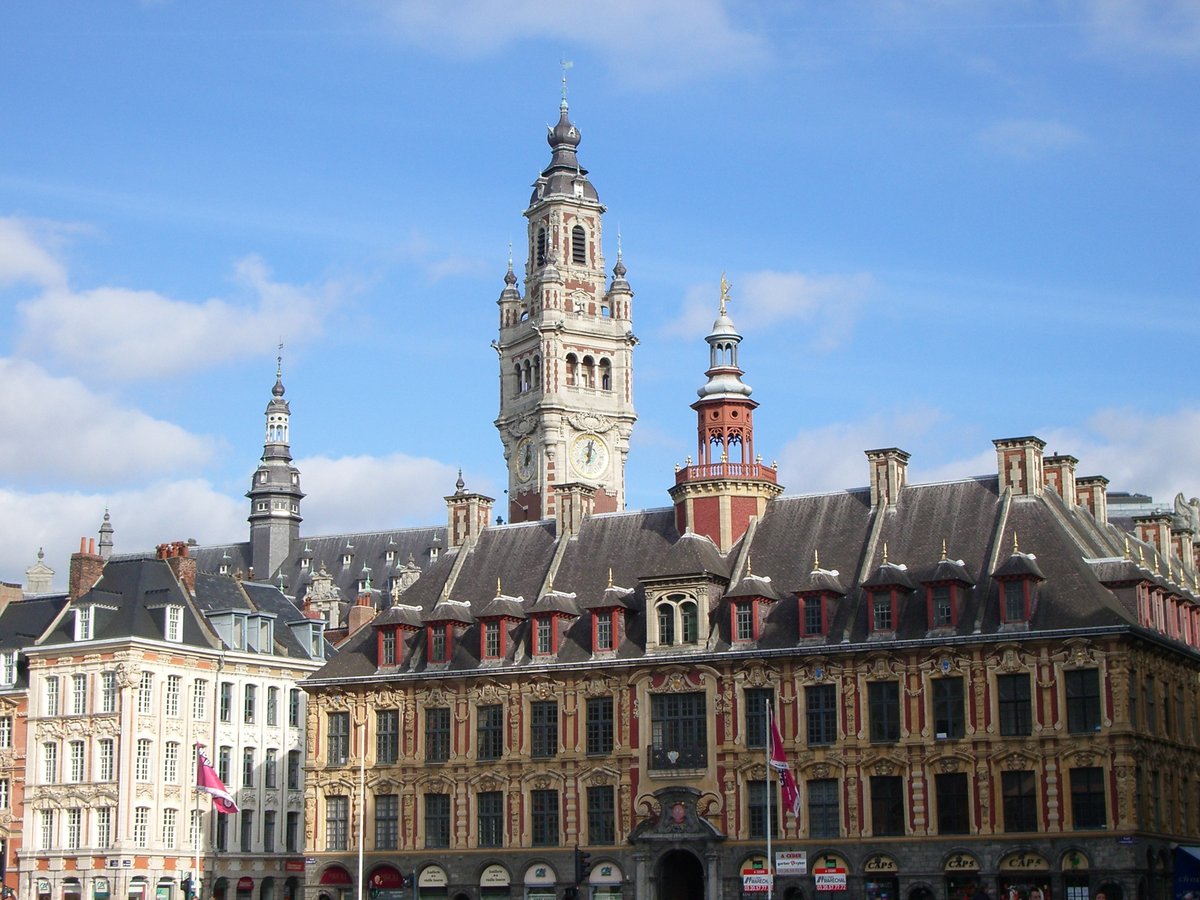
Historic old exchange building and spacious Grande Place square in Lille, Nord region of France, showcasing classic European architecture.
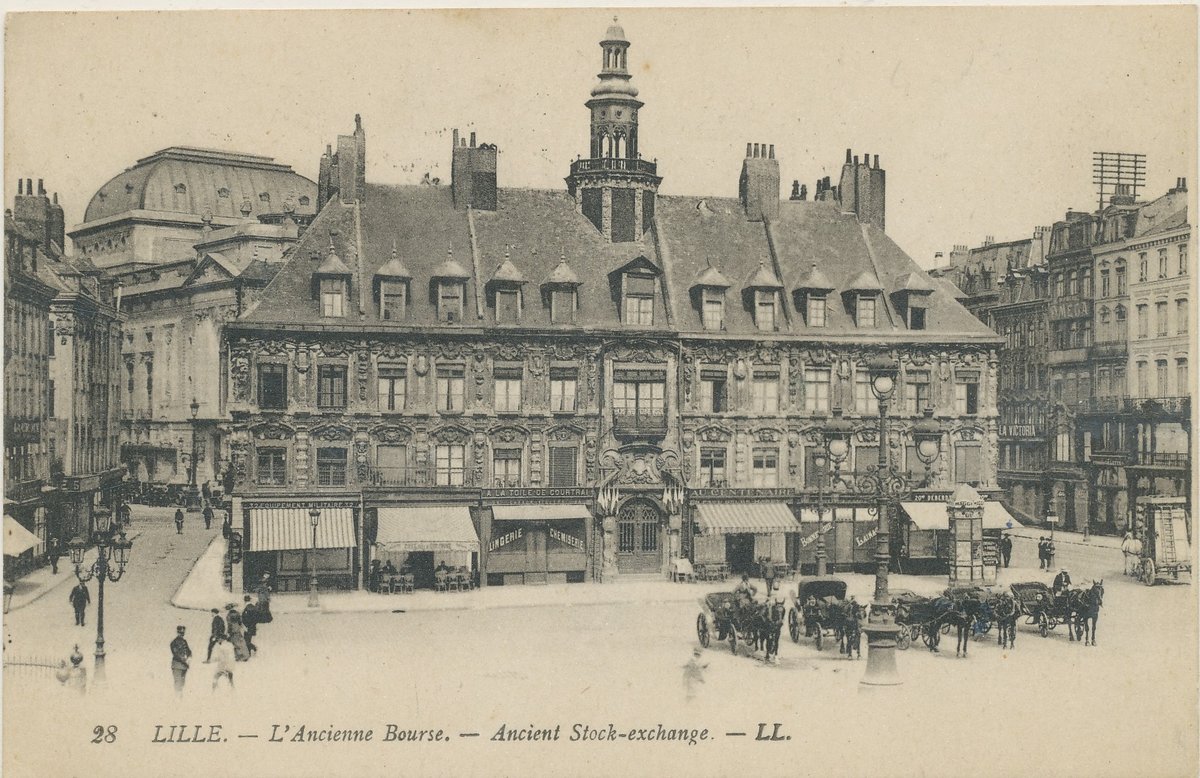
Historic Ancient Stock-exchange building located in the main square of Lille, showcasing classic architecture.

Vintage postcard showing Lille's Grand Place with notable landmarks like the Vieille Bourse on the right, the Colonne de la Déesse in the center, and the Grande Garde, now Théâtre du Nord, on the right. The scene includes a TELB Type 500 tram on route H from Lille Gare to Haubourdin-Hospice, horse-d
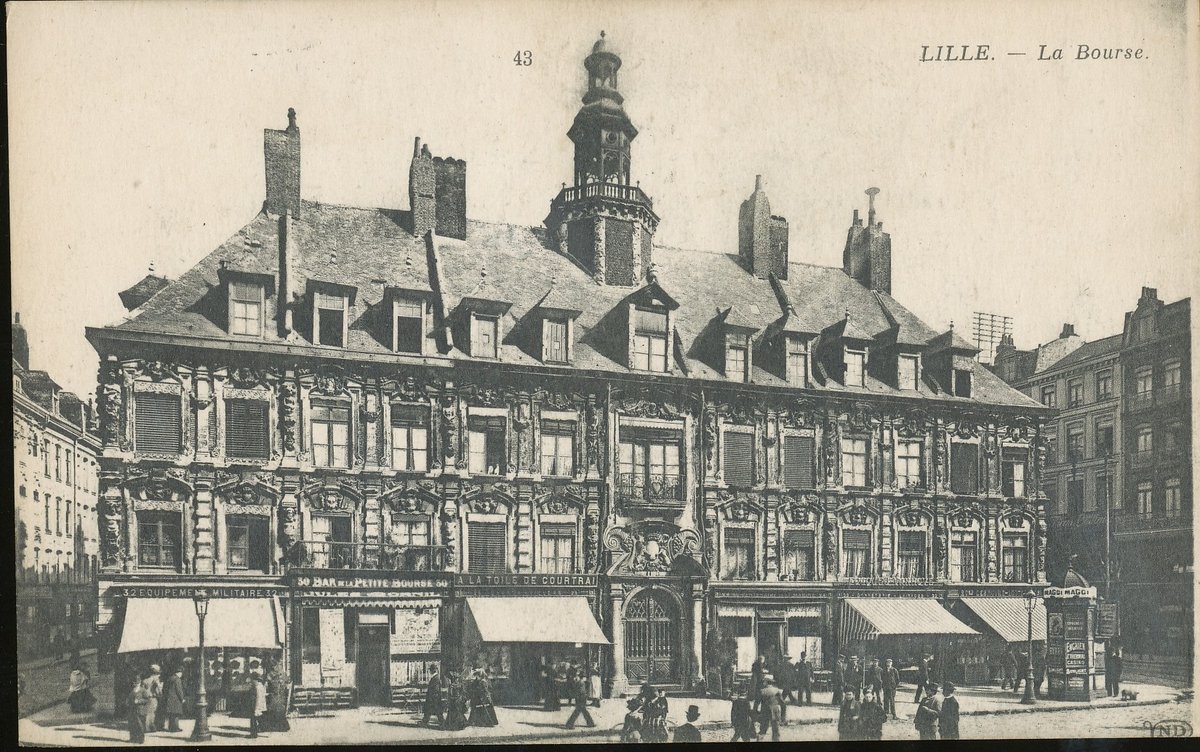
La Bourse in Lille, a historic and architecturally ornate building known for its detailed sculptures and elegant decorations in the city of Lille
History of La Vieille Bourse
Origins and Construction
La Vieille Bourse, constructed between 1652 and 1653, was commissioned by the Chamber of Commerce to serve as a hub for merchants and traders. Designed by Flemish architect Julien Destrée, the building showcases the Renaissance style prevalent in the region. It consists of 24 identical houses arranged in a quadrangle around a central courtyard, each featuring ornate facades adorned with intricate sculptures and decorative elements.
Architectural Significance
La Vieille Bourse is a prime example of Flemish Renaissance architecture, characterized by elaborate ornamentation and harmonious proportions. The facades are richly decorated with garlands, cherubs, and mythological figures. The use of red brick and white stone creates a striking contrast, while the high gabled roofs and dormer windows add to the building's picturesque appearance. The central courtyard, accessible through four arched entrances, serves as a vibrant space for book markets, chess games, and cultural events.
Historical Role
Initially serving as a meeting place for merchants and traders, La Vieille Bourse facilitated commercial transactions and fostered economic growth. Its central location in Lille made it a focal point for business activities, attracting traders from across Europe. The building has witnessed numerous historical events, including the French Revolution and the two World Wars.
Preservation and Restoration
La Vieille Bourse has undergone several restoration projects to preserve its architectural integrity and historical significance. In the 19th century, architect Charles Benvignat supervised restoration efforts to maintain its original appearance while addressing structural issues. Recent restoration efforts in the 20th and 21st centuries have included cleaning and repairing facades, restoring decorative elements, and installing modern amenities.
Cultural Impact
La Vieille Bourse is not only a historical monument but also a cultural hub. The building hosts a variety of events, including book fairs, antique markets, and art exhibitions, attracting both locals and tourists. The central courtyard is a popular gathering place for chess games and second-hand book stalls. The venue also hosts cultural festivals and performances, contributing to Lille's vibrant cultural scene.
Modern-Day Relevance
Today, La Vieille Bourse remains a symbol of Lille's rich history and cultural heritage. It is a must-visit destination for tourists, offering a glimpse into the city's past and a vibrant space for contemporary cultural activities. The building's central location near the Grand Place and other major attractions makes it easily accessible. Guided tours provide insights into the history and architecture of La Vieille Bourse, while various events and markets in the courtyard offer a unique experience.
Visitor Tips
For those planning to visit La Vieille Bourse, here are some practical tips to enhance your experience:
- Opening Hours: Generally open from 10:00 AM to 7:00 PM, but check the official website for changes in opening hours or special events.
- Guided Tours: Available in multiple languages and can be booked in advance. These tours offer in-depth knowledge about the history and architecture.
- Ticket Prices: While general entry is free, some special events may require a ticket. Prices can vary, so it’s best to check online before your visit.
- Events and Markets: Check the schedule for events and markets in the central courtyard to experience local culture and interact with vendors and artists.
- Accessibility: The building is accessible to visitors with disabilities, with ramps and elevators available for easy access.
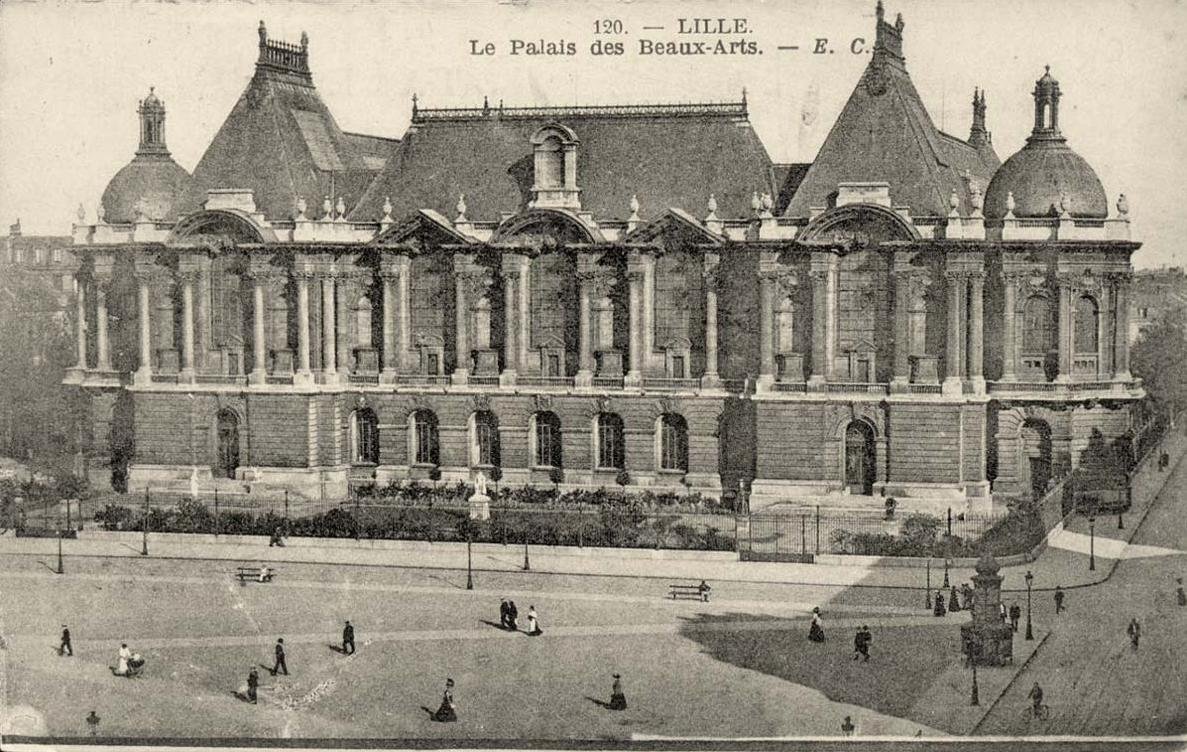
- Nearby Attractions: Combine your visit with a tour of nearby attractions like the Grand Place, Palais des Beaux-Arts, and Lille Cathedral.
- Photographic Spots: The ornate facades and central courtyard offer excellent photography opportunities, especially during events.
FAQ
What are the visiting hours of La Vieille Bourse? La Vieille Bourse is generally open from 10:00 AM to 7:00 PM. However, it’s advisable to check the official website for any changes.
Are there guided tours available? Yes, guided tours are available in multiple languages and can be booked in advance.
Do I need a ticket to enter La Vieille Bourse? General entry is free, but some special events may require a ticket. Check online for specific event details.
Is La Vieille Bourse accessible to visitors with disabilities? Yes, the building is equipped with ramps and elevators for easy access.
Listen to the full story in the app
Your Personal Curator, in Your Pocket.
Audio guides for 1,100+ cities across 96 countries. History, stories, and local insight — offline ready.
Audiala App
Available on iOS & Android
Join 50k+ Curators
Sources
- verified
- verified
- verified
- verified
Last reviewed: