Plan and listen to Collégiale Saint-Pierre De Lille with Audiala.
Audio guide in your pocket, itinerary in your browser. Built for the way you actually visit.
Introduction
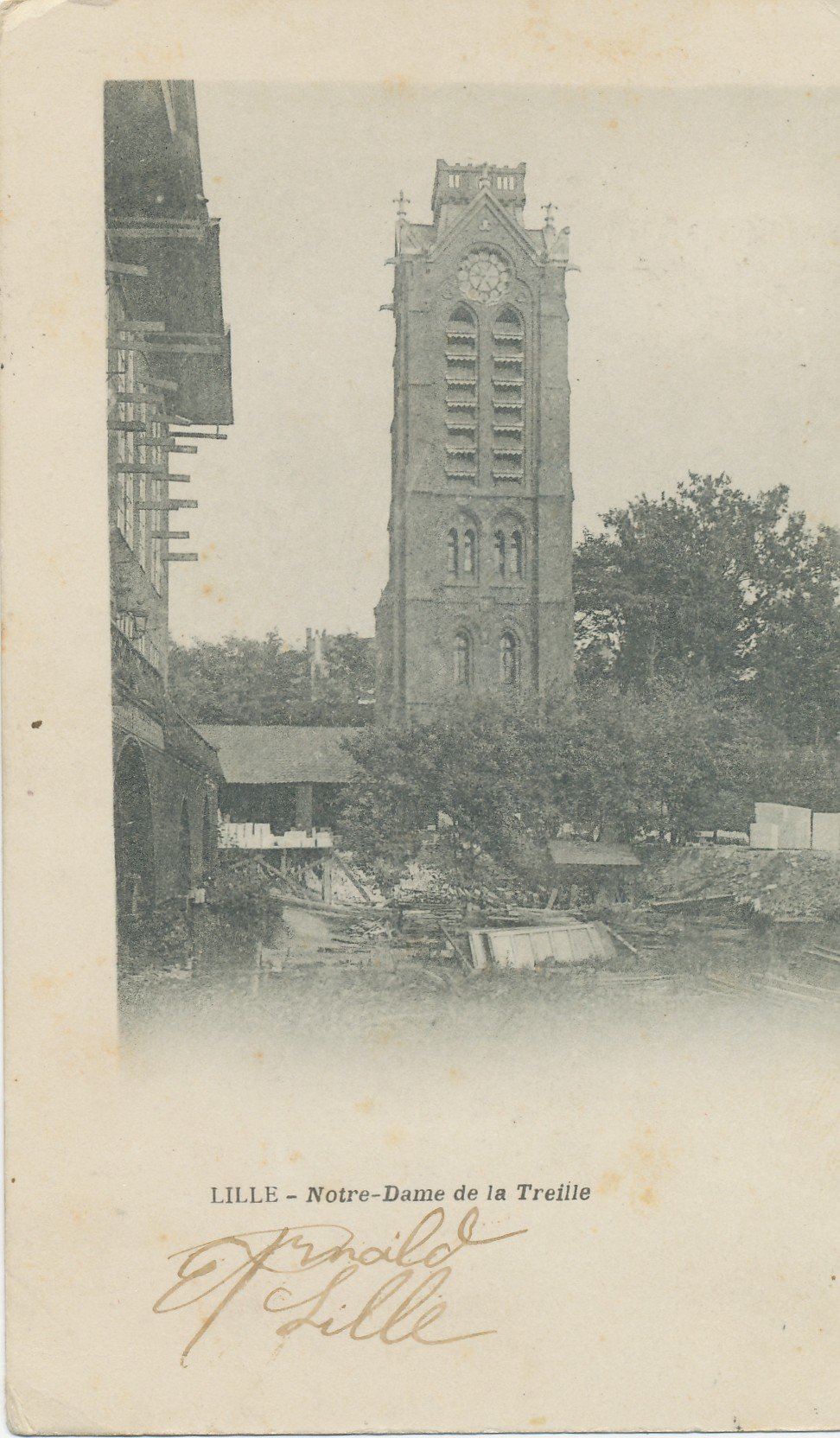
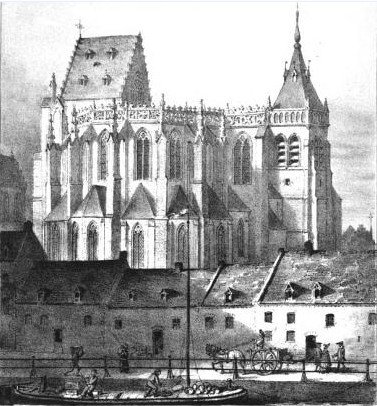
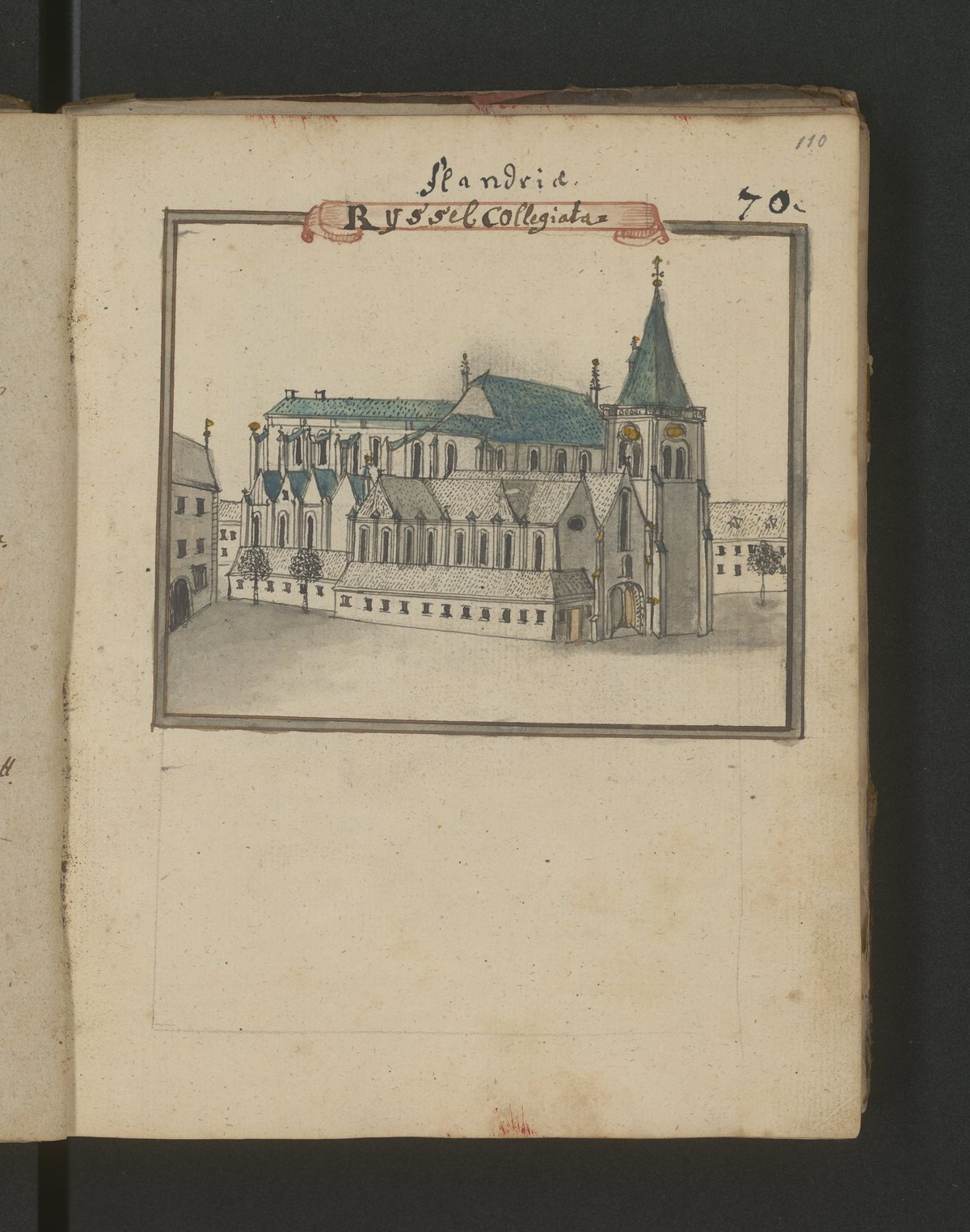
Situated in the historic heart of Lille, France, the Collégiale Saint-Pierre de Lille is a powerful symbol of the city’s medieval and religious heritage. Established around 1055 and first documented in a 1066 charter by Baudouin V, Count of Flanders, the Collégiale was central to Lille’s spiritual, civic, and cultural life for centuries. Although the original Romanesque and later Gothic church was demolished in 1794 during the French Revolution, its enduring legacy is still present in Lille’s urban landscape and memory (Visiting Collégiale Saint-Pierre de Lille: History, Tickets, and Travel Tips, Explore Lille’s Historic Collégiale Saint-Pierre: Visiting Hours, Tickets & Visitor Guide, Visiting the Collégiale Saint-Pierre de Lille: Hours, Tickets & Historical Insights). Today, visitors can connect with this storied past through the neo-Gothic Cathédrale Notre-Dame-de-la-Treille, the surviving crypt beneath the Palais de Justice, and artifacts preserved in local museums.
This comprehensive guide details the Collégiale’s historical significance, how to visit its vestiges, practical information such as hours and tickets, accessibility, and insider tips. Whether you are interested in medieval architecture, religious history, or Lille’s cultural evolution, this resource will help you discover and experience the lasting legacy of one of the city’s most important medieval monuments.

Historical Background and Architectural Evolution
Early Foundations and Romanesque Beginnings
Founded around 1055, the Collégiale Saint-Pierre was integral to Lille’s earliest development. Its consecration in 1065, and mention in a foundational charter in 1066, marked the emergence of Lille as a city. The original Romanesque structure, with thick walls and rounded arches, reflected both religious function and defensive necessity.
Gothic Expansion and Baroque Modifications
Through the 12th and 13th centuries, the church adopted Gothic elements such as pointed arches and ribbed vaults, enhancing its spatial and visual impact. The 17th and 18th centuries saw Baroque influences in its decoration, signaling the institution’s prosperity and evolving artistic tastes.
Civic and Cultural Role
The Collégiale Saint-Pierre was Lille’s leading religious institution, overseeing all city parishes and safeguarding the statue of Notre-Dame-de-la-Treille—a symbol of civic identity and protection. The church’s chapter maintained extensive manuscripts and archives, and its economic power derived from considerable landholdings. It also served as an educational and charitable hub, hosting a choir school and providing for the needy.
Decline, Destruction, and Legacy
The late 18th-century political turmoil, notably the Austrian siege and the French Revolution, led to the church’s damage, confiscation, and ultimately its sale and demolition in 1794. Stones from the structure were reused throughout Lille. The neo-Gothic Cathédrale Notre-Dame-de-la-Treille, constructed in the 19th century, now continues the Collégiale’s spiritual heritage.
Visiting Information
Opening Hours and Tickets
- Notre-Dame-de-la-Treille Cathedral (spiritual successor): Open daily, 9:00 AM – 6:00 PM. Free entry, donations welcome.
- Collégiale Crypt: Open to the public primarily during the annual European Heritage Days (Journées du Patrimoine) in September. Admission is free during these events, but booking is recommended as capacity is limited.
- Vestiges: The remaining archaeological site is visible from the street year-round; no ticket required.
Guided Tours and Special Events
- Guided Tours: Available through the Lille Tourism Office, often including the Collégiale’s crypt, Notre-Dame-de-la-Treille, and other historic sites. Advance booking is advised.
- Heritage Days: In September, special tours and events give rare access to the crypt and other areas not usually open to the public.
Accessibility and Travel Tips
- Accessibility: Notre-Dame-de-la-Treille and city museums are wheelchair accessible. The crypt is accessed by stairs and may not be suitable for all visitors. Street-level vestiges are generally accessible.
- Getting There: The site is centrally located, with nearby metro stops and public parking. Lille Flandres and Lille Europe train stations are a 15-minute walk away.
- Nearby Attractions: Explore the Old Lille district, Palais des Beaux-Arts, Grand Place, and Citadelle de Lille for a comprehensive cultural experience.
Photography and Best Viewing Spots
- The neo-Gothic cathedral’s façade and stained-glass windows provide excellent photo opportunities.
- Early morning and late afternoon are ideal for capturing the textures of the crypt and street-level vestiges.
Vestiges of the Collégiale Saint-Pierre
Rediscovery and Preservation of the Crypt
In 1963, construction workers discovered the original 11th-century crypt beneath the Palais de Justice. Following campaigns by heritage organizations, the crypt was designated a Monument Historique in 1971 (Visiting the Collégiale Saint-Pierre de Lille: Hours, Tickets & Historical Insights). The crypt features Romanesque stonework and rounded arches, and was historically used for burials and relics.
Surviving Elements and Artifacts
- Cloister Arches and Cellar: Two arches and a cellar from the original complex survive on private property at Place du Concert and are not generally open to the public.
- Dispersed Artifacts: Artworks, liturgical items, and tombstones were relocated before or during demolition. Some are now preserved in local museums and churches.
Archaeological Investigations
Excavations in the 20th century uncovered tombs and foundations, contributing valuable information about the site’s evolution and its place in Lille’s urban development.
Nearby Attractions
- Notre-Dame-de-la-Treille Cathedral: Neo-Gothic church continuing the Collégiale’s traditions.
- Grand Place (Place du Général-de-Gaulle): Lively city square with cafés and historic buildings.
- Vieux-Lille (Old Lille): Cobbled streets, boutiques, and bistros.
- Palais des Beaux-Arts: Major French art museum.
- Citadelle de Lille: 17th-century military fortress by Vauban.
Frequently Asked Questions (FAQ)
Q: Can I visit the original Collégiale Saint-Pierre?
A: The original church no longer exists; visitors can explore its legacy at the crypt (open during Heritage Days), Notre-Dame-de-la-Treille Cathedral, and local museums.
Q: What are the visiting hours and ticket prices?
A: The crypt is open during Heritage Days (free, booking recommended). The cathedral is open daily, free of charge.
Q: Are guided tours available?
A: Yes, through the Lille Tourism Office; check schedules and book in advance.
Q: Is the site accessible for people with disabilities?
A: The cathedral and museums are accessible; the crypt may not be due to stairs.
Q: Is photography allowed?
A: Photography is generally allowed in outdoor vestiges and the cathedral. Always check for restrictions during special tours.
Plan Your Visit
Download the Audiala app and follow us on social media for audio guides, insider tips, and updates on Lille’s historical sites. Explore additional posts to enrich your journey and stay informed about upcoming events and tours.
Audiala2024
Listen to the full story in the app
The whole Collégiale Saint-Pierre De Lille,
told well.
Listen to sourced travel stories with local history and practical context — ready offline.
Verified, and shown.
Researched and written by the Audiala editorial team from historical records, architectural archives, and local expertise.
Built from cited sources · see the method · How we make our guides →