Historical Evolution of Bourg
Medieval Foundations
Bourg’s origins are deeply entwined with Lille’s rise as a fortified medieval settlement. By the 12th century, Bourg had become a bustling center for commerce, crafts, and religious life, featuring narrow, winding streets and timber-framed buildings. The area’s layout—with hidden courtyards and irregular alleys—still echoes its medieval past. Notably, the Hospice Comtesse, founded in 1237, played a pivotal role in the district’s social and charitable history (facts.net; e-a-a.com).
Renaissance and Flemish Influence
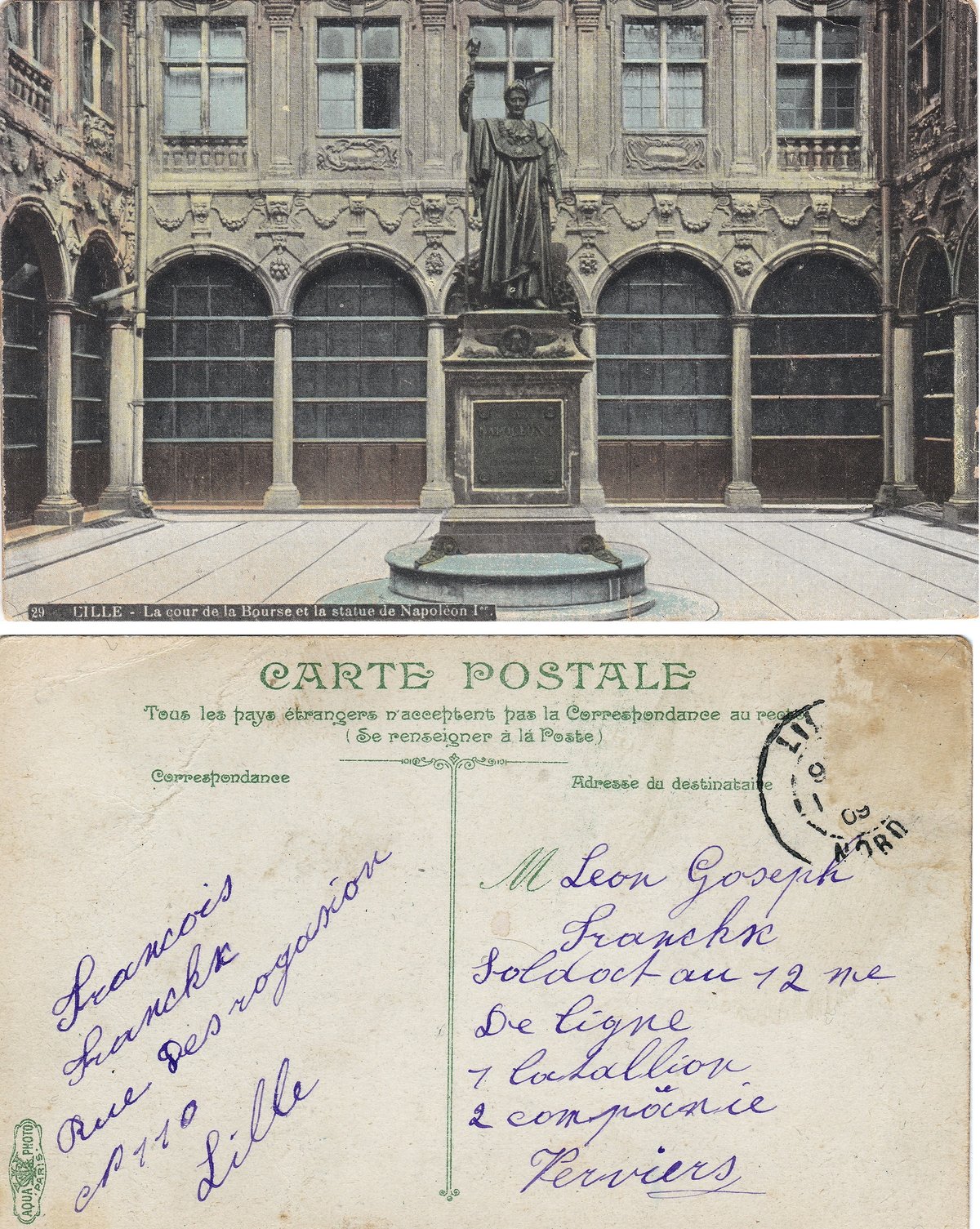
Lille’s proximity to Belgium fostered a strong Flemish influence in Bourg’s architecture and traditions. During the Renaissance, elegant townhouses and civic buildings adorned with ornate gables and decorative stonework emerged, culminating in the construction of the Vieille Bourse (1652–1653), a masterpiece of Flemish Renaissance design (wanderlog.com).
Industrialization and Urban Renewal
The 19th century ushered in rapid industrialization, expanding Bourg’s fabric with factories, warehouses, and modern infrastructure. Urban renewal projects introduced wider boulevards and new amenities, yet preserved the district’s historic landmarks (facts.net).
Wartime and Restoration
World War I brought hardship and damage, but postwar restoration prioritized the conservation of Bourg’s historic structures, blending tradition with contemporary needs (e-a-a.com).
Architectural Highlights & Key Landmarks
Bourg is a showcase of Lille’s architectural evolution, from medieval to neoclassical splendors. Notable sites include:
- Vieille Bourse (Old Stock Exchange) 24 identical houses encircling a lively courtyard, renowned for its Flemish Renaissance façade and hosting book markets and local chess games (wanderlog.com).
- Hospice Comtesse Museum A former hospital with elements from the 15th, 17th, and 18th centuries, now a museum of Lille’s art and social history (e-a-a.com).
- Église Saint-Maurice Gothic church with soaring nave and stained glass, emblematic of Bourg’s religious heritage (gpsmycity.com).
- Palais des Beaux-Arts Just outside Bourg, this neoclassical museum houses masterpieces by Monet, Rubens, and Van Gogh (e-a-a.com).
- Chambre de Commerce A neo-Flemish commercial landmark reflecting Lille’s turn-of-the-century prosperity.
- Notre-Dame-de-la-Treille Cathedral A neo-Gothic cathedral with a striking modern façade, open daily for visitors.
The district’s preservation efforts have earned Lille’s historic center recognition on the UNESCO World Heritage list (facts.net).
Cultural and Social Life in Bourg
Urban Ambiance
Bourg’s lively social fabric is defined by cobbled streets, colorful facades, and vibrant squares such as the Grand Place (Place du Général de Gaulle)—the city’s social epicenter, surrounded by iconic architecture and bustling terraces (Becoming Carmen).
Café Culture & Gastronomy
The district’s cafés and estaminets (Flemish taverns) are central to daily life. Sample local specialties like carbonnade flamande, moules-frites, and Gaufres de Lille at celebrated venues including Méert and La Capsule (Nomads Travel Guide).
Markets & Shopping
The nearby Wazemmes Market offers a multicultural food and crafts experience. Bourg’s boutiques, chocolatiers, and patisseries provide authentic gifts and culinary delights (Dabbling in Jetlag).
Arts, Museums, and Events
- Palais des Beaux-Arts Tue–Sun, 10:00 AM–6:00 PM, closed Mondays. €7 standard admission (official site).
- Hospice Comtesse Museum Tue–Sun, 10:00 AM–6:00 PM, closed Mondays. ~€5 entry; free for EU citizens under 26.
- Maison Folie Wazemmes Contemporary exhibitions and concerts in a converted mill (The Crazy Tourist).
Festivals & Nightlife
- Braderie de Lille Europe’s largest flea market (September), drawing millions (All Events in Lille).
- Christmas Market Grand Place, late November–December.
- Nuit Blanche All-night arts festival.
- Bastille Day July 14th celebrations.
- Nightlife Choices range from historic beer halls to modern bars and live music venues. The Lille Opera and Théâtre du Nord offer classical and performing arts (Dreaming in French Blog).
Green Spaces
Parks like Jean-Baptiste Lebas and Citadel Park offer tranquil escapes for outdoor activities (Nomads Travel Guide).
Visiting Hours, Tickets, and Accessibility
Landmark Hours & Ticketing
- Vieille Bourse Daily, 10:00 AM–6:00 PM; free entry.
- Hospice Comtesse Museum Tue–Sun, 10:00 AM–6:00 PM; closed Mondays; adults €7, reduced €4, free for under 18.
- Église Saint-Maurice Generally 9:00 AM–7:00 PM; free entry.
- Palais des Beaux-Arts Tue–Sun, 10:00 AM–6:00 PM; €7, free for under 26 EU residents (Palais des Beaux-Arts official site).
- Notre-Dame-de-la-Treille Cathedral Daily, 8:00 AM–7:00 PM; free entry.
- Maison Natale de Charles de Gaulle Wed–Sun, 10:00 AM–12:30 PM & 2:00 PM–6:00 PM; €5, free under 18.
Always confirm hours and ticket prices on official sites before visiting.
Accessibility
- Most public sites and museums are accessible; some historic buildings may have limited wheelchair access due to age and design.
- Public transport (metro, tram, bus) and bike rentals (V’Lille) facilitate easy exploration (facts.net).
Major Festivals & Annual Events
- Braderie de Lille First weekend of September; largest flea market in Europe.
- Lille 3000 Biennial cultural festival with city-wide exhibitions (Lille 3000 website).
- Christmas Market Late November–December, Grand Place.
- Fête de la Musique June 21st, city-wide free music.
- Tour de France Grand Départ July 5th, 2025; Lille hosts the opening stage.
Gastronomy Guide
Must-try Dishes:
- Moules-frites Mussels with fries—a highlight during Braderie de Lille.
- Carbonnade flamande Beef stew in beer.
- Potjevleesch Terrine of white meats in vinegar jelly.
- Gaufres de Lille Thin waffles.
- Tarte au sucre Sugar tart.
Notable Restaurants:
- Le Bloempot Michelin-starred, seasonal menus.
- Les Compagnons de la Grappe Traditional Flemish cuisine.
- La Capsule Craft beer.
- Divine Champagne Bar Stylish drinks.
- The Coffee Makers Specialty coffee.
Markets & Food Tours:
- Wazemmes Sunday Market Local produce and multicultural food.
- Lille Food Tours Guided tastings of regional specialties.
Practical Tips and FAQs
Getting Around: Walk, cycle, or use Lille’s metro/tram/bus network. V’Lille bikes at 223 stations.
Safety: Bourg is generally safe; be vigilant against pickpockets during crowded events (Dabbling in Jetlag).
Language: French is primary; English is spoken in tourist areas.
Accommodation: Book early during festivals. Options range from boutique hotels to budget hostels.
Etiquette: Dress casually chic; tipping is customary but not obligatory.
Frequently Asked Questions:
- Q What are the visiting hours for main monuments?
- A Typically 10:00 AM–6:00 PM. Check official sources for variations.
- Q Are guided tours available?
- A Yes, through the Lille Tourist Office.
- Q Is Bourg accessible for reduced mobility?
- A Most sites are, though some historic streets may pose challenges.
- Q When is the best time to visit?
- A Early September (Braderie de Lille) or late spring/early autumn.
- Q How to buy tickets?
- A Online, at sites, or via the tourist office.
Lille Metropolitan Tourist Office:
- Palais Rihour, Place Rihour, 59000 Lille
- Website
- Phone: +33 3 20 49 50 00
Emergency: Dial 112
Public Transport Info: RATP app