About Stade Jules Deschaseaux
Inaugurated in 1931 as Stade Municipal du Havre, this stadium quickly became a focal point for local and national sports. Its “stade à l’anglaise” layout, with stands pressed close to the pitch, provides an intimate spectator experience. From its early years as a football mecca to its current role as a venue for rugby, youth sports, and community events, Stade Jules Deschaseaux continues to anchor Le Havre’s vibrant athletic and cultural life (Wikimonde; Sport en France).
Architectural Design and Features
English-Influenced Stadium Layout
The stadium exemplifies the “stade à l’anglaise” style, with stands hugging the field to heighten the energy of live events. This proximity has contributed to a legendary matchday atmosphere, making every supporter feel part of the action (Petit Futé; Wikimonde).
Capacity and Seating
Originally accommodating up to 22,000 spectators, the stadium’s capacity was reduced to around 16,382 with modern seating upgrades in the 1990s. The color scheme—sky blue and navy blue seats spelling out “LE HAVRE” and “HAC”—reinforces club identity. The record attendance was 19,285 during a 1996 match between Le Havre and Marseille (Wikimonde; Petit Futé).
Reconstruction and Modernization
Bombed nearly to destruction during World War II, the stadium was rebuilt and reopened in 1951. Further renovations over the decades updated its facilities, but by the early 2000s, the stadium’s aging infrastructure led Le Havre AC to move to the newly built Stade Océane in 2012 (Wikimonde).
Spectator Experience
The compact design ensures all seats are close to the pitch. The Tribune Nord, or “Kop,” is particularly renowned for its vocal and passionate fans, creating one of France’s most vibrant supporter cultures (LiberoGuide).
Historical Highlights
- 1931 Opened as Stade Municipal du Havre, featuring innovative concrete stands.
- 1938 Hosted a FIFA World Cup round-of-16 match, Czechoslovakia vs. Netherlands (fr.wikipedia.org).
- 1944–1951 Severely damaged in WWII, rebuilt and reopened.
- 1957 Renamed after Jules Deschaseaux, a key local sports administrator.
- 1971–2012 Served as Le Havre AC's home, cultivating generations of football talent (Wikimonde).
- Post-2012 Now hosts rugby, community events, and youth sports, ensuring continued relevance (Sport en France).
Visiting Hours and Ticket Information
Visiting Hours
- Event Days Open to ticket holders during rugby matches, community events, and special occasions.
- Casual Visits Access is limited outside scheduled events. Check event calendars or contact the Le Havre Tourist Office for up-to-date information (Le Havre AC Official Website; Le Havre Tourism).
Ticketing
- Community Events Entry is typically free.
- Rugby and Other Sporting Events Tickets are available online or at the stadium; prices vary by event (Gralon).
Accessibility and Facilities
- Location Rue du Commandant-Abadie, 76600 Le Havre.
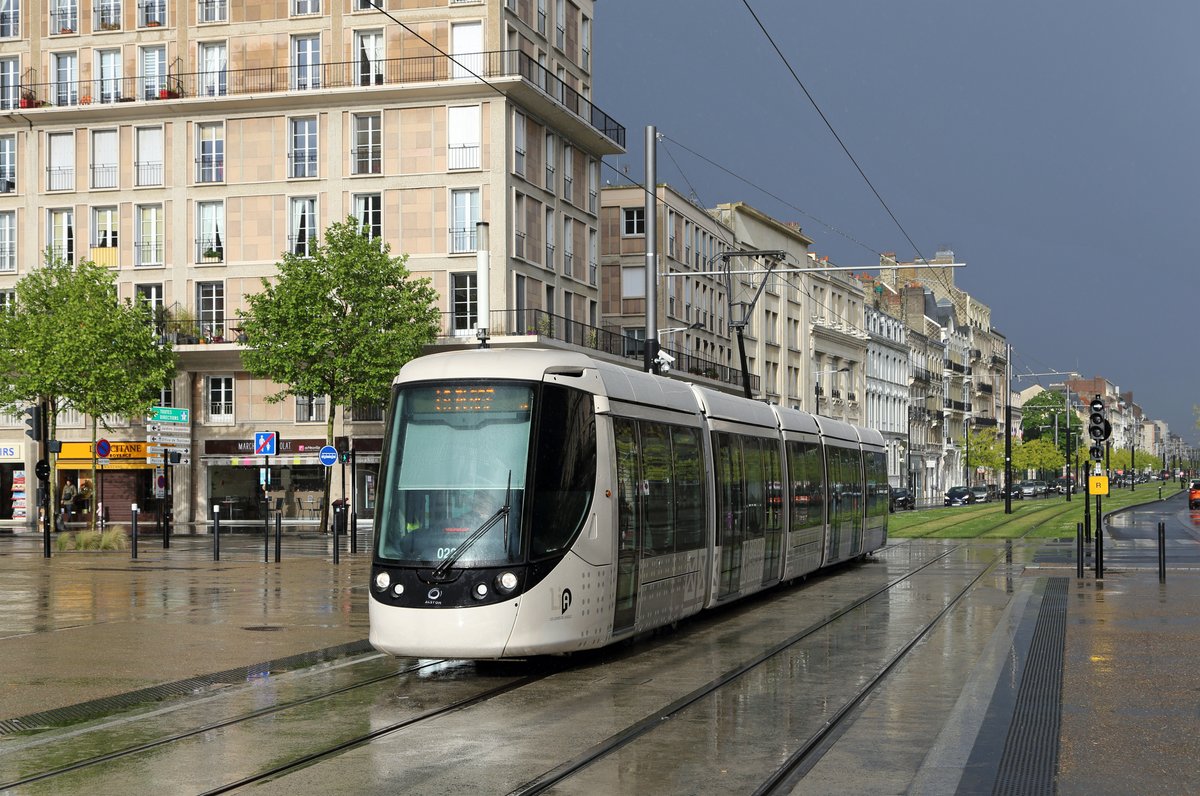
- Transport Accessible by buses 2, 4, 5, and 9; about a 10–15 minute walk from the main train station (Gralon).
- Parking Limited on-site; use public transport or city parking lots when possible.
- Accessibility Ramps and level entrances exist, but the stadium lacks elevators. Contact the stadium in advance for specific needs (Sport en France).
- Amenities Restrooms and basic concessions available during events.
Guided Tours and Photographic Spots
- Guided Tours Not regularly scheduled; inquire at the Le Havre Tourist Office for special arrangements.
- Photography The stands, field, and classic architectural details offer excellent photographic opportunities, especially during matches or community gatherings (TripHobo).
Sporting and Community Events
Although no longer hosting top-tier football, the stadium is lively with rugby matches, local football, athletics, and martial arts competitions. Community sports festivals and youth activities are also held regularly (Sport en France).
Nearby Attractions and Travel Tips
- UNESCO-listed City Center Explore post-war modernist architecture.
- MuMa (Musée d’art moderne André Malraux) Renowned art museum.
- St. Joseph’s Church Iconic post-war landmark.
- Le Havre Beach and Hanging Gardens Relax and enjoy panoramic city views.
- Dining Numerous cafés and bakeries are within easy reach.
Travel Tips:
- Visit during rugby season for live events.
- Mornings are generally quieter.
- Combine your visit with nearby attractions for a full-day experience (France-Voyage).
Visitor Experience and Atmosphere
The stadium’s design, with stands close to the action, produces a distinctive and electric atmosphere. The “Kop” section in the Tribune Nord is especially lively, but the whole venue is known for its welcoming, community-driven spirit (LiberoGuide). While modern amenities are limited, this only adds to the charm and authenticity for many visitors.
Frequently Asked Questions (FAQ)
Q: What are the visiting hours?
A: Hours depend on events; check official calendars or contact the Le Havre Tourist Office.
Q: How can I purchase tickets?
A: Tickets for events are available online and at the stadium on match days.
Q: Is the stadium accessible for visitors with disabilities?
A: There are ramps and level entrances, but facilities are limited; contact ahead for details.
Q: Are there guided tours?
A: Not regularly, but special tours may be offered for groups or during events.
Q: What’s the best way to get there?
A: Take public transport (buses 2, 4, 5, 9) or walk/cycle from the city center.
Practical Tips
- Weather Normandy can be rainy—bring appropriate gear if sitting in uncovered areas.
- Language Basic French is helpful, though some staff speak English.
- Security Standard bag checks on event days; keep belongings secure.
- Sustainability Opt for public transport or cycling to reduce your carbon footprint.