
Foundations and Early Development (16th–18th Centuries)
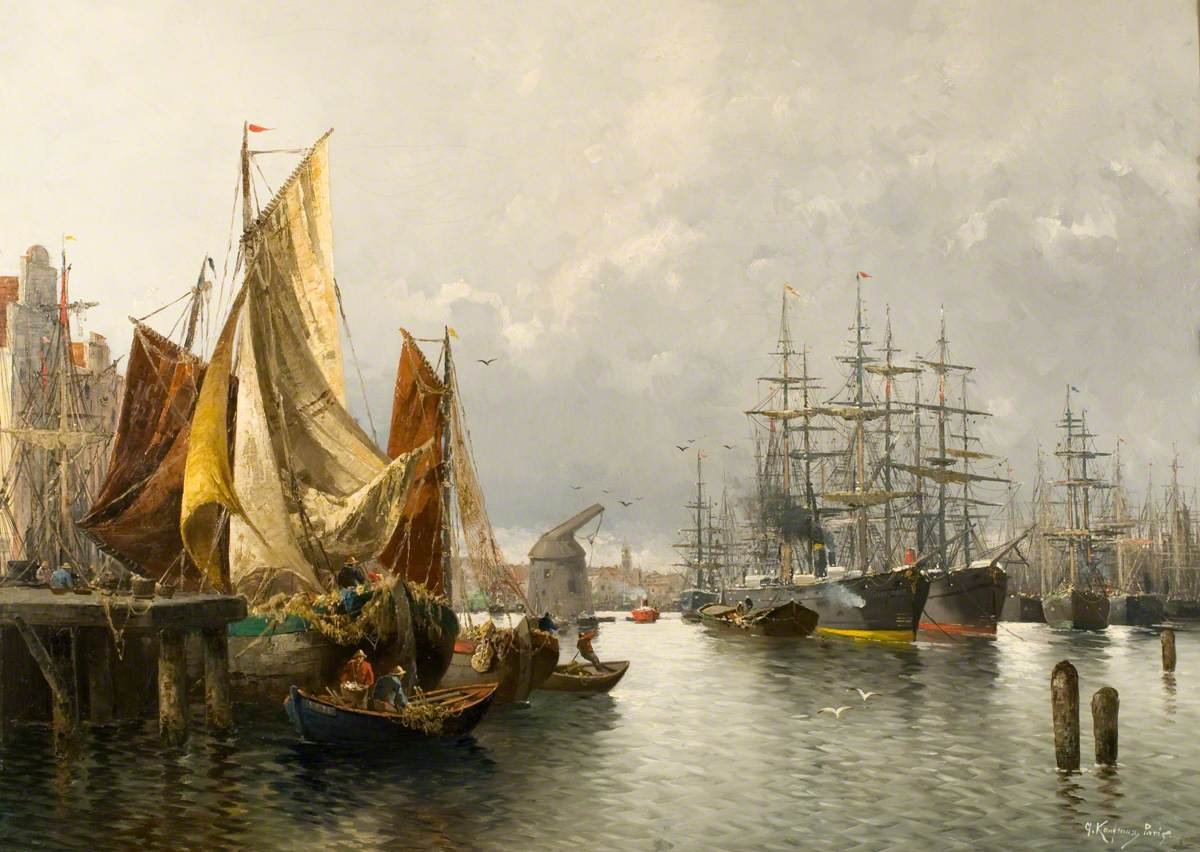
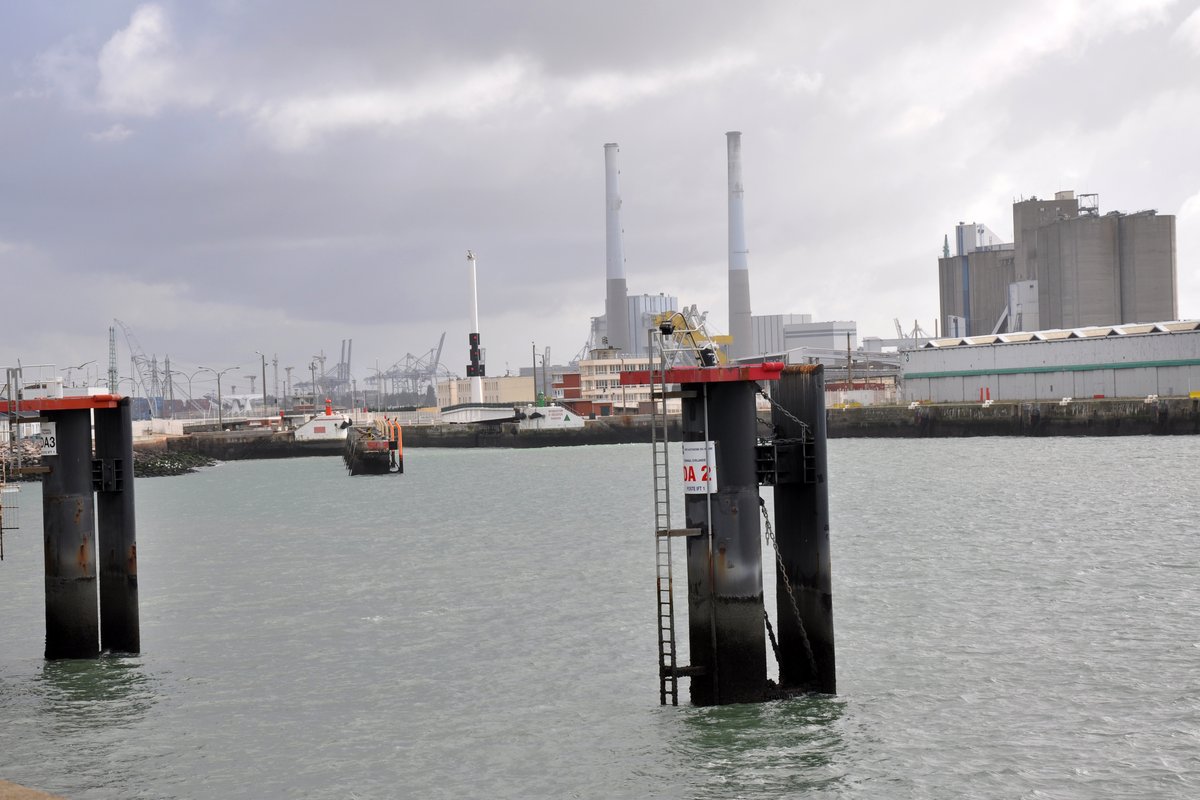
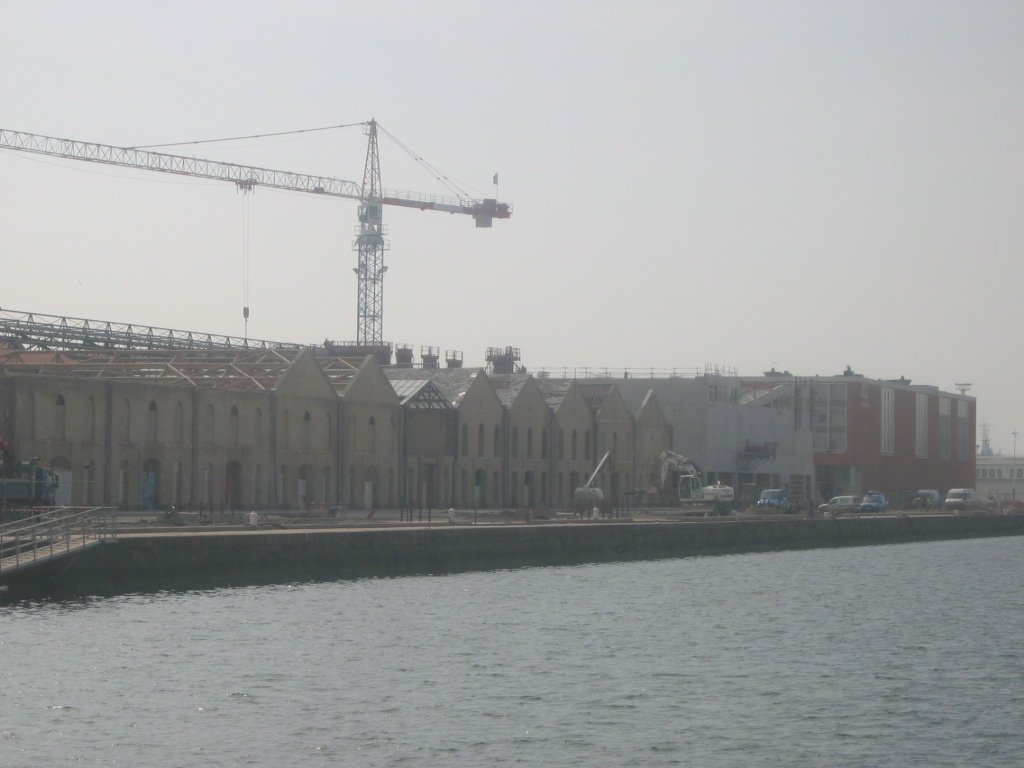
The Port of Le Havre was established in 1517 to address the silting of the Seine estuary and the need for a secure, modern harbor. Under King Francis I, the site was fortified and rapidly expanded, serving both military and commercial purposes (France Voyage; Tourist Secrets). By the 18th century, Le Havre had become a key node in France’s colonial and transatlantic trade, exporting and importing goods across Europe, Africa, and the Americas.
19th Century: Industrialization and Global Trade
The 19th century brought rapid modernization with the construction of new docks, warehouses, and railways. The Canal de Tancarville and Grand Canal du Havre connected the port to Paris, expanding its influence and transforming it into one of Europe’s busiest ports. Steamships replaced sailing vessels, and Le Havre became a major departure point for emigration and trade (Wikipedia; France Voyage).
20th Century: War, Destruction, and Rebirth
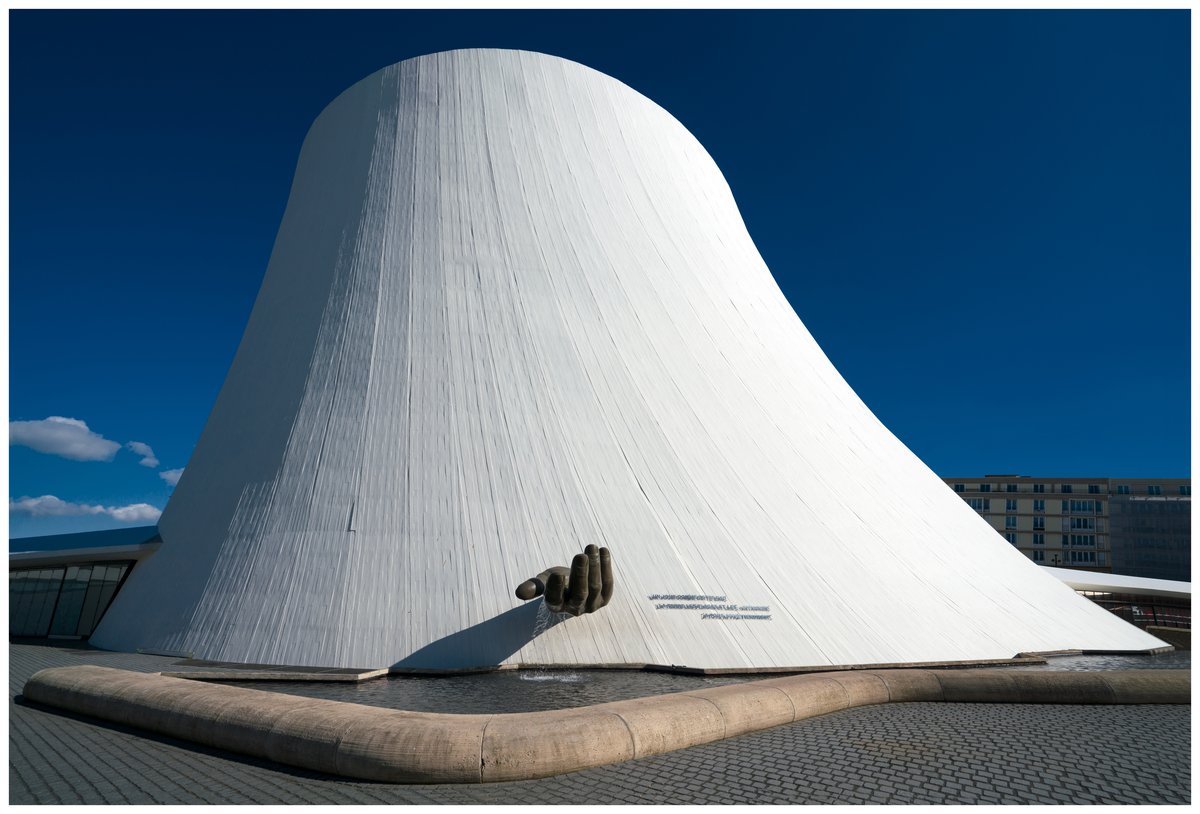
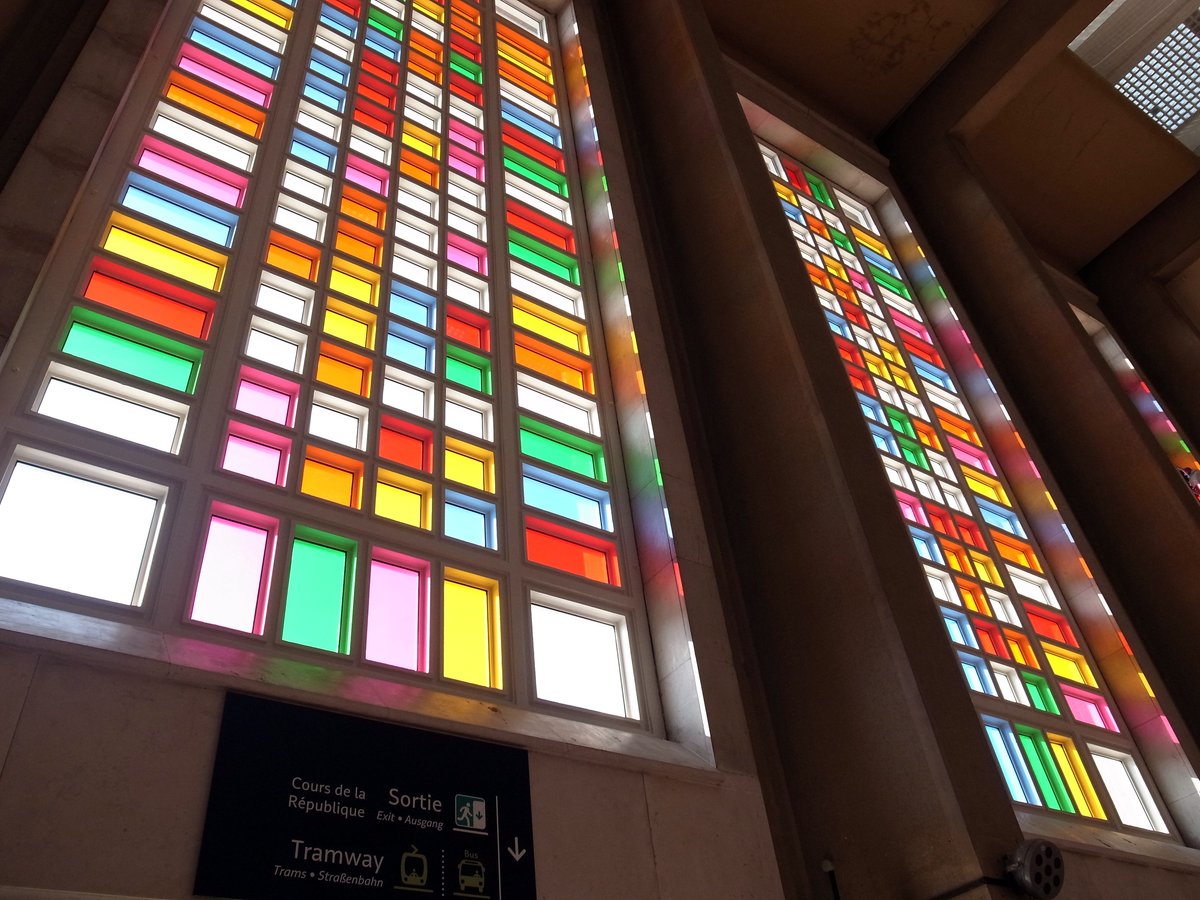
World War II deeply scarred Le Havre, with significant destruction from Allied bombings in 1944 (Tourist Secrets; Vexperio). After the war, architect Auguste Perret led a bold reconstruction using reinforced concrete, resulting in a modernist city center now recognized by UNESCO (France Voyage; Vexperio). The port’s infrastructure was rapidly restored, soon reclaiming its leading role in French and European maritime commerce.
Contemporary Significance and Infrastructure
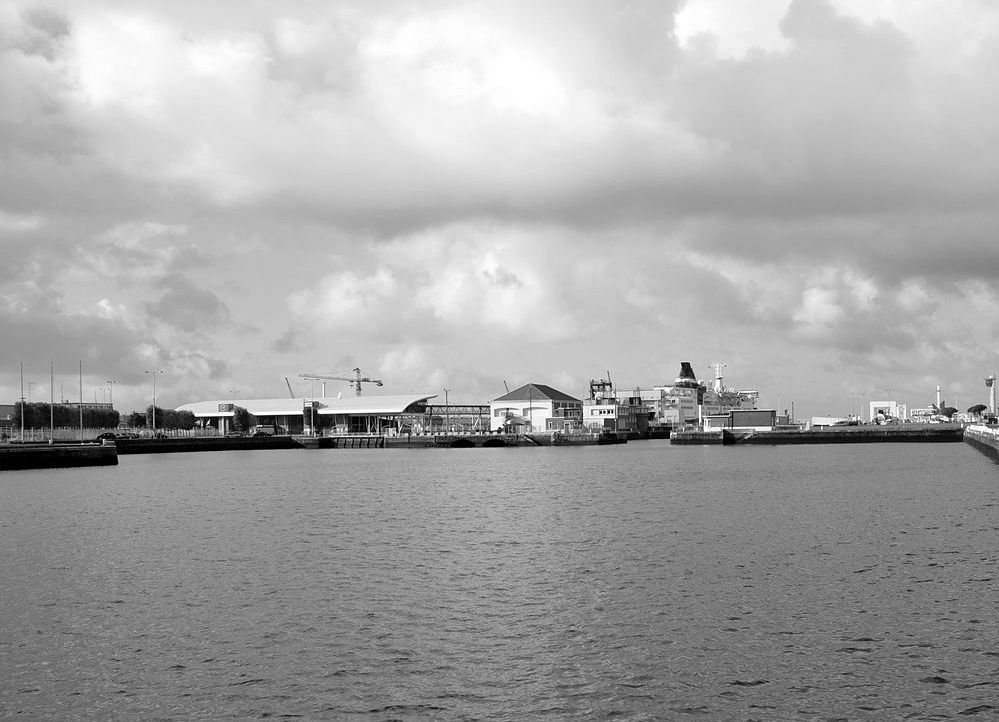
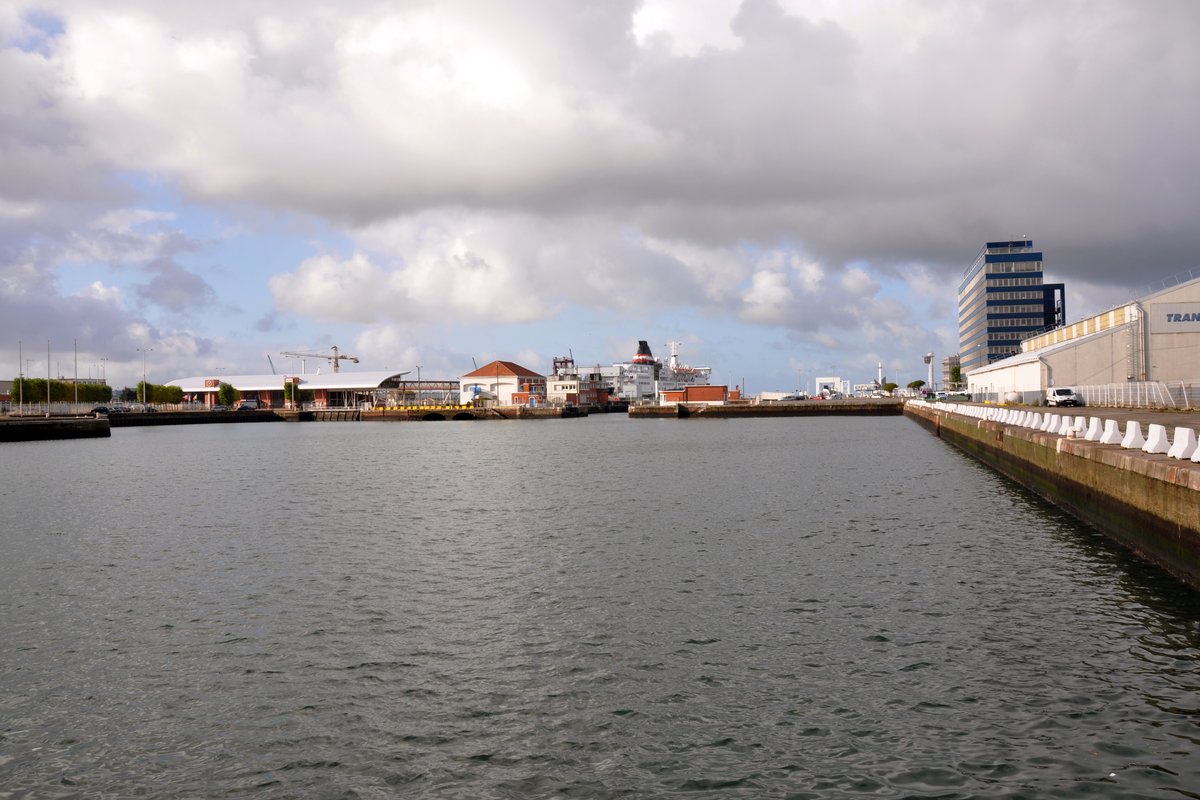
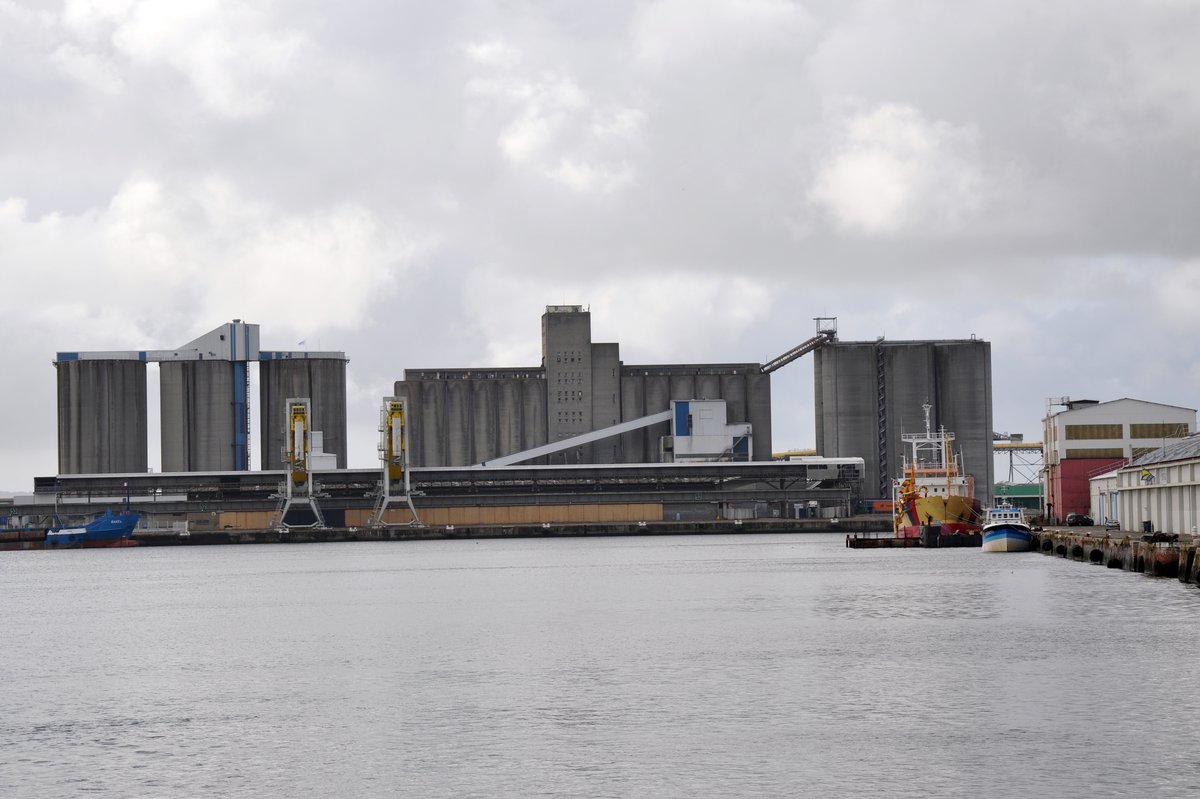
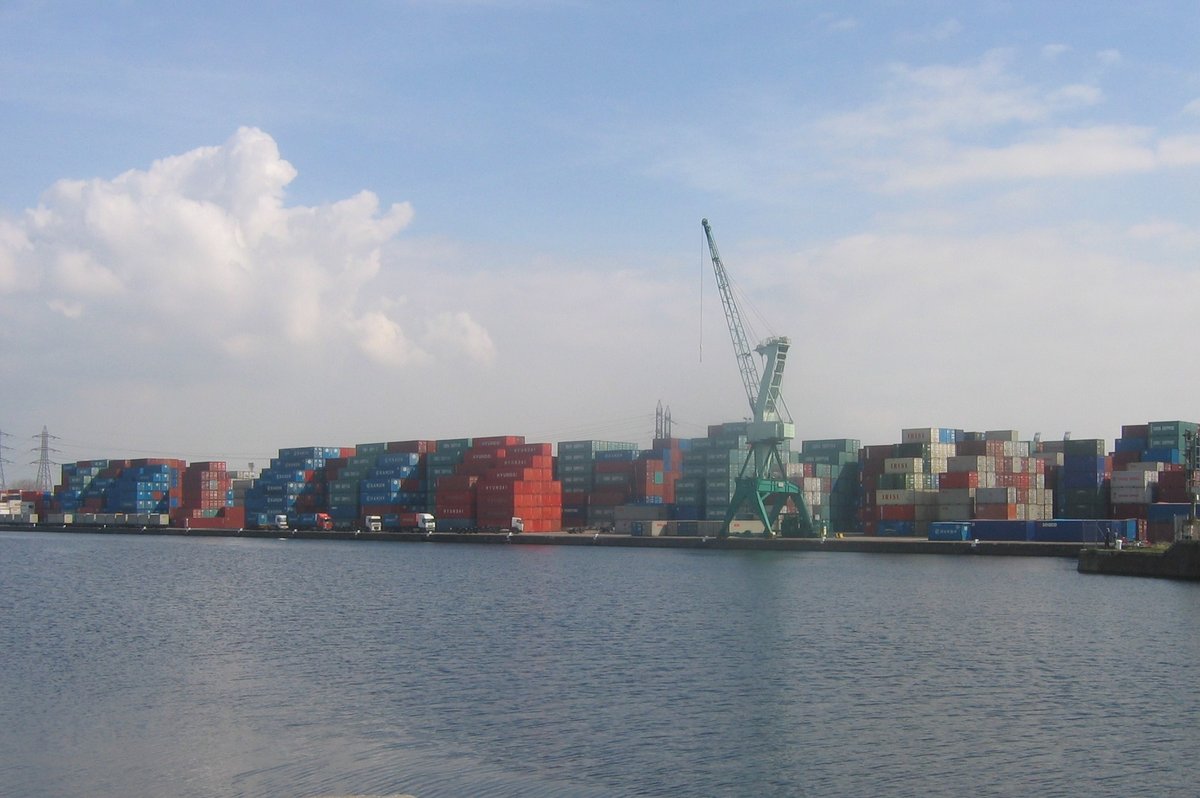
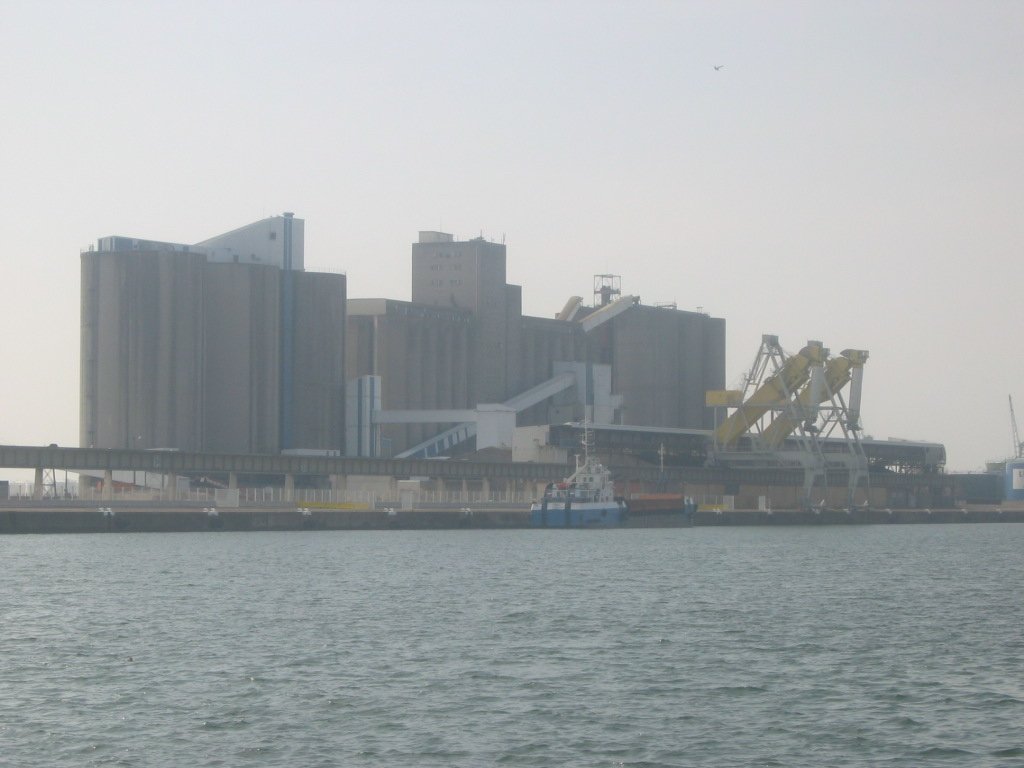
Le Havre is now France’s leading container port and the country’s second-largest commercial port by tonnage (Wikipedia; HAROPA PORT). As part of the HAROPA PORT network (with Rouen and Paris), it manages over 100 million tonnes of traffic annually and supports extensive logistics infrastructure. The “Port 2000” terminal, inaugurated in 2006, handles the world’s largest vessels and cruise liners. Sustainability initiatives include shore power for ships and ecological transition strategies (HAROPA PORT; Cruising Journal).
Visitor Experience: Attractions, Tours, and Facilities
Port Infrastructure and Cruise Facilities
A €100 million investment is modernizing Le Havre’s cruise infrastructure at the Pointe de Floride, with three new terminals set for completion by 2026 (Cruising Journal):
- Terminal 1 (Quai Roger Meunier) 3,500-passenger capacity (2026)
- Terminal 2 (Quai Pierre Callet) 6,000-passenger capacity (2025)
- Terminal 3 (Quai Joannes Couvert) 1,000-passenger capacity (2025)
All terminals provide shore power, energy-positive designs, and are fully accessible.
Guided Port Tours and Boat Excursions
Guided boat tours offer insights into Le Havre’s maritime activity, passing through Port 2000 and the inner docks. Tours last 1.5 hours and cost €15–€25 per adult (normandielovers.fr; The Tourist Checklist). Tours are accessible, family-friendly, and pet-friendly, with onboard amenities.
Historical and Cultural Attractions
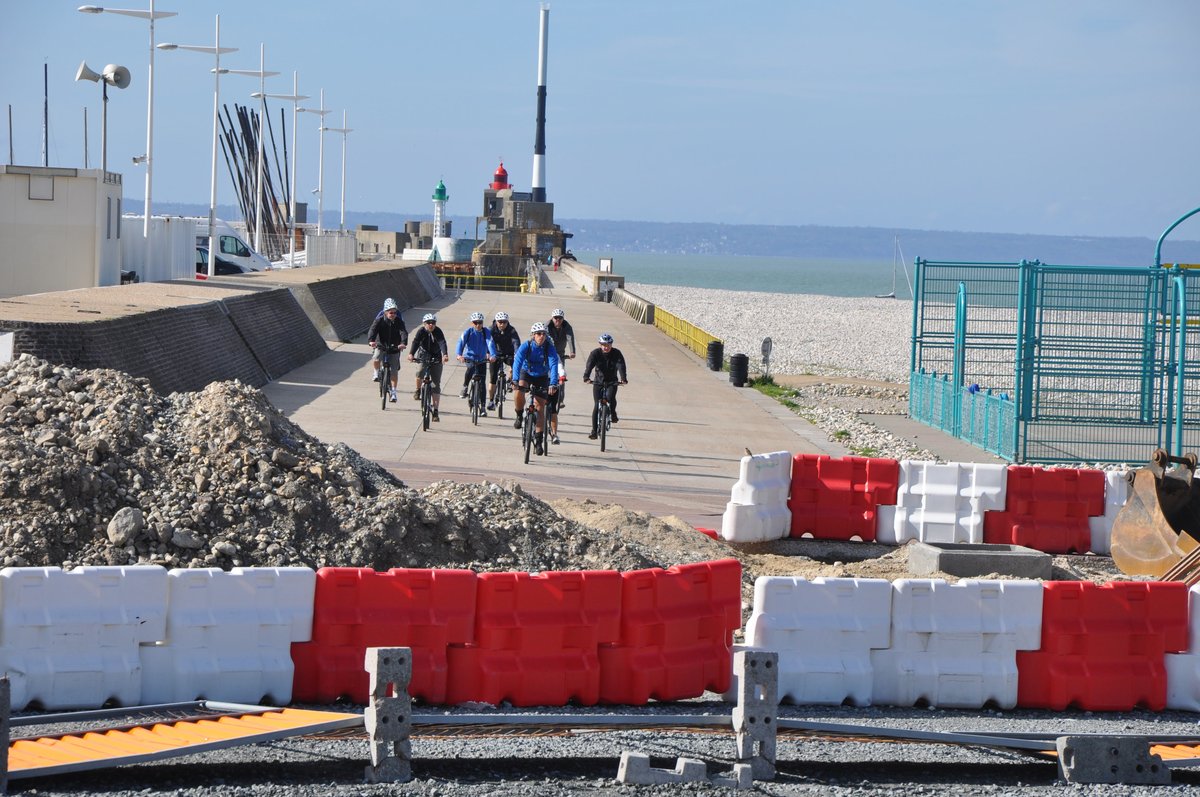
- UNESCO-Listed City Center Walk or cycle through the modernist urban landscape, with highlights such as Saint-Joseph Church and the Maison de l’Armateur.
- MuMa (Museum of Modern Art) Home to major Impressionist works, open Tuesday–Sunday, 10:00 AM–6:00 PM (€9 adult entry; free for under 18s) (PortGuide).
- Catène de Containers A vibrant, Instagram-worthy art installation made from shipping containers.
- Jardins Suspendus Botanical gardens in a former fort, open April–October, 10:00 AM–7:00 PM (€5 entry).
Beaches and Waterfront
Le Havre’s pebble beach and promenade are lively from June to September, with cafés, water sports, and family-friendly events (PortGuide). The marina accommodates over 1,300 boats and offers sailing excursions.
Dining and Shopping
Enjoy fresh seafood and Normandy specialties at waterfront restaurants. The Halles Centrales market operates daily (7:00 AM–2:00 PM), offering regional delicacies and local produce.
Essential Visitor Information: Hours, Tickets, and Access
- Port Areas Generally open 9:00 AM–7:00 PM; extended hours in summer. The commercial port operates 24/7.
- Boat Tours 10:00 AM–5:00 PM daily; more frequent in summer. Book online or at the marina ticket office.
- Museums MuMa and Maison de l’Armateur open 10:00 AM–6:00 PM (closed Mondays).
- Cruise Terminal Open during ship arrivals/departures; facilities include info desks, luggage storage, shops, and accessibility features.
- Entry Fees Waterfront and promenade access is free. Museums and guided tours have fees; discounts available for children, seniors, and families.
Getting There: Transport and Connectivity
- By Cruise Ship Terminal is 2 km from the city center; free shuttle buses and walking paths are available (emmaonline.co.uk).
- By Car Parking available near the marina and along Boulevard Clémenceau (normandielovers.fr).
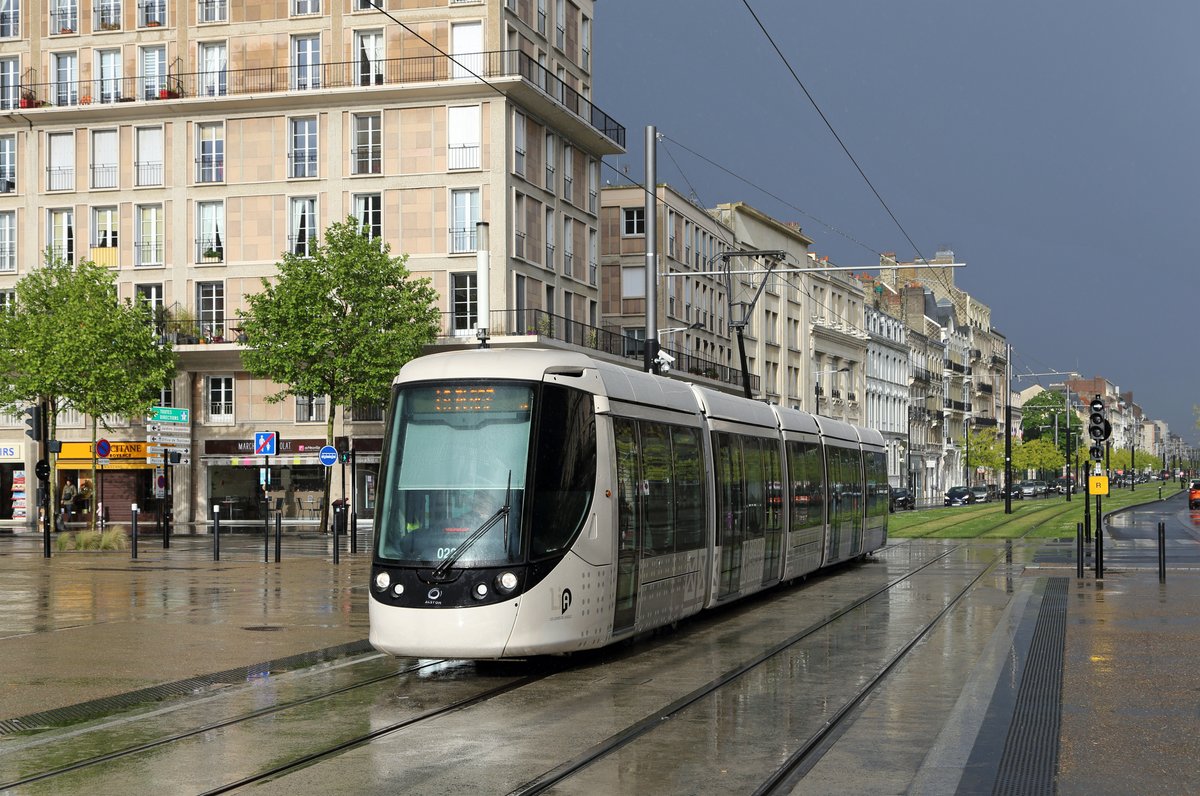
- Public Transport Tramway lines A/B, C1 bus, and bike/scooter rentals serve the port and city.
- To/From Paris Le Havre is 200 km from Paris; direct trains and buses are available.
Practical Tips for Tourists
- Book in Advance Secure boat tours and museum tickets ahead during high season.
- Weather Coastal climate is variable; bring a windproof jacket, especially outside summer (PortGuide).
- Accessibility All major sites and transport are wheelchair accessible.
- Family-Friendly Attractions and tours are suitable for all ages; children should be supervised on boats.
- Language French is primary, but English is widely spoken at tourist sites.
- Events Plan around festivals such as “Un Été au Havre” or the Fête de la Mer for extra cultural experiences.
- Luggage and Security Storage and screening are available at cruise terminals.
Frequently Asked Questions (FAQ)
Q: What are the Port of Le Havre’s visiting hours?
A: Most public areas are open 9:00 AM–7:00 PM; the commercial port runs 24/7.
Q: How do I purchase tickets for boat tours and museums?
A: Buy tickets online or at the marina/museum ticket offices. Advance booking is recommended in summer.
Q: Is the port accessible for visitors with reduced mobility?
A: Yes, all terminals, boats, and major attractions are accessible.
Q: Are pets allowed on boat tours?
A: Yes, pets are welcome on guided boat tours.
Q: How can I get from the cruise terminal to the city center?
A: Free shuttle buses, taxis, and well-marked pedestrian paths are available.
Q: When is the best time to visit Le Havre?
A: Late spring to early autumn (May–September) for mild weather and outdoor activities.