Plan and listen to Le Havre Cathedral with Audiala.
Audio guide in your pocket, itinerary in your browser. Built for the way you actually visit.
Introduction
Le Havre Cathedral (Cathédrale Notre-Dame du Havre) is a striking historical and architectural landmark nestled in the heart of Le Havre, Normandy. As the oldest surviving monument in the city’s UNESCO-listed center, the cathedral stands as a symbol of Le Havre’s resilience, blending Gothic, Renaissance, Baroque, and modernist influences. Whether you are passionate about architecture, history, or spirituality, this guide details everything you need to know for an enriching visit—including opening hours, ticketing, architectural highlights, accessibility, and nearby attractions.
Origins and Historical Evolution
Founded in the early 16th century, Le Havre Cathedral was constructed as the city emerged as a vital port under King Francis I (Wikipedia: History of Le Havre). Originally a parish church, its robust, low-lying design was necessitated by unstable marshland. Over centuries, the church expanded, blending late Gothic foundations with Baroque and Renaissance features. It weathered immense upheavals including the Wars of Religion, occupation, and transformation during the French Revolution.
The cathedral’s survival through the devastating 1944 bombings that destroyed much of Le Havre’s center is particularly remarkable (Spotting History). Post-war restoration, led by architect Auguste Perret, integrated the cathedral into a cityscape celebrated for its modernist urban renewal (UNESCO).
Architectural Highlights
Exterior Features
- Baroque Facade: The western front, completed in the 17th century, is adorned with ornate pediments, scrollwork, and Ionic columns. The “Angels with the Trumpet” bas-relief above the portal is a notable feature (Normandie Lovers).
- Gothic Bell Tower: Dating from circa 1520, the original tower’s pointed arches and vertical emphasis reflect the late Gothic style, while its modest height suited the local terrain (France Voyage).
- Materials: The cathedral is primarily built from Vernon and Caen limestone, notable for their durability and historical significance.
Interior and Artistic Heritage
- Nave and Chapels: The interior features a Latin cross plan, whitewashed walls, and a modestly scaled nave that creates an atmosphere of intimacy and tranquility (Travel France Tips).
- Stained Glass Windows: Vibrant windows, some restored after WWII, fill the space with colored light and depict religious iconography (Overyourplace).
- The Richelieu Organ: Gifted by Cardinal Richelieu in 1637, the grand organ—with its 5,000 pipes and ornately carved wooden buffet—is a highlight of both musical and artistic heritage (My French Life).
- Side Chapels: Dedicated to various saints, these chapels house statues, paintings, and altars reflecting centuries of religious artistry (Travel France Tips).
Symbolism and Cultural Role
Le Havre Cathedral is not only a monument to architectural evolution but also a living symbol of community resilience. It was elevated to cathedral status in 1974 with the creation of the Diocese of Le Havre (Spotting History). Today, it remains an active center for worship, music, and community events, often hosting concerts and special liturgical celebrations.
A memorial inside the cathedral honors the 5,000 civilians who died during World War II, underscoring its role as a place of remembrance (Spotting History).
Practical Information for Visitors
Location and Accessibility
- Address: Place de l’Hôtel de Ville, Le Havre, Normandy.
- Central Location: The cathedral sits within Le Havre’s UNESCO-listed core, close to the Musée d’art moderne André Malraux (MuMa) and the modernist Saint Joseph’s Church (Normandy Tourism).
- Transport: Easily accessible by bus, tram, or on foot from major city landmarks. Parking is available nearby.
Opening Hours
- Monday to Saturday: 9:00 AM – 6:00 PM
- Sunday: 12:00 PM – 6:00 PM
- Note: Hours may change during religious services or special events. Always check with the Le Havre Tourism Office or the cathedral’s official website for up-to-date information.
Tickets and Entry
- Admission: Free for all visitors. Donations are welcome to support maintenance and preservation (The Crazy Tourist).
Accessibility
- Wheelchair Access: Ramps at the main entrance and designated seating areas. Some interior areas have uneven flooring—contact the cathedral or local tourism office for specific needs (Normandy Tourism).
- Audio Guides: Available in multiple languages; check with the tourism office for details.
Guided Tours
- Availability: Guided tours can be arranged through the local tourism office, especially during the tourist season. Audio guides and self-guided tour apps, such as Audiala, offer further interpretation (Solosophie).
Visitor Experience: What to See and Do
Highlights Inside the Cathedral
- The 16th-Century Bell Tower: Icon of the city skyline (Wikipedia).
- Ave Maria Gate: Exquisite Renaissance portal on the north façade (My French Life).
- Historic Organs: Attend a recital if possible for an immersive musical experience (My French Life).
- Stained Glass: Admire the restored windows for their color and artistry.
- Memorials: Take a moment to reflect at the WWII memorial.
Attending Services and Events
- Religious Services: Visitors are welcome to attend Masses and sacraments.
- Concerts: The cathedral frequently hosts concerts, especially organ performances.
Photography
- Permitted: Photography is allowed without flash. Please be respectful during services.
Nearby Attractions
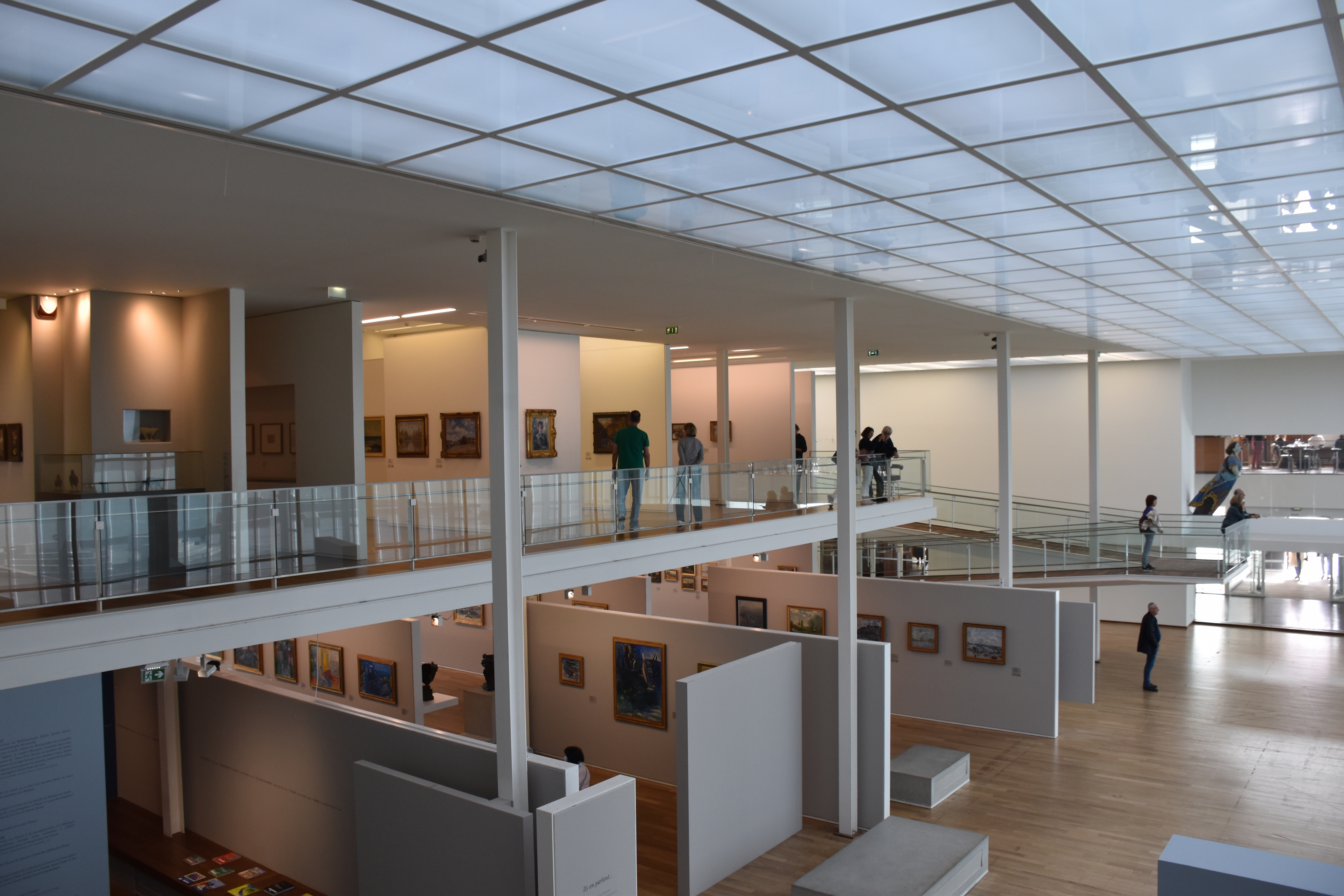
- Musée d’art moderne André Malraux (MuMa): Exceptional collection of Impressionist and modern art.
- Saint Joseph’s Church: Notable for its modernist architecture and striking tower.
- Le Havre Port & Waterfront: Explore the city’s maritime heritage.
Cafés, restaurants, and shops surround the cathedral in Place de l’Hôtel de Ville, making it easy to enjoy local culture before or after your visit (Solosophie).
Frequently Asked Questions (FAQs)
Q: What are the opening hours of Le Havre Cathedral?
A: Typically Monday to Saturday, 9:00 AM–6:00 PM; Sunday, 12:00 PM–6:00 PM. Hours may vary on holidays or during special events.
Q: Is there an entry fee?
A: No, entry is free. Donations are appreciated.
Q: Are guided tours available?
A: Yes, through the tourism office or with audio guides and tour apps.
Q: Is the cathedral accessible for visitors with disabilities?
A: Most areas are accessible; contact ahead for specific needs.
Q: Can I take photographs?
A: Yes, but avoid flash and be discreet during services.
Tips for a Memorable Visit
- Best Time to Visit: Weekday mornings for a peaceful experience.
- Combine Visits: Explore MuMa and Saint Joseph’s Church for a complete cultural tour.
- Attend an Organ Concert: Check the schedule for recitals.
- Dress Respectfully: The cathedral is an active place of worship.
Visual Gallery


Listen to the full story in the app
The whole Le Havre Cathedral,
told well.
Audio guides for 1,100+ cities across 96 countries. History, stories, and local insight — offline ready.

Verified, and shown.
Researched and written by the Audiala editorial team from historical records, architectural archives, and local expertise.
Last reviewed
Researched from Wikidata, Wikipedia & official sources · fact-checked · How we make our guides →