
Origins and Early Development
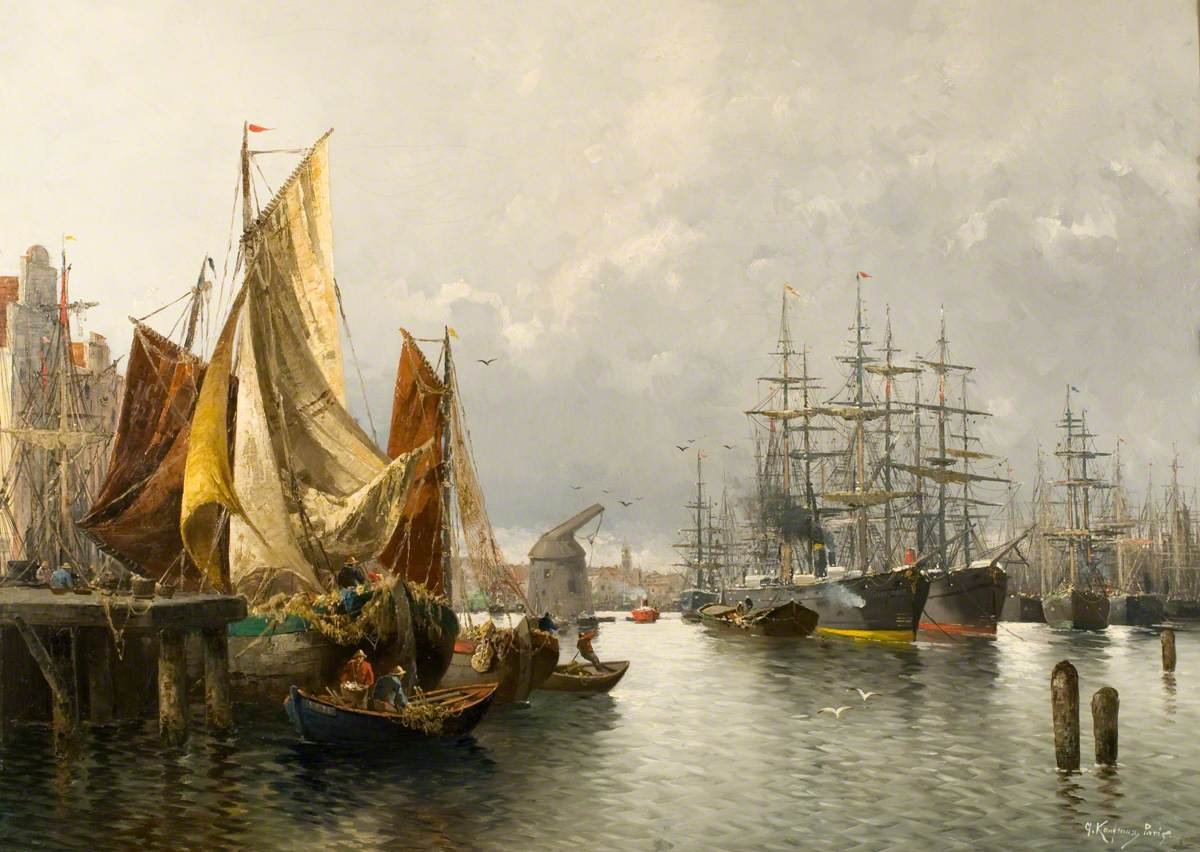
Founded in 1517 at the mouth of the Seine by King Francis I, Le Havre was conceived as a deep-water port to replace silted harbors and secure French access to Atlantic trade routes (Exploring Worlds Old & New). The original city plan adopted a grid layout, rare in France at the time, centering on what would become Place de l’Hôtel de Ville.
Le Havre quickly became a vital commercial and military port. Its early history was marked by religious and political upheaval, including the Protestant Reformation and occupation by reformers in 1562. After French forces recaptured the city, a new citadel reinforced Le Havre’s strategic importance.
The Hôtel de Ville: Civic Center and Urban Symbol
The Hôtel de Ville has always anchored Le Havre’s civic life, situated on one of Europe’s most expansive public squares (Britannica). The square, designed for gatherings and city events, remains a focal point for residents and visitors. Over centuries, the Hôtel de Ville has witnessed Le Havre’s transformation from royal port to thriving commercial hub and, later, to a beacon of postwar resilience.
18th and 19th Century Transformations
In the 18th century, Le Havre flourished through maritime trade, shipbuilding, and colonial commerce. The city’s expansion under Louis XVI quadrupled its size, making it France’s second-largest port by the late 1700s (Exploring Worlds Old & New). The Hôtel de Ville continued to serve as the administrative and symbolic heart, navigating the city through wars, economic shifts, and the modernization of the port.
Destruction and Reconstruction: The 20th Century
World War II brought devastation to Le Havre; in 1944, Allied bombings demolished much of the city center, including the original Hôtel de Ville (Britannica). The postwar rebuilding was led by Auguste Perret, whose vision introduced a modular grid and extensive use of reinforced concrete, blending classical proportions with modernist aesthetics (Exploring Worlds Old & New). The new Hôtel de Ville, completed in the 1950s, features a monumental base for civic functions and an iconic 72-meter tower, a new visual anchor for the city.
In 2005, UNESCO recognized Le Havre’s reconstructed city center, including the Hôtel de Ville, as a World Heritage Site, highlighting its exemplary postwar urban planning (Exploring Worlds Old & New).
The Hôtel de Ville and Its Urban Context Today
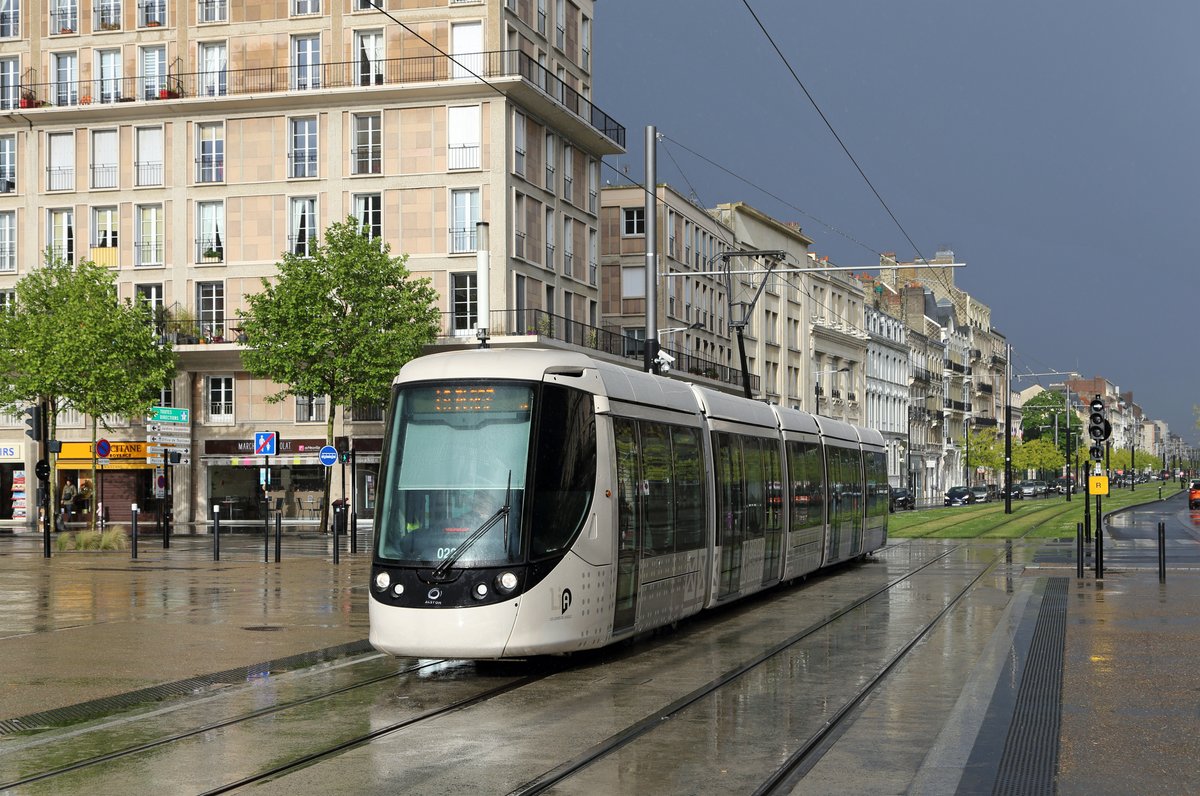
Today, the Hôtel de Ville remains central to Le Havre’s civic and cultural life. The Place de l’Hôtel de Ville, with landscaped gardens and water features, is a vibrant gathering place. Recent enhancements, such as the tram system and underground parking, have modernized the square without diminishing its historic significance (Exploring Worlds Old & New).
Visiting Information: Hours, Tickets, and Accessibility
Opening Hours:
- Monday to Friday: 8:00 AM – 5:00 PM
- Saturday: 8:00 AM – 12:00 PM
Entry:
- Main hall and public spaces: Free
- Guided tours (including tower access): Available occasionally, especially during cultural events and European Heritage Days; inquire at reception or the Maison du Patrimoine for schedules (lehavre.fr).
Accessibility:
- Main entrances and public areas are wheelchair-accessible, with ramps and elevators.
- The surrounding esplanade is flat and open, suited for visitors with reduced mobility (lehavre.fr).
Getting There:
- Address 1517 Place de l’Hôtel de Ville, 76600 Le Havre, France
- Tram/Bus Hôtel de Ville tram stop adjacent to the building.
- Train 20-minute walk or short tram/bus ride from Le Havre station (Normandy Tourism).
- Car Paid and free parking options nearby.
Architectural Highlights
Postwar Modernism and Auguste Perret’s Vision
The Hôtel de Ville exemplifies Perret’s “structural classicism,” harmoniously integrating classical symmetry with modern construction techniques (Le Havre Seine Patrimoine). The regular grid of concrete columns, rhythmic facades, and open public spaces are signature elements of Le Havre’s UNESCO-protected urban landscape.
The Tower
The 72-meter tower, completed by Jacques Tournant, reimagines the French beffroi in concrete. It serves as a city landmark and, on special occasions, offers panoramic views of Le Havre, its port, and the coastline (Le Havre Etretat Tourisme).
Interior Features
- Council Chamber Features Jean Lurçat’s tapestry “Le Feu et l’Eau” (1958).
- Hall of Honor Houses Alphonse Saladin’s bronze statue of Francis I, connecting modern architecture with historical roots.
The Square
The Place de l’Hôtel de Ville is one of Europe’s largest public squares, designed for openness and civic gatherings. Its landscaping balances the bold concrete forms with greenery and water features (France Daytrip).
Nearby Attractions and Visitor Tips
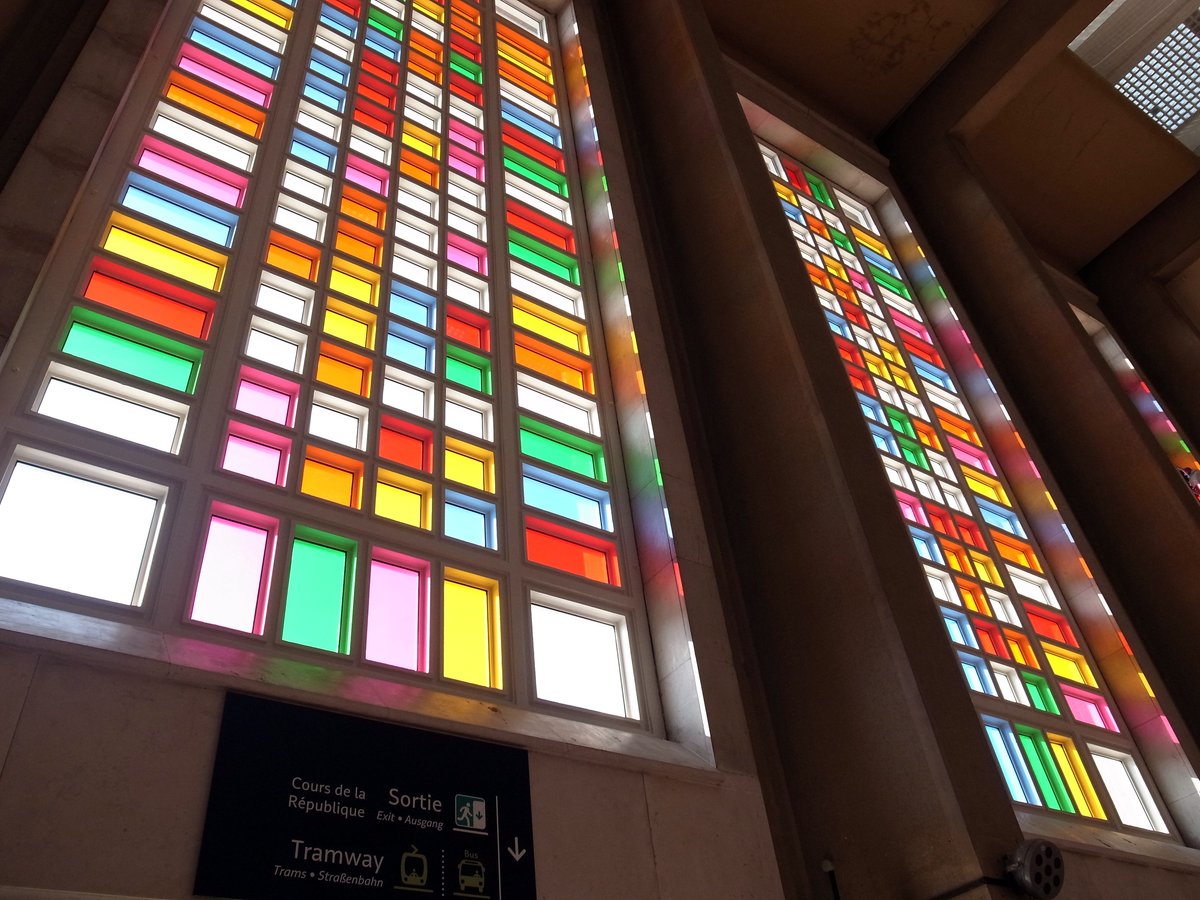
- St. Joseph’s Church Modernist masterpiece with a 107-meter tower and breathtaking stained glass.
- MuMa – André Malraux Museum of Modern Art Renowned for its Impressionist collection.
- Perret Show Flat A showcase of postwar interior design (Normandy Tourism).
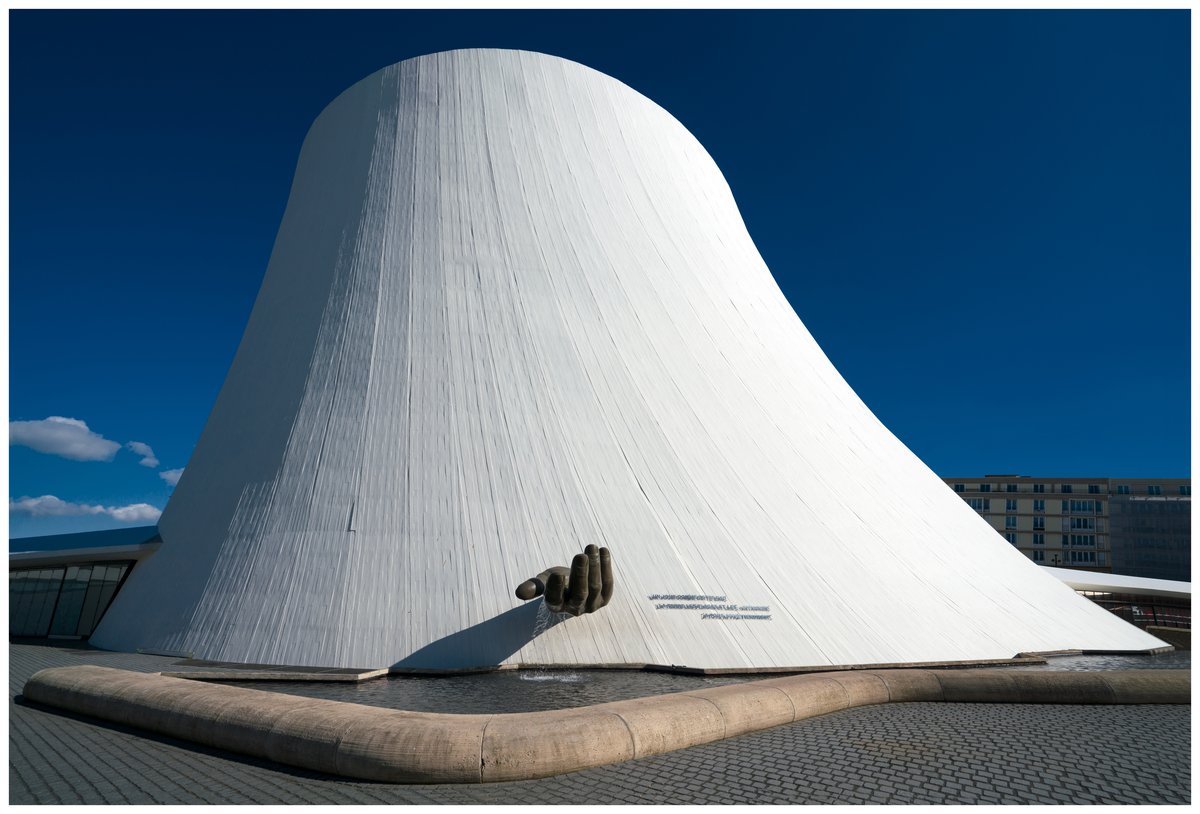
- Le Volcan The city’s arts center and theatre complex.
Dining:
The area around the Hôtel de Ville is filled with cafés, bakeries, and restaurants. For fine dining, try Jean-Luc Tartarin, a Michelin-starred restaurant nearby (Normandy Tourism).
Accommodation:
A variety of hotels are within walking distance, including Hôtel Carmin, Hôtel Pasino, Hotel Vent d’Ouest, and Novotel Le Havre Centre Gare (heatheronhertravels.com, normandielovers.fr).
Events and Cultural Life
The Hôtel de Ville and its square are at the heart of Le Havre’s cultural calendar. Regular markets and seasonal festivals bring the area to life, including:
- Literary Festival “Le Goût des Autres” (January)
- Fest Yves (May)
- Dixie Days Jazz Festival (June)
- Polar à la Plage (July)
- Fête de la Mer (September) (France Voyage)
The Théâtre de l’Hôtel de Ville offers diverse performances year-round (76.agendaculturel.fr).
Practical Visitor Tips and Summary Table
- Best time to visit During festivals or European Heritage Days for guided tours and special access.
- Photography The building’s modernist lines and tower are especially photogenic during the golden hours.
- Safety The area is safe and well-patrolled.
- Weather Le Havre’s coastal location can be breezy; bring a jacket year-round.
Summary Table: Key Visitor Information
| Feature | Details |
|---|---|
| Address | 1517 Place de l’Hôtel de Ville, 76600 Le Havre, France |
| Opening Hours | Mon–Fri: 8:00–17:00; Sat: 8:00–12:00 |
| Entry Fee | Free (public areas) |
| Guided Tours | Occasional; inquire at reception or Maison du Patrimoine |
| Accessibility | Wheelchair accessible; elevators available |
| Public Transport | Tram: Hôtel de Ville stop; dense bus network |
| Parking | Paid and free options nearby |
| Nearby Amenities | Cafés, restaurants, shops |
| Tourist Info | Maison du Patrimoine, 181 rue de Paris |
| Contact | +33 (0)2 35 19 45 45; lehavre.fr |
Frequently Asked Questions (FAQ)
Q: What are the Hôtel de Ville Le Havre opening hours?
A: Monday to Friday from 8:00 AM to 5:00 PM, Saturday from 8:00 AM to 12:00 PM.
Q: Is entry to the Hôtel de Ville free?
A: Yes, entry to the main hall and public spaces is free.
Q: Are guided tours available?
A: Guided tours, including tower access, are offered occasionally—especially during major events. Check with reception or Maison du Patrimoine for current schedules.
Q: Is the Hôtel de Ville wheelchair accessible?
A: Yes, with ramps and elevators throughout public areas.
Q: What are the best nearby attractions?
A: St. Joseph’s Church, MuMa Museum, Perret Show Flat, and Le Volcan arts center.
Discover More
The Hôtel de Ville Le Havre is much more than a municipal building—it is a testament to the city’s resilience, innovative spirit, and architectural heritage. Its accessible public spaces, panoramic tower views, and proximity to major attractions make it an essential destination for anyone visiting Normandy.
For up-to-date information, event schedules, and travel inspiration, download the Audiala mobile app, explore our travel guides, and follow us on social media. Make the Hôtel de Ville your starting point to discover Le Havre’s unique blend of history and modernity.