Plan and listen to Église Saint-Jean-Du-Bourg De Laon with Audiala.
Audio guide in your pocket, itinerary in your browser. Built for the way you actually visit.
Introduction
Nestled within the fortified upper town of Laon, Église Saint-Jean-du-Bourg de Laon offers visitors a unique window into the city’s medieval past. Originally founded in the 7th century and evolving through Romanesque, Gothic, and Baroque phases, this historic church reflects the artistic and spiritual transformations that shaped northern France between the 12th and 18th centuries. Though much of the original structure was lost during the French Revolution and subsequent centuries, key architectural elements—such as the southern absidiole and monumental staircases—remain as evocative reminders of its rich history (Monumentum, POP Culture Gouv).
Today, Église Saint-Jean-du-Bourg is integrated into Laon’s broader heritage landscape, alongside landmarks like the iconic Cathédrale Notre-Dame de Laon and the medieval ramparts. Visitors can enjoy guided tours, cultural events, and the atmospheric ambiance of the church’s ruins, all within the context of Laon’s “Ville d’Art et d’Histoire” designation (France-Voyage; Laon Tourist Office).
This detailed guide provides all the practical information you need—opening hours, ticketing, accessibility, nearby attractions, and travel tips—to plan a rewarding visit to Église Saint-Jean-du-Bourg de Laon.
Foundations and Medieval Development
Église Saint-Jean-du-Bourg traces its origins to an abbey established by Sainte Salaberge in 648 CE, later rededicated to Saint John the Baptist. Situated in Laon’s fortified upper town, the church quickly gained prominence as a religious center, especially after Benedictine monks replaced the initial community of nuns in 1128. Its strategic location within the castrum, a legacy of the late Roman Empire, further elevated its importance (Monumentum).
The church’s medieval development mirrored Laon's rise as a spiritual and political hub, with its community playing a vital role in the city’s religious life.
Architectural Evolution
After a destructive fire in 1112, the church underwent significant Romanesque reconstruction in the 12th century, marked by robust masonry and semicircular arches. Subsequent centuries saw the adoption of Gothic features—pointed arches, ribbed vaults, and a polygonal chevet—reflecting broader stylistic shifts in northern France. The nave was further modified in the 16th century, and the 18th century introduced Baroque elements, including a rebuilt grand portal and new monumental staircases (Monumentum; Loomji).
Revolutionary Upheaval and Decline
The French Revolution brought dramatic changes. In 1795, the church was sold as national property, its religious function abolished. Most of the structure was demolished in the 19th century, with only the southern absidiole and three adjoining bays surviving. The north portal was demolished in 1820, and further destruction occurred during World War II. Some remnants were repurposed for administrative functions, while 20th-century constructions altered the site further (Monumentum).
Architectural Features
Though largely in ruins, Église Saint-Jean-du-Bourg displays a rich array of historical layers. The surviving southern absidiole, with its ribbed vaulting, is a fine example of early Gothic design. Visitors can also admire fragments of the nave, remnants of the cloister, the monumental Baroque staircase, and portions of medieval stonework integrated into nearby buildings (POP Culture Gouv).
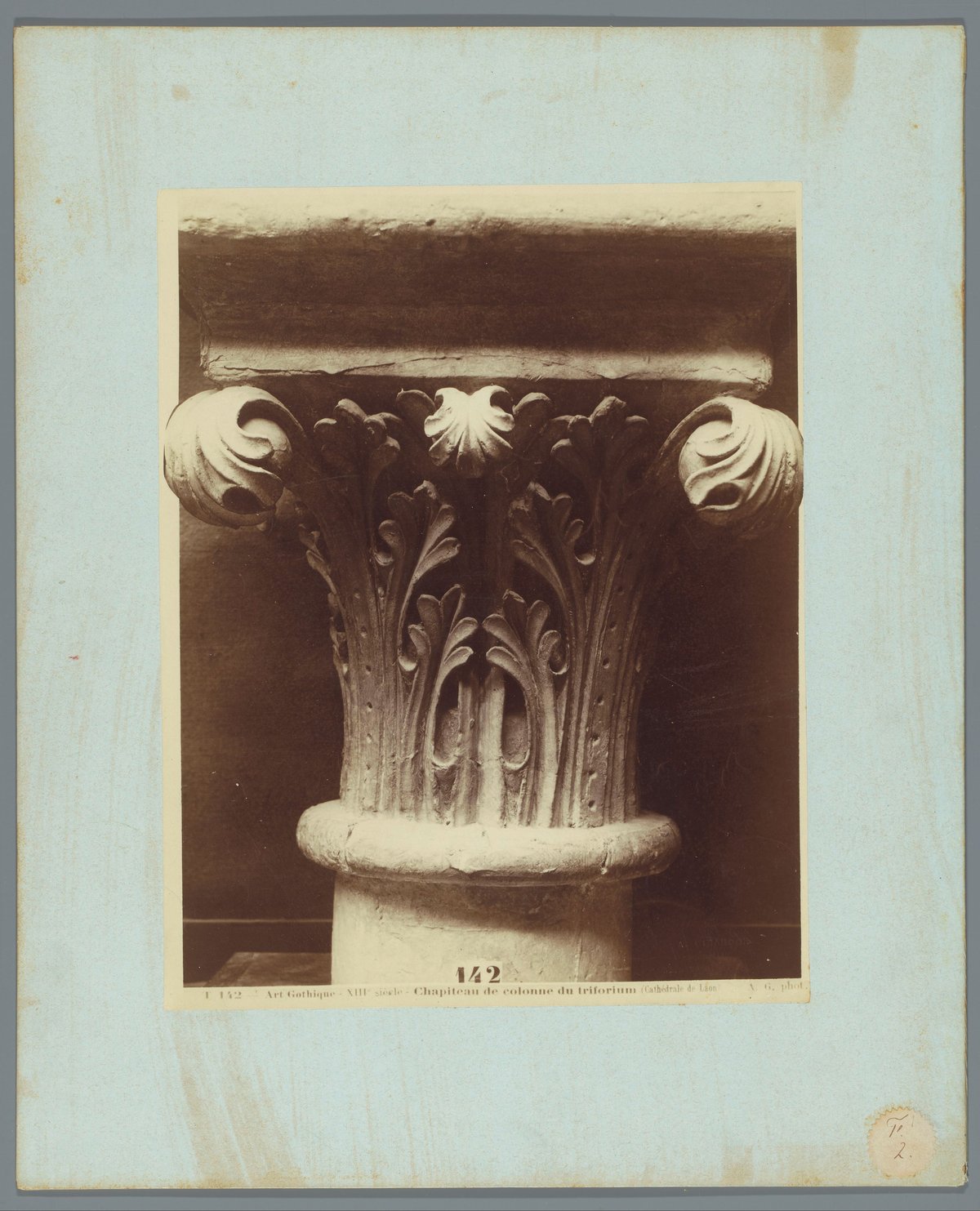
Decorative programs include sculpted capitals with stylized foliage and biblical scenes, and a tympanum above the main entrance once illustrated episodes from the life of Saint John the Baptist. While much stained glass has been lost, restored windows continue to add color and light to the remaining structure.
Integration with Laon’s Heritage
The church stands near other significant monuments such as the Laon Cathedral, medieval ramparts, the episcopal palace, and the Hôtel-Dieu. Together, these sites narrate the city’s evolution as a center of religious, civic, and defensive activity (France-Voyage). Église Saint-Jean-du-Bourg’s silhouette remains part of the “Montagne Couronnée”—Laon’s Crowned Mountain—visible from the surrounding countryside.
Visitor Information
Visiting Hours
- Exterior Access: The church’s ruins are publicly visible year-round, generally accessible from 9:00 AM to 6:00 PM.
- Interior Access: The site is partially privately owned and typically not open for interior visits. Special access may be arranged during events or guided tours.
- Recommendation: Always check the Laon Tourist Office website or consult the local visitor center for the most current information, especially during holidays or festivals.
Tickets & Admission
- Admission: Free to view the exterior ruins and grounds. Donations are encouraged to support preservation.
- Guided Tours: Available through the Laon tourist office and during heritage events. Some tours may require advance booking or a nominal fee.
Accessibility
- Mobility: The site has uneven terrain and historic stonework, which may present challenges. Partial accessibility is possible, but visitors with limited mobility should inquire ahead for the most suitable routes.
- Assistance: Contact the tourist office for information about accessible tours or on-site support.
Guided Tours & Events
- Tours: Guided walks provide rich historical context and access to adjacent sites.
- Special Events: The church often features in Laon’s medieval festivals and classical music concerts—check the events calendar for details (Hauts-de-France Tourism).
Travel Tips
- Getting There: Laon is accessible by train (approximately 1.5 hours from Paris) or by car. The church is a 15-minute uphill walk from the train station, located at 6 rue du Cloître-Saint-Jean / 5 rue Thibesard, 02000 Laon (Monumentum).
- Best Time to Visit: Spring and autumn offer pleasant weather and fewer crowds; early mornings are ideal for photography.
- Nearby Amenities: Cafés, restaurants, and shops are available in the historic district.
Nearby Attractions
- Cathédrale Notre-Dame de Laon: A masterpiece of early Gothic architecture (The Geographical Cure).
- Medieval Ramparts: Walk along the city’s walls for panoramic views.
- Musée d’Art et d’Archéologie: Explore local art and historical artifacts.
- Abbey of Saint-Martin: Another historic ecclesiastical site.
Heritage Status and Preservation
Église Saint-Jean-du-Bourg is listed as a Monument Historique, with protections for its remaining structures, including the portal ruins, monumental staircase, and granary, designated in 1911 and 1927 (Monumentum). Ongoing restoration and preservation efforts are overseen by local and national heritage organizations.
Frequently Asked Questions (FAQ)
Q: What are the visiting hours for Église Saint-Jean-du-Bourg de Laon?
A: The site is generally accessible from 9:00 AM to 6:00 PM, but interior access is limited. Always confirm with the tourist office.
Q: Is there an entrance fee?
A: No, exterior access is free. Guided tours or events may require tickets.
Q: Are guided tours available?
A: Yes, through the Laon tourist office.
Q: Is the site accessible for people with disabilities?
A: Partial accessibility; contact the visitor center for specific details.
Q: Can I take photos?
A: Photography is permitted for the exterior; interior access may require prior arrangement.
Listen to the full story in the app
The whole Église Saint-Jean-Du-Bourg De Laon,
told well.
Audio guides for 1,100+ cities across 96 countries. History, stories, and local insight — offline ready.

Verified, and shown.
Researched and written by the Audiala editorial team from historical records, architectural archives, and local expertise.
Researched from Wikidata, Wikipedia & official sources · fact-checked · How we make our guides →