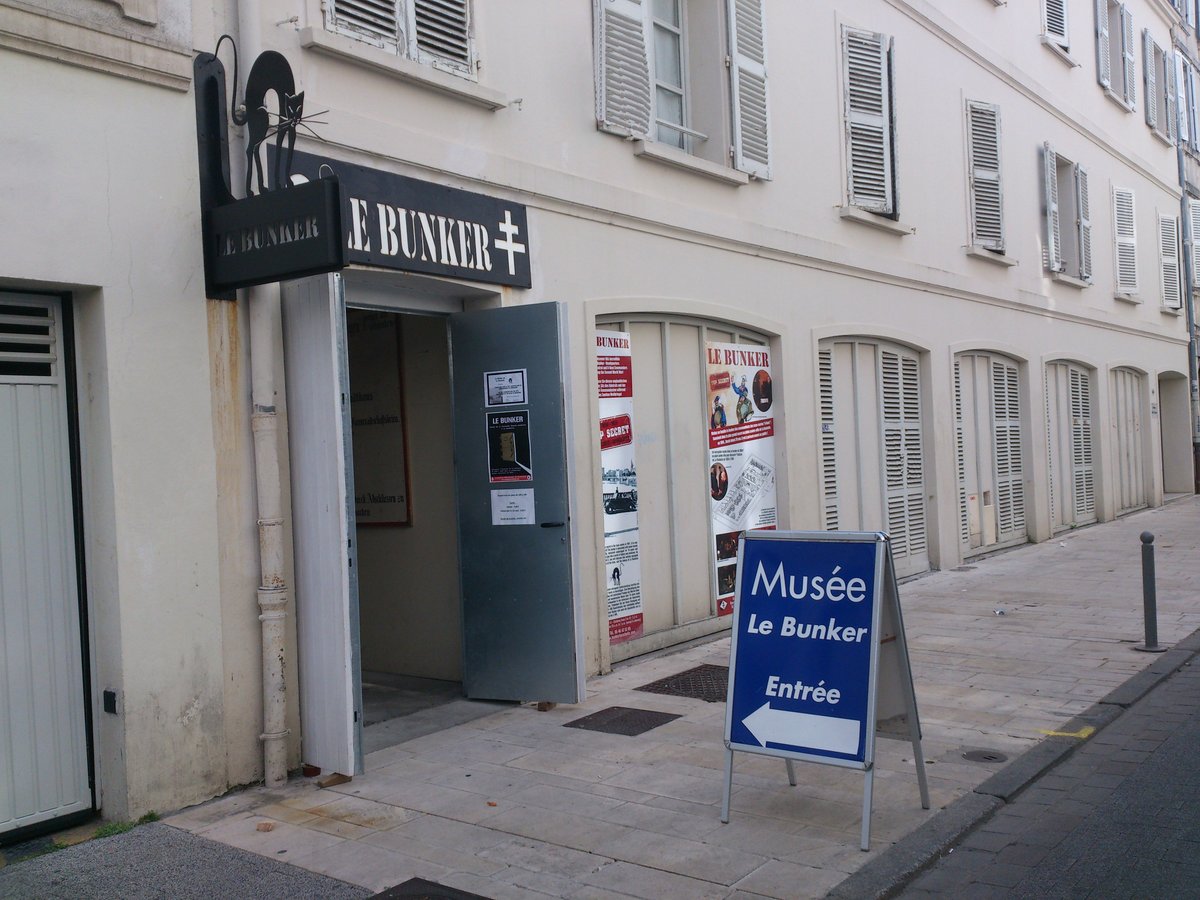
Plan and listen to Rochelais Museum Of The Last War with Audiala.
Audio guide in your pocket, itinerary in your browser. Built for the way you actually visit.
Introduction to Le Bunker de La Rochelle
Le Bunker de La Rochelle is an iconic historical site that stands as a stark reminder of the tumultuous years of World War II. Constructed by German forces in 1941, this formidable concrete structure served as a command center for the German U-boat fleet operating in the Atlantic. Its strategic location on the Atlantic coast made it a critical asset for the German Kriegsmarine, playing a pivotal role in launching attacks on Allied shipping lanes (source). Today, Le Bunker de La Rochelle has been transformed into a poignant museum, offering visitors a comprehensive glimpse into its wartime history and the lives of those who lived and worked within its walls (source). As you delve into this comprehensive guide, you'll discover the rich history, cultural significance, and practical visitor information needed to make the most of your visit to this remarkable historical landmark.

History and Significance during World War II
A Nazi Stronghold: Le Bunker's Role in WWII
Le Bunker de La Rochelle was constructed by the German forces in 1941, a year after the fall of France. Situated on the Atlantic coast, La Rochelle was strategically crucial, providing a vital port for the German Kriegsmarine (navy). The bunker was designed as a fortified command center for the German U-boat fleet operating in the Atlantic.
Construction and Purpose: A Fortress by the Atlantic
The bunker’s construction was a feat of engineering, reflecting the Nazi obsession with military might. Thousands of forced laborers, primarily French and prisoners of war, were put to work under harsh conditions. Over 15,000 cubic meters of concrete were used, making it one of the largest bunkers on the Atlantic coast.
A Hub of U-boat Operations
Le Bunker de La Rochelle quickly became a nerve center for the German war effort in the Atlantic. It housed the command staff of the 3rd U-boat Flotilla, responsible for launching devastating attacks on Allied shipping lanes. The bunker’s thick walls, reinforced with steel, provided protection from air raids, while its strategic location offered a vantage point to monitor the Bay of Biscay.
Life Inside the Concrete Walls
Life inside Le Bunker was a stark contrast to the world outside. Hundreds of German soldiers and officers lived and worked within its confines. The bunker was self-sufficient, equipped with its own power generators, water supply, and even a bakery. Despite these amenities, life was claustrophobic and tense.
Liberation and Legacy: A City Freed, a Bunker Remains
As the tide of the war turned, Le Bunker de La Rochelle became a target for heavy bombing raids by the Allies. The bunker withstood the onslaught, providing a safe haven for the German troops within. The liberation of La Rochelle in May 1945 marked the end of the bunker’s role in the war. The German soldiers inside the bunker finally surrendered on May 9th, 1945, days after the official German surrender.
Visitor Information
Visiting Hours and Tickets
Le Bunker de La Rochelle is open to the public and offers a chillingly authentic glimpse into the realities of World War II. Visitors can explore the labyrinthine corridors and examine the preserved command rooms.
- Visiting Hours: Daily from 10:00 AM to 6:00 PM
- Tickets: Adults €10, Children (6-12) €5, Under 6 free
- Le Bunker de La Rochelle tickets can be purchased online or at the entrance.
Travel Tips and Nearby Attractions
- Travel Tips: Wear comfortable shoes and bring a flashlight for darker areas.
- Nearby Attractions: La Rochelle Old Port, Maritime Museum, and the Towers of La Rochelle
Accessibility
Le Bunker de La Rochelle is partially accessible to visitors with mobility issues. Some areas may be challenging due to narrow passages and stairs.
Special Features
Guided Tours
Guided tours are available and highly recommended for a comprehensive understanding of the site's history. These tours provide in-depth insights and stories about the bunker and its significance.
Photographic Spots
Several spots within the bunker offer excellent opportunities for photography, particularly the preserved command rooms and the exterior structure.
Special Events
Le Bunker de La Rochelle occasionally hosts special events and exhibitions. Check the official website for the latest updates.
Nearby Attractions
Within La Rochelle
Vieux Port (Old Harbor)
- Vieux Port (Old Harbor) - A short distance from the bunker, the Vieux Port is the heart of La Rochelle. Stroll along the quays, admire the historic towers guarding the entrance, and enjoy the lively atmosphere of this bustling harbor.
The Towers of La Rochelle
- The Towers of La Rochelle - Dominating the harbor, the three towers – Tour Saint-Nicolas, Tour de la Chaîne, and Tour de la Lanterne – are iconic symbols of La Rochelle. Explore their history as fortifications and prisons, and climb to their summits for panoramic city views.
Musée Maritime de La Rochelle
- Musée Maritime de La Rochelle - Located in the heart of the old port, this museum offers a fascinating journey through maritime history. Explore a collection of ships, including a weather frigate, and learn about La Rochelle's seafaring past.
Aquarium La Rochelle
- Aquarium La Rochelle - Embark on an underwater adventure at one of Europe's largest private aquariums. Discover diverse marine life from around the world, including sharks, turtles, and colorful fish.
Musée du Nouveau Monde (New World Museum)
- Musée du Nouveau Monde (New World Museum) - Housed in a beautiful 18th-century mansion, this museum delves into the city's historical ties with the Americas. Explore exhibits on trade, exploration, and the French presence in the New World.
Parc Charruyer
- Parc Charruyer - Escape the city bustle in this tranquil park. Enjoy a leisurely walk, have a picnic by the lake, or visit the Musée Naturel (Natural History Museum) located within the park.
Beyond La Rochelle
Île de Ré
- Île de Ré - A short drive or bike ride across the impressive bridge from La Rochelle lies the charming Île de Ré. Explore picturesque villages, cycle along scenic coastal paths, and relax on sandy beaches.
Fort Boyard
- Fort Boyard - Visible from the coast of La Rochelle, Fort Boyard is a formidable 19th-century fort located in the Pertuis d'Antioche strait. Take a boat trip to admire its imposing structure and learn about its history as a military fortress and, more recently, as the setting for the famous French game show.
Marais Poitevin (Poitevin Marshes)
- Marais Poitevin (Poitevin Marshes) - Known as the 'Green Venice,' the Marais Poitevin is a unique and enchanting landscape of canals, marshes, and verdant fields. Rent a boat or take a guided tour to explore this tranquil natural wonder.
La Rochelle to Rochefort by bike
- La Rochelle to Rochefort by bike - For cycling enthusiasts, the Vélodyssée route offers a scenic journey from La Rochelle to Rochefort, another historic port city. Pedal along the coast, through charming villages, and past oyster farms.
FAQ
Q: What are the visiting hours for Le Bunker de La Rochelle?
A: Le Bunker de La Rochelle is open daily from 10:00 AM to 6:00 PM.
Q: How much are the tickets for Le Bunker de La Rochelle?
A: Adult tickets are €10, children under 12 enter for €5, with family packages and group discounts available.
Q: Is Le Bunker de La Rochelle wheelchair accessible?
A: Yes, the site is wheelchair accessible with ramps and elevators.
Summary and Final Thoughts
Le Bunker de La Rochelle is more than just a historical monument; it is a powerful testament to the resilience and tenacity of both the local population and the Allied forces during World War II. By visiting this site, one gains a profound understanding of its strategic importance and the harsh realities faced by those who lived and worked within its concrete walls (source). The bunker not only serves as a memorial to the past but also as an educational resource, ensuring that the lessons of history are not forgotten. Whether you are a history enthusiast, a student, or a curious traveler, a visit to Le Bunker de La Rochelle offers a unique opportunity to reflect on the complexities of war and the enduring quest for peace (source).
Listen to the full story in the app
The whole Rochelais Museum Of The Last War,
told well.
Listen to sourced travel stories with local history and practical context — ready offline.
Verified, and shown.
Researched and written by the Audiala editorial team from historical records, architectural archives, and local expertise.
Built from cited sources · see the method · How we make our guides →