
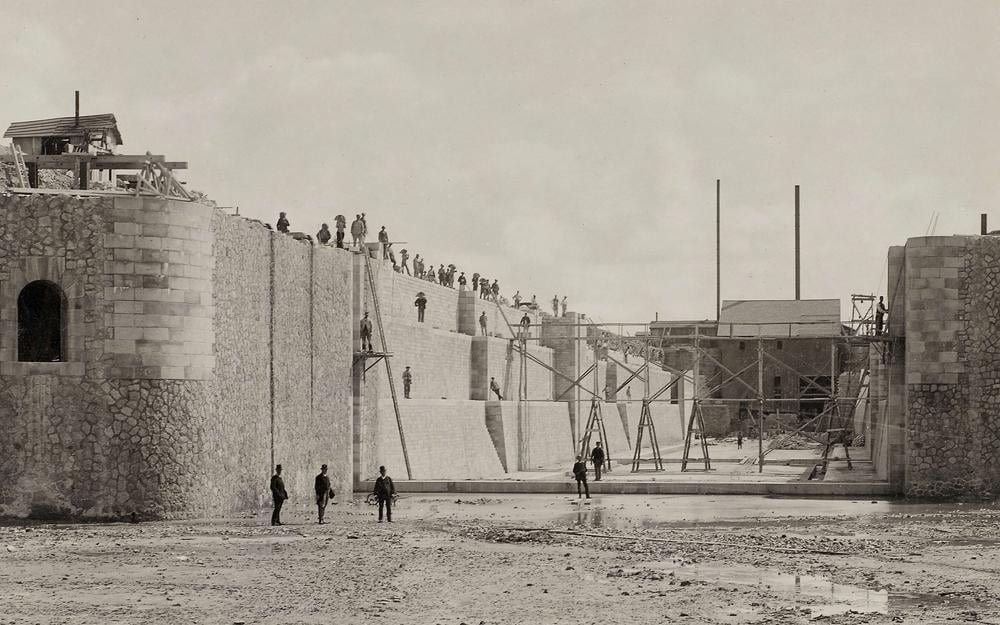
La Pallice is La Rochelle’s deep-water commercial port on France’s Atlantic coast and a gateway to the region’s maritime heritage and urban culture. Built in 1890, it is now one of France’s significant seaports, with container terminals and bulk-cargo facilities. It ranks as France’s sixth-largest port and handles millions of tons of cargo annually. Its cruise terminal is the main entry point for cruise passengers visiting La Rochelle (La Pallice Port and Submarine Bunker; travel.saga.co.uk).
The district brings together modern port activity, wartime history and cultural venues. Its most notable historical landmark is the World War II submarine bunker, a former U-boat base built during the Nazi occupation (uboat-bases.com). La Sirène, a music venue in a former granary, is another example of the district’s cultural transformation (holidays-la-rochelle.co.uk).
History
La Rochelle’s maritime roots
La Pallice’s history is connected to La Rochelle’s maritime past, which dates back to the 12th century. Founded by William of Aquitaine, La Rochelle became a major Atlantic trading hub, exporting wine, salt and other goods. Its location fostered trade with England, Spain and, later, the New World. In the 16th and 17th centuries, it was both a commercial centre and a focus of Protestant resistance, notably during the Siege of 1627–1628 (adriem-larochelle.fr).
The port and its wartime role
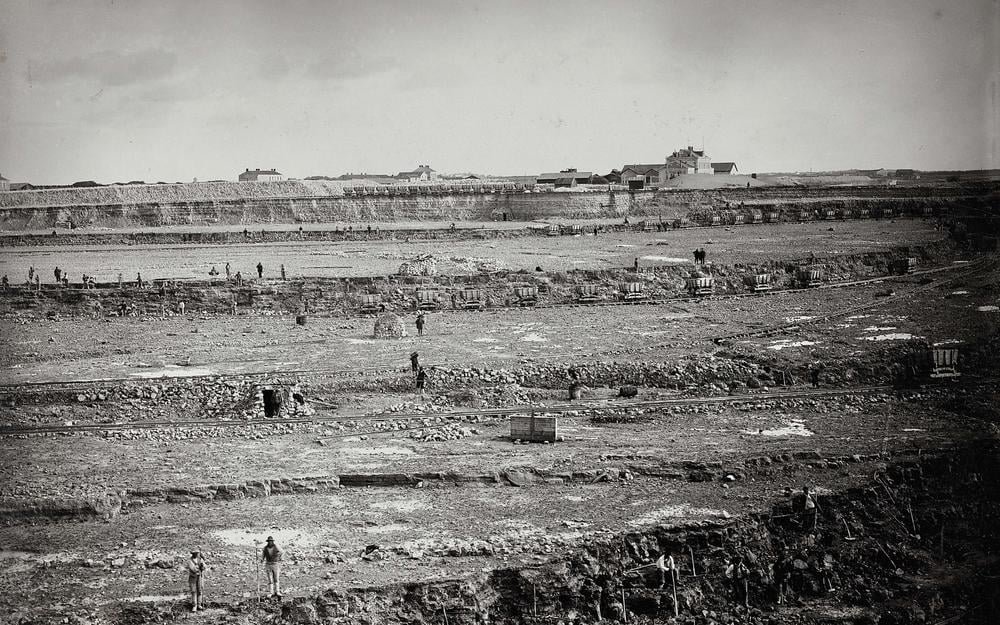
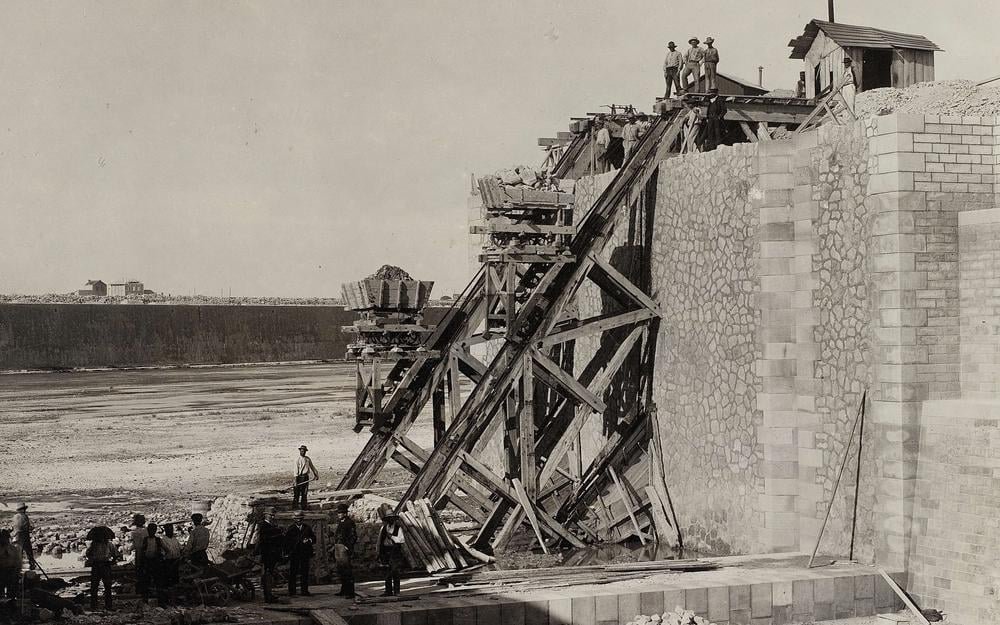
By the late 19th century, La Rochelle’s original harbour could no longer accommodate modern shipping. La Pallice was constructed in 1890 as a deep-water port for larger vessels and growing international trade (ports.marinelink.com). The port also became a major cod-fishing hub in the early 20th century. Today, it is a leading port for timber and paper imports (Histoires Maritimes Rochelaises; Wikipedia).
During World War II, La Pallice became strategically important to German forces. Construction of a massive submarine bunker began in 1941. It was one of the largest bunkers on the Atlantic coast, with a double-layered concrete roof and space for 10 U-boats. The bunker was home to the 3rd U-boat Flotilla. La Pallice was among the last German-held ports in France and surrendered after Germany’s capitulation in May 1945 (normandybunkers.com; uboat-bases.com).
What to See
The submarine base and bunker
The submarine base is a substantial work of military engineering, with thick concrete walls and expansive docks. It is usually closed to the public, but the annual “Journée Port Ouvert” (Open Port Day), typically held in spring, can provide rare access to restricted areas. The event attracts thousands of visitors. Entry on open days is often free, and advance booking is advised because capacity is limited (La Rochelle Port Authority).
Guided boat tours with Compagnie Interîles provide historical context and access to the area (larochelle-tourisme.com).
The Bunker of La Rochelle Museum is at 8 rue des Dames. It is open year-round; check its official website for current hours. Tickets can be purchased onsite or online (Bunker museum). The museum presents 19 themed exhibits on World War II and the German occupation. Guided tours are available regularly at the museum and during open events.
La Sirène
La Sirène is a music venue housed in a former granary. It hosts concerts and cultural activities, including festivals; check event listings for details.
La Rochelle’s towers
The Saint-Nicolas, Chain and Lantern Towers are medieval fortifications guarding the Old Port. The towers served purposes including defence, harbour control and navigation (La Rochelle Tourism).
Practical Visiting Information
Hours, tickets and tours
- Submarine bunker Usually closed to the public except during special events such as the annual Journée Port Ouvert, typically in spring. Entry during open days is often free; advance booking is advised due to limited capacity.
- Bunker of La Rochelle Museum At 8 rue des Dames; open year-round, with hours to check on the official website. Tickets are available onsite or online. Guided tours are offered regularly and during open events.
- Compagnie Interîles boat tours Usually operate from 10:00–18:00, with seasonal variations. Tickets are around €12 for adults, with discounts for children and seniors. Advance booking is recommended (larochelle-tourisme.com).
- La Rochelle Towers Open daily from 10:00–18:00 April–September; open weekends from 11:00–17:00 in March and October; closed November–February. A combined ticket costs about €9, with concessions. Tickets can be purchased online or at the ticket office. Guided tours are available in English and French; book ahead during peak season.
Getting there and getting around
La Pallice is about 6 km west of La Rochelle’s centre. Cruise ships dock at the Môle d’escale, where terminal facilities and hostesses are available to assist visitors (Avid Cruiser).
The port is reachable by car, bus or bicycle from central La Rochelle and is close to La Rochelle Airport. Regular shuttle buses connect the port with the city centre in 15–20 minutes. Taxis cost €15–€25, and car rentals are available near the port. Shuttle buses, taxis and bike rentals also connect La Pallice with central La Rochelle (Avid Cruiser).
The modern cruise terminal has restrooms, information desks and Wi-Fi; information desks provide maps and advice. The terminal and shuttle buses are accessible to people with limited mobility. The port and museum offer wheelchair access, though the submarine bunker may have limitations because of its historic structure.
For the Old Port and towers:
- By air Aéroport La Rochelle-Île de Ré is about 15 minutes away by taxi or bus.
- By train Gare de La Rochelle is a 15-minute walk from the towers.
- By car Parking near the Old Port is limited.
- By cruise ship The shuttle from La Pallice to the towers is described as about 5 km.
- Local transport Bus lines 1 and 7 serve the Old Port. The PASSEUR ferry connects different parts of the city. Tickets can be bought from machines, through an app or online.
Accessibility and events
The towers have many stairs and narrow passageways and are not fully accessible. La Sirène regularly hosts concerts and festivals, while the port holds open days and maritime celebrations. Check event calendars for dates (All Events in La Rochelle).
Tips
- Align your visit with cruise and event schedules.
- Atlantic weather is variable; pack accordingly.
- English is widely spoken in tourist areas, though basic French is appreciated.
- The currency is the euro (€); ATMs are in the city centre.
- La Rochelle is generally safe; exercise routine caution.
- La Rochelle has been a pioneer in sustainable urban development. La Pallice incorporates renewable energy projects and eco-friendly port management into its operations (holidays-la-rochelle.co.uk). Supporting local businesses, using public transport and helping preserve maritime heritage are ways to practise responsible tourism.
- La Rochelle tourism websites offer interactive maps and virtual tours.
- The guide recommends checking official resources and booking tours in advance. It also points to the Audiala app for current visitor information, exclusive tour schedules and tips, and invites visitors to follow social media for event updates and share experiences with #LaRochelleTowers.
Nearby Places
La Rochelle’s Old Harbor, limestone towers, Renaissance buildings, museums, Maritime Museum and city markets are among the nearby sights (Saga Cruises). Other excursions include Île de Ré, Île d’Oléron, Île d’Aix, the Fouras Peninsula, Rochefort and Cognac. Summer festivals and maritime celebrations are also held in the area.