Historical Background
Ancient Greek and Roman Heritage
The Giens Peninsula’s human history dates back to the 4th century BCE, when Greek settlers established the Olbia colony (“the Blessed”) at its entrance. This site was strategically chosen for its natural harbors and defensive advantages. The Romans later fortified Olbia, leaving behind remnants of walls and artifacts, many of which are accessible to visitors today (Marvellous Provence). Guided and self-guided tours of the Olbia ruins are available, with schedules and ticket information posted at local tourism offices.
Medieval and Early Modern Periods
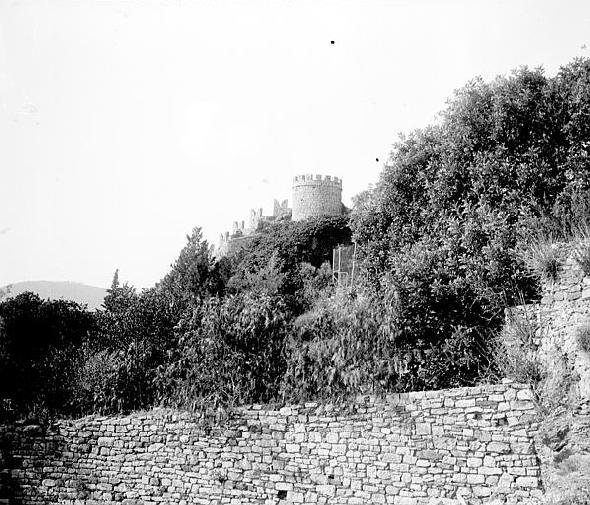
During the medieval era, the Knights of Fos constructed a castle atop Castéou Hill, integrating Giens into Hyères’ defensive network. The peninsula’s unique landscape, with its double tombolos, created sheltered lagoons and salt marshes that formed the backbone of a thriving salt industry from the 10th century until 1995 (ImmoAbroad). The legacy of this era is visible in the restored salt marshes and in the local economy, which has transitioned from salt production to eco-tourism and conservation.
Unique Geographical and Ecological Features
Double Tombolo Formation
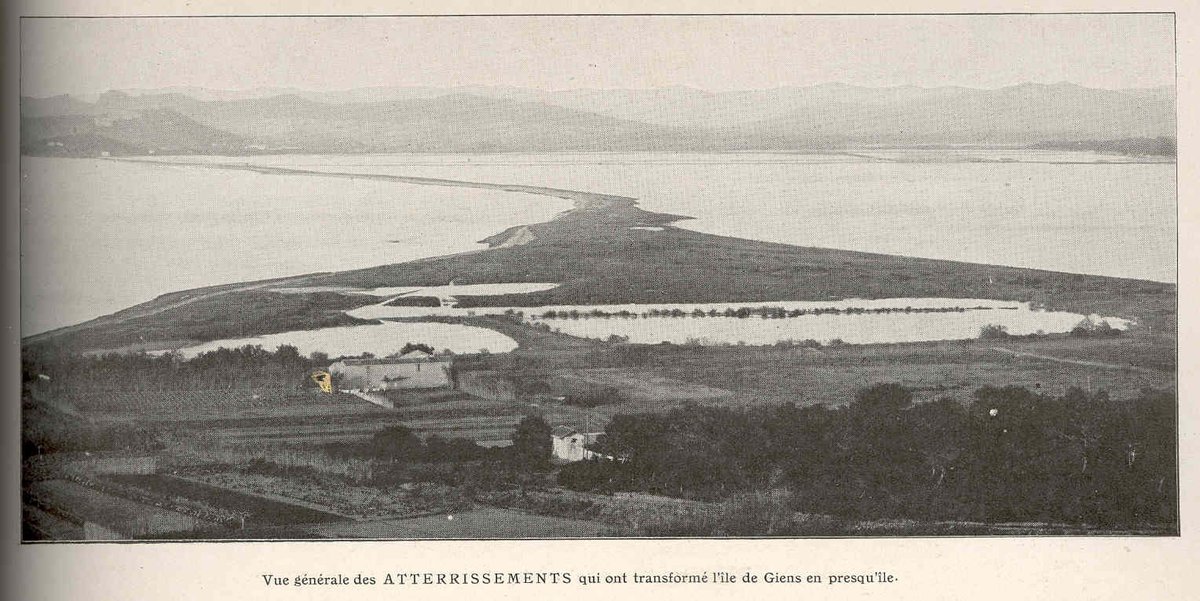
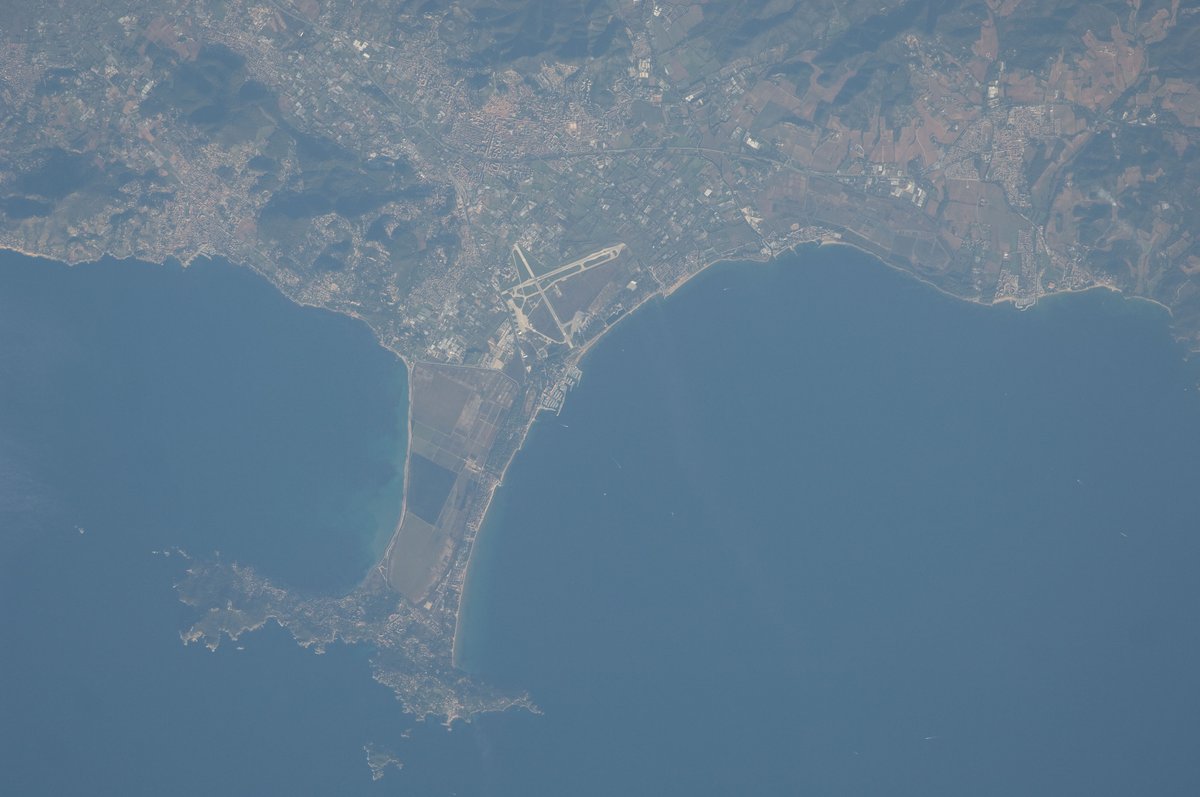
The Giens Peninsula is renowned for its rare double tombolo—a pair of sandy isthmuses connecting the peninsula to the mainland, enclosing a wetland area rich in biodiversity (christineswalkabout.com; francethisway.com). Seen best from above, this formation creates unique habitats and influences local weather and ecology.
Salt Marshes and Wetlands
Between the tombolos lie the Les Pesquiers salt marshes, now protected as nature reserves important for migratory birds. Over 260 bird species have been recorded here, including flamingos and herons (France-Voyage). Guided walks and interpretive trails offer educational opportunities for visitors.
Biodiversity and Conservation
The peninsula is part of the Natura 2000 and Pelagos Sanctuary networks, safeguarding both terrestrial and marine ecosystems (imo.org). Marine mammals, rare plants, and endemic species find refuge here, making conservation a top local priority.
Visiting Hours, Tickets, and Accessibility
- Natural Sites and Beaches Open year-round, free of charge. Some nature reserves may have restricted access during nesting seasons or for guided walks.
- Historical Sites
- Olbia Ruins Typically open 9 AM–6 PM (seasonal variations). Entry fee may apply.
- La Tour Fondue Open April–October, 9 AM–6 PM. Adult ticket ~€5, discounts for children/seniors.
- Salt Museum and Educational Farms Open during peak tourist seasons; consult local tourism websites for exact times and ticket prices.
- Accessibility Many beaches and public areas are accessible, but some trails and historic buildings may be difficult for those with limited mobility. Inquire in advance if needed.
- Guided Tours Available for historical, ecological, and water-based activities. Book online or via tourist offices for up-to-date schedules.
Main Landmarks and Attractions
Natural Sites
- Tombolos and Salt Marshes Explore walking and cycling paths, bird hides, and observation decks (France-Voyage).
- Beaches Plage de l’Almanarre (ideal for wind- and kitesurfing), Plage de la Bergerie, La Capte, and secluded coves like Darboussières offer diverse experiences (Côte d’Azur France).
Cultural & Historical Sites
- Village of Giens Traditional Provençal charm, artisan shops, and weekend markets (France-Voyage).
- Port du Niel Restored 1920s fishing port, open to the public (France Today).
- La Tour Fondue 17th-century fortress and ferry terminal to Porquerolles (France-Voyage).
- Hyères Old Town Easily visited by bus/car, featuring medieval streets and Villa Noailles.
Outdoor Activities
- Water Sports Almanarre Bay is a global hotspot for kitesurfing and windsurfing, with lessons and rentals widely available (Salines Giens).
- Scuba Diving & Snorkeling Multiple diving centers offer excursions to Port-Cros National Park (Côte d’Azur France).
- Hiking & Cycling Coastal trails range from easy walks to challenging hikes with panoramic views.
- Kayaking & Paddleboarding Calm bays ideal for water exploration.
Practical Travel Tips
- Getting There Fly into Toulon-Hyères Airport, take a train to Hyères station, or use local buses (lines 67 and 68) for peninsula access.
- Parking Available at most beaches and accommodations; can be limited in summer.
- Accommodation Options range from campsites (Salines Giens) to boutique hotels and guesthouses. Book early in high season.
- Dining Local cuisine features fresh seafood, olives, honey, and regional wines.
- Weather Mediterranean climate; spring and autumn are ideal for mild weather and smaller crowds.
- Apps & Connectivity Use the “Hyères plages” or Salines Giens apps for beach info and bookings.
Events and Local Culture
- Giens 1900 Festival Early May; Belle Époque costumes, parades, and dances (Holiday Giens).
- Porquerolles Film Festival Ecological cinema on Porquerolles and Giens (June 11–15, 2025) (Provence-Med).
- Mojo Mojo Event June 2–22, 2025, at Salines Giens, with yoga, creative workshops, and guided nature walks.
Frequently Asked Questions (FAQ)
Q: What are the main visiting hours for the Giens Peninsula?
A: Beaches and trails are open year-round. Historical sites and museums typically operate from 9/10 AM to 6 PM with seasonal variation.
Q: Do I need tickets for attractions?
A: Most natural sites are free; historic sites like La Tour Fondue and Olbia may charge €5–€12.
Q: Are guided tours available?
A: Yes, for hiking, water sports, and history. Book through local operators or tourist offices.
Q: Is the area accessible for people with reduced mobility?
A: Many sites are accessible, but some trails and historic buildings may be challenging. Inquire in advance.
Q: How do I reach the Golden Islands?
A: Ferries depart regularly from La Tour Fondue. Tickets and schedules vary by season.