Plan and listen to Departmental Archives Of Isère with Audiala.
Audio guide in your pocket, itinerary in your browser. Built for the way you actually visit.
Introduction
The Departmental Archives of Isère stand as a testament to centuries of regional and national history, located just outside Grenoble in Saint-Martin-d’Hères. Established during the French Revolution in 1790, the archives were founded with the mission of making public records accessible to all citizens—a radical break from the old regime’s exclusivity. Today, this modern facility at 12 rue Georges Pérec safeguards over 43 kilometers of materials, spanning medieval charters, revolutionary documents, and contemporary digital records.
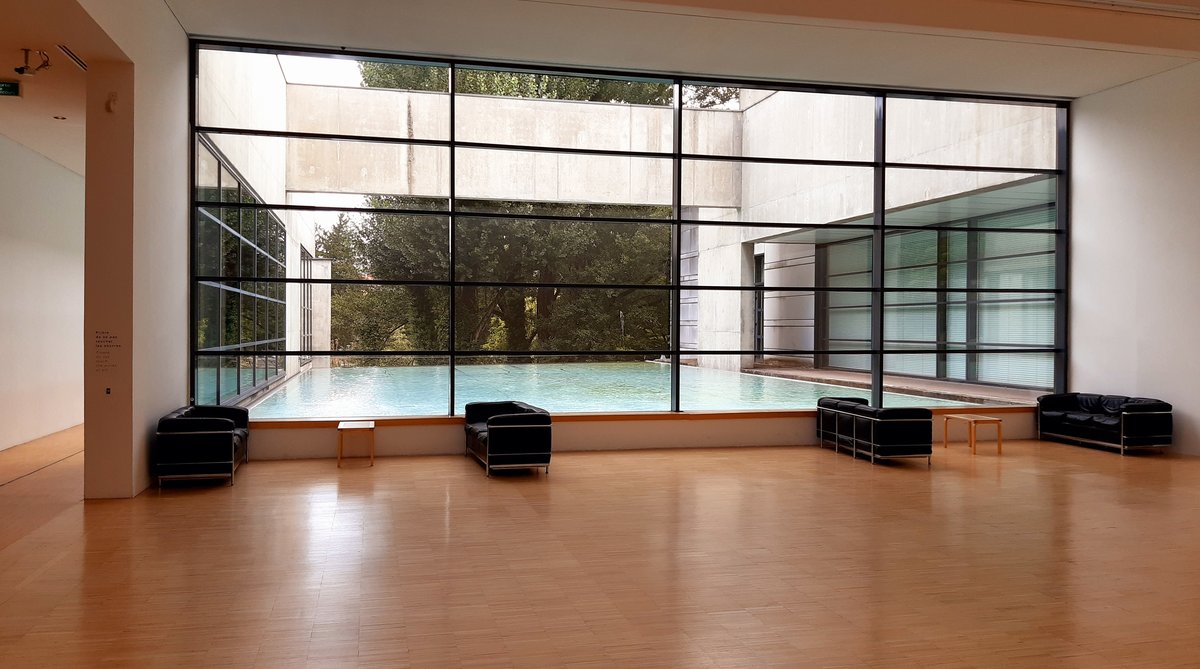
Whether you are a genealogist, historian, student, or traveler, the archives offer free access to extensive collections, expert assistance, and engaging exhibitions. Their innovative architecture reflects Grenoble’s dedication to sustainability and public engagement. This guide provides all the essential details: visiting hours, ticket policy, accessibility, collections, and nearby attractions. Embark on a journey through Grenoble’s past, and make the most of your visit with these comprehensive insights. (Archives Isère, Alpes Isère, FrenchGen)
History and Mission
Origins and Historical Significance
Founded in 1790, the Departmental Archives of Isère were created as part of revolutionary reforms to democratize access to records, previously controlled by the Church and monarchy (FamilySearch). Their collections have steadily expanded, incorporating not only government documents but also private papers, business archives, and materials reflecting the evolving boundaries and social fabric of the Isère and the historic Dauphiné region (Archives Isère).
Mandate and Modern Role
Managed by the Conseil départemental and under the oversight of a State curator (Alpes Isère), the archives collect, preserve, and make accessible records from the 11th century onward. In addition to safeguarding heritage, they actively promote education, research, and cultural initiatives through workshops, exhibitions, and digital platforms.
Collections and Digitization
The archives contain a remarkable range of materials, including:
- Medieval and Early Modern Documents: Charters, feudal records, and early parish registers.
- Revolutionary and Civil Records: Documents tracing the profound changes of 1789 and subsequent centuries.
- Notarial Acts and Legal Papers: Wills, contracts, and property transfers.
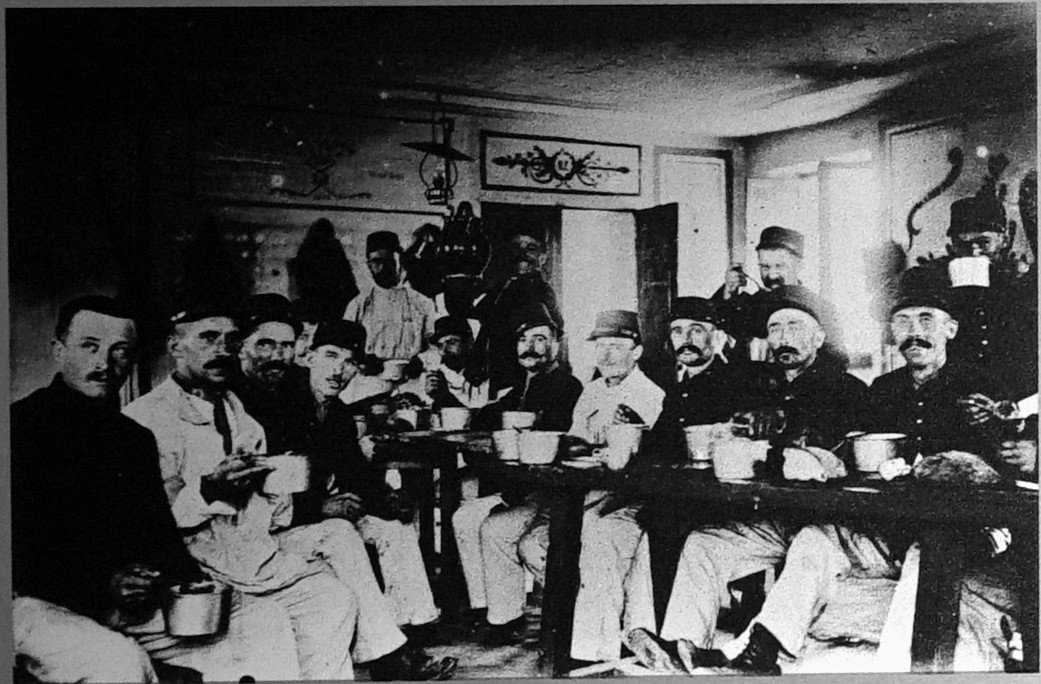
- Military Conscription Lists: Essential for genealogical research.
- Maps and Plans: Including Napoleonic cadastre and local cartography.
- Photographic and Audiovisual Collections: Capturing social and urban transformation.
- Private Archives: Family papers, business records, and association documents.
Special highlights include the correspondence of the Champollion brothers and archives related to major local events.
Digitization and Online Access
Many core collections—such as parish registers, census records, and cadastral maps—are digitized and available through the online portal. Some digital resources may require access from within France (FrenchGen). The virtual inventory room allows for keyword searching and remote research.
Visiting Information
Hours and Tickets
- Monday: 10:30 am – 5:00 pm
- Tuesday: 8:50 am – 7:00 pm (until 5:00 pm during school holidays)
- Wednesday–Friday: 8:50 am – 5:00 pm
- Saturday & Sunday: Closed
- Public Holidays: Closed (Alpes Isère)
Admission: Free for all visitors. No tickets are required. Certain workshops or special exhibitions may need prior registration.
For the most current hours and updates, visit the official website.
Location and Directions
- Address: 12 rue Georges Pérec, 38400 Saint-Martin-d’Hères
- Access: Easily reached via Grenoble’s tramway (tram B, stop: Bibliothèques Universitaires), bus lines, and by car.
- Parking: Limited on-site and nearby options; bicycle parking available.
- Campus Setting: The archives are located near the university campus, close to other cultural and educational sites.
For travel planning, consult the Grenoble Tourism Office.
Accessibility
The building is fully accessible to visitors with reduced mobility, featuring ramps, elevators, adapted restrooms, and assistive technologies for visual and hearing impairments. Staff are available to provide assistance as needed.
Visitor Services
- Reading Rooms: Spacious, well-lit, equipped with desks, Wi-Fi, computers, and microfilm readers. Registration with ID may be required.
- Research Assistance: Archivists are available to guide you through catalog searches and document requests.
- Reproduction: Photocopying and digital scans available for a fee, with restrictions for fragile or rare items.
- Events and Workshops: Regularly scheduled guided tours, lectures, and educational programs for all audiences (Isère Archives).
- Exhibitions: Themed displays of original documents, photographs, and multimedia presentations.
- Amenities: Lockers, accessible restrooms, vending machines, and nearby cafés.
Community Engagement
The archives foster broad participation through:
- Collaborations: Working with schools, associations, and cultural organizations to promote local history.
- Workshops: Offering sessions on genealogy, paleography, and document care.
- Publications: Biannual "Chroniques d’Archives" and monthly newsletters.
- Digital Initiatives: Expanding online access to collections for a global audience (Lise Du Network).
Nearby Attractions
Enhance your visit by exploring Grenoble's rich cultural landscape, such as:
- Musée de Grenoble: Renowned for its art collections.
- The Bastille Fortress: Offering panoramic views of the city and Alps.
- Grenoble Old Town: Historical streets and vibrant markets.
- Chartreuse Mountains: A nature escape just beyond the city.
Find more on Grenoble Tourism.
Frequently Asked Questions (FAQ)
Q: Is an appointment required to use the reading room?
A: No, walk-ins are welcome for general research.
Q: What is the admission fee?
A: Admission is free. Fees apply only for reproduction services or special workshops.
Q: Can I access materials online from abroad?
A: Many records are digitized, but some require a French IP address.
Q: Are guided tours available?
A: Yes, regularly scheduled tours and workshops are offered; check the events calendar.
Q: Is the building accessible?
A: Fully accessible for visitors with disabilities, with ramps, lifts, and adapted facilities.
Q: Can I take photographs?
A: Personal photography (without flash) is allowed in most public areas; restrictions apply in storage zones.
Summary and Staying Updated
The Departmental Archives of Isère blend centuries of historical preservation with architectural innovation and public accessibility. As custodians of regional memory, they offer free entry, extensive digitized resources, and a welcoming environment for researchers and visitors alike. The archives’ modern, eco-friendly building provides optimal conservation and a vibrant space for exhibitions and community events.
For the latest visiting hours, events, and digital resources, consult the official website and follow the archives on social media. Download the Audiala mobile app to access interactive guides and stay informed on upcoming programs. Combine your visit with nearby Grenoble attractions for a full cultural experience.
Listen to the full story in the app
The whole Departmental Archives Of Isère,
told well.
Audio guides for 1,100+ cities across 96 countries. History, stories, and local insight — offline ready.

Verified, and shown.
Researched and written by the Audiala editorial team from historical records, architectural archives, and local expertise.
Researched from Wikidata, Wikipedia & official sources · fact-checked · How we make our guides →