Historical Context
The Need for a New Crossing
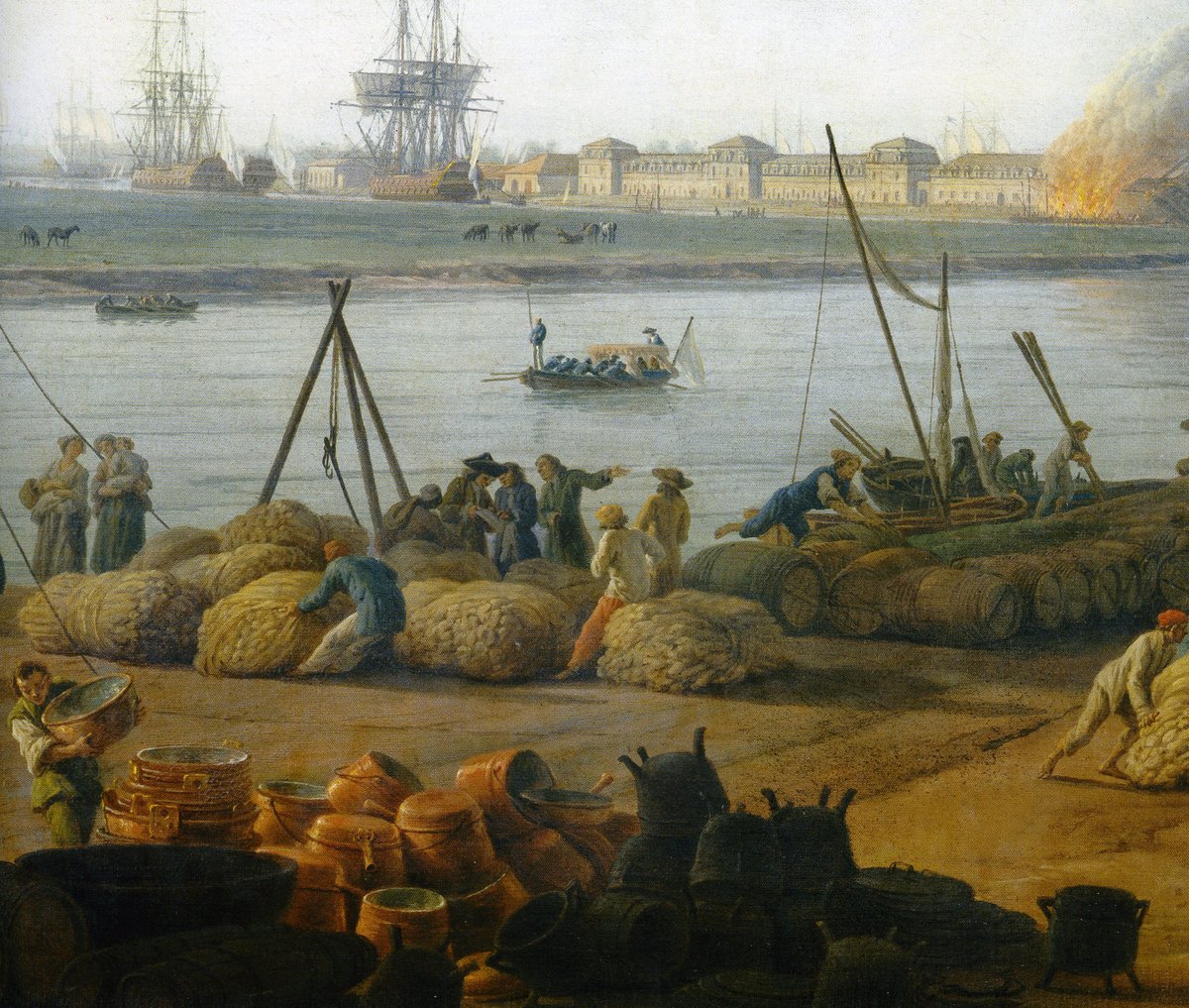
By the late 1800s, the Charente River was vital for trade and naval activity, notably supporting the Arsenal de Rochefort and surrounding ports. Ferry crossings were insufficient for growing pedestrian and vehicular traffic. Authorities sought a solution that would not disrupt the passage of tall-masted vessels navigating the river (Guide Charente Maritime).
Selection of Ferdinand Arnodin’s Design
In 1897, after reviewing multiple proposals, Ferdinand Arnodin’s transporter bridge concept was selected. Known for his expertise in cable-suspended structures, Arnodin’s design offered an uninterrupted flow for river navigation while safely transporting people and vehicles across the span (Wikipedia).
Construction and Inauguration
Construction began in March 1898 and concluded in July 1900, with the bridge inaugurated on July 29, 1900. The project cost 586,500 Francs and immediately gained acclaim for its technical innovation and visual impact (Guide Charente Maritime).
Technical Features and Restoration
The bridge features two metal pylons, each 66.5 meters tall, supporting a horizontal truss from which the gondola (nacelle) is suspended. The entire structure measures 175.5 meters in length. Built of iron, steel, and cast iron, the bridge employs a cable system that allows the gondola to glide smoothly across the river without obstructing maritime traffic (Rochefort Ocean).
The Gondola (Nacelle)
- Original Capacity 9 horse-drawn carriages and 50 pedestrians, or up to 200 pedestrians
- Maximum Load Increased to 16 tons after 1934 reinforcement
- Crossing Time Approximately 75 seconds
- Current Use Pedestrians, cyclists, and mopeds (Wikipedia)
Engineering Innovations
Arnodin’s design used spirally wound steel wire ropes for enhanced stability and safety. The gondola was initially steam-powered, later converted to electric in 1927 (The French Atlantic Coast).
Major Restorations
- 1933–1934 Deck reinforcement, increasing load capacity
- 1967 Closed to regular vehicle traffic, replaced by a vertical lift bridge nearby
- 1976 Designated a Historic Monument (Wikipedia)
- 1980–1994 Major renovations, including replacement of the metal framework and nacelle
- 2016–2020 Restoration of the original trellis deck and reopening for the 120th anniversary (Rochefort Ocean)
Modern wire rope motorization, compliant with ropeway regulations, was installed in 1993 (DEP Engineering).
Visiting Information
Hours and Tickets
Seasonal Operation:
- Open April to early November
- Typical Hours 10:00 AM – 6:00 PM (summer until 7:00 PM); hours may vary by season or event (Pont Transbordeur Official Site).
Tickets:
- Adults €3.50 one-way, €5.50 round-trip
- Reduced (children 6–18, students, seniors) €2.50 one-way, €4.00 round-trip
- Children under 6 Free
- Family/group rates available
Purchase tickets at the kiosks on either riverbank or online via the official website (ticketing info).
Accessibility
- Wheelchair accessible gondola and visitor facilities
- Maison du Transbordeur interpretation center with level access, tactile models, and audio guides
- Staff trained to assist visitors with disabilities (accessibility info)
Directions and Parking
- By Car Signposted from main roads (D733, D137); parking on both shores
- By Train Rochefort station (3 km away); local bus connections
- By Bike Part of the “Vélodyssée” Atlantic cycling route (Vélodyssée)
Guided Tours and Events
- Guided Tours Available in French year-round; English and Spanish in peak season; book at the ticket office or online
- Annual Events The “Fête du Pont Transbordeur” in July; open-air concerts, vintage vehicle rallies, and special illuminations (event calendar)
Visitor Facilities
- Maison du Transbordeur Interactive exhibits, educational workshops, virtual tour of the bridge’s pillar, and temporary exhibitions (Maison du Transbordeur)
- Restrooms Accessible toilets at both embarkation points
- Café Seasonal riverside café with local specialties
- Picnic Areas Shaded spots along the riverbank
Nearby Attractions
- Corderie Royale Historic ropewalk and museum
- Musée National de la Marine Maritime history museum
- Hermione Frigate Replica of the 18th-century ship
- Charente riverfront Walking and cycling trails, scenic viewpoints
Combined tickets and joint tours make it easy to explore Rochefort’s historic sites (Rochefort Tourism).
Cultural and Industrial Impact
Symbol of Industrial Heritage
As France’s only operational transporter bridge and one of the world’s best preserved, the Rochefort-Martrou Transporter Bridge embodies the Belle Époque’s spirit of innovation (Pont Transbordeur). Its silhouette is a defining feature of the region’s landscape and culture.
Community and Educational Value
The bridge is celebrated in local festivals, art, and cinema (notably the film “Les Demoiselles de Rochefort” (IMDb)). The Maison du Transbordeur offers interpretive programs and educational workshops, enhancing its role as a living museum.
Conservation and Community Involvement
Restoration and Sustainability
Restorations use sustainable materials and techniques, with the bridge powered by renewable energy. Conservation addresses structural integrity while retaining historical authenticity (UNESCO Tentative List).
Community Engagement
Local groups and volunteers support guided tours, events, and heritage days, fostering community pride and promoting the bridge as a cultural icon (Facebook, Instagram).
Frequently Asked Questions (FAQ)
Q: What are the Rochefort-Martrou Transporter Bridge visiting hours?
A: Generally April–November, 10:00–18:00 (to 19:00 in summer); check the official website for current details.
Q: How much do tickets cost?
A: Adults: €3.50 one-way, €5.50 round-trip; reduced rates for children, students, and seniors; under 6 free.
Q: Is the bridge wheelchair accessible?
A: Yes, including the gondola and visitor center.
Q: Are guided tours available?
A: Yes, in French year-round and in English/Spanish during peak season.
Q: Can I bring my bicycle or pet?
A: Bicycles are welcome; leashed dogs are permitted on the gondola.
Q: What other attractions are nearby?
A: The Corderie Royale, Musée National de la Marine, and the Hermione frigate.
Discover More
The Rochefort-Martrou Transporter Bridge is more than an engineering wonder—it's a vibrant piece of living history and a focal point of community pride. With accessible facilities, affordable ticketing, and a wealth of nearby attractions, it offers a memorable experience for families, history buffs, cyclists, and travelers of all abilities.
Plan your visit by reviewing the latest hours and ticket information on the official website. Download the Audiala app for interactive tours and updates. Follow the bridge’s social media channels to stay informed about restoration news and upcoming events.
Don’t miss the opportunity to experience one of France’s most iconic historical sites and immerse yourself in the rich maritime, industrial, and cultural heritage of the Charente-Maritime region.