


Place
France Updated Oct 2026
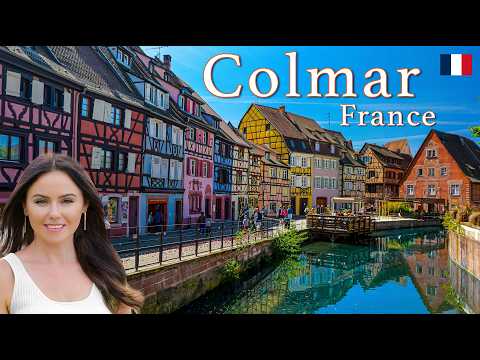
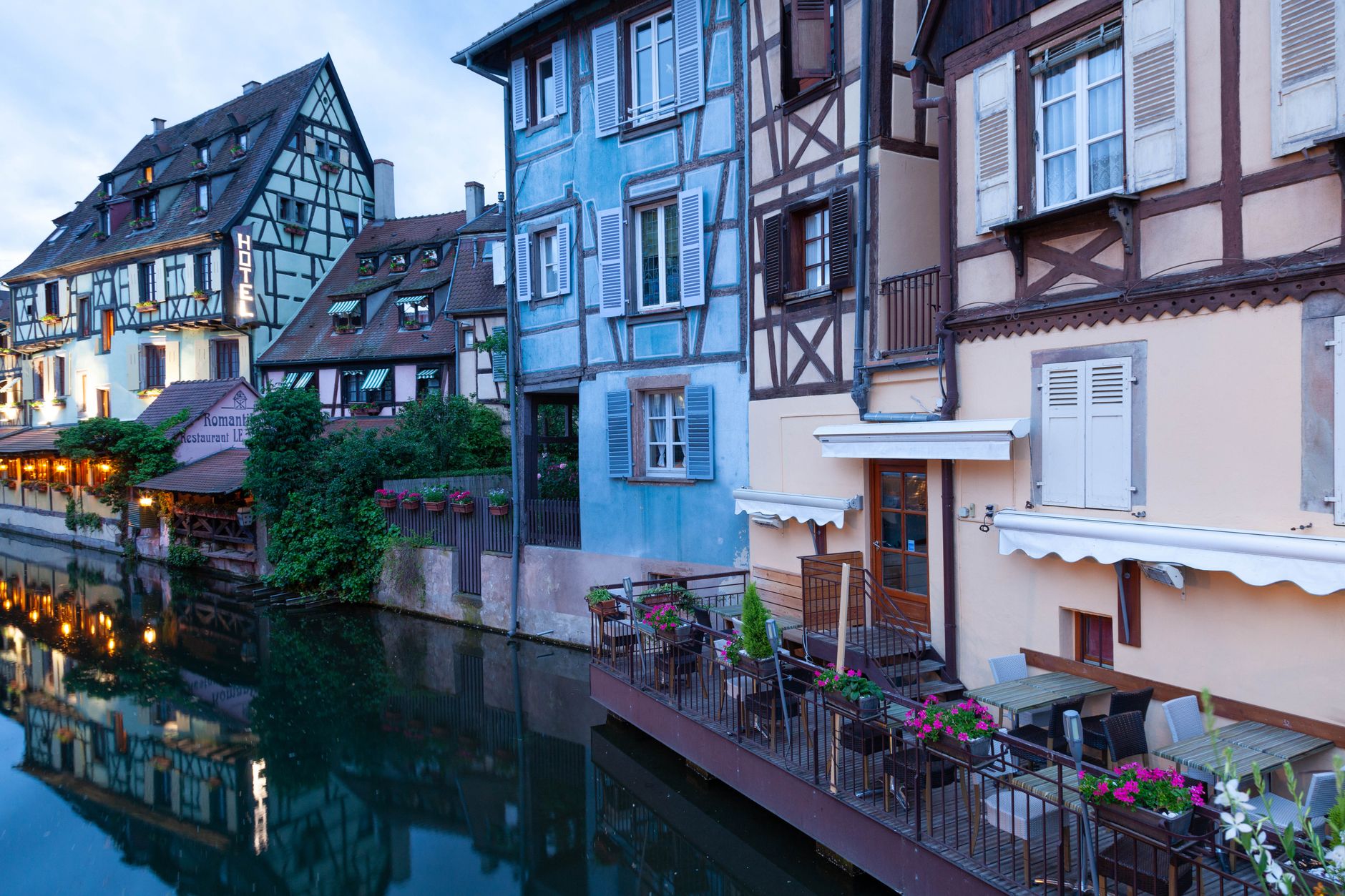
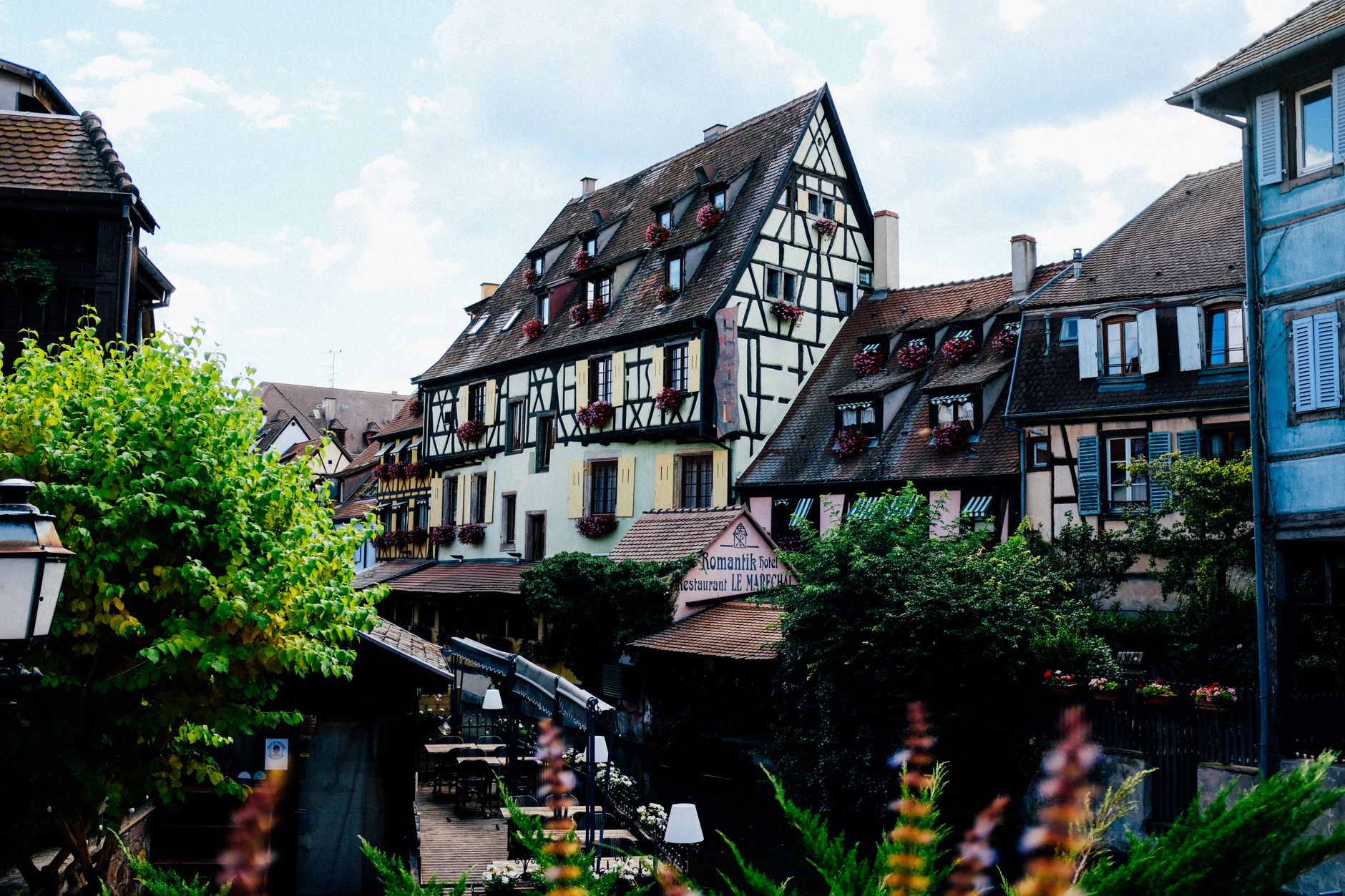
In Colmar, France, the Lauch slips beneath rows of pastel timber houses, their reflections broken by willow branches and the slow passage of flat-bottomed boats. A few streets inland, the Isenheim Altarpiece confronts visitors with a very different kind of beauty: a startling, many-paneled vision painted between 1512 and 1516.
 Photo: sinava-- from Berlin · CC BY 2.0
Built from cited sources · see the method · How we make our guides →
Colmar’s old center rewards looking up and looking twice. The Pfister House, built in 1537, layers painted biblical scenes, a wooden gallery and an octagonal turret above the street; nearby, the Koïfhus, completed in 1480, recalls the city’s former role in Alsatian trade.
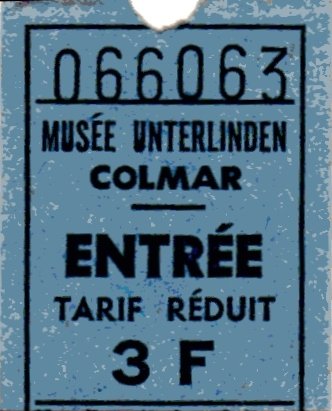
The altarpiece is the heart of the Musée Unterlinden, housed in a 13th-century Dominican convent and extended with a modern wing by Herzog & de Meuron. Its painted panels were made for a hospital monastery, where their images of suffering and healing spoke to patients with Saint Anthony’s Fire.
Colmar is also a working wine town: Riesling, Gewurztraminer and other Alsatian varieties appear on winstub tables alongside tarte flambée and Munster cheese. The covered market brings that daily life to the canal, while Christmas and spring markets add seasonal stalls to the old squares; the town’s prettiest views make more sense once you see the commerce and craft behind them.
Not every monument, just the ones we'd walk you past ourselves.



Where to wander, by quarter — each with its own rhythm.
Before you go
Curated from places in this city. Same price as official sites.


Prices shown are indicative — final pricing and availability are confirmed at checkout. Audiala may receive a commission from bookings made via these links.
A Rhine-side town whose rulers changed more often than its streets
Archaeological finds from the Upper Rhine plain point to farming communities here thousands of years before Colmar appears in writing. They mark human presence in the wider area, not a securely identified foundation date for the town itself.
On June 12, Emperor Louis the Pious issued a deed granting part of the royal forest of Columbarium to the Abbey of Munster. The name, usually translated as “dovecote,” is the first written trace of Colmar.
Emperor Frederick II raised Colmar to the status of a Free Imperial City, placing it directly under imperial authority rather than a local lord. The town gained room to govern itself—and a reason to guard that liberty fiercely.
Builders worked for more than a century on the Gothic collegiate church of Saint Martin, shaping its warm yellow-pink sandstone into pointed arches and a broad nave. The church still anchors the old town, though locals call it a cathedral despite its never having held that rank.
Provost Johannes Roesselmann led Colmar’s militia against the forces of Walter of Geroldseck, the Prince-Bishop of Strasbourg. The attack was repelled, but Roesselmann died in the fighting; his defense became a lasting emblem of the city’s hard-won liberties.
The Black Death reached Alsace amid a wave of anti-Jewish violence, and Jewish communities were attacked across the region. The Colmar Treasure, a cache of jewelry and coins discovered centuries later, is thought to have been hidden during this fearful period.
Colmar joined nine other Alsatian imperial cities in the Décapole, a league for mutual defense and shared interests, ratified by Emperor Charles IV on August 28. Its members met in Colmar’s civic buildings, where trade and politics shared the same tables.
Born in Colmar around this year, Martin Schongauer became a painter and engraver whose finely worked prints circulated far beyond Alsace. His workshop helped make the town a center of northern European art, and his images later drew Albrecht Dürer to Colmar.
The Koïfhus, or Old Customs House, was completed as a place to store goods, collect duties, and conduct civic business. Its patterned glazed roof tiles still signal the wealth Colmar drew from trade.
Matthias Grünewald painted the panels of the Isenheim Altarpiece while Niclaus of Haguenau carved its figures for the Antonite monastery at Isenheim, south of Colmar. Its raw images of suffering and healing would later become the defining treasure of Colmar’s Unterlinden Museum.
Hatter Ludwig Scherer commissioned the house now known as the Maison Pfister, a Renaissance residence with corner oriel windows, a wooden gallery, and painted biblical scenes. Look up from the street and the timberwork seems to lean over the passerby.
On May 14, Colmar’s council formally allowed Protestant worship, bringing the Reformation into a city long shaped by Catholic institutions. Religious life changed by council decision, not by a sudden remaking of every church and household.
Merchant Anton Burger built the Maison des Têtes, whose façade bristles with 106 carved heads and grotesque masks. The bronze cooper perched on its roof came much later, sculpted by Colmar-born Auguste Bartholdi in 1902.
During the Thirty Years’ War, Swedish forces under Field Marshal Gustaf Horn captured Colmar on December 19. Their occupation lasted until 1634 and restored Lutheran influence in the city’s churches, while war kept ordinary life under strain.
The Peace of Westphalia transferred Habsburg rights in Alsace to the French Crown, though Colmar and the other Décapole cities continued to dispute what that meant for their freedoms. The treaty changed the map before it settled the question of who truly ruled the town.
French troops entered Colmar on August 28, and Louis XIV ordered the city disarmed. Around 4,000 royal sappers then dismantled its medieval fortifications, leaving the once-protected town open to the French Crown.
The Treaties of Nijmegen formally ceded Colmar and the Décapole to France, ending the city’s status as a Free Imperial City. Imperial emblems disappeared from public buildings; French royal symbols took their place.
Louis XIV made Colmar the seat of the Sovereign Council of Alsace, bringing the province’s highest court to town. Lawyers, officials, and litigants now filled streets once dominated by merchants and guild business.
A fire destroyed 40 timber houses in the Fishmongers’ Quarter beside the Lauch. The district was rebuilt, so the picturesque canal-side streets carry traces of both medieval trade and later reconstruction.
Voltaire arrived in Colmar in October and spent more than a year consulting the Sovereign Council’s archives and private libraries for his history of the German Empire. In the quiet work of reading legal papers, the famously sharp writer found material for a different kind of argument.
Revolutionary France made Colmar the chief town of the newly created Haut-Rhin department. A city once governed through imperial privileges and royal courts now served a republic’s administrative map.
Frédéric Auguste Bartholdi was born in Colmar, in a house on Rue des Marchands that now bears his name as a museum. His later designs included the Statue of Liberty, but his hometown keeps closer company with his smaller monuments, fountains, and models.
The former Dominican convent opened as the Unterlinden Museum, and the Isenheim Altarpiece was brought to Colmar for preservation and display. In the dim church interior, Grünewald’s painted panels gave the city’s medieval art a public home.
The Treaty of Frankfurt, signed on May 10 after the Franco-Prussian War, transferred Colmar and Alsace to the German Empire. German rule lasted 47 years, and questions of language and political belonging became part of everyday life.
Jean-Jacques Waltz, later known as Hansi, was born in Colmar under German imperial rule. His illustrations and caricatures became pointed expressions of Alsatian attachment to France, turning familiar streets and village scenes into political commentary.
French military units entered Colmar after the Armistice of Compiègne, ending German imperial rule in the city. The Treaty of Versailles formally restored Alsace to France the following year, after decades in which borders had shaped private loyalties as well as public signs.
After France’s defeat, Nazi Germany took control of Alsace and imposed German language and administration in Colmar. Young Alsatians were forced into the Wehrmacht, many against their will; families remember them as the Malgré-nous, “those forced against our will.”
French and American forces fought through the Colmar Pocket in bitter winter conditions, liberating the city on February 2. The wider battle continued until February 9, but Colmar’s old town escaped with comparatively little structural damage.
A 12-meter replica of the Statue of Liberty was installed at Colmar’s northern entrance, marking the centenary of Bartholdi’s death. The sculptor’s far-flung gift to New York thus acquired a smaller, local echo beside the road into his birthplace.
The Unterlinden Museum reopened after a major expansion designed by Herzog & de Meuron, linking the former convent to new exhibition rooms. The change gave Colmar’s collections more room while keeping the Isenheim Altarpiece at the center of the story.
Sculptor · 1834–1904
Born in Colmar
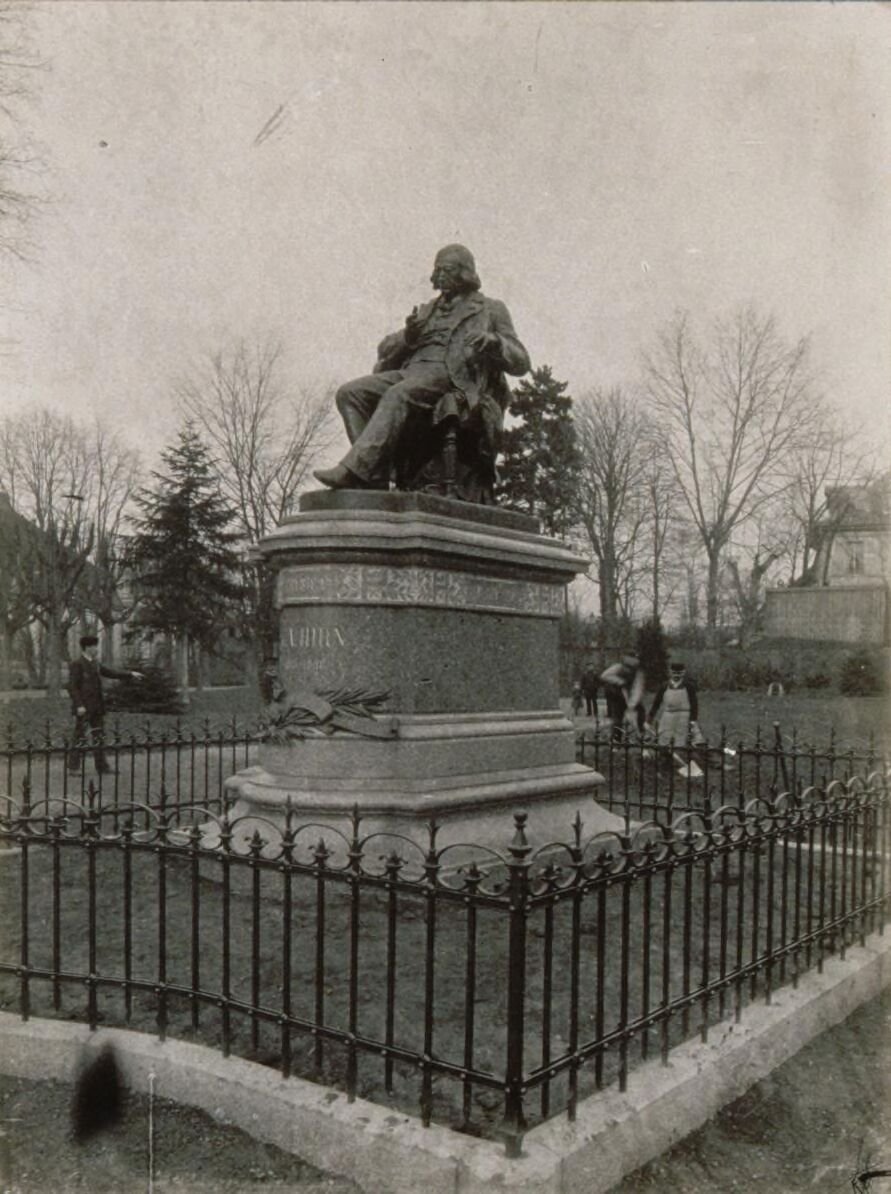
Bartholdi was born in Colmar in 1834; the house on Rue des Marchands where he was born now holds a museum devoted to his work. A 12-meter Statue of Liberty replica at the city’s northern entrance makes his legacy part of the everyday approach to town.
Where locals actually book dinner — not the tourist menus.
Small things that change how the city treats you.
The city, as it actually looks.




Yes, especially if you like historic architecture and art: Colmar pairs canal-side timber houses with the Isenheim Altarpiece at the Unterlinden Museum. It also makes a practical base for Alsace wine villages.
Plan two days for the old town, museums and a slow meal, or three if you want time for a wine-village day trip. The center is compact, but the Unterlinden Museum merits a few unhurried hours.
Walk around the compact historic center, then use the free electric Navette Cœur de Ville for links between the station, central area and parking. TRACE buses serve the local area, and regional buses connect Colmar with nearby wine villages; check current schedules before setting out.
Colmar is generally a low-risk town for visitors, though crowded areas can attract opportunistic pickpockets. Keep valuables secure at the Christmas markets and around Little Venice, and take normal care near the station late at night.
Your daily budget depends on lodging and dining, but local transport has inexpensive options: research-listed fares are about €1.50 for a one-hour ticket and €3.60 for a 24-hour pass. The Colmar City Pass is listed at about €48 for seven days; confirm current prices before travel.
May–June and September–October bring milder weather for walking, cycling and vineyard visits. Late November and December bring the Christmas markets, but accommodation and central streets get much busier.
The central canal district can feel crowded, particularly in summer and during the Christmas markets, but the city offers more than its postcard views. Make time for the Unterlinden Museum, the Tanners’ Quarter and the covered market, or visit in spring or autumn.
12 places to discover


Saved and recently read places — kept on this device only.
Photos may have been resized or cropped.