What Fort de la Mauresque is
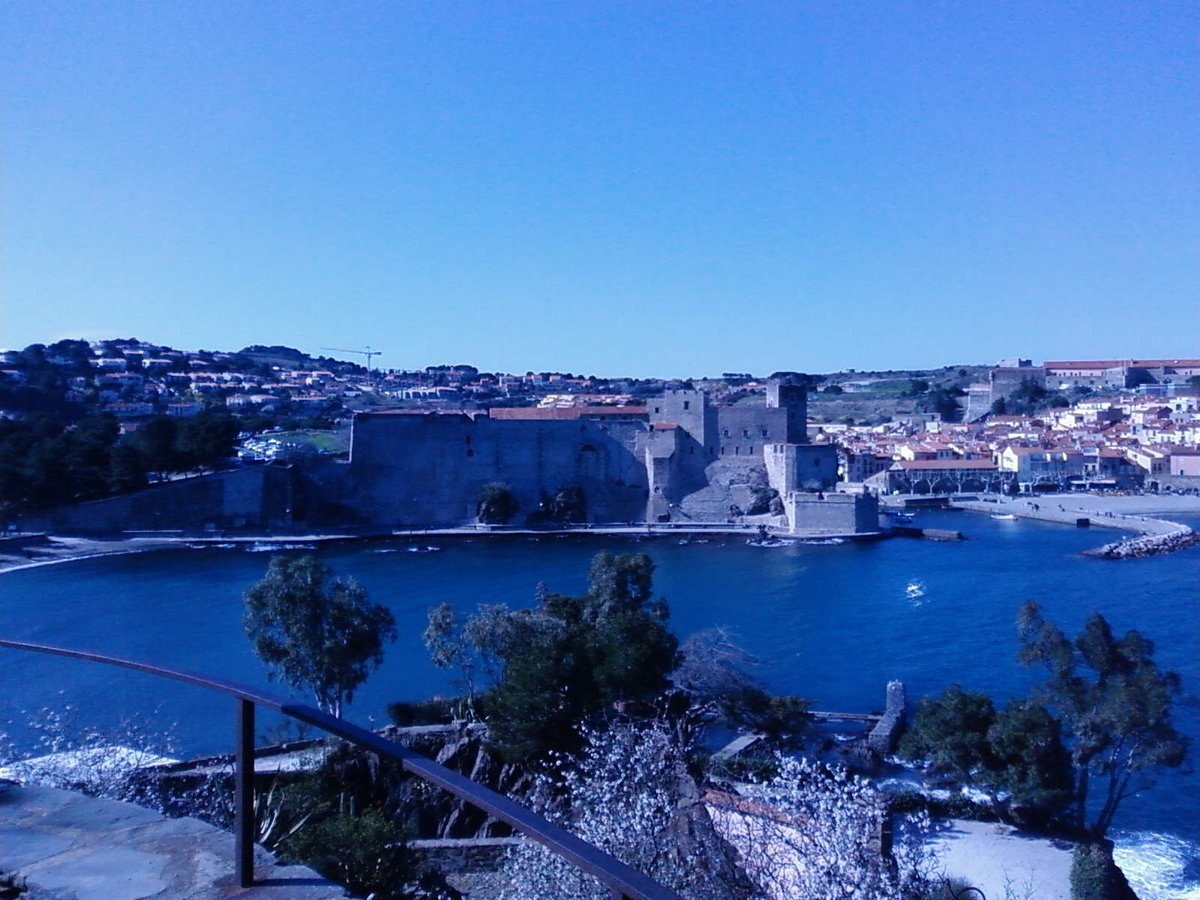
Fort de la Mauresque is a historic fort in Collioure, France. Dating back to the 13th century, it stands on the Mediterranean coast and reflects the town’s cultural and military heritage. Its strategic position made it an important point in regional defense, and today visitors come to explore its history and enjoy views of the Mediterranean Sea and Collioure below (Collioure Tourism).
History
Origins and strategic importance
The fort was built in the 13th century under the reign of the Kingdom of Majorca, when Collioure’s coastal location gave it importance for maritime and military purposes. During the Middle Ages, Fort de la Mauresque formed part of a network of fortifications protecting the town and its harbor. Its position also served as a lookout point, giving advance warning of approaching enemy ships.
Spanish rule and the Vauban era
In the 17th century, the fort was significantly enhanced under Spanish rule. The Treaty of the Pyrenees in 1659 ended the Franco-Spanish War and ceded the Roussillon region, including Collioure, to France. Before then, the Spanish had fortified the town, strengthening Fort de la Mauresque against potential French attacks.
In the late 17th century, King Louis XIV commissioned the French military engineer Sébastien Le Prestre de Vauban to modernize France’s fortifications. Vauban adapted the fort to changing warfare, including the use of artillery. His enhancements included bastions, ramparts, and other defensive structures, improving the fort’s military effectiveness and contributing to its architectural significance (Vauban Fortifications).
Revolution, decline, and restoration
During the French Revolution and Napoleonic Wars, the fort served as a military garrison and helped defend the region against various threats.
Its military importance declined in the 19th century as advances in military technology made traditional fortifications less effective. By the early 20th century, the fort had fallen into disrepair. Its historical and architectural value was later recognized, leading to preservation and restoration efforts.
Modern significance
Today, Fort de la Mauresque is a popular attraction and a testament to the history of Collioure and the influences that have shaped the region.
What to see
Visitors can explore the fort’s historic defenses, including its bastions, ramparts, and other structures associated with Vauban’s enhancements. The fort also offers views of the Mediterranean Sea and the town of Collioure.
Practical visiting information
Opening hours
The fort is typically open from 10:00 AM to 6:00 PM. Check the official website for changes to operating hours.
Tickets
Ticket prices vary depending on the season and any special exhibitions. For current prices, consult the official website or contact the local tourist office.
Guided tours
Guided tours are available and can provide historical context and anecdotes about the fort.
Accessibility
The fort is accessible to most visitors, but some areas have uneven terrain. Visitors with mobility issues should check in advance for specific accessibility information.
Tips
Spring and fall are the best times to visit, when the weather is mild and crowds are smaller, although the fort is a popular destination year-round. Wear comfortable walking shoes for the uneven terrain, and bring a camera to capture the views.
Fort de la Mauresque occasionally hosts historical reenactments, art exhibitions, and cultural festivals. Check the official website for information about upcoming events.
Nearby places and local cuisine
In Collioure, visitors can also explore the Château Royal de Collioure and the Église Notre-Dame-des-Anges, both noted for their historical and architectural interest.
The town is known for seafood and Catalan-inspired dishes. Local restaurants and cafés offer a variety of food to try after visiting the fort.
FAQ
What are the visiting hours?
The fort is typically open from 10:00 AM to 6:00 PM. Check the official website for updates.
How much are tickets?
Prices vary by season and special exhibitions. Consult the official website or contact the local tourist office for current information.
When is the best time to visit?
Spring and fall offer mild weather and smaller crowds. The fort is popular year-round.
Are guided tours available?
Yes. Guided tours are available for visitors seeking more information about the fort’s history and significance.
Is the fort accessible to visitors with mobility issues?
The fort is accessible to most visitors, but some areas have uneven terrain. Check in advance for specific accessibility information.