Plan and listen to Couvent Des Ursulines with Audiala.
Audio guide in your pocket, itinerary in your browser. Built for the way you actually visit.
Introduction
The Couvent des Ursulines in Clermont-Ferrand stands as a profound testament to centuries of religious devotion, pioneering female education, and architectural artistry. Founded in 1616, this convent played a central role in the spiritual and educational life of the city, shaping Clermont-Ferrand’s cultural landscape and reflecting the evolution of French monastic architecture. Today, its well-preserved cloisters, stunning chapel, and distinctive volcanic stone façade invite visitors to explore the rich heritage of the Ursuline order.
This guide offers a detailed overview of the convent’s history, architectural highlights, cultural impact, and practical information including visiting hours, ticketing, accessibility, and travel tips. Whether you are a history enthusiast, architecture lover, or cultural traveler, the Couvent des Ursulines is a must-visit among Clermont-Ferrand’s historical sites.
Historical Background
Origins and Foundation
The Ursuline order, founded by Saint Angela Merici in 1535 in Brescia, Italy, arrived in France at the turn of the 17th century and quickly established communities dedicated to the education of girls and the promotion of Christian values (archives-ursulines.fr). The Couvent des Ursulines in Clermont-Ferrand was founded in 1616, in response to the Council of Trent’s call for the reinforcement of Catholic doctrine through education.
The original convent complex, designed by a Récollet father in 1623, included essential monastic features: chapel, cloister, dormitory, refectory, kitchens, and service areas. The earliest architectural elements, such as the cloister and staircase, date from this period (pop.culture.gouv.fr).
Growth and Educational Mission
Throughout the 17th and 18th centuries, the Couvent des Ursulines flourished as a center for female education. The order’s schools provided young girls with instruction in reading, writing, arithmetic, the arts, and religious studies. Its reputation for academic rigor and Christian formation drew students from across the region (archives-ursulines.fr).
A separate Ursuline convent was also established in the Montferrand district in 1637. The construction of the chapels and baroque retables in both convents during this era highlight the Ursulines’ commitment to both spirituality and the arts (pop.culture.gouv.fr).
Suppression and Restoration
The French Revolution brought sweeping changes to religious life. The nationalization of church property in 1789 led to the confiscation and sale of the Ursuline convents as national assets. The nuns were expelled, and their buildings were repurposed or sold. Despite these hardships, some Ursulines maintained their mission clandestinely (archives-ursulines.fr).
Following the Concordat of 1801, the order was gradually reestablished, and the convent saw renewed educational activity. However, secularization laws in the early 20th century once again forced the dispersion of religious communities, prompting adaptation and lay involvement in the Ursuline educational tradition.
20th–21st Century Transformations
In the 20th century, the former convent buildings found new uses, including serving as a gendarmerie, cultural venue, and community space. Recognizing their historical value, the buildings were listed as Monuments Historiques, ensuring their preservation. Today, they are accessible to the public primarily during heritage events and special guided tours (mairie.biz; monumentum.fr).
Architectural Highlights
Monastic Layout and Cloisters
The Couvent des Ursulines is a prime example of early 17th-century monastic architecture in the Auvergne region. The central cloister, bordered by arcaded galleries, provides a tranquil space for contemplation and remains one of the best-preserved features of the original complex (pop.culture.gouv.fr). The arrangement of dormitories, refectories, and service areas around the cloister reflects the functionality and spiritual focus of Ursuline life.
Chapel and Artistic Features
A highlight of the convent is its chapel, noted for a magnificent painted wooden ceiling from 1656, composed of hundreds of caisson panels adorned with floral motifs and landscapes, many believed to be the work of the Ursuline nuns themselves (Wikipedia). The baroque retable (1723) in the Montferrand chapel and the presence of original altars and stained glass windows further illustrate the artistic achievements of the community.
Façade, Gardens, and Heritage Protection
The main building’s dark volcanic stone façade, classical portal, and mullioned windows are visually striking, harmonizing with Clermont-Ferrand’s architectural identity. The gardens and terraces, with their mature plantings and fountains, offer a peaceful retreat and insight into monastic self-sufficiency.
The convent, its cloisters, chapel, and associated structures are protected as Monuments Historiques, ensuring the survival of their unique architectural and artistic legacy (mairie.biz; monumentum.fr).
Visiting Information
Visiting Hours & Tickets
- Opening Hours: The Couvent des Ursulines is generally open to the public during European Heritage Days (Journées Européennes du Patrimoine) in September and select cultural events. Outside these times, visits may be arranged by special appointment (Clermont-Ferrand tourism office).
- Tickets: Entry is often free during Heritage Days; for other events, check the official website or tourism office for ticketing details. Guided tours may require advance booking due to limited capacity.
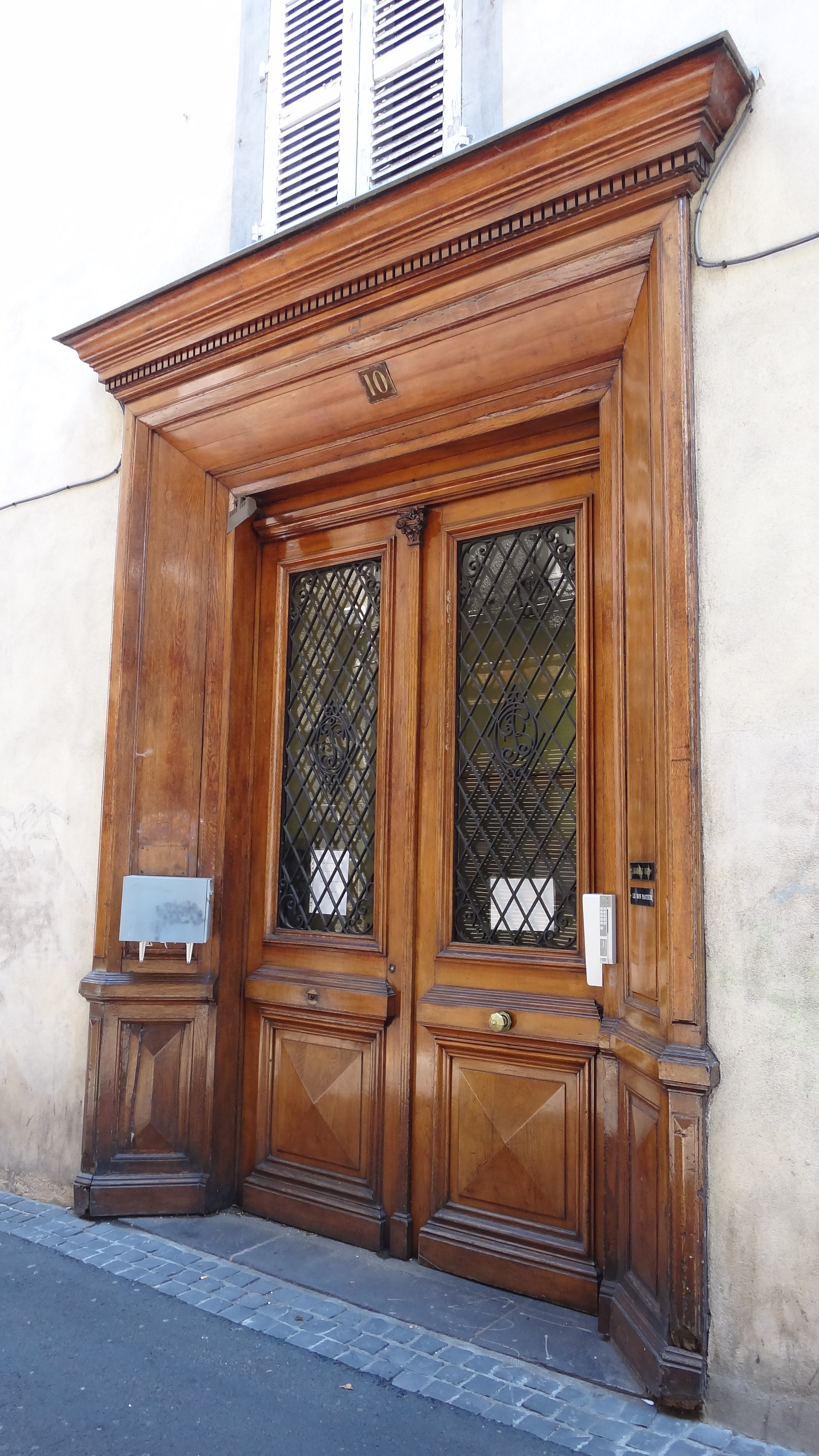
- Location: 8–10 rue du Bon-Pasteur, 63000 Clermont-Ferrand, within walking distance of Place de Jaude and the Cathedral.
Accessibility
Due to the historic nature of the site, some areas (e.g., upper floors, cloister) may have limited accessibility for visitors with reduced mobility. Ramps and adapted restrooms are available in some sections; contact the managing association or tourism office for personalized assistance.
Guided Tours and Events
Guided tours during Heritage Days or by special arrangement provide expert insights into the convent’s history, architecture, and social impact. The site occasionally hosts concerts, exhibitions, and community events, enriching the visitor experience.
Travel Tips & Nearby Attractions
- Combine Visits: Pair your visit with nearby landmarks such as the Cathédrale Notre-Dame-de-l’Assomption, Place de Jaude, and the medieval quarter.
- Getting There: The convent is easily accessible by public transport and is situated in a vibrant, walkable historic district.
- Amenities: Cafés, restaurants, shops, and public restrooms are located nearby.
Cultural and Social Impact
The Ursuline order’s commitment to girls’ education marked a turning point in the history of French society. Their schools opened new avenues for women, promoting literacy, religious instruction, and the arts. The convent also served as a local social hub, hosting charitable initiatives and fostering connections across generations (archives-ursulines.fr; Wikipedia).
The artistic legacy of the Ursulines—especially the chapel ceiling—underscores the creative potential nurtured within the order and contributes to broader discussions of women’s cultural heritage.
Frequently Asked Questions (FAQ)
Q: When can I visit the Couvent des Ursulines?
A: The convent is generally open during European Heritage Days in September and occasionally for guided tours or special events. Advance reservation is recommended.
Q: How much does entry cost?
A: Entry is usually free during Heritage Days. Ticket prices for other events or guided tours may apply; check the tourism office for details.
Q: Is the site accessible to visitors with disabilities?
A: Accessibility is limited in some areas due to historic architecture; contact the association for assistance and information on adapted facilities.
Q: Are guided tours available?
A: Yes, especially during heritage events or by appointment. Tours are often in French, with occasional English options.
Q: What are nearby attractions?
A: The Cathédrale Notre-Dame-de-l’Assomption, Place de Jaude, Jardin Lecoq, and the medieval quarter are all within walking distance.
Q: Is photography allowed?
A: Photography is generally permitted (without flash); restrictions may apply in certain areas.
Listen to the full story in the app
The whole Couvent Des Ursulines,
told well.
Audio guides for 1,100+ cities across 96 countries. History, stories, and local insight — offline ready.

Verified, and shown.
Researched and written by the Audiala editorial team from historical records, architectural archives, and local expertise.
Last reviewed
Researched from Wikidata, Wikipedia & official sources · fact-checked · How we make our guides →