Plan and listen to Clermont-Ferrand Cathedral with Audiala.
Audio guide in your pocket, itinerary in your browser. Built for the way you actually visit.
Introduction
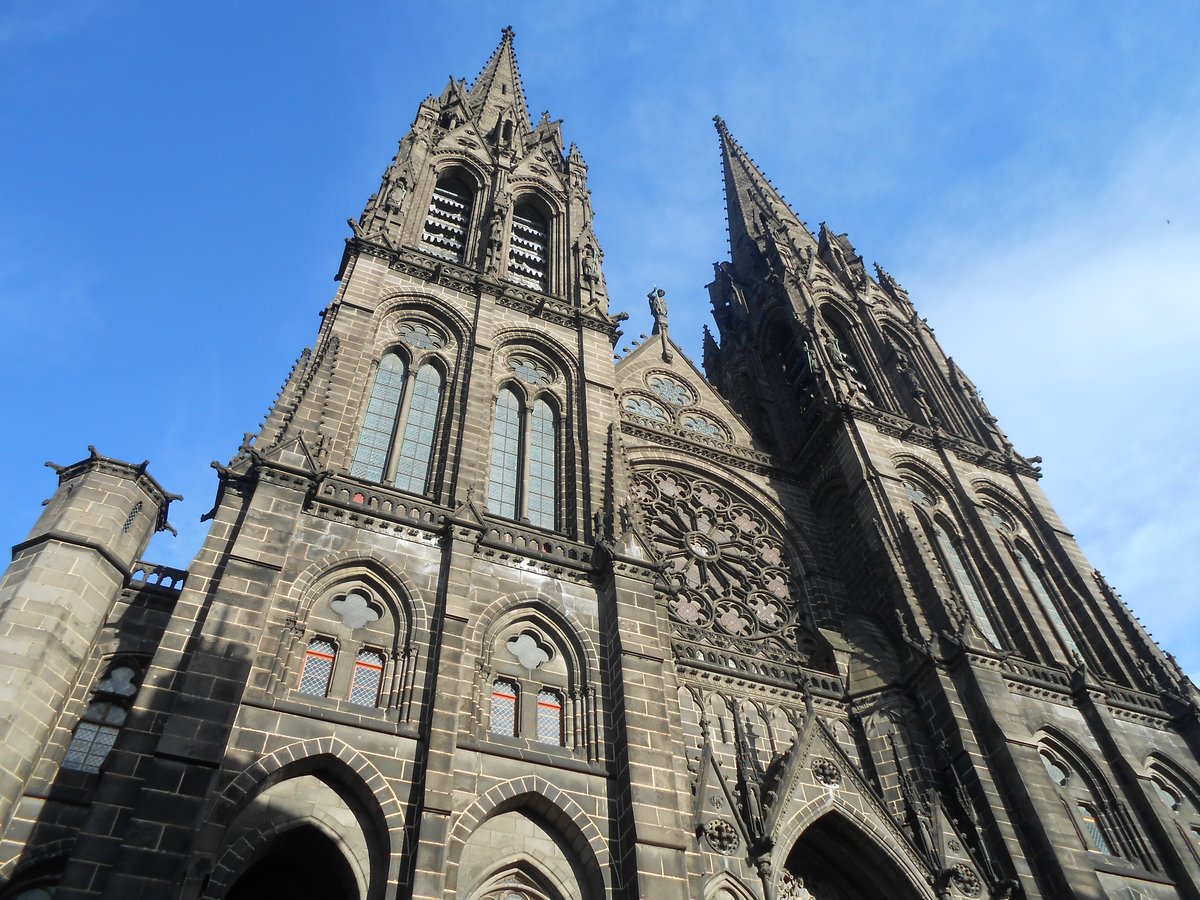
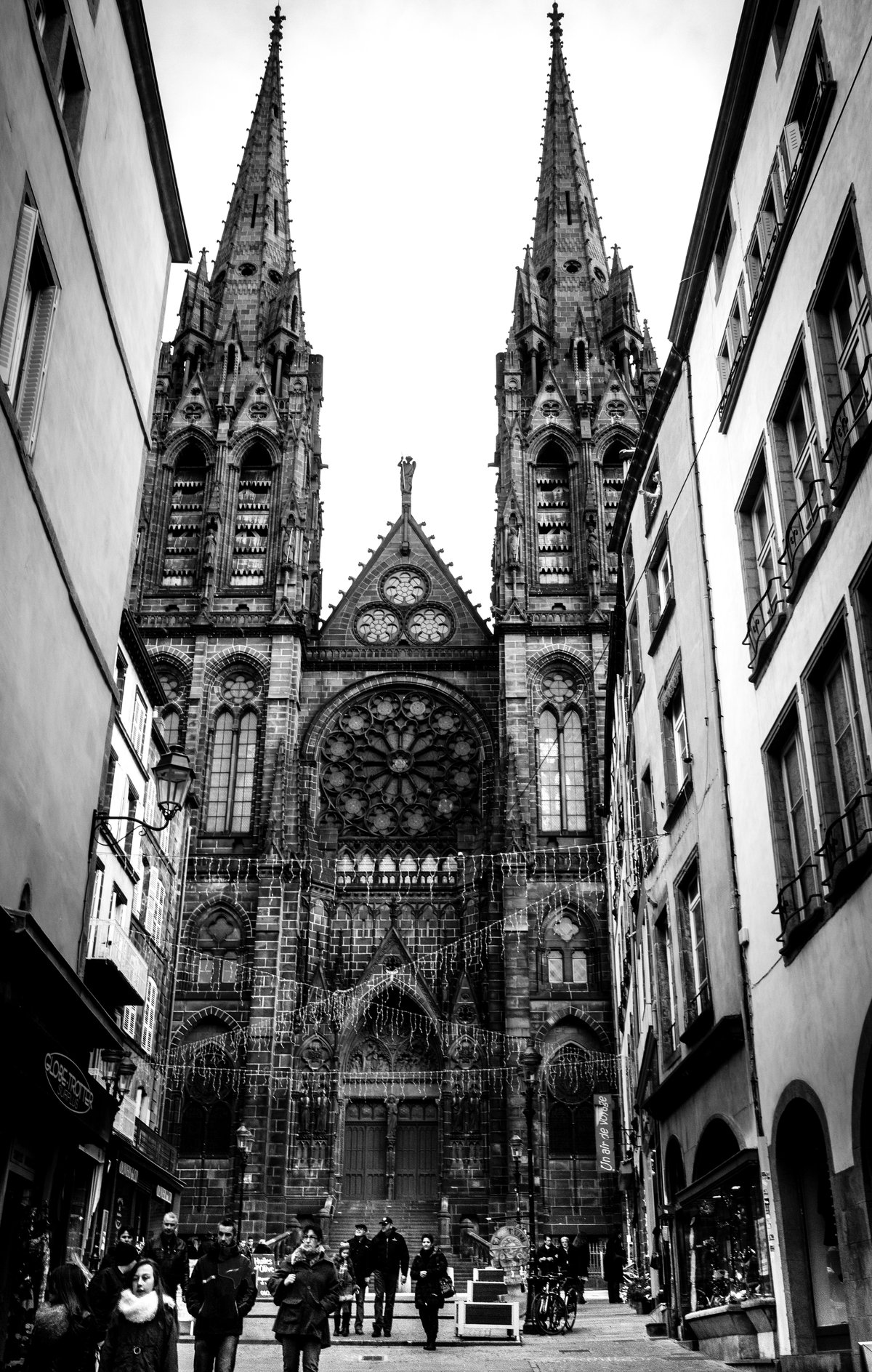
Clermont-Ferrand Cathedral—officially Cathédrale Notre-Dame-de-l’Assomption—is a Gothic masterpiece and one of France’s most distinctive historical landmarks. With its dramatic black Volvic lava stone, twin spires, and centuries-old stained glass, it stands as a testament to the city’s spiritual, architectural, and cultural heritage. Located at the heart of Clermont-Ferrand, the cathedral has borne witness to transformative events such as the Council of Clermont, the launching point of the First Crusade. Today, it remains a vibrant site for worship, tourism, and community gatherings, making it a must-see for any visitor to the Auvergne region (The Complete Pilgrim; Clermont Auvergne Volcans).
This guide provides all you need to know for a memorable visit—covering practical details such as visiting hours, tickets, accessibility, and travel tips, alongside a curated overview of the cathedral’s history, architecture, and nearby attractions.
Visiting Clermont-Ferrand Cathedral: Practical Information
Visiting Hours & Tickets
- Opening Hours: Daily from 8:00 AM to 7:00 PM. Hours may vary for religious holidays or special events—check the official site before your visit.
- Admission: Free general entry. Guided tours and some special events may require advance tickets or a fee.
Accessibility & Amenities
- Mobility: The main entrance and nave are accessible for visitors with limited mobility. Some historic areas may be less accessible; staff can offer assistance.
- Facilities: No restrooms inside, but public facilities are nearby in the city center.
- Support: Audio guides and brochures are available in multiple languages. Assistance for visitors with disabilities can be arranged (Clermont Auvergne Volcans).
Guided Tours & Special Events
- Guided Tours: Available in several languages, typically lasting about an hour. Book via the local tourist office or on-site.
- Events: The cathedral hosts concerts, choral performances, and liturgical celebrations throughout the year. Check schedules on the cathedral’s website or at the tourist office (The Tourist Checklist).
Travel Tips & Getting There
- Location: 8 Place de la Victoire, central Clermont-Ferrand.
- Transport: Easily reached on foot from the historic center, or by tram/bus (stops nearby). The main train station (Clermont-Ferrand Gare) is a 15-minute walk away.
- Parking: Public parking is available near Place de la Victoire.
- Best Visiting Time: Early morning or late afternoon for optimal lighting and fewer crowds.
Early Christian Roots
The site has hosted Christian worship since the late Roman era, with a bishopric established by the 5th century. Earlier churches dedicated to Saint Vitalis and Saint Agricola preceded today’s cathedral, their remnants still visible in the crypt (Wikipedia; The Complete Pilgrim).
The Council of Clermont and Medieval Growth
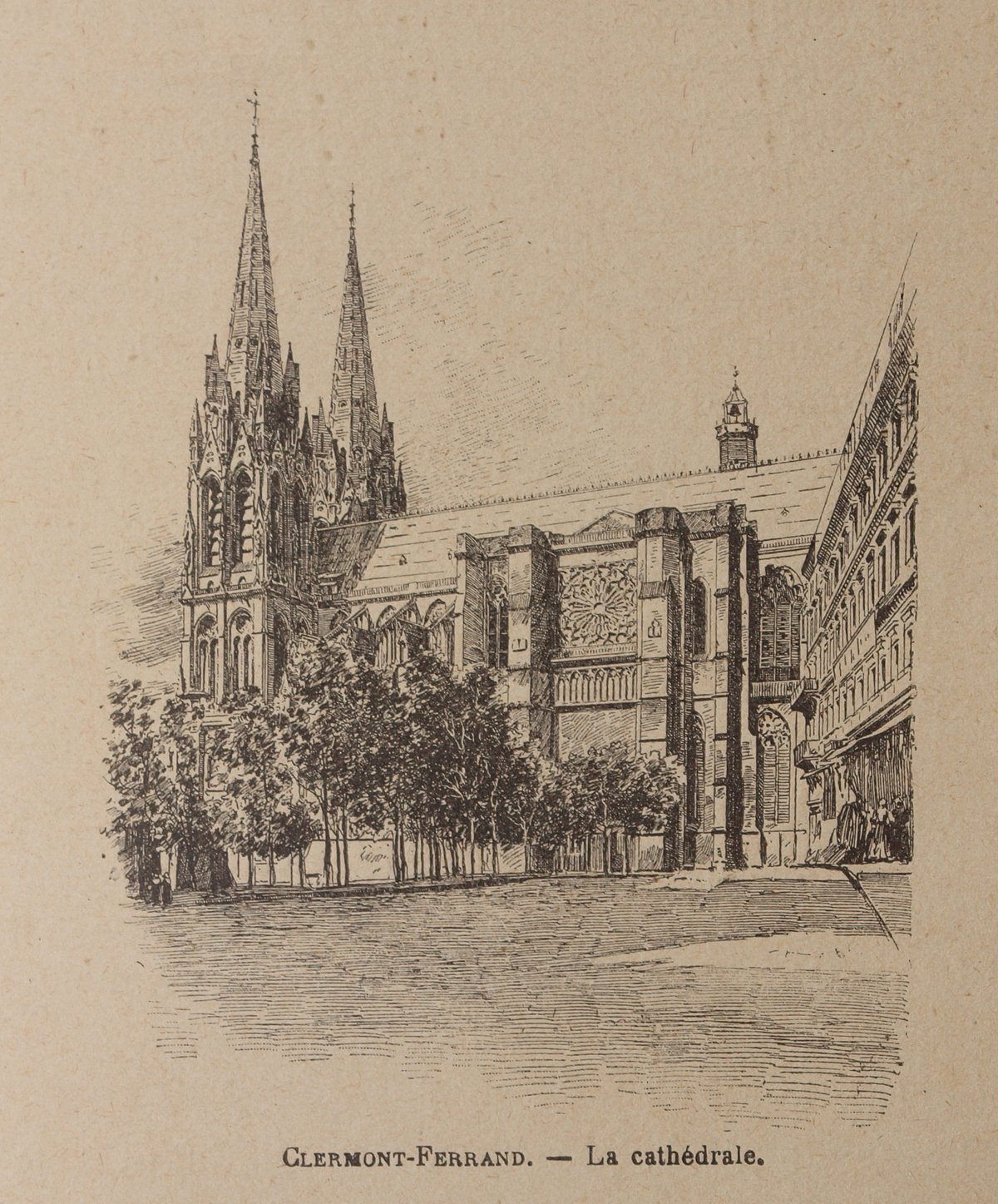
In 1095, the earlier Romanesque cathedral hosted the Council of Clermont, where Pope Urban II called for the First Crusade—one of the most pivotal moments in medieval Christian history. The present Gothic structure was begun in 1248 under Bishop Hugues de la Tour, with design by Jean Deschamps and later additions by Eugène Viollet-le-Duc in the 19th century (The Complete Pilgrim).
Surviving Through the Ages
The cathedral has survived earthquakes, wars, and the French Revolution, when it was uniquely designated a “Temple of Reason.” Restoration in the 19th century saw the completion of its spires and further enhancements, ensuring its preservation as a cultural and religious beacon (Clermont Auvergne Volcans).
Architectural Highlights
Volcanic Stone & Striking Facade
The cathedral’s signature black volcanic stone, sourced from Volvic, sets it apart from any other Gothic cathedral in France. Its twin spires reach 96 meters, making the structure visible across the city (FranceRent).
Soaring Interiors & Stained Glass
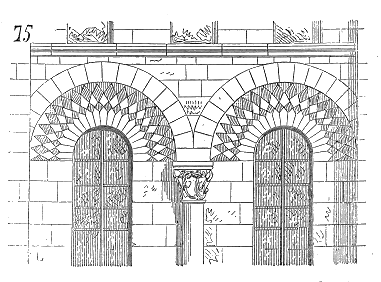
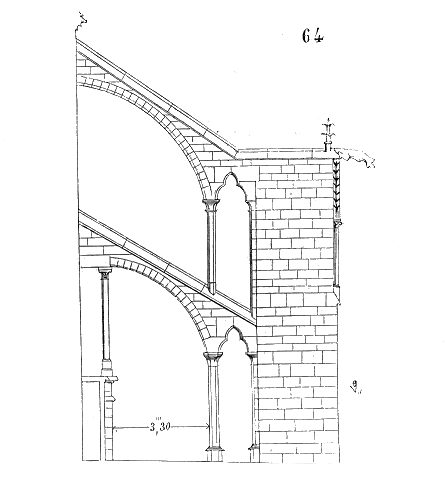
Inside, a vast nave with slender columns leads to a high vaulted ceiling. Some of France’s oldest stained glass windows (13th–14th centuries) fill the space with vibrant light, with the rose window above the main entrance being especially renowned (Atlas Obscura; TripVenture).
Artistic Treasures
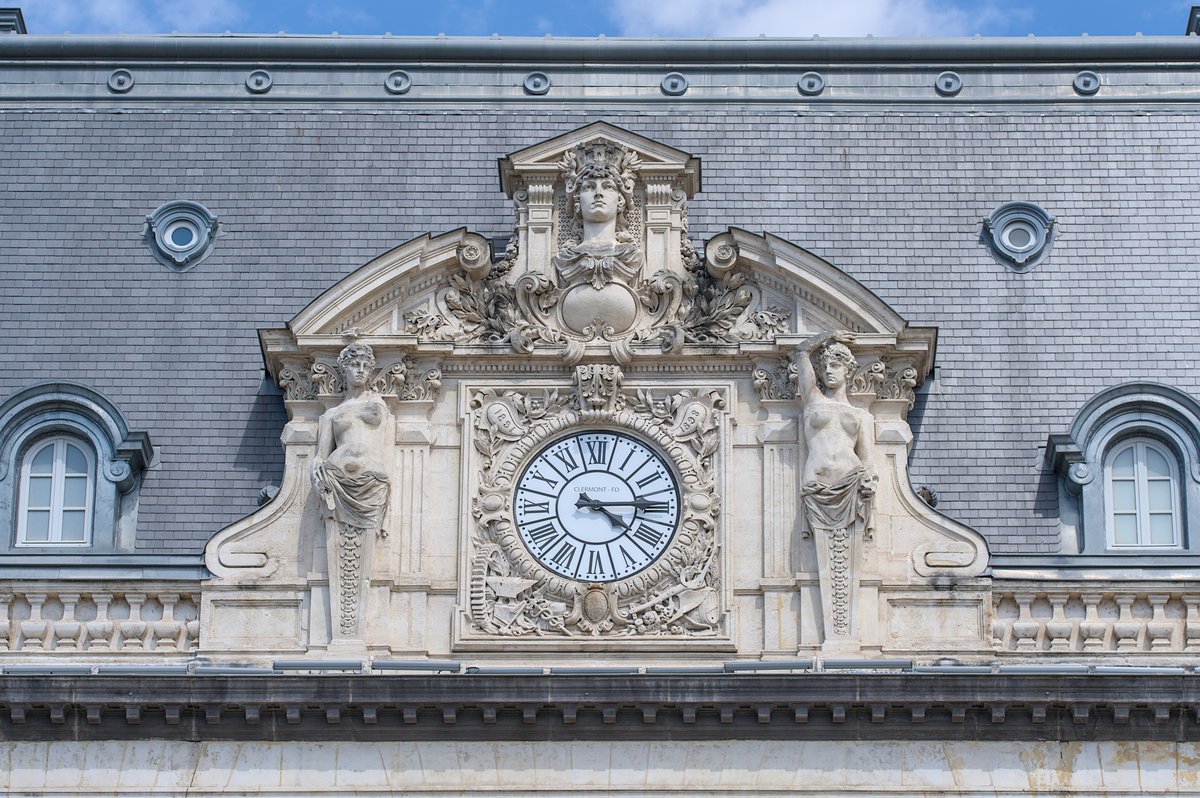
The cathedral contains medieval frescoes, detailed sculptures, and a remarkable 16th-century clock with automaton figures. The crypt, the oldest section, houses relics and early Christian art (Sacred Destinations).
Restoration & Urban Context
Restoration by Viollet-le-Duc in the 19th century respected the original Gothic design while adding new elements like the spires. The cathedral’s location atop a hill provides panoramic views of Clermont-Ferrand and the Chaîne des Puys volcanoes (FranceRent).
Nearby Attractions & Suggested Itineraries
- Basilica of Notre-Dame-du-Port: UNESCO-listed Romanesque church.
- Place de Jaude: Clermont-Ferrand’s main square, lined with shops and cafés.
- Musée de la Boucherie: Displays local history and culture.
- L’Aventure Michelin: Explores the city’s industrial legacy.
- Historic Streets: Medieval lanes with artisan shops and eateries.
Enjoy the vibrant square in front of the cathedral for relaxing, people-watching, or sketching its iconic silhouette (The Tourist Checklist).
Frequently Asked Questions (FAQ)
Q: What are the visiting hours of Clermont-Ferrand Cathedral?
A: Daily, 8:00 AM–7:00 PM, with potential changes during special events or holidays.
Q: Is there an entrance fee?
A: No; general admission is free. Guided tours or event tickets may have a fee.
Q: Is the cathedral accessible for visitors with disabilities?
A: Yes, the main areas are accessible; some historic sections may be less so. Assistance is available.
Q: Can I take photographs inside?
A: Yes, but flash is discouraged and respectful silence is requested during services.
Q: Are there restrooms on-site?
A: No, but public facilities are nearby in the city center.
Summary of Key Points & Recommendations
Clermont-Ferrand Cathedral is a standout for its black volcanic facade, soaring Gothic architecture, and historical significance—from its Romanesque origins to its role in the First Crusade and ongoing community life. With accessible amenities, free entry, and guided tours, it welcomes all visitors to explore its rich past and vibrant present. Combine your visit with nearby attractions for a full experience of Clermont-Ferrand’s historic heart. Early morning or late afternoon visits are ideal for photography and a peaceful atmosphere.
For up-to-date information on events, tours, and amenities, consult the official tourism website. Enhance your experience with the Audiala app’s audio guides and updates.
Listen to the full story in the app
The whole Clermont-Ferrand Cathedral,
told well.
Audio guides for 1,100+ cities across 96 countries. History, stories, and local insight — offline ready.

Verified, and shown.
Researched and written by the Audiala editorial team from historical records, architectural archives, and local expertise.
Cathedral Clermont-Ferrand
Cathédrale Notre-Dame-de-l’Assomption
Things to do in Clermont-Ferrand
Clermont-Ferrand Cathedral
Cathedral of Our Lady of the Assumption
Researched from Wikidata, Wikipedia & official sources · fact-checked · How we make our guides →