
Discover the Canal du Midi: A Historical Marvel and Top Tourist Attraction
The Canal du Midi is a masterpiece of 17th-century engineering and a cherished destination for travelers. Linking the Atlantic Ocean to the Mediterranean, it offers an exceptional blend of history, culture, and leisure. Whether you’re seeking to explore Toulouse’s historical gems or enjoy a tranquil boat tour, this guide provides all the details you need on visiting hours, ticketing, nearby attractions, and travel tips.
The Vision of Pierre-Paul Riquet and the Canal’s Construction
The ambition to create a waterway connecting the Atlantic to the Mediterranean dates back to Roman times, with figures like Augustus and Nero dreaming of such a canal. The project finally came to fruition in the 17th century, thanks to Pierre-Paul Riquet, whose innovative hydraulic solutions made constant water supply possible (European Waterways). Construction, authorized by King Louis XIV in 1666, involved thousands of workers and remarkable engineering achievements such as the Malpas Tunnel and the Fonserannes Locks (Canal du Midi Official).
Visiting Hours & Ticket Information
- Canal Access The canal and its towpaths are accessible year-round.
- Boat Rentals Operate mainly from March through October, typically 9:00 AM–6:00 PM.
- Heritage Sites & Museums Vary by location, generally open 9:00 AM–6:00 PM during peak season; check specific sites for details.
- Boat Rental Prices From approximately €50 per half-day.
- Guided Tours Available in Toulouse and along the canal, ranging from €15 to €40 per person.
- Museum Entry Canal-related museums, such as the Canal du Midi Museum in Toulouse, usually charge a small fee (around €5).
Booking in advance is recommended during peak months. The canal itself can be explored free of charge; tickets are needed for tours, boat rentals, and certain heritage sites.
Getting There & Accessibility
- From Toulouse The canal starts at Port de l’Embouchure, accessible by public transport, car, or air via Toulouse-Blagnac Airport.
- Accessibility Towpaths are mostly flat and suitable for walking and cycling. Many sections are wheelchair-friendly, but some historic sites have limited access—always check ahead.
- Bicycle Transport Regional TER trains allow bikes, making one-way cycling trips convenient (canal-du-midi.com).
Top Attractions and Activities Along the Canal
- Toulouse Historical Sites Explore Port de l’Embouchure, Ponts Jumeaux, and museums highlighting the canal’s history (Toulouse Tourism).
- Boat Cruises Choose from short city cruises to multi-day journeys toward Sète.
- Cycling & Walking The “greenway” towpaths are ideal for cycling and hiking, shaded by plane trees.
- Photography & Nature Capture the iconic Malpas Tunnel, Fonserannes Locks, Saint-Ferréol reservoir, and diverse wildlife.
- Special Events Enjoy festivals, floating concerts, and local markets, particularly in summer.
Guided Tours and Travel Tips
Professional guides in Toulouse and canal towns offer walking, cycling, and boat tours with historical commentary. To enhance your visit:
- Wear comfortable shoes and bring sun protection.
- Carry water and snacks, especially in rural stretches.
- Check weather and seasonal hours for activities.
- Use navigation and event apps such as Audiala.
Historical Background and Significance
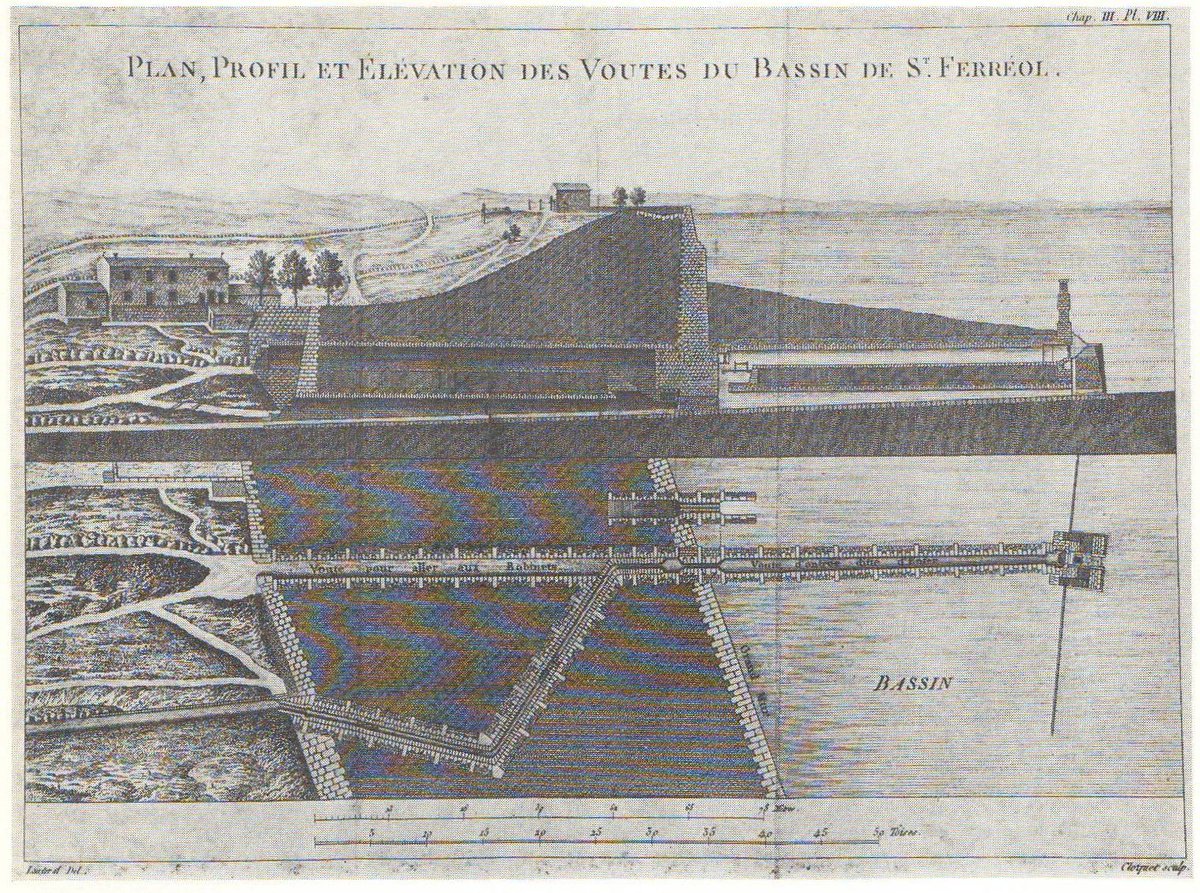
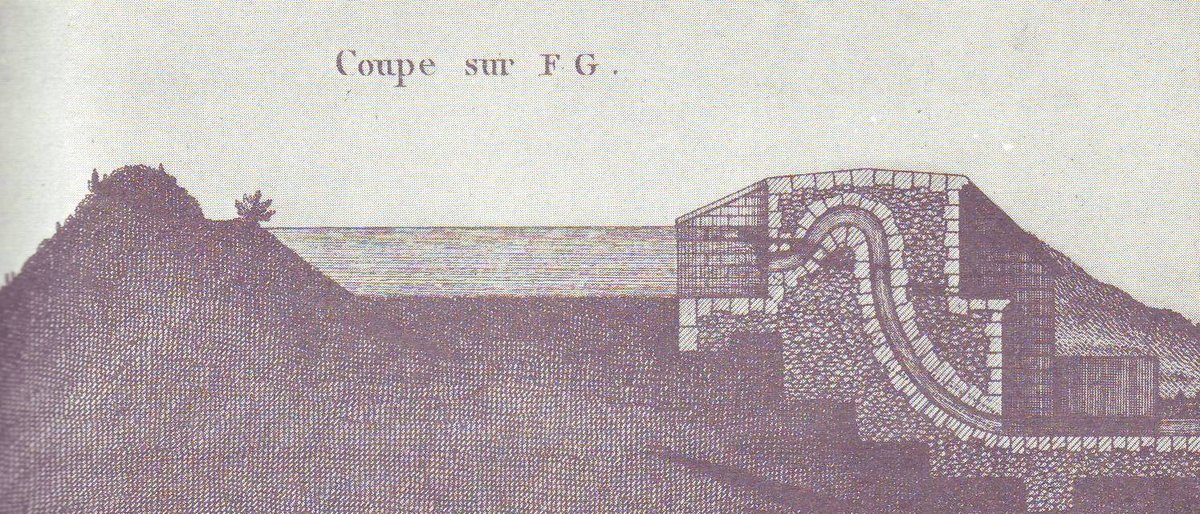
Spanning over 240 km from Toulouse to Sète, the Canal du Midi is a triumph of 17th-century engineering, completed between 1666 and 1681 (UNESCO listing). Its innovative water supply system, sourced from the Montagne Noire and managed at the Bassin de Saint-Ferréol, enabled year-round navigation and transformed southern France’s economy (canal-du-midi.com). The canal’s construction included 328 structures—locks, aqueducts, bridges, and tunnels—establishing it as a benchmark of hydraulic engineering (Tourisme Occitanie).
Exploring from Toulouse: Key Stops and Access Points
Toulouse, known as “La Ville Rose,” serves as the western gateway to the canal. Key attractions include:
- Capitole de Toulouse Neoclassical city hall and theatre.
- Basilica of Saint-Sernin UNESCO-listed Romanesque church.
- Port de la Daurade Historic riverside promenade and launch point for boat tours (Snippets of Paris; Petit Futé).
Tours and boat rentals frequently depart from these locations, especially in the high season (late March–early November).
Modes of Exploration: Boat, Bike, and On Foot
- Boat Rent self-drive houseboats or join guided cruises. No license required; instruction provided (Tourisme Occitanie).
- Bike Flat, well-maintained towpaths make cycling easy. Bike rentals are available in major canal towns (Snippets of Paris).
- On Foot The towpaths are ideal for leisurely strolls or long-distance hikes, with access to villages and vineyards (Frenchly).
Key Stops and Attractions from Toulouse
- Seuil de Naurouze The highest point of the canal and a marvel of engineering.
- Castelnaudary Major port and home of cassoulet.
- Bassin de Saint-Ferréol Reservoir and scenic recreation area.
- Carcassonne Medieval walled city (UNESCO World Heritage Site).
- Le Somail Historic canal-side village.
- Fonserannes Locks (Béziers) Impressive lock staircase with visitor center.
- Agde and the Round Lock Unique triple-direction lock at the Mediterranean end.
Cultural Experiences and Gastronomy
Enjoy regional specialties such as cassoulet in Castelnaudary, explore local wines in the Minervois, and visit converted lock-keeper’s houses now serving as cafes. Summer festivals like Festival Convivencia bring live music to the canal’s waterways (Frenchly; Snippets of Paris).
Practical Visitor Tips
- When to Visit Late spring to early autumn for optimal weather and events (canal-du-midi.com).
- Accommodation Options range from hotels in canal towns to barge stays and campsites (Tourisme Canal du Midi).
- Safety Towpaths are generally flat but can be uneven in rural areas. Flooding is rare, but check for updates during adverse weather.
- Advance Booking Recommended for boat rentals, guided tours, and accommodation in peak season.
Canal du Midi FAQ
Q: What are the Canal du Midi visiting hours?
A: The canal towpaths and public areas are generally open year-round during daylight hours. Boat navigation is allowed from April to October.
Q: Do I need tickets to visit the Canal du Midi?
A: Access to towpaths and most public areas is free. Boat rentals, guided tours, and certain heritage sites require tickets.
Q: Are the towpaths wheelchair accessible?
A: Many sections are accessible, though some historic areas may have limitations.
Q: When is the best time to visit?
A: May, June, September, and October offer pleasant weather and fewer visitors; July and August are busy with events.
Q: Can I rent bikes or boats on-site?
A: Yes, rentals are widely available in Toulouse and other canal towns.
Discover More
Ready to explore the Canal du Midi? Check the latest updates on visiting hours and events on the official Canal du Midi tourism website. Download the Audiala app for offline maps, audio guides, and real-time travel tips. Follow us on social media for more inspiration and practical advice, and explore our other articles on French heritage and waterways.
Summary
The Canal du Midi offers a unique journey through history, nature, and local culture. From Toulouse’s vibrant quays to tranquil shaded towpaths, every visitor can find their ideal way to experience this UNESCO World Heritage Site—by boat, bike, or on foot. Major landmarks, such as the Fonserannes Locks, Malpas Tunnel, and Saint-Ferréol reservoir, demonstrate the canal’s engineering prowess, while the region’s gastronomy and festivals provide a taste of authentic southern France (Tourisme Occitanie; fortravelovers.com).
To make the most of your visit, plan your trip for spring to autumn, book key experiences in advance, and take advantage of digital tools like the Audiala app for navigation and insider information. The Canal du Midi is more than a sightseeing destination—it's an immersive adventure into France’s heartland and heritage.