Introduction
Nestled in the heart of Bordeaux at 5 Rue du Noviciat, the Novitiate Jesuits Building is a remarkable emblem of the city’s religious, educational, and architectural heritage. Established in the late 16th century, this historic site offers a window into the spiritual formation and community life of Jesuit novices who shaped Bordeaux’s cultural landscape for centuries. With origins dating to 1593 and construction commencing in 1612, the building exemplifies classical Jesuit architectural principles—marked by symmetry, restrained ornamentation, and a design tailored to both contemplative and academic pursuits (Monumentum; Jesuits.eu).
Despite periods of suppression and urban transformation, significant portions of the novitiate’s façade and roof remain preserved, earning historic monument status in 1965. While interior access is generally restricted due to private ownership and conservation efforts, the exterior invites reflection on the enduring Jesuit legacy in Bordeaux (pop.culture.gouv.fr; Identification Patrimoine Bordeaux Métropole).
This guide provides a detailed overview of the building’s history, architectural features, visitor information, and practical tips to help you make the most of your visit.
Historical Background
The Novitiate Jesuits Building stands as a testament to the influence of the Society of Jesus in France. The Jesuits, founded in 1540 by St. Ignatius of Loyola, became renowned for their educational and spiritual missions. Bordeaux was selected as the site for the twelfth Jesuit college in France after a visit from François Borgia in 1571. The novitiate was officially established in 1593, with the early community centered around the chapel of La Madeleine. By 1607, the novitiate was fully operational, and in 1611, the community moved to more permanent premises near the church of Sainte-Croix (Monumentum; Identification Patrimoine Bordeaux Métropole).
Architectural Evolution and Features
Jesuit Design and Expansion
Construction of the dedicated novitiate building and chapel began in 1612, reflecting the Jesuits’ vision for spiritual formation and academic rigor. The architecture is defined by regular stone facades, modest religious motifs, and a functional layout conducive to both contemplation and study. A monumental portal, added in 1653 and adorned with benefactors’ coats of arms, remains an architectural highlight (Monumentum).
Although early plans envisioned a larger complex, only portions were realized. The surviving facades and roofing along Rue du Noviciat showcase a cohesive and harmonious design, preserving the original Jesuit aesthetic (Identification Patrimoine Bordeaux Métropole).
Integration with Bordeaux’s Urban Fabric
Located in the Saint-Michel district, the novitiate stands alongside other significant religious and civic buildings, blending seamlessly with Bordeaux’s mix of Gothic, classical, and modern architecture (adventurebackpack.com; wanderlog.com). Its understated elegance contrasts with the nearby Cathédrale Saint-André and complements the broader urban narrative.
The Novitiate’s Role in Bordeaux
For over two centuries, the novitiate was the heart of Jesuit formation in the region. Novices engaged in spiritual exercises, academic study, and community service, preparing for roles in education, ministry, and mission work (Jesuit Werden). The Jesuits’ educational and charitable activities significantly shaped Bordeaux’s intellectual and social life (Jesuits.eu).
Suppression and Urban Transformation
The Society of Jesus was expelled from France in 1762, leading to the confiscation and later sale of the novitiate. Large portions were demolished in the 19th century as Bordeaux’s urban landscape evolved, yet key architectural elements—particularly the facades and roofs—survived these changes (Monumentum). The site’s endurance through periods of upheaval mirrors the broader story of the Jesuits in France.
Heritage Protection and Modern Status
Recognized for its historical significance, the building’s exterior was listed as a protected historic monument in 1965. Though privately owned and with limited public access, the novitiate remains an integral part of Bordeaux’s UNESCO World Heritage zone and serves as a focal point for local heritage events, especially during the annual European Heritage Days (Guide Bordeaux Gironde; monumentum.fr).
Visiting Information: Hours, Tickets, Tours
- Location: 5 Rue du Noviciat, 33000 Bordeaux, France
- Exterior Access: The façade can be viewed year-round from the street.
- Interior Access: Generally restricted, but occasionally available during special events like the European Heritage Days (Bordeaux Tourism).
- Hours: No fixed hours for interior visits; exterior accessible during daylight.
- Tickets: No fee to view the exterior. Special events may require advance booking.
- Guided Tours: Offered during heritage events or by arrangement with local organizations; check Bordeaux Tourism for schedules.
- Accessibility: The exterior is wheelchair accessible. Interior access may be limited due to preservation efforts.
Visitor Experience and Nearby Attractions
Admire the preserved 17th-century facades and consider the building’s historical context while strolling through Bordeaux’s vibrant historic center. Nearby sites include:
- Abbatiale Sainte-Croix
- Porte de la Monnaie
- Basilique Saint-Michel
- Bordeaux Cathedral
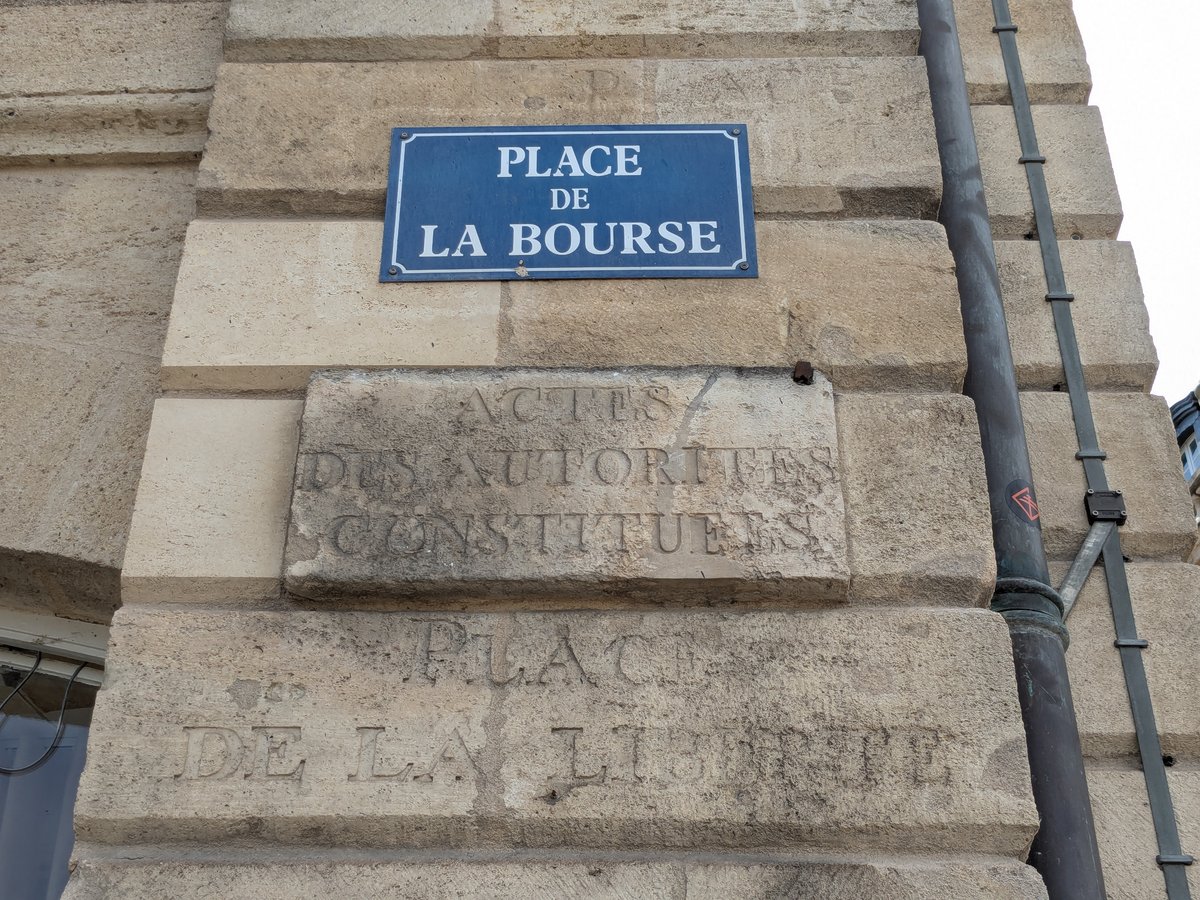
- Place de la Bourse
- Musée d’Aquitaine (nomadicmatt.com)
These landmarks, together with the novitiate, offer an immersive experience of Bordeaux’s religious and cultural evolution.
Frequently Asked Questions (FAQ)
Q: Can I visit the interior of the Novitiate Jesuits Building?
A: Interior access is generally limited to special events such as the European Heritage Days. The exterior is always viewable from the street.
Q: Are tickets required?
A: No tickets are needed to view the exterior. Guided tours during events may require advance registration.
Q: Is the site wheelchair accessible?
A: The exterior is accessible; interior access may be limited.
Q: Are guided tours available?
A: Guided tours are occasionally available during heritage events—check with Bordeaux Tourism for updates.
Q: What are nearby attractions?
A: The building is close to several historic sites, including Bordeaux Cathedral, Basilique Saint-Michel, and the Musée d’Aquitaine.
Listen to the full story in the app
Your Personal Curator, in Your Pocket.
Audio guides for 1,100+ cities across 96 countries. History, stories, and local insight — offline ready.
Audiala App
Available on iOS & Android
Join 50k+ Curators
Sources
- verified
- verified
- verified
- verified
- verified
- verified
- verified
Last reviewed: