Introduction
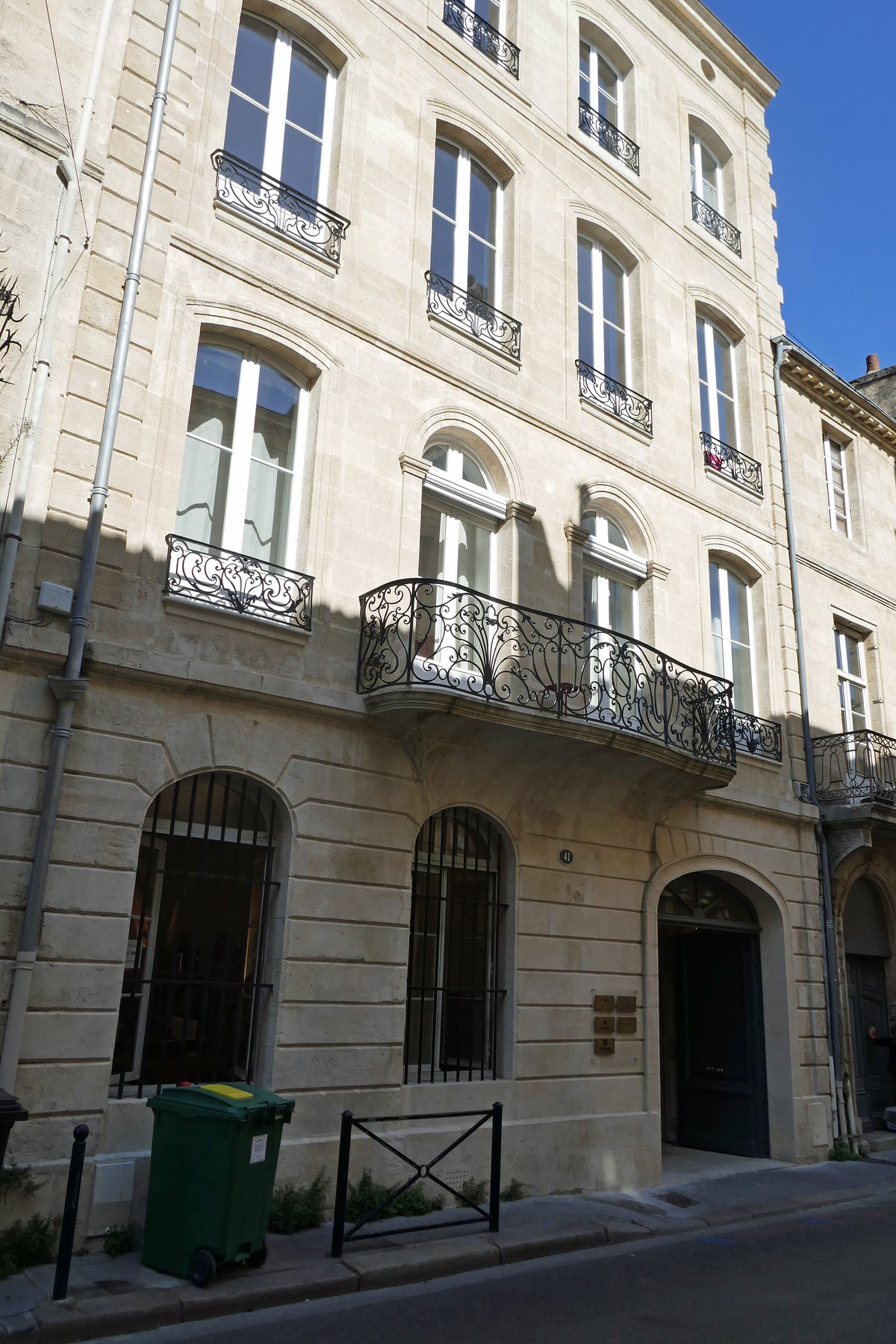
Maison Couturier stands as a remarkable testament to Bordeaux’s mercantile history and architectural excellence. Nestled in the heart of the historic Chartrons district, this 18th-century merchant’s residence offers a rare glimpse into the city’s golden age when Bordeaux flourished as a leading Atlantic port and wine capital. Built circa 1750 by Isaac Couturier, a prominent shipowner and merchant, Maison Couturier embodies the multifunctional "oustau" typology—seamlessly integrating residential quarters, business offices, and storage facilities for exotic goods. Its classical limestone façade, wrought-iron balconies, and preserved interior salons are emblematic of Bordeaux’s Enlightenment-era prosperity and refined urban culture (POP: la plateforme ouverte du patrimoine; Au Cœur de Bordeaux).
Though primarily a private residence, Maison Couturier occasionally opens its doors to the public during special events such as the European Heritage Days, offering exclusive guided tours that illuminate its architectural and historical significance. Whether you are passionate about Bordeaux’s wine heritage, fascinated by French architecture, or eager to delve into merchant history, Maison Couturier is an essential stop for anyone exploring Bordeaux’s rich past (Bordeaux Tourism; Monumentum).
Bordeaux’s Merchant Legacy
Bordeaux’s strategic location on the Garonne River established it as a major trading hub since antiquity. The city’s fortunes soared particularly after the 12th century, following Eleanor of Aquitaine’s marriage to Henry II of England, which opened English markets to Bordeaux wines. The 18th century marked Bordeaux’s golden age, fueled by burgeoning maritime trade and the rise of a powerful merchant class whose influence is visible in the city’s grand architecture.
The Négociant System
The négociants, or wine merchants, played a pivotal role in Bordeaux’s economic development, especially from the 17th century onward. Concentrated in the Chartrons district, they managed the blending, aging, and export of Bordeaux wines, shaping the city’s global reputation. Their wealth led to the construction of elegant townhouses and châteaux, many of which, including Maison Couturier, remain integral to Bordeaux’s urban heritage.
Architectural Highlights
Typology and Design
Maison Couturier exemplifies the "oustau"—a merchant’s house combining residence, office, and warehouse. Built around 1750 for Isaac Couturier, its design is attributed to architect Étienne Dardan, known for his sophisticated hôtels particuliers. The building’s limestone façade, classical proportions, and ornate ironwork are hallmarks of Bordeaux’s 18th-century style (Gralon).
Exterior Features
- Limestone Façade: Warm, honey-colored stone with subtle classical detailing.
- Wrought-Iron Balconies: Exemplary Rococo and early Neoclassical craftsmanship.
- Integration with Medieval Ramparts: The rear of the house incorporates sections of Bordeaux’s ancient city walls, blending past and present (Monumentum).
Interior Layout
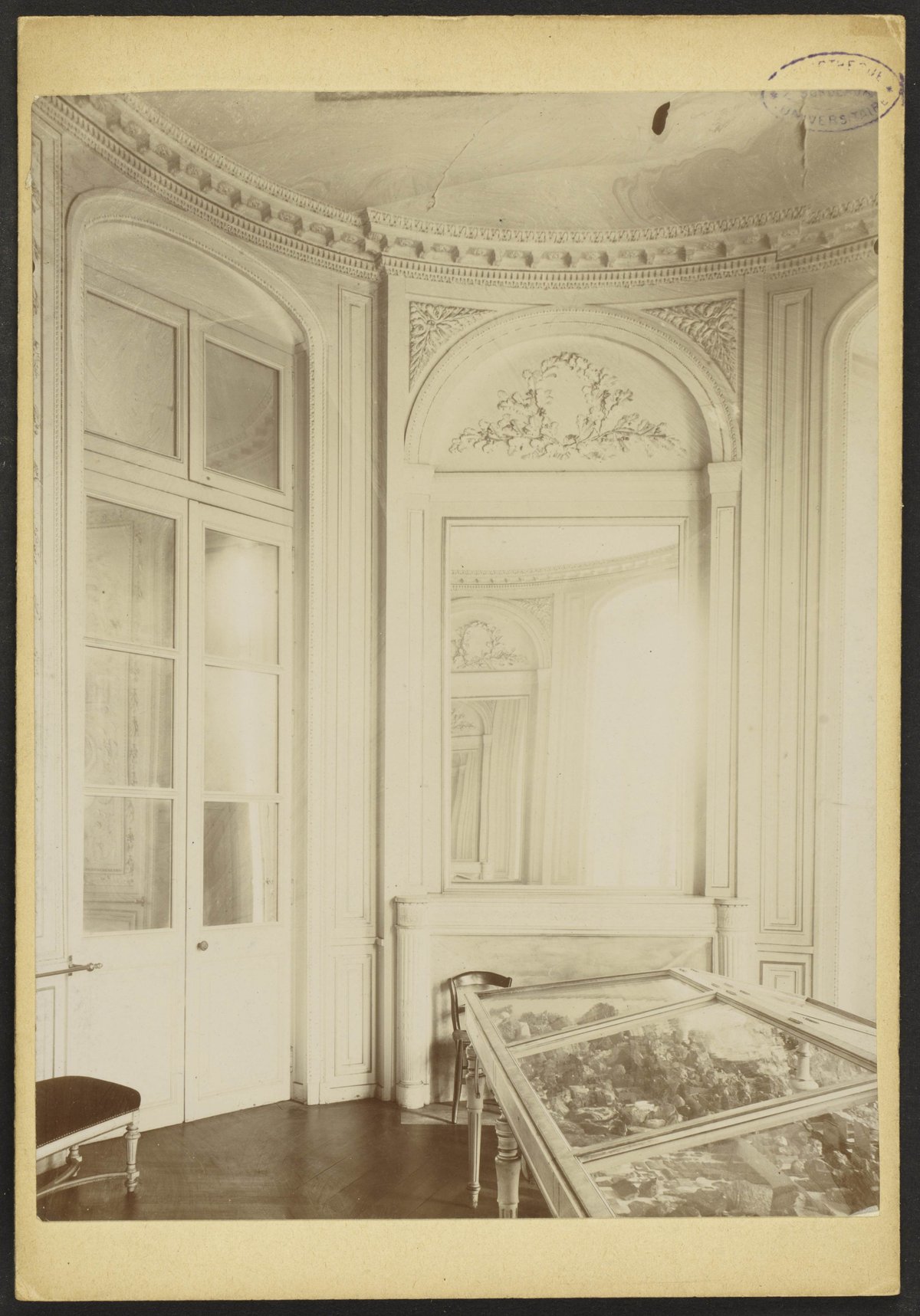
- Reception Salons: A suite of four salons on the first floor for entertaining and business.
- Dining Room: Overlooking a private courtyard and the historic rampart.
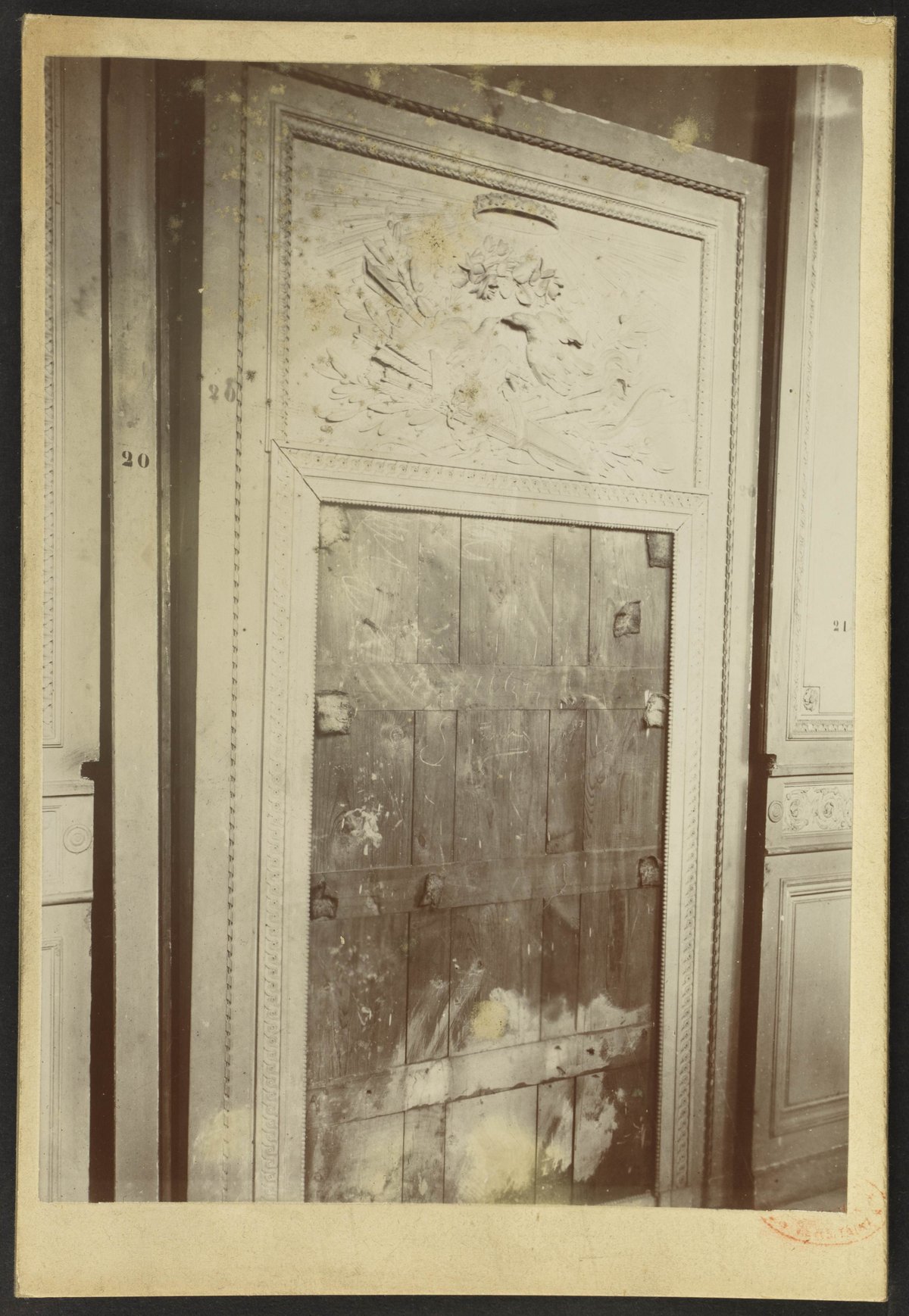
- Green Salon: Retains original wood paneling and a white marble fireplace.
- Cellars: Vaulted, semi-basement spaces for storing goods, accessible via both the street and rear impasse.
Visiting Maison Couturier: Hours & Tickets
Regular Access
Maison Couturier is a private residence and does not offer regular public opening hours or general admission tickets. Visitors can appreciate the façade and architectural details from the street at any time.
Special Access: European Heritage Days
The house opens to the public during the annual European Heritage Days (Journées Européennes du Patrimoine), typically held in mid-September (Journées Européennes du Patrimoine). During these events:
- Hours: Usually from 10:00 AM to 6:00 PM.
- Admission: Free, but advance registration may be required due to high demand and limited capacity.
- Guided Tours: Occasionally available, led by local experts or volunteers.
Advance booking is strongly recommended. Check the official Bordeaux Heritage Days program or contact the Bordeaux Tourist Office for the latest information.
How to Visit: Directions and Tips
Location:
28 rue Rénière / 25 impasse de la Fontaine-Bouquière, Bordeaux, France.
Getting There:
- By Tram: Closest stops are “Grand Théâtre” (Tram B, C) and “Place de la Bourse” (Tram C), followed by a short walk.
- By Foot: The historic center is compact and easily walkable.
- By Bike: Bordeaux’s V3 bike-sharing system is convenient for exploring the city.
- By Car: Use nearby underground car parks (“Parking Bourse” or “Parking Camille Jullian”) as street parking is limited.
Tips:
- Plan ahead for Heritage Days or other special openings.
- Wear comfortable shoes for cobblestone streets.
- Respect the privacy of residents and heritage guidelines during your visit.
Nearby Attractions
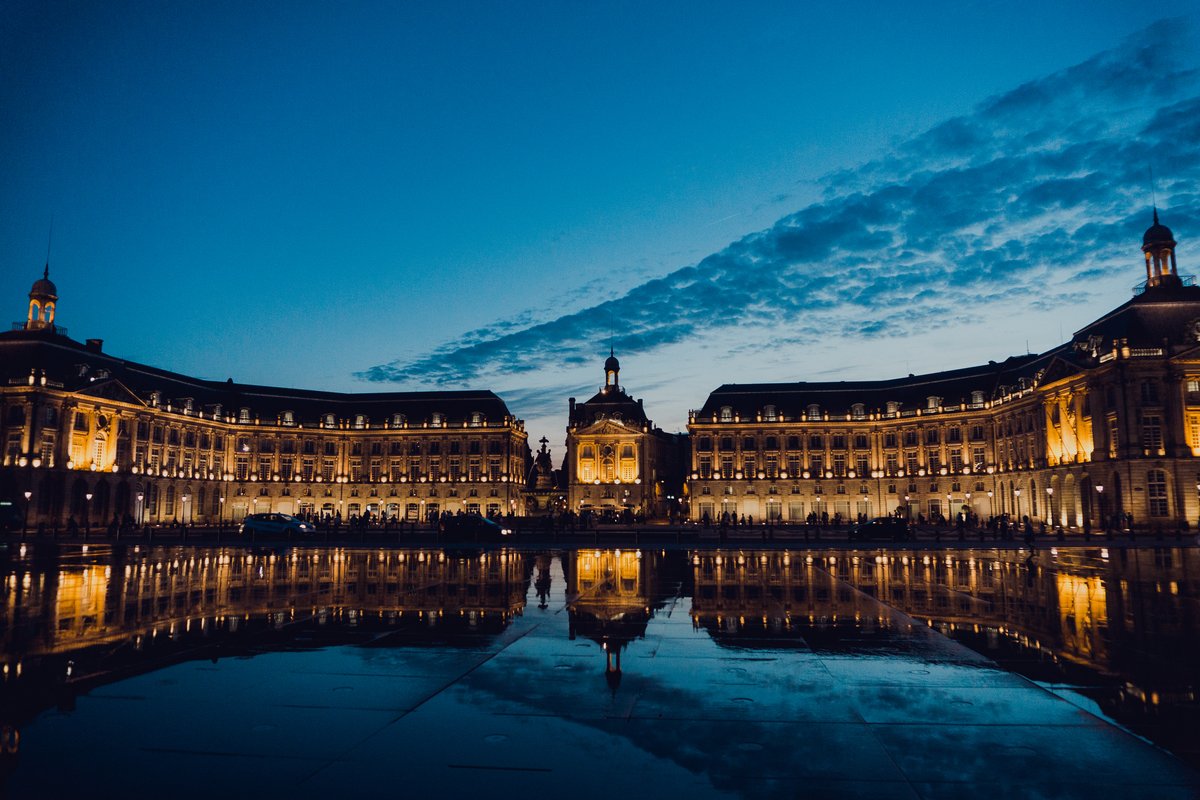
- Place de la Bourse & Miroir d’Eau: Iconic 18th-century square and reflecting pool.
- Grand Théâtre: A masterpiece of neoclassical architecture.
- Chartrons District: Known for wine bars, antique shops, and the Musée du Vin et du Négoce.
- Rue Sainte-Catherine: Europe’s longest pedestrian shopping street.
- Marché des Capucins: Bordeaux’s largest food market (Voyage Tips; Dreaming in French Blog).
Accessibility and Visitor Experience
- Mobility: Exterior is street-accessible; interior access is limited and historic features may pose challenges for those with mobility impairments.
- Language: Guided tours, when available, are often in French; some may offer English explanations.
- Photography: Exterior photography is welcome; interior photography policies vary during Heritage Days.
- Amenities: Nearby cafés, restaurants, and public toilets are plentiful in the historic center.
Frequently Asked Questions (FAQ)
Q: What are Maison Couturier’s regular visiting hours?
A: The house is only open to the public during special events like European Heritage Days, usually in mid-September.
Q: Is there an entrance fee?
A: During Heritage Days, entry is free but may require advance booking.
Q: How do I book a tour?
A: Through the official Heritage Days website or the Bordeaux Tourist Office.
Q: Is Maison Couturier wheelchair accessible?
A: The exterior is accessible, but interior access is limited due to historic features.
Q: Can I take photographs?
A: Yes, of the exterior; interior photography depends on event policies.
Visuals and Media
- Photographs: High-quality images of Maison Couturier’s façade, ironwork, and integration with the medieval ramparts are recommended.
- Alt Text: Use descriptions such as "Maison Couturier Bordeaux façade" or "18th-century interior at Maison Couturier" for accessibility and SEO.
- Virtual Tours: Occasionally offered via the Bordeaux heritage portal, providing an immersive digital experience.
Related Articles and Further Exploration
Listen to the full story in the app
Your Personal Curator, in Your Pocket.
Audio guides for 1,100+ cities across 96 countries. History, stories, and local insight — offline ready.
Audiala App
Available on iOS & Android
Join 50k+ Curators
Sources
-
verified
POP: la plateforme ouverte du patrimoine
Maison Couturier, Bordeaux
-
verified
Au Cœur de Bordeaux
Discover Bordeaux: A Journey Through History and Culture
-
verified
Bordeaux Tourism
Practical Information and Tickets
-
verified
Monumentum
Maison dite Maison Couturier, Bordeaux
-
verified
Journées Européennes du Patrimoine
Official Heritage Days Program
Last reviewed: