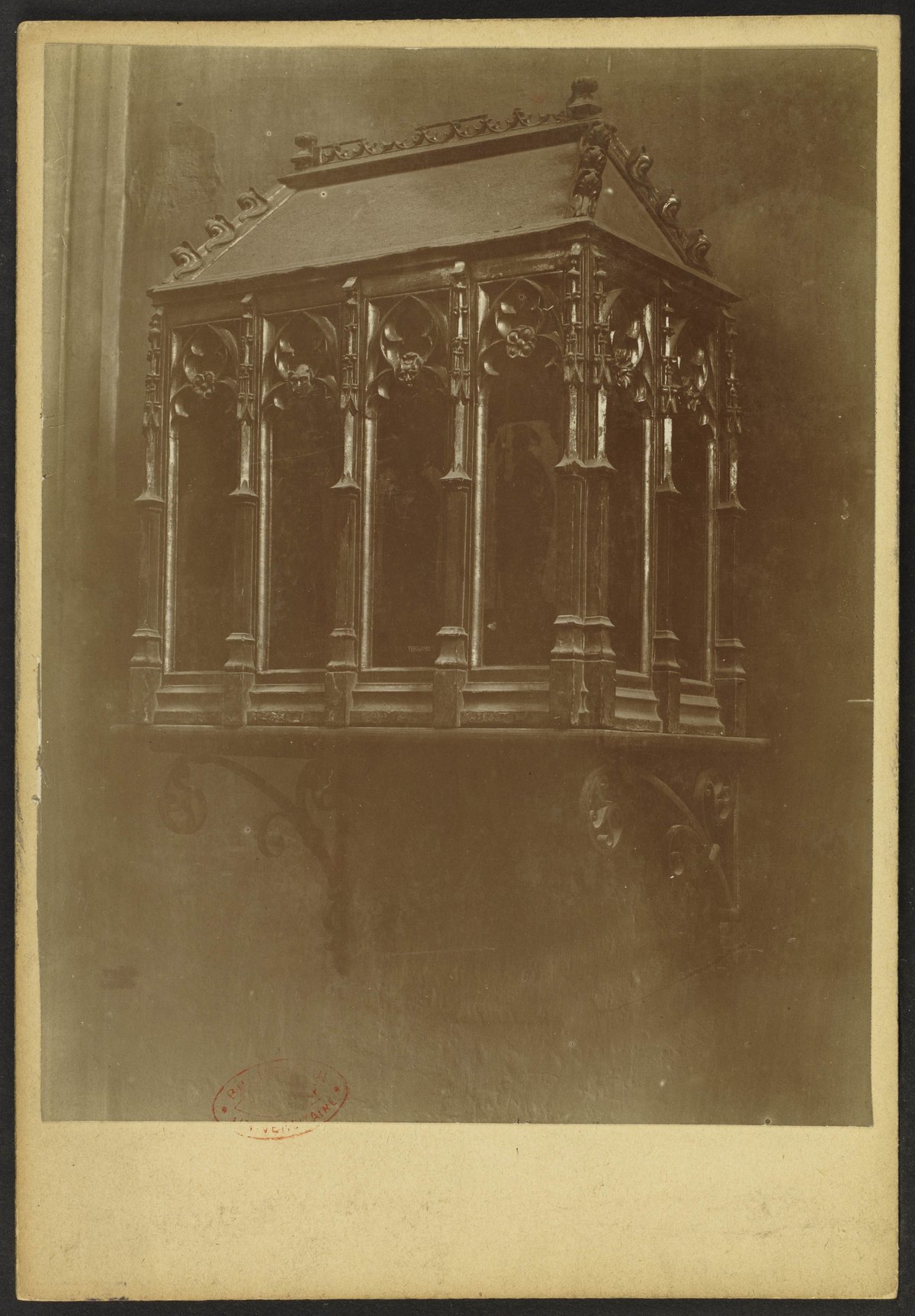
Plan and listen to Bordeaux Cathedral with Audiala.
Audio guide in your pocket, itinerary in your browser. Built for the way you actually visit.
Introduction to Cathédrale Saint-André
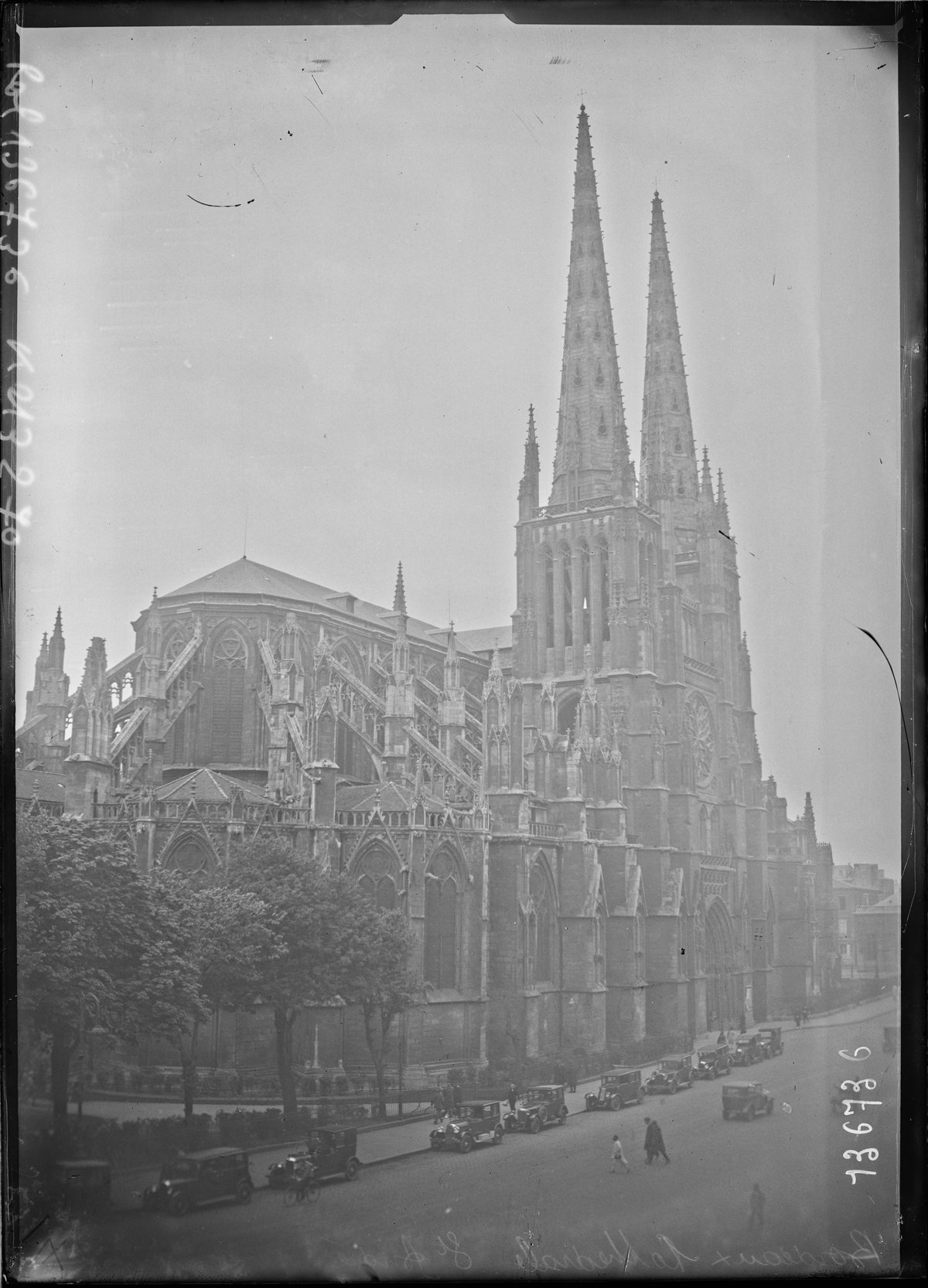
Cathédrale Saint-André, located in the heart of Bordeaux, France, is a stunning example of Gothic architecture and a UNESCO World Heritage Site. Built initially in the 11th century, the cathedral has witnessed significant historical events, architectural transformations, and religious ceremonies that have shaped the cultural and historical landscape of Bordeaux. The cathedral's origins date back to 1096 when it was consecrated by Pope Urban II under the auspices of Archbishop Pey Berland (Cathédrale Saint-André). Over the centuries, it has evolved from its original Romanesque structure to a masterpiece of Gothic design, reflecting the broader architectural trends of medieval Europe (Gothic Architecture). The cathedral is not only an architectural marvel but also a site of immense historical significance, having hosted the marriage of Eleanor of Aquitaine and Louis VII in 1137 and the coronation of Charles VII in 1423 (Eleanor of Aquitaine). This comprehensive guide aims to offer an in-depth look into the history, architecture, and visitor information for Cathédrale Saint-André, ensuring you have all the necessary details to make the most of your visit.

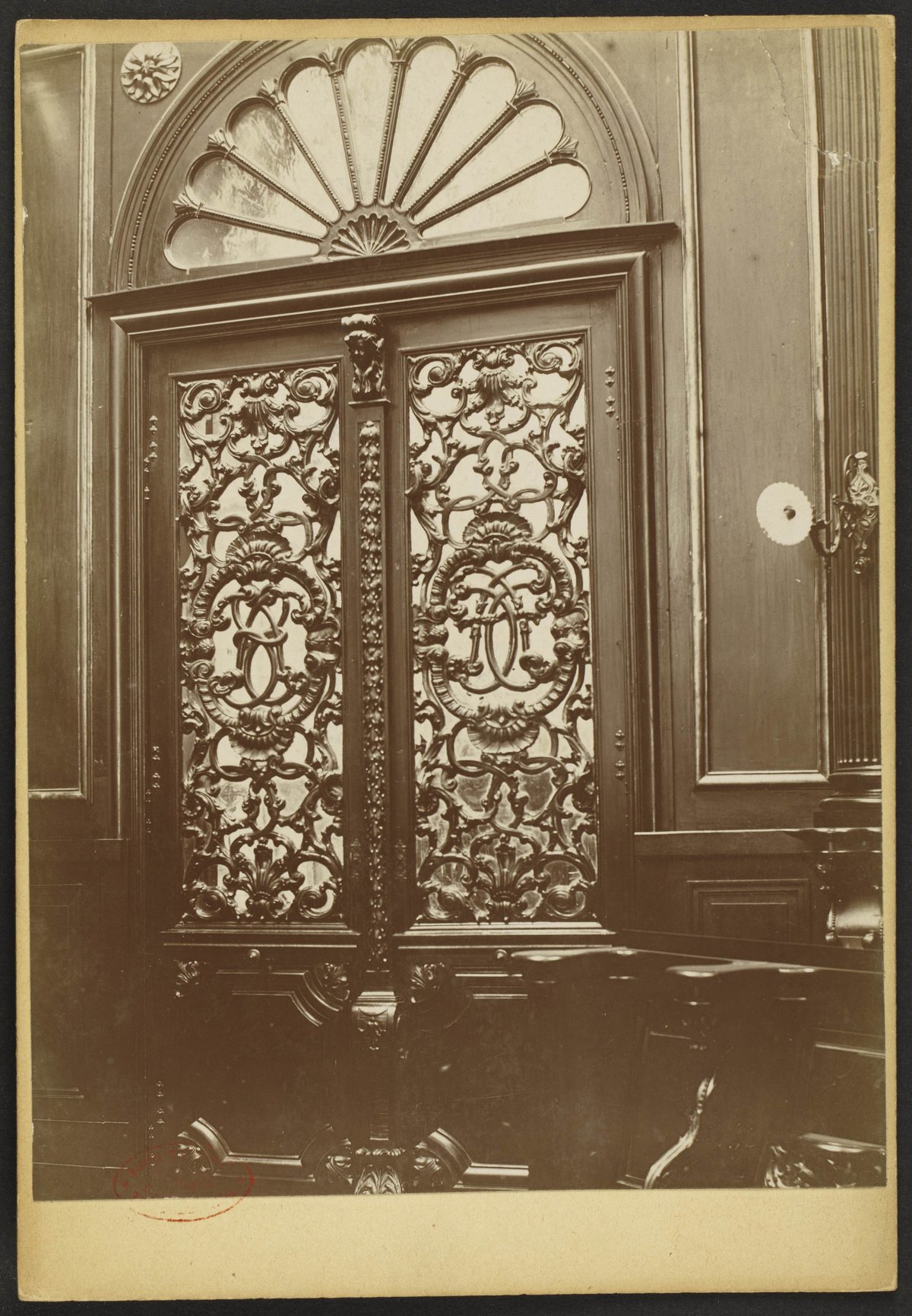
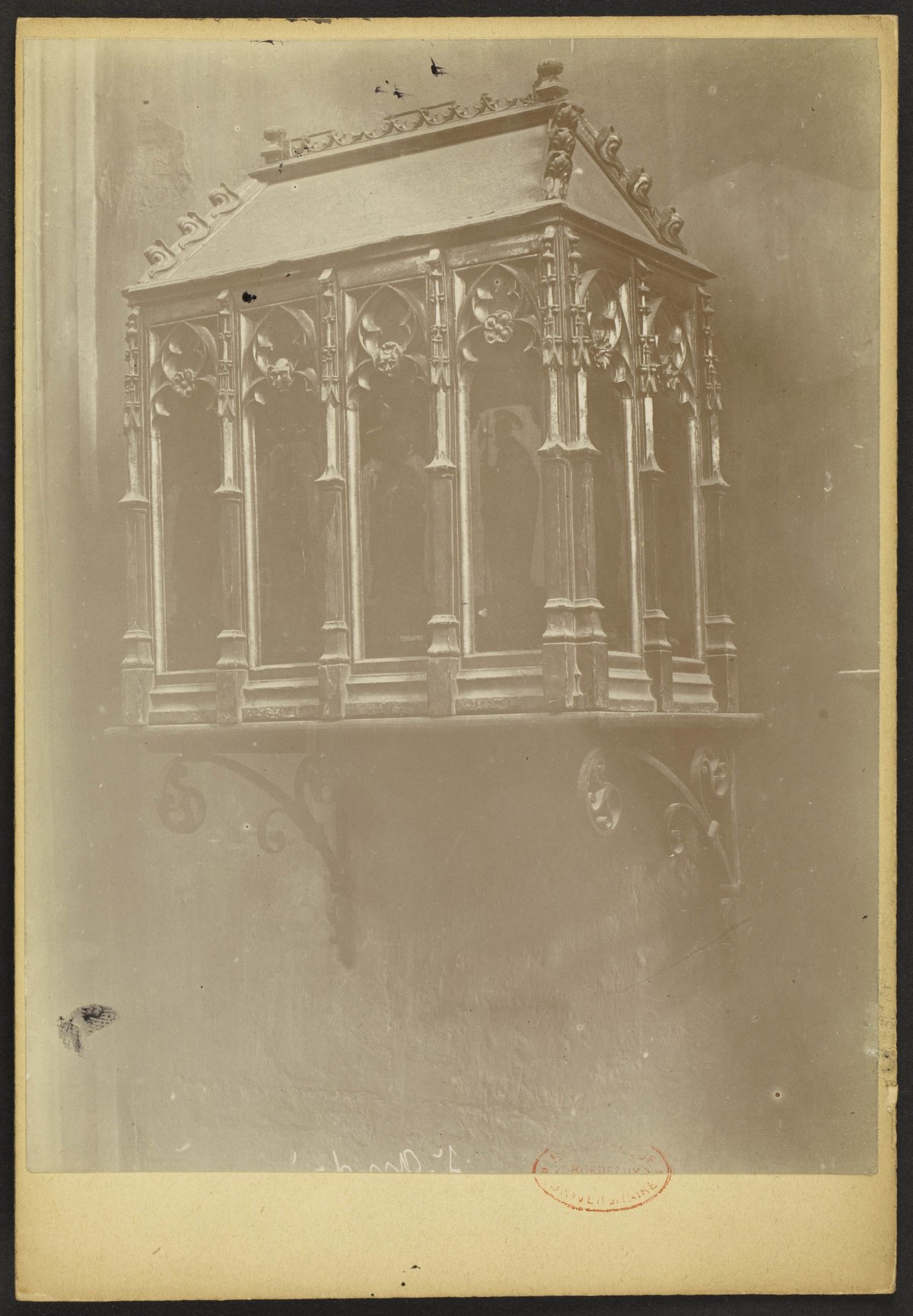
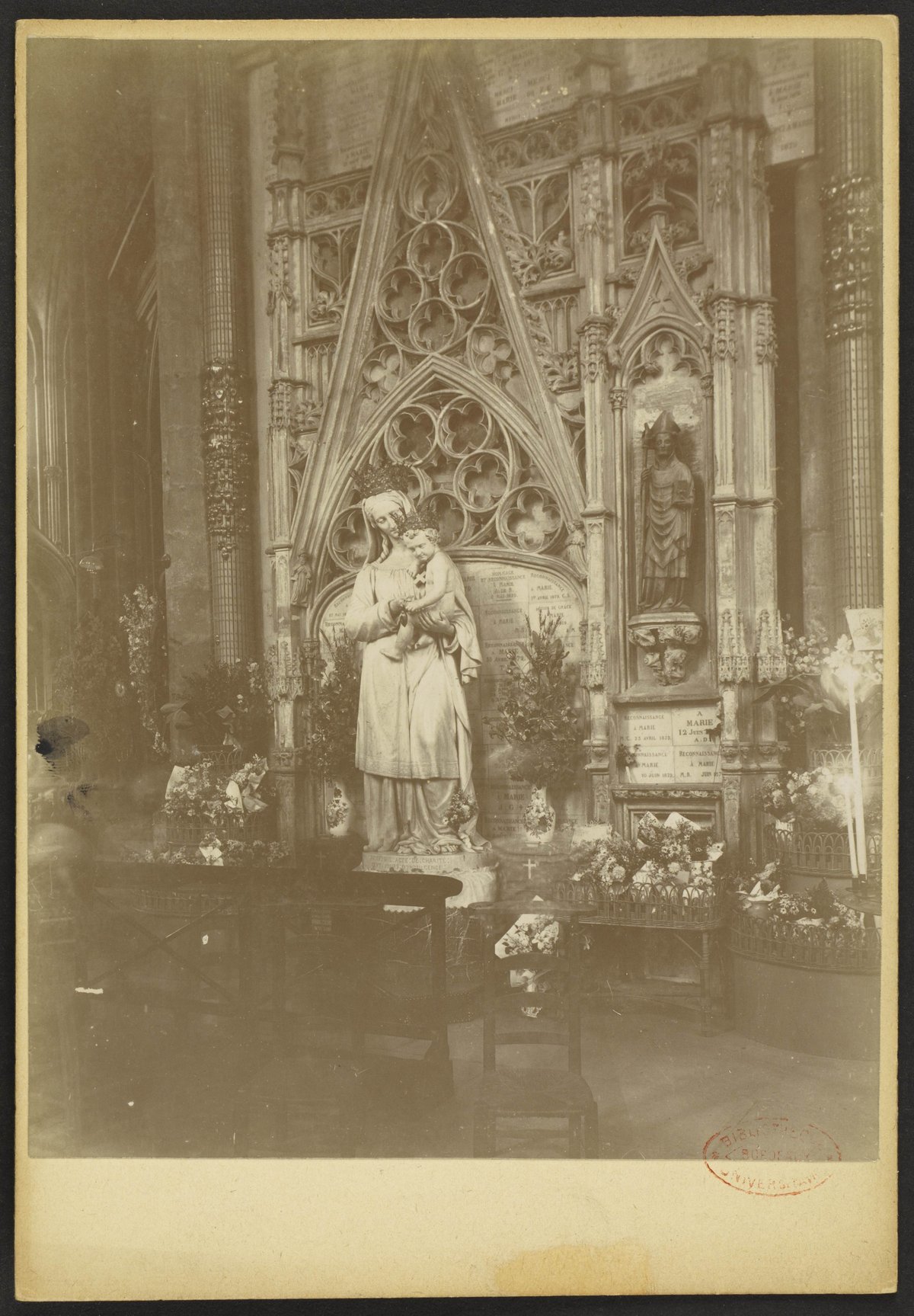
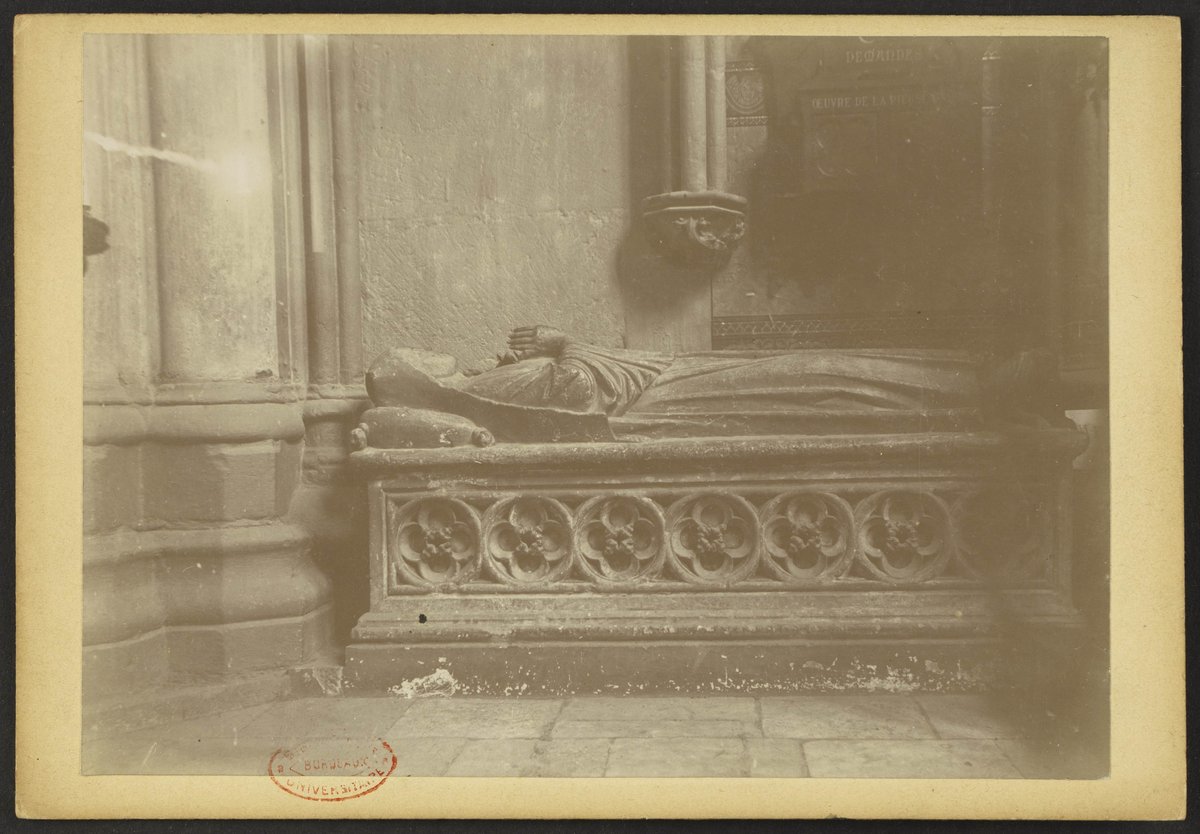
Visiting Cathédrale Saint-André in Bordeaux - History, Tickets, and More
Early Beginnings and Construction
Cathédrale Saint-André, located in Bordeaux, France, is a monumental Gothic cathedral with a rich history dating back to the 11th century. The initial construction of the cathedral began in 1096, under the auspices of the Archbishop of Bordeaux, Pey Berland. The cathedral was consecrated by Pope Urban II in the same year, marking its significance in the religious and cultural landscape of medieval France (Cathédrale Saint-André).
Architectural Evolution
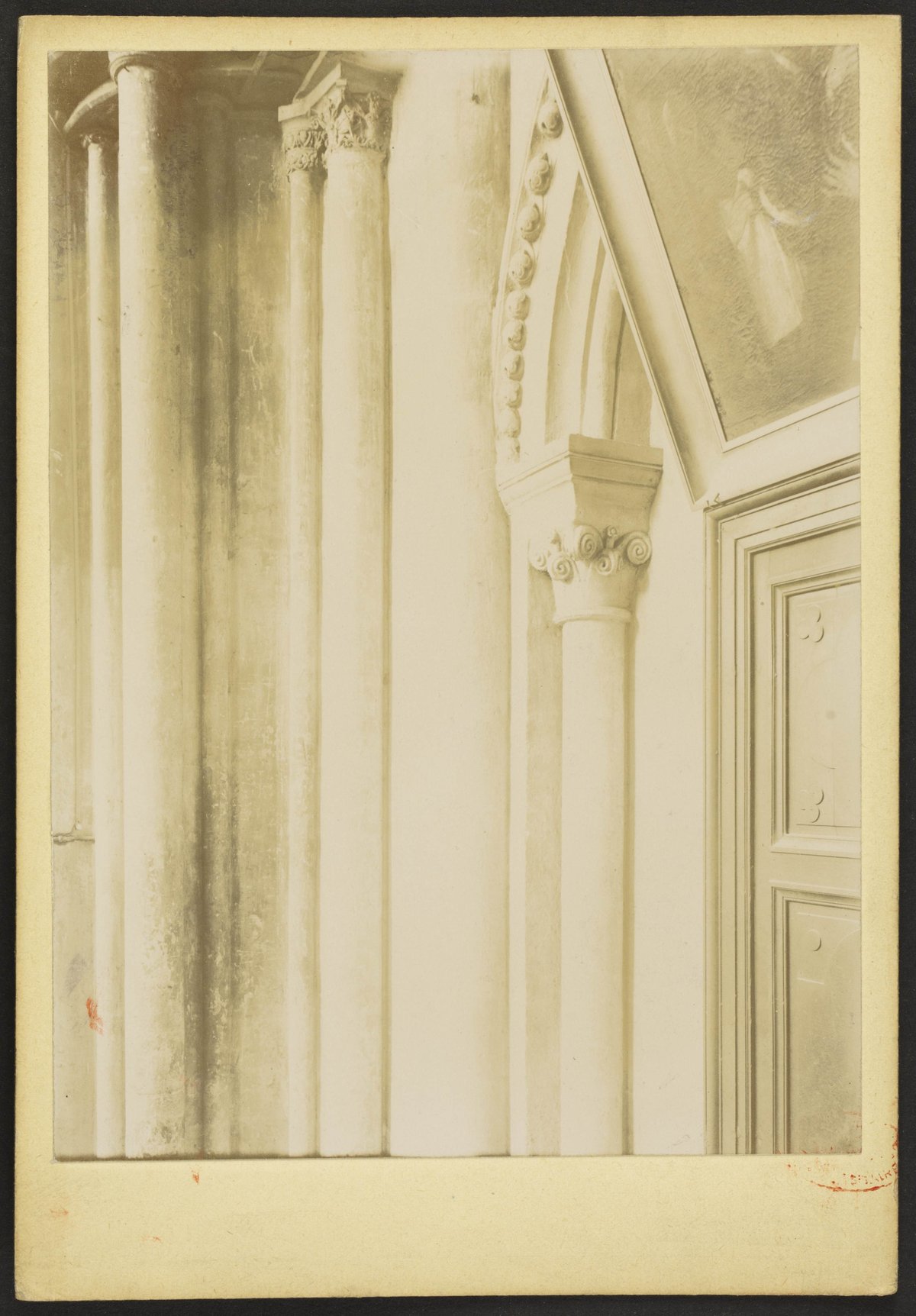
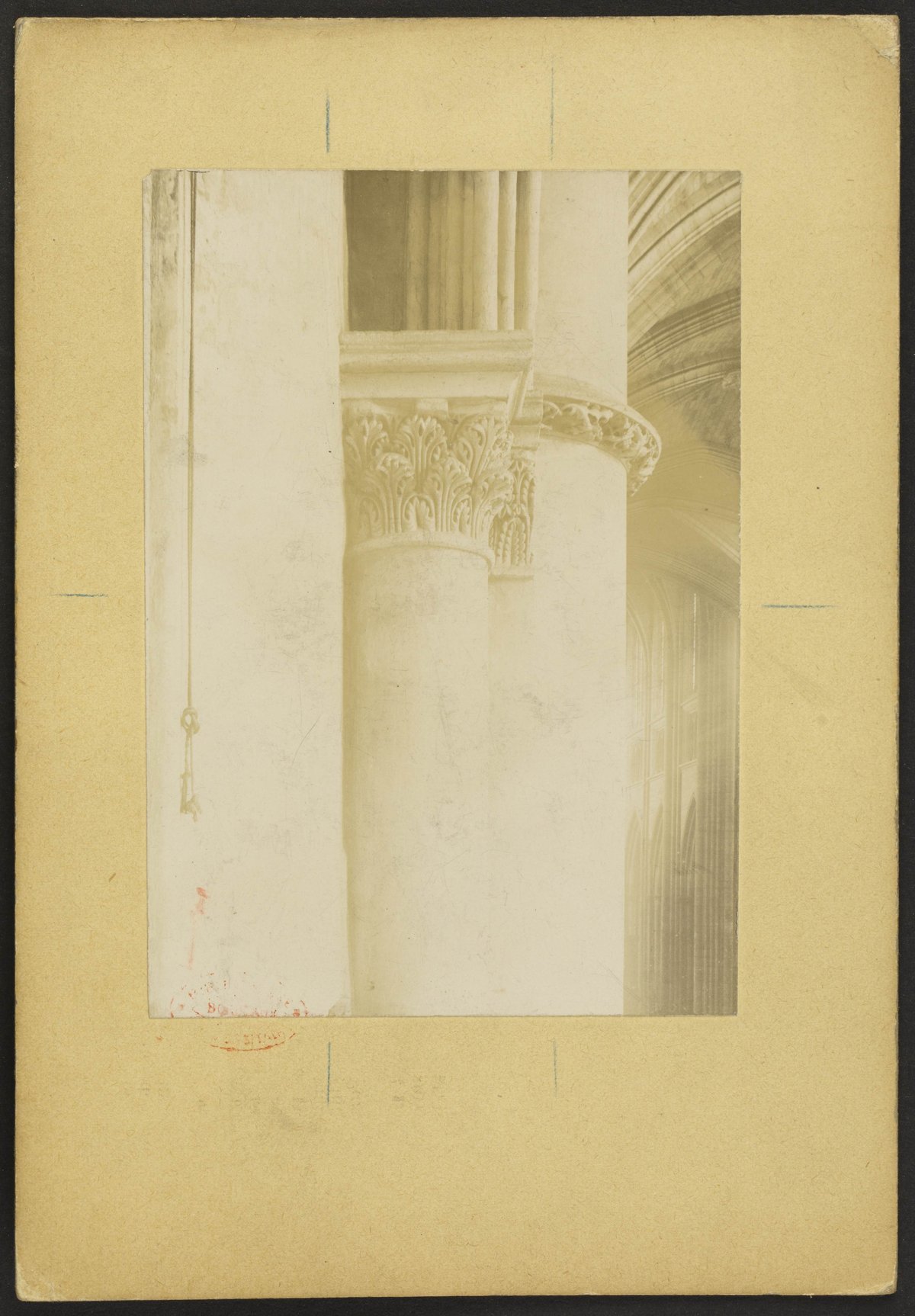
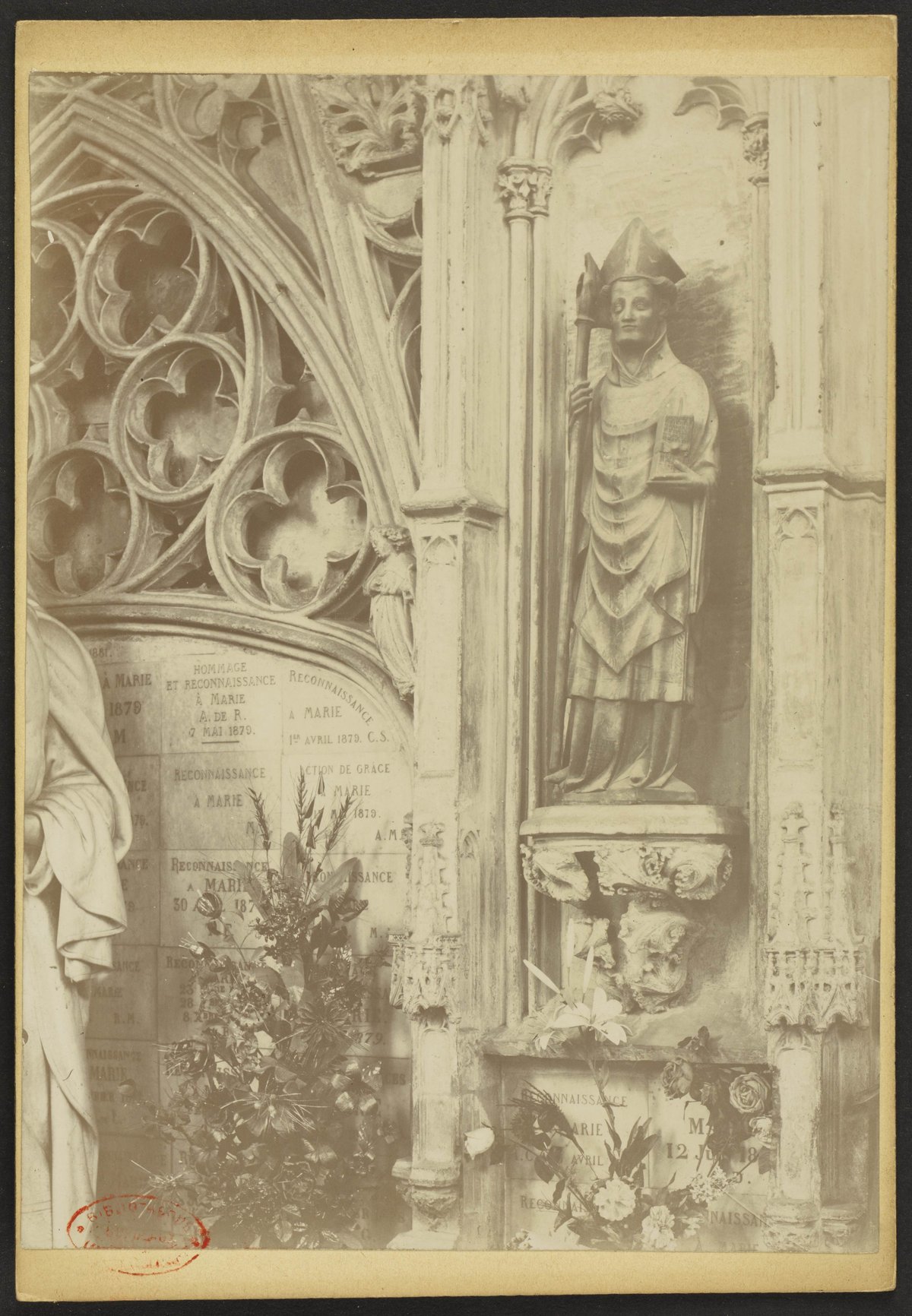
The cathedral's architecture reflects the evolution of Gothic design over several centuries. The original Romanesque structure was largely replaced by Gothic elements during the 13th and 14th centuries. The nave, which is 124 meters long and 18 meters high, showcases the grandeur of Gothic architecture with its pointed arches, ribbed vaults, and flying buttresses. The intricate stone carvings and stained glass windows, some of which date back to the 14th century, add to the cathedral's architectural splendor (Gothic Architecture).
Historical Significance
Cathédrale Saint-André has played a pivotal role in the history of Bordeaux and France. It was the site of the marriage of Eleanor of Aquitaine and Louis VII in 1137, a union that significantly influenced the political landscape of medieval Europe. The cathedral also witnessed the coronation of Charles VII in 1423, further cementing its status as a site of national importance (Eleanor of Aquitaine).
The Hundred Years' War and Beyond
During the Hundred Years' War (1337-1453), Bordeaux and its cathedral were under English control. The cathedral suffered damage during this period, but it also saw significant architectural additions, including the construction of the north and south transepts. The end of the war and the return of Bordeaux to French control in 1453 marked a new chapter in the cathedral's history, with further renovations and enhancements undertaken in the following centuries (Hundred Years' War).
The Pey Berland Tower
One of the most notable additions to the cathedral complex is the Pey Berland Tower, constructed between 1440 and 1500. Named after the archbishop who initiated its construction, the tower stands separate from the main cathedral building. This separation was intentional to protect the cathedral from the vibrations of the tower's bells. The tower offers panoramic views of Bordeaux and is a testament to the architectural ingenuity of the period (Pey Berland Tower).
The French Revolution and Restoration
The French Revolution (1789-1799) brought significant challenges to Cathédrale Saint-André. The cathedral was desecrated, and many of its religious artifacts were destroyed or stolen. It was repurposed as a storage facility and even a Temple of Reason during the height of revolutionary fervor. Restoration efforts began in the 19th century, spearheaded by architect Paul Abadie, who sought to restore the cathedral to its former glory. These efforts included the reconstruction of the choir and the addition of new stained glass windows (French Revolution).
Modern Era and UNESCO Recognition
In the 20th century, Cathédrale Saint-André continued to undergo restoration and preservation efforts. In 1998, it was designated a UNESCO World Heritage Site as part of the Routes of Santiago de Compostela in France, recognizing its historical and cultural significance. Today, the cathedral remains an active place of worship and a major tourist attraction, drawing visitors from around the world to admire its architectural beauty and historical importance (UNESCO World Heritage).
Notable Art and Artifacts
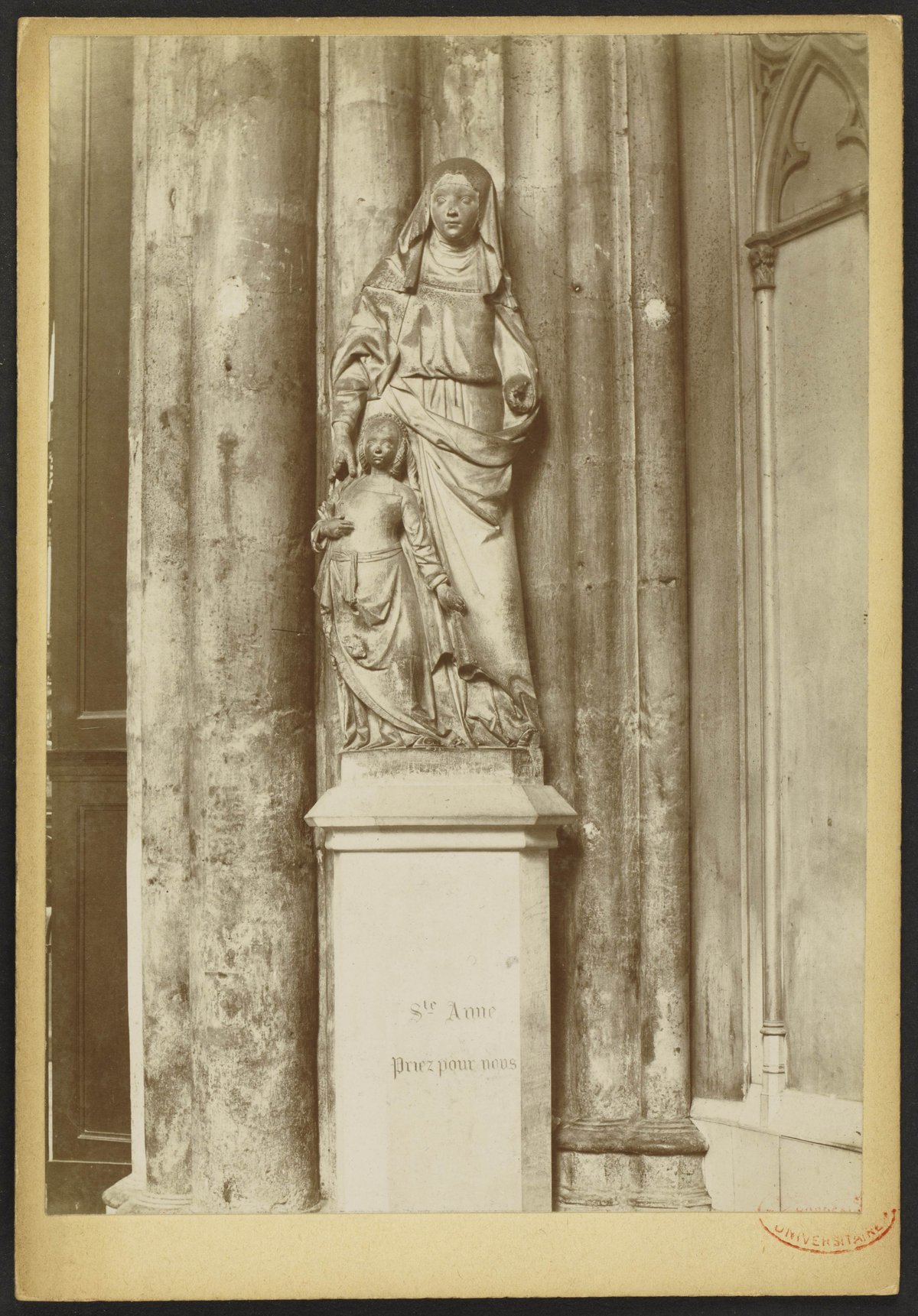
The cathedral houses several notable artworks and artifacts, including a 14th-century crucifix and a 15th-century statue of the Virgin Mary. The grand organ, installed in the 19th century, is another highlight, renowned for its exceptional acoustics and intricate design. These elements contribute to the cathedral's status as a repository of religious art and history (Art and Artifacts).
Visitor Information
Visiting Hours
The cathedral is open daily from 10:00 AM to 6:00 PM, but hours may vary on public holidays and for special events. Check the official website for the most up-to-date information.
Tickets
Entry to the cathedral is free, but there is a fee to climb the Pey Berland Tower. Tickets can be purchased on-site or online through the official ticketing website.
Travel Tips
- How to Get There: Cathédrale Saint-André is located in the heart of Bordeaux and is easily accessible by public transportation. The nearest tram stop is Hôtel de Ville (Line A).
- What to Wear: Modest clothing is recommended when visiting religious sites. Comfortable shoes are advisable for those planning to climb the tower.
- Best Times to Visit: Early morning or late afternoon visits are recommended to avoid crowds.
Nearby Attractions
While visiting Cathédrale Saint-André, consider exploring other historical sites in Bordeaux:
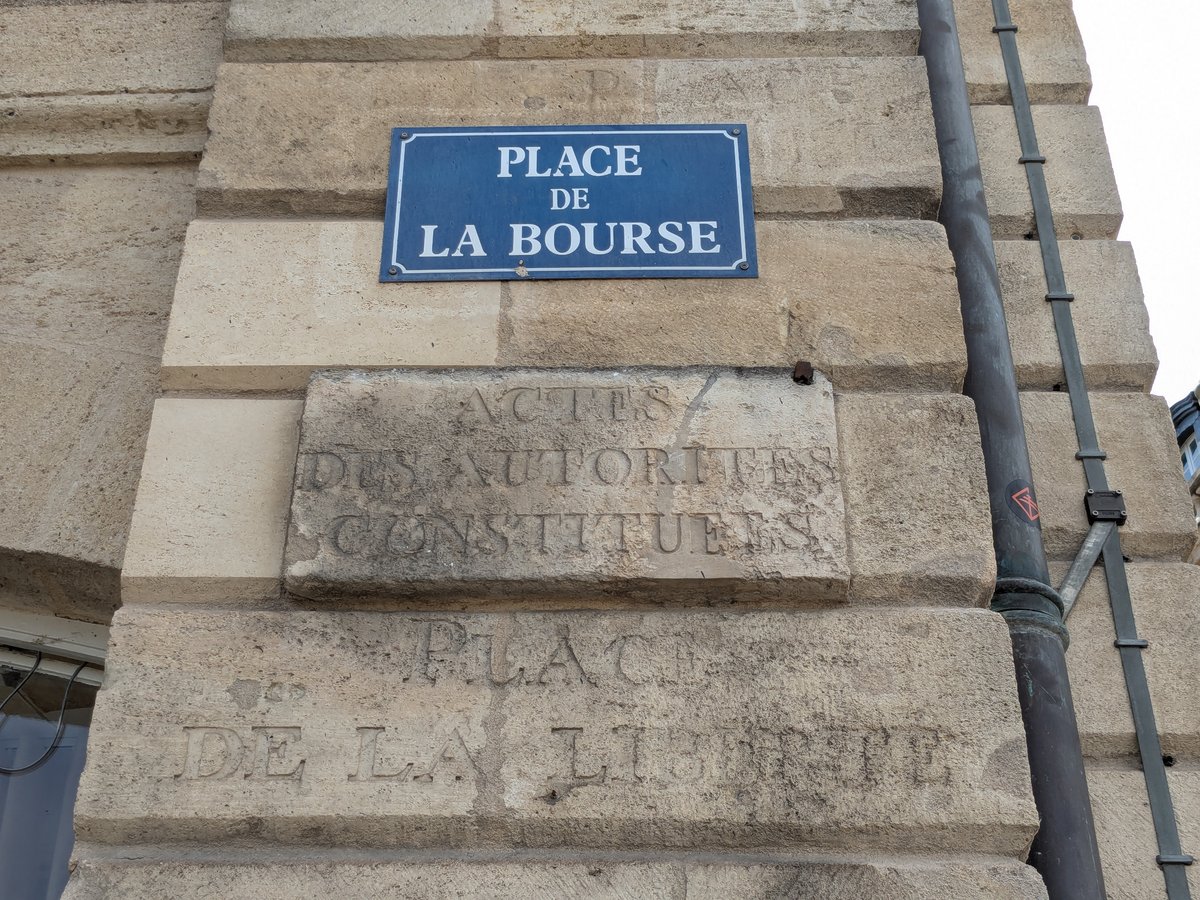
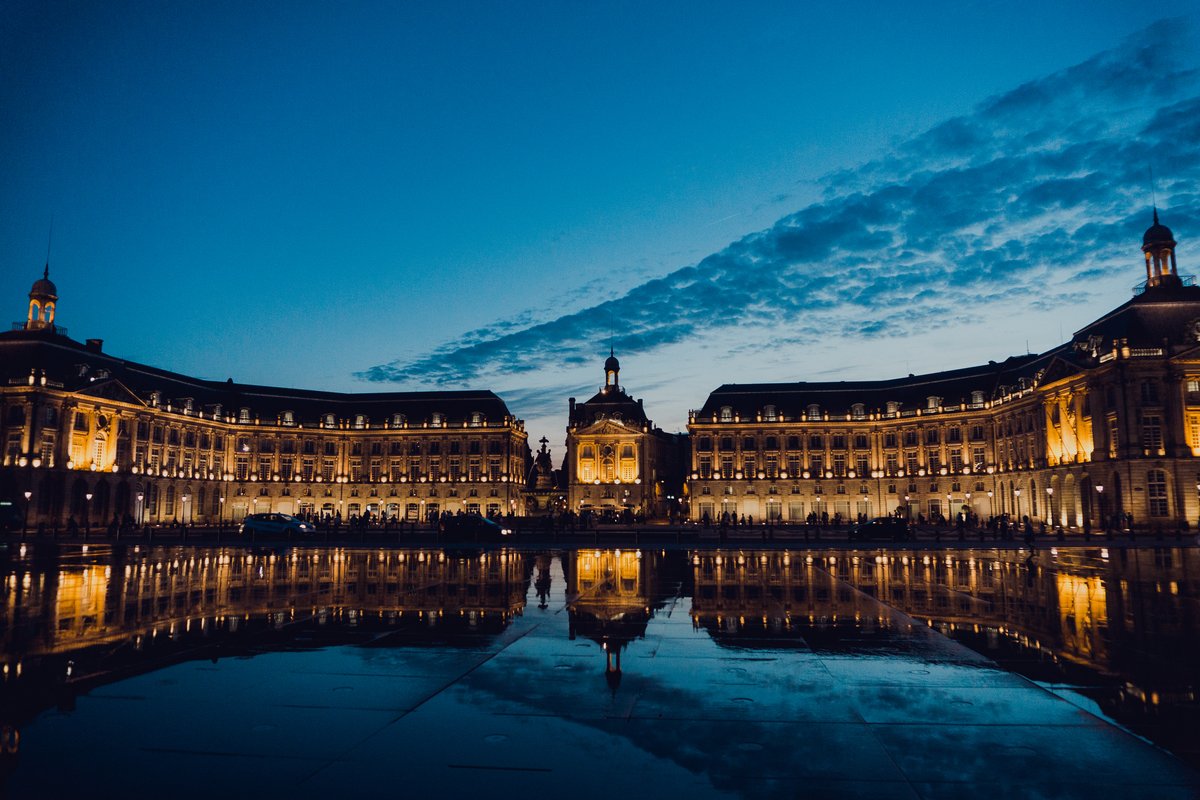
- Place de la Bourse: A stunning square with classical architecture.
- Basilica of Saint Michael: Another beautiful Gothic church.
- Grosse Cloche: One of the oldest belfries in France.
Accessibility
The cathedral is accessible to visitors with disabilities, with ramps available at the main entrance. However, the Pey Berland Tower may not be suitable for those with mobility issues due to its narrow staircases.
Special Events
Cathédrale Saint-André hosts various events throughout the year, including concerts and guided tours. Check the official website for a schedule of upcoming events.
FAQ
Q: What are the Cathédrale Saint-André visiting hours? A: The cathedral is open daily from 10:00 AM to 6:00 PM, but hours may vary on public holidays and for special events.
Q: How much are Cathédrale Saint-André tickets? A: Entry to the cathedral is free, but there is a fee to climb the Pey Berland Tower. Tickets can be purchased on-site or online.
Q: What are some nearby Bordeaux historical sites? A: Nearby attractions include Place de la Bourse, Basilica of Saint Michael, and Grosse Cloche.
Summary and Key Points
Cathédrale Saint-André stands as a monumental testament to the rich history and architectural heritage of Bordeaux. From its early beginnings in the 11th century, the cathedral has witnessed significant historical events and undergone numerous architectural transformations, making it a focal point of cultural and historical importance in France. Its Gothic architecture, replete with intricate stone carvings, stained glass windows, and the iconic Pey Berland Tower, continues to inspire awe and admiration among visitors. The cathedral's designation as a UNESCO World Heritage Site in 1998 further underscores its global significance (UNESCO World Heritage). Today, Cathédrale Saint-André remains an active place of worship and a major tourist attraction, drawing visitors from around the world. Whether you're interested in its architectural beauty, historical significance, or cultural artifacts, a visit to this iconic landmark offers a profound glimpse into the medieval past and enduring legacy of Bordeaux. Plan your visit, explore the nearby attractions, and immerse yourself in the grandeur of Cathédrale Saint-André, a true jewel of Gothic architecture and French history.
Listen to the full story in the app
The whole Bordeaux Cathedral,
told well.
Listen to sourced travel stories with local history and practical context — ready offline.
Verified, and shown.
Researched and written by the Audiala editorial team from historical records, architectural archives, and local expertise.
Built from cited sources · see the method · How we make our guides →