Plan and listen to Tour De La Saunerie with Audiala.
Audio guide in your pocket, itinerary in your browser. Built for the way you actually visit.
Introduction
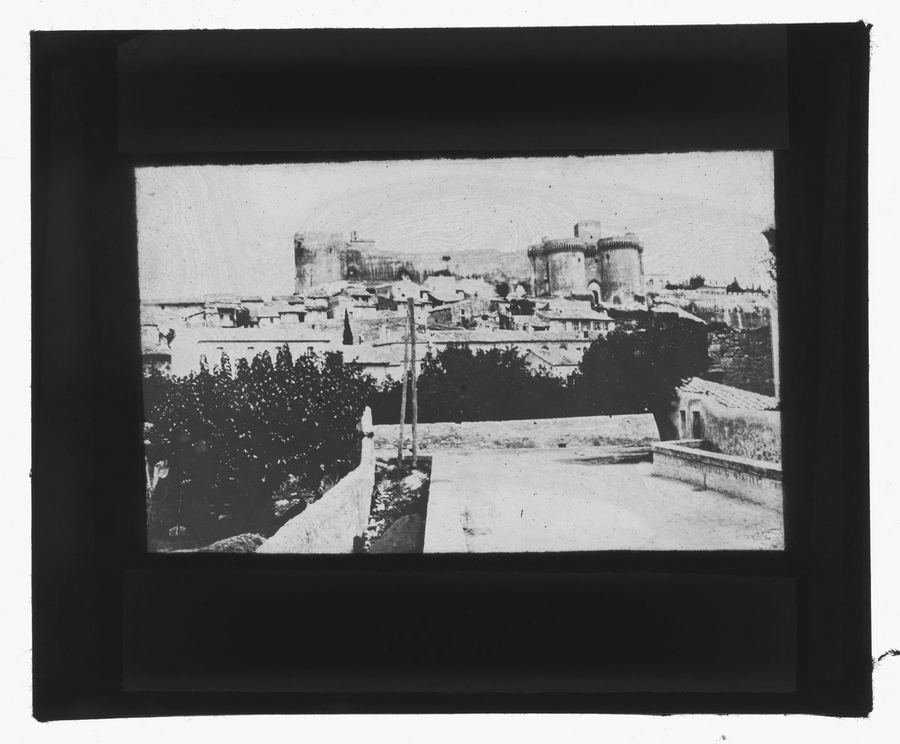
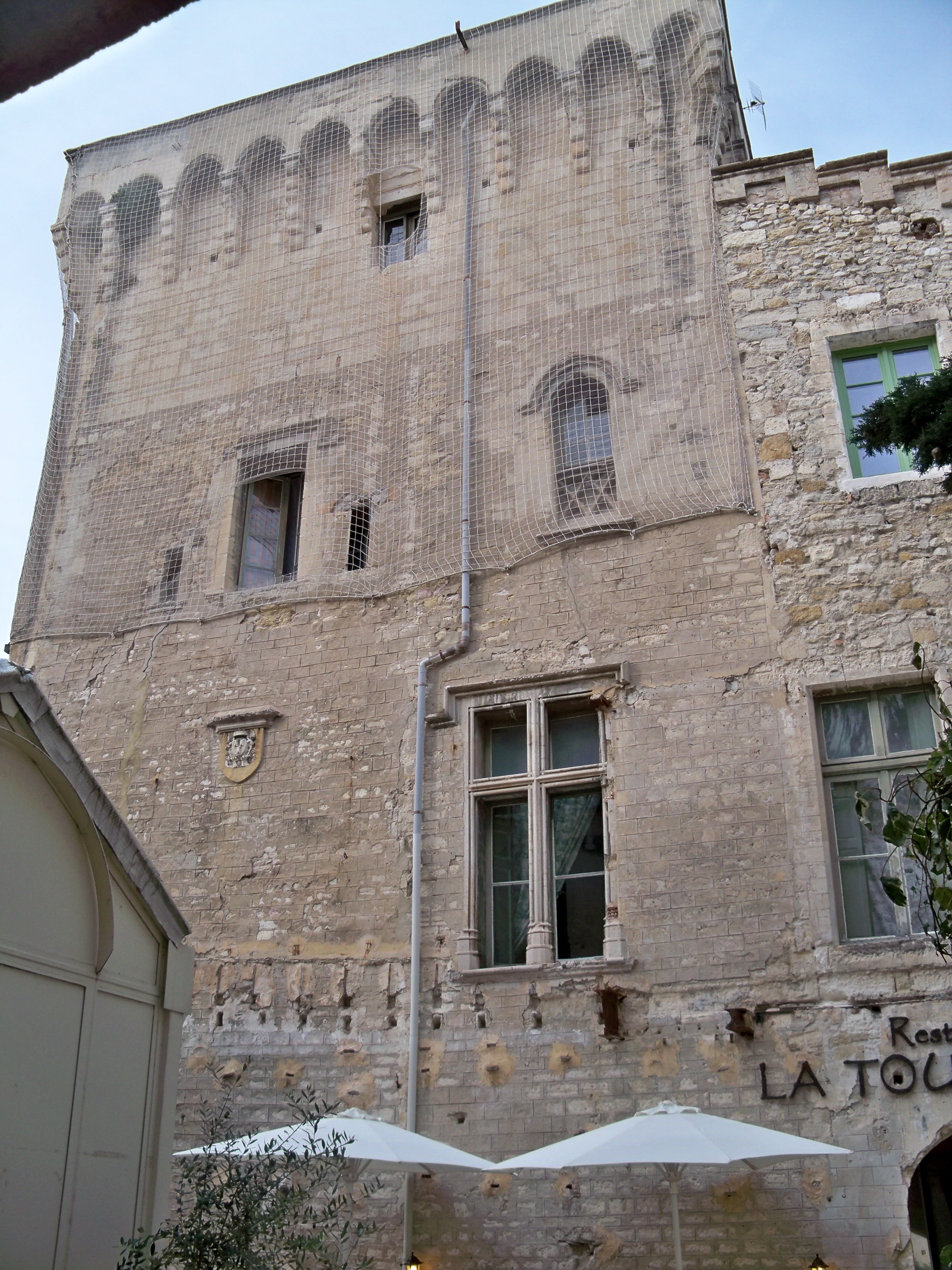
The Tour de la Saunerie, nestled within Avignon’s UNESCO-listed historic center, is a striking symbol of the city’s medieval heritage. Built in the 14th century during the Avignon Papacy, this cylindrical limestone tower played a key role not only in defending Avignon but also in safeguarding its economic lifeblood—salt, a heavily taxed commodity under the “gabelle” system (Avignon Tourism; Musée du Patrimoine). Today, the tower stands as a testament to Avignon’s architectural ingenuity and layered history, offering visitors a unique window into the city’s past.
This comprehensive guide details the Tour de la Saunerie’s historical context, architectural significance, practical visitor information including current visiting hours and ticketing, accessibility, and recommendations for nearby attractions. Whether you are a history buff, architecture enthusiast, or a first-time visitor to Avignon, this article will help you make the most of your experience.
Medieval Origins and Strategic Significance
Constructed as part of Avignon’s formidable defensive ramparts, the Tour de la Saunerie dates to the 14th century—a period when Avignon was the seat of the Papacy (1309–1377). The city’s ramparts, stretching over 4.3 kilometers and punctuated by more than 39 towers, were designed to protect Avignon from military threats and to assert papal authority (Avignon Tourism; architectureofcities.com). The tower’s name, derived from the French word for salt (“sel”), highlights its proximity to the city’s salt granary. Salt was vital for food preservation and trade, and its storage and taxation were central to Avignon’s medieval economy (Musée du Patrimoine).
Architectural Features and Preservation
The Tour de la Saunerie is a prime example of late medieval military architecture. Its robust, cylindrical form, thick limestone walls (often over two meters deep), arrow slits, and battlements reflect the defensive priorities of its era. The tower was strategically positioned near a main city gate, serving as both a bastion and a checkpoint for goods entering Avignon (architectureofcities.com). Over centuries, the structure has been carefully restored to maintain its authenticity and structural soundness, contributing to Avignon’s designation as a UNESCO World Heritage Site (UNESCO Avignon).
Economic and Social Role
Salt’s economic significance cannot be overstated in medieval France. The notorious “gabelle” tax made salt storage and distribution a matter of state interest, and the Tour de la Saunerie’s placement next to the salt granary underscored its dual role in defense and commerce (Musée du Patrimoine). The tower’s function as a protective watchpoint over this essential commodity highlights the intersection of military, economic, and administrative priorities in medieval Avignon.
Historical Transformations
The Tour de la Saunerie witnessed many pivotal events, from the papal residency to regional conflicts such as the Hundred Years’ War and the French Wars of Religion (Avignon City Walls). As military technology advanced, the tower’s defensive role diminished, and it was gradually adapted for new uses. Restoration work in the 19th and 20th centuries has preserved the tower, allowing it to remain a focal point during cultural events like the Festival d’Avignon (culturedvoyages.com).
Integration into Avignon’s Urban Landscape
Today, the Tour de la Saunerie is seamlessly woven into Avignon’s urban fabric. Located near major landmarks such as the Palais des Papes, Pont Saint-Bénézet, and Place de l’Horloge, the tower is easily accessible and provides a striking visual anchor within the cityscape (Mapcarta location). The surrounding narrow streets and Provençal architecture immerse visitors in the ambiance of medieval Avignon.
Visiting Hours, Tickets, and Accessibility
Opening Hours
- Exterior Viewing: The Tour de la Saunerie’s exterior can be admired year-round during daylight hours.
- Interior Access: Regular public entry to the interior is not available. Access is typically limited to special events (such as European Heritage Days in September) or pre-arranged guided tours (Monumentum).
- Current Schedules: Always check the official Avignon tourism website for up-to-date access information.
Tickets
- Exterior Viewing: Free.
- Special Events or Guided Tours: Tickets may be required; details are announced through official channels prior to each event.
Accessibility
- The tower is located at 25 rue Carnot, accessible on foot from Avignon’s main attractions.
- Rue Carnot is paved, but some nearby cobblestone streets may pose challenges for visitors with mobility issues.
- The tower’s upper levels are not wheelchair accessible due to historic staircases.
Guided Tours and Special Events
- Guided Tours: Offered occasionally by the Avignon Tourist Office and during city walking tours, which include the Tour de la Saunerie among other medieval landmarks (Visite Avignon).
- Special Openings: The interior is sometimes accessible for events like the European Heritage Days; check event programs for details (Journées Européennes du Patrimoine).
- Cultural Events: The tower is part of the backdrop for Avignon’s renowned Festival d’Avignon and other local festivities.
Visitor Tips and FAQs
Top Tips
- Photography: The best light for photographs is early morning or late afternoon. Capture the tower’s details from rue Carnot.
- Walking Tours: Combine your visit with a stroll along the ramparts or nearby historic streets.
- Plan Ahead: For interior access, monitor official event listings and book tickets in advance if possible.
FAQs
Q: Can I visit the interior of the Tour de la Saunerie year-round?
A: No, interior access is limited to specific events or guided tours.
Q: Is the exterior of the tower always accessible?
A: Yes, you can view and photograph the exterior at any time.
Q: Are guided tours available in English?
A: Yes, especially during peak tourist seasons and major festivals.
Q: How do I reach the tower from the train station?
A: It is about a 20-minute walk from Avignon Central station; local buses and taxis are also available.
Q: Is the site suitable for visitors with reduced mobility?
A: The surrounding street is accessible, but the interior and upper levels are not.
Nearby Attractions
- Palais des Papes: Europe’s largest Gothic palace and a UNESCO World Heritage Site (Palais des Papes).
- Pont Saint-Bénézet (Pont d’Avignon): Iconic medieval bridge (Pont Saint-Bénézet).
- Place de l’Horloge: Central square with restaurants and shops.
- Musée Calvet: Fine arts and archaeology museum.
- Jardin des Doms: Hilltop park offering panoramic views.
For more ideas, see our articles on Palais des Papes Guided Tours and Exploring Avignon’s Medieval Ramparts.
Summary and Visitor Recommendations
The Tour de la Saunerie is a must-see for anyone interested in Avignon’s medieval heritage. While the tower’s interior is rarely open, its impressive exterior and historical context provide a rewarding experience—especially when combined with visits to nearby sites like the Palais des Papes and Pont Saint-Bénézet (Avignon Tourism; Musée du Patrimoine). Plan your trip around special events or guided tours for the opportunity to explore inside, and enhance your visit with local walking tours and cultural activities.
For real-time updates, exclusive content, and digital guides, download the Audiala app and follow us on social media.
Listen to the full story in the app
The whole Tour De La Saunerie,
told well.
Audio guides for 1,100+ cities across 96 countries. History, stories, and local insight — offline ready.

Verified, and shown.
Researched and written by the Audiala editorial team from historical records, architectural archives, and local expertise.
Last reviewed
Researched from Wikidata, Wikipedia & official sources · fact-checked · How we make our guides →