Historical Context: Avignon’s Foundations and Growth
Ancient and Medieval Origins
Avignon’s strategic Rhône River location made it a Mediterranean trade hub since Phoenician and Roman times. The city’s fortunes shifted through invasions and the Middle Ages, eventually emerging as a free town by the 12th century—a status that fostered economic and architectural prosperity (Avignon-et-Provence).
The Papal Era and Urban Flourishing
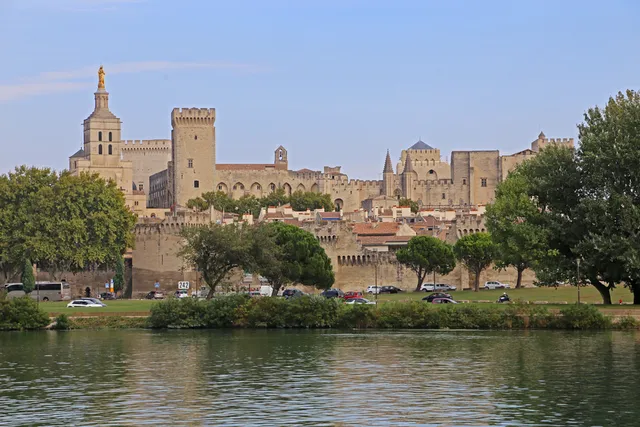
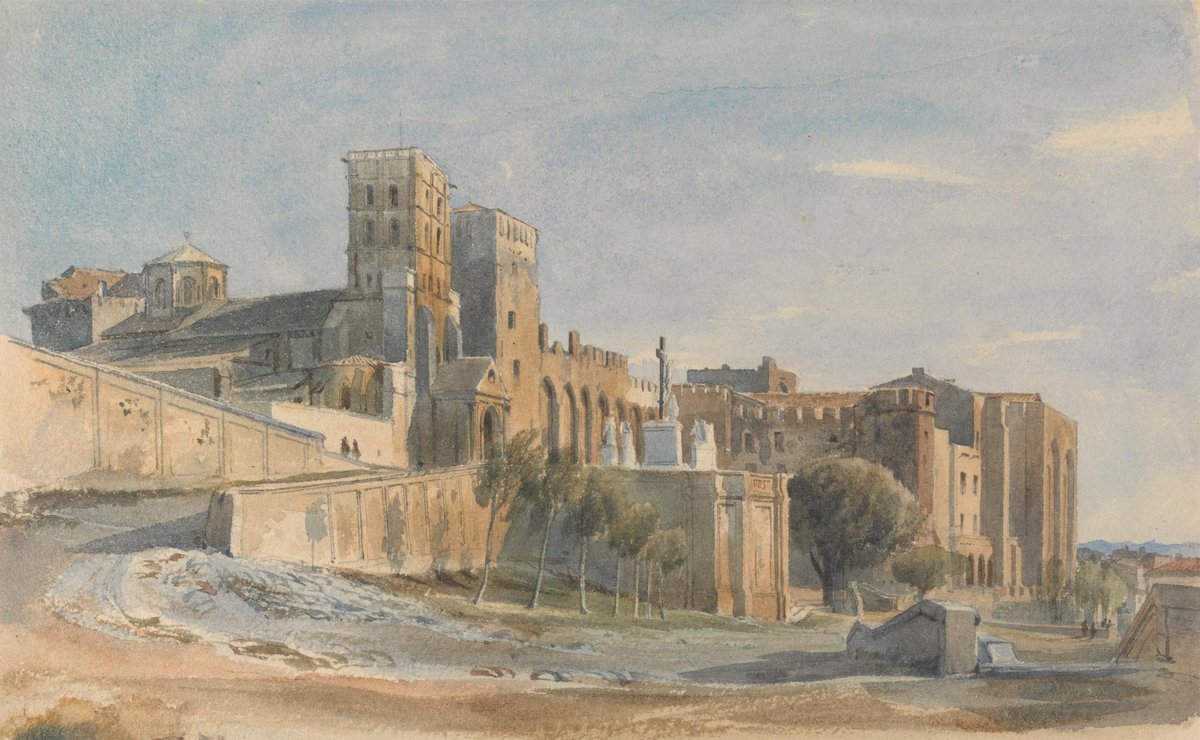
Avignon’s transformation accelerated in 1309, when the Papal court relocated from Rome. The city’s population, wealth, and built environment expanded rapidly during this period. The construction of the Palais des Papes, defensive ramparts, and numerous hôtels particuliers—including Maison Casal—reflected Avignon’s new status as a center of European power and culture (Rick Steves).
Modern Revival
After the Papacy returned to Rome, Avignon’s prominence waned. However, the 20th century marked a renaissance with the Félibrige literary movement and the birth of the Avignon Theatre Festival, which helped revive the city’s cultural importance (Avignon-et-Provence).
Maison Casal: Architecture and Heritage
Urban Fabric and Social Role
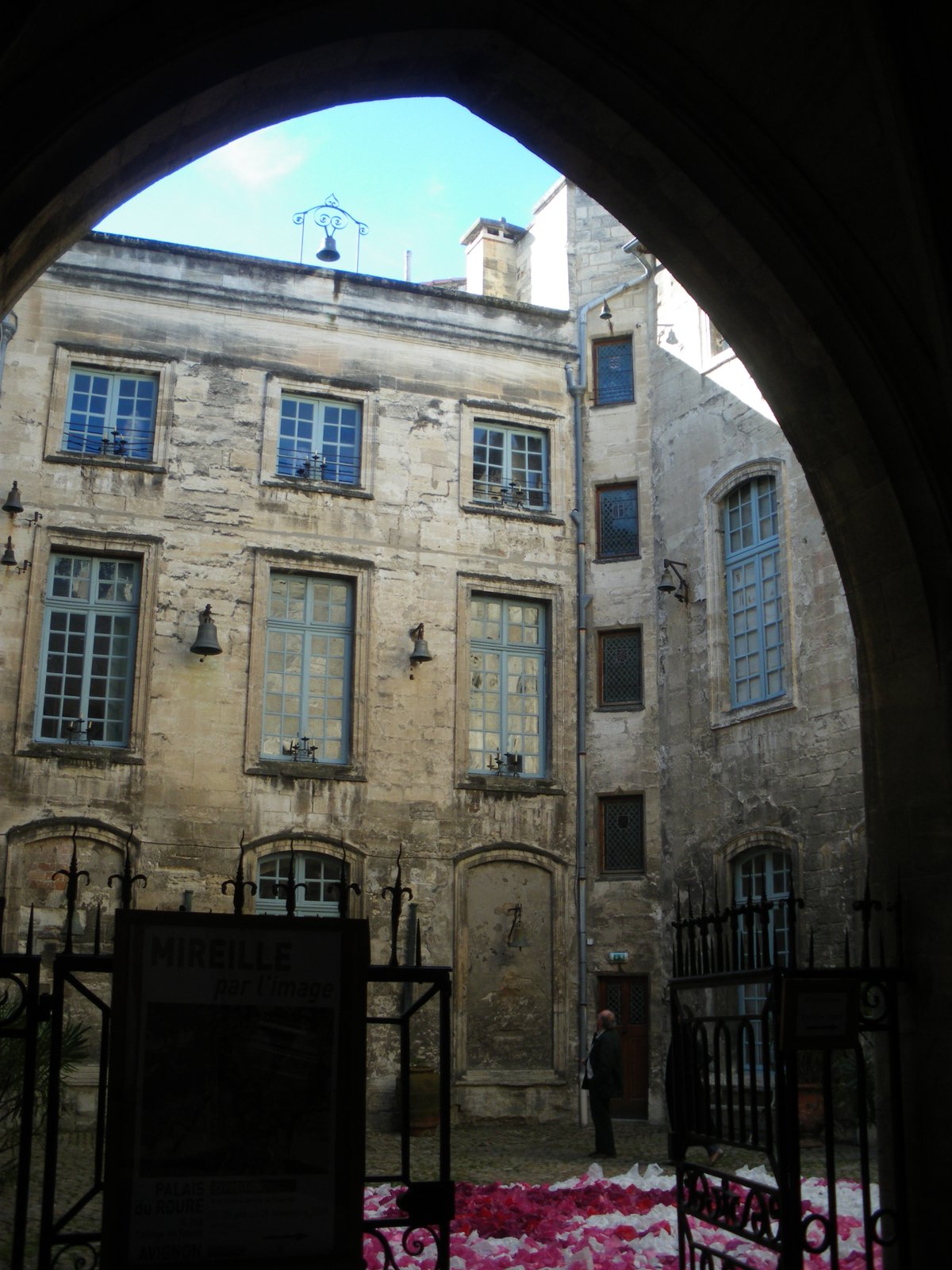
Maison Casal reflects the tradition of Avignon’s hôtels particuliers—private mansions built by prosperous merchants and nobility. These residences not only showcased wealth and taste but also served as hubs for social and civic life (Monumentum). Maison Casal’s location among other notable mansions and civic buildings situates it at the heart of Avignon’s historic social fabric (Avignon Cité Millénaire).
Architectural Features
- Façade Constructed in local pale limestone, likely adorned with decorative elements such as carved lintels and wrought-iron balconies.
- Layout Typical of Avignon’s mansions, Maison Casal likely includes a central courtyard or garden for privacy and leisure.
- Period Details The design bridges medieval fortification and Renaissance comfort, with high ceilings, large windows, and intricate interior woodwork (Travelers Universe).
- Preservation Maison Casal is a protected heritage site and is maintained to retain its original character, balancing historic preservation with contemporary use (architectureofcities.com).
Visiting Information: Hours, Tickets, Accessibility
Visiting Hours
- General Public Access Maison Casal is primarily a private residence or cultural venue, not open for daily public visits.
- Special Openings The mansion participates in events like European Heritage Days (Journées du Patrimoine, in September), when it is open for free or guided visits. For event dates, see the Avignon Tourist Office.
Ticket Information
- Admission Entry is generally free during special events. For private tours or cultural programming, tickets may be required; check event listings or the official website.
- Combined Tickets Occasionally available with other major attractions, such as the Palais des Papes (Palais des Papes Tariffs).
Accessibility
- Physical Access As a historic building, Maison Casal may have limited accessibility. Some areas (such as upper floors) may not be accessible to visitors with mobility needs; portable ramps and staff assistance are sometimes available by request.
- Visitor Services Audio guides, large-print materials, and service animal access available on special request. Contact the site or the Avignon Accessibility Guide for details.
Location and Getting There
- Address Within Avignon’s historic center, minutes from Palais des Papes and Place de l’Horloge (Monumentum).
- By Train 15-minute walk from Avignon Centre station. Shuttle buses link Avignon TGV with the city center (Avignon Practical Information).
- By Car Park in public lots (Parking Palais des Papes, Parking Les Halles) and walk.
- By Bicycle Cyclist-friendly; see Avignon à Vélo.
Integrating Maison Casal into Your Avignon Tour
Suggested Itinerary
- Morning Begin at Maison Casal (if open) or view its façade. Proceed to Palais des Papes for a comprehensive tour of Avignon’s papal history.
- Midday Stroll Rue Joseph Vernet and Les Halles Market for shopping and local cuisine.
- Afternoon Walk to Pont Saint-Bénézet and Opéra d’Avignon, or visit the Petit Palais Museum.
- Evening Enjoy dinner near Place de l’Horloge or experience Avignon’s nightlife during festival season.
Thematic Experiences
- For History Buffs Combine Maison Casal with visits to Fort Saint-André and Avignon’s medieval ramparts (thecrazytourist.com).
- For Art Lovers Explore nearby galleries and museums, attending Maison Casal’s own exhibitions when available.
- For Foodies Sample Provençal specialties at Les Halles Market; Maison Casal sometimes hosts culinary workshops.
Tips for Visitors
- Best Times to Visit September (Heritage Days) and festival months; May-June and September-October for fewer crowds and pleasant weather (The Travel Folk).
- Advance Booking Essential for tours, events, and especially accommodation if Maison Casal operates as a guesthouse.
- Accessibility Check in advance for mobility accommodations.
- Photography Non-flash photography allowed outside and in most public areas; follow on-site guidelines.
Nearby Attractions
- Palais des Papes Iconic Gothic palace and UNESCO site.
- Les Halles Market Bustling covered market with local produce and food stalls.
- Rue des Teinturiers Picturesque street with historic water wheels (travelfrancebucketlist.com).
- Petit Palais Museum Impressive collection of medieval and Renaissance art.
- Pont Saint-Bénézet Famous medieval bridge (travelpander.com).
Frequently Asked Questions (FAQ)
Q: What are Maison Casal’s visiting hours?
A: Generally accessible only during special events (e.g., Heritage Days) or by appointment.
Q: How much are tickets?
A: Usually free during public events; private tours or workshops may require paid tickets.
Q: Is Maison Casal accessible for visitors with disabilities?
A: Partial accessibility; contact ahead for specific assistance.
Q: Are guided tours available?
A: Yes, during open events or by special arrangement; check listings for language availability.
Q: Can I take photos?
A: Non-flash photography is typically permitted in public and exterior areas.