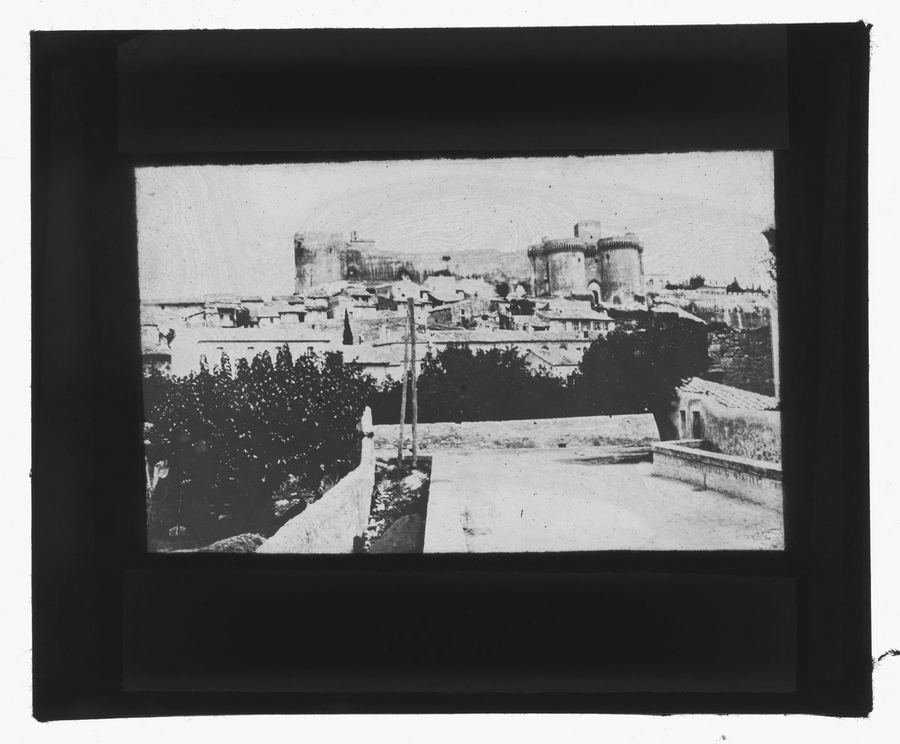
Plan and listen to House Of Queen Jeanne, 24Bis Saint-Étienne Street with Audiala.
Audio guide in your pocket, itinerary in your browser. Built for the way you actually visit.
Introduction
The House of Queen Jeanne (Maison de la Reine Jeanne) is a distinguished landmark nestled in Avignon’s UNESCO-listed historic center. Renowned for its evocative medieval and Renaissance architecture, it offers a window into the city’s layered past and its pivotal role during the Avignon Papacy and beyond. While the residence is private and generally closed to the public, its striking façade and storied associations with figures like Jeanne I of Naples and Jeanne d’Albret make it a must-see for history enthusiasts exploring Avignon’s rich urban tapestry (Avignon Cité Millénaire; Wikipedia: Jeanne d'Albret; Avignon-et-Provence).
This guide provides a comprehensive overview of the House of Queen Jeanne, including its historical background, architectural significance, practical visitor information, and tips for making the most of your time in Avignon’s historic core.
Historical Background
Origins and Historical Context
Located at 24Bis Rue Saint-Étienne, the House of Queen Jeanne stands on a street with deep medieval and Roman roots. Rue Saint-Étienne, once the heart of Avignon’s woodworkers’ guilds and possibly home to a Roman hippodrome, is emblematic of the city’s dynamic urban development (Avignon Cité Millénaire).
The house is traditionally associated with Queen Jeanne I of Naples (1326–1382), who sold Avignon to Pope Clement VI in 1348, cementing the city’s status as a papal enclave (Wikipedia: History of Avignon). Although direct evidence of her residency is debated, the name reflects the building’s connection to Avignon’s noble and ecclesiastical history. Later, the property became known as the Maison de Forli, underlining its continued prominence among the city’s elite (Monumentum).
Cultural and Heritage Value
The House of Queen Jeanne is an integral part of Avignon’s historic ensemble, helping to define the character of Rue Saint-Étienne. Along with neighboring mansions and academic landmarks, it illustrates the city’s transformation during and after the papal period (Avignon Cité Millénaire). Its façade is officially protected as a historical monument, a testament to its enduring architectural and cultural value (Monumentum).
Architectural Features and Significance
Exterior and Façade
The House of Queen Jeanne exemplifies the transition from fortified medieval residences to more refined Renaissance urban palaces. Key features include:
- Stone Masonry: The façade is built from local limestone, adorned with arched windows and intricate stonework.
- Defensive Elements: Crenellations and robust walls evoke the turbulent era in which it was built.
- Decorative Details: Gothic and Renaissance motifs, such as carved corbels and window tracery, reflect the tastes of Avignon’s nobility (architectureofcities.com).
While the interior is not open to the public, the exterior serves as a tangible reminder of Avignon’s medieval grandeur and the lifestyles of its elite.
Preservation
The façade has been protected since 1927 under French heritage law, ensuring that the building remains a vital part of Avignon’s historical cityscape (Monumentum). Restoration efforts have focused on maintaining original materials and craftsmanship, in line with Avignon’s status as a UNESCO World Heritage Site (World Travel Guide).
Practical Visitor Information
Location and Access
- Address: 24Bis Rue Saint-Étienne, Avignon, France (Mapcarta)
- Access: The house is best reached on foot from Avignon’s main sights. The old town’s narrow, cobblestone streets are pedestrian-friendly but may be challenging for those with mobility issues. Parking is available outside the city walls, and the Avignon Centre train station is a short walk away.
Visiting Hours and Tickets
- Regular Access: The House of Queen Jeanne is a private residence; the interior is not generally open to the public.
- Exterior Viewing: The façade can be admired and photographed from the street at any time, with no ticket required.
- Special Events: During occasions such as European Heritage Days (Journées du Patrimoine), the house may offer guided tours or interior access. Information about these events can be found on the Avignon Tourisme website or by contacting local heritage organizations (Monumentum).
Accessibility
Given the historic nature of the building and surrounding streets, accessibility is limited. Visitors with mobility concerns should check with the Avignon Tourism Office for advice on accessible routes and alternative attractions.
Nearby Attractions and Suggested Itinerary
The House of Queen Jeanne is ideally situated for exploring Avignon’s most significant sites:
- Palais des Papes: The largest Gothic palace in Europe (National Geographic)
- Pont Saint-Bénézet: The iconic medieval bridge over the Rhône (Avignon-et-Provence)
- Avignon Cathedral (Notre-Dame des Doms): An impressive blend of Romanesque and Gothic architecture (happytowander.com)
- Rue des Teinturiers: Known for its waterwheels and artisan workshops (myglobalviewpoint.com)
- Basilique Saint-Pierre and Place des Châtaignes: Notable for their historic and architectural charm
Combine these sites into a half-day walking tour for a comprehensive experience of Avignon’s old town.
Tips for a Memorable Visit
- Photography: The façade is best photographed during morning or late afternoon light.
- Respect Privacy: As the house is a private residence, limit exploration to public areas and avoid disturbing occupants.
- Special Events: Plan your visit during European Heritage Days in September or the Avignon Festival in July for possible interior access and vibrant city life (The Crazy Tourist).
- Guided Tours: Local operators often include the house in city walking tours. Reserve via the Avignon Tourism Office.
Visitor Amenities
- Dining: Enjoy regional cuisine at cafés and restaurants near Place Saint-Pierre or Rue des Teinturiers (Frankreich Webazine).
- Shopping: Explore artisan shops for local specialties.
- Restrooms: Facilities are available at major tourist sites like Palais des Papes.
Responsible Tourism
Help preserve Avignon’s unique heritage by respecting historic buildings, minimizing litter, and supporting local businesses committed to sustainability (Frankreich Webazine). Walking or cycling is recommended to reduce environmental impact.
Frequently Asked Questions (FAQ)
Q: Can I visit the interior of the House of Queen Jeanne?
A: The house is a private residence and is not generally open to the public. Occasionally, special events such as European Heritage Days may allow interior viewing.
Q: What are the visiting hours?
A: There are no set visiting hours; the exterior can be viewed at any time. Interior access is limited to designated events.
Q: Are tickets required?
A: No tickets are needed to view the façade. Special event tours may require registration.
Q: Is the house included in guided tours?
A: Yes, many walking tours of Avignon’s historic center include the House of Queen Jeanne.
Q: Is the site accessible for people with reduced mobility?
A: Accessibility is limited; check with the Avignon Tourism Office for guidance.
Listen to the full story in the app
The whole House Of Queen Jeanne, 24Bis Saint-Étienne Street,
told well.
Audio guides for 1,100+ cities across 96 countries. History, stories, and local insight — offline ready.

Verified, and shown.
Researched and written by the Audiala editorial team from historical records, architectural archives, and local expertise.
Rue Saint-Étienne Avignon
Jeanne d'Albret. Wikipedia
Avignon Maison de Forli dite de la Reine Jeanne
Popes of Avignon
Official Tourism Website
Avignon History
House of Queen Jeanne Location
Last reviewed
Researched from Wikidata, Wikipedia & official sources · fact-checked · How we make our guides →