Plan and listen to The Alyscamps with Audiala.
Audio guide in your pocket, itinerary in your browser. Built for the way you actually visit.
Introduction: Alyscamps and Its Historical Significance
Located on the edge of Arles’ ancient city center, the Alyscamps stands as one of Europe’s most remarkable and atmospheric necropolises. Established in Roman times as the main burial ground for Arelate (the Roman name for Arles), this site provides an unparalleled journey through nearly 1,500 years of funerary traditions, from the pagan Roman era through early Christianity and the Middle Ages. The name “Alyscamps,” derived from the Latin Elisii Campi or Elysian Fields, reflects its symbolic role as a sacred resting place revered for centuries (Perfectly Provence; Arles Guide; Wikipedia).
This comprehensive guide explores the Alyscamps’ layered heritage, from its origins along the Via Aurelia to its medieval status as a major pilgrimage stop on the Camino de Santiago. Discover the stories of saints like Saint Genesius and Saint Trophimus, the site’s artistic legacy in works by Van Gogh and Gauguin, and its recognition as part of Arles’ UNESCO World Heritage ensemble (History Hit; Arles Tourisme PDF). Practical details on visiting hours, tickets, accessibility, and guided tours are included, alongside tips for exploring nearby attractions such as the Church of Saint-Honorat, the Arles Amphitheatre, and the Roman Theatre. Whether you are a history enthusiast, pilgrim, artist, or traveler, this guide provides everything you need for a memorable visit (Nomads Travel Guide; The Crazy Tourist; Audiala).

Roman Foundations
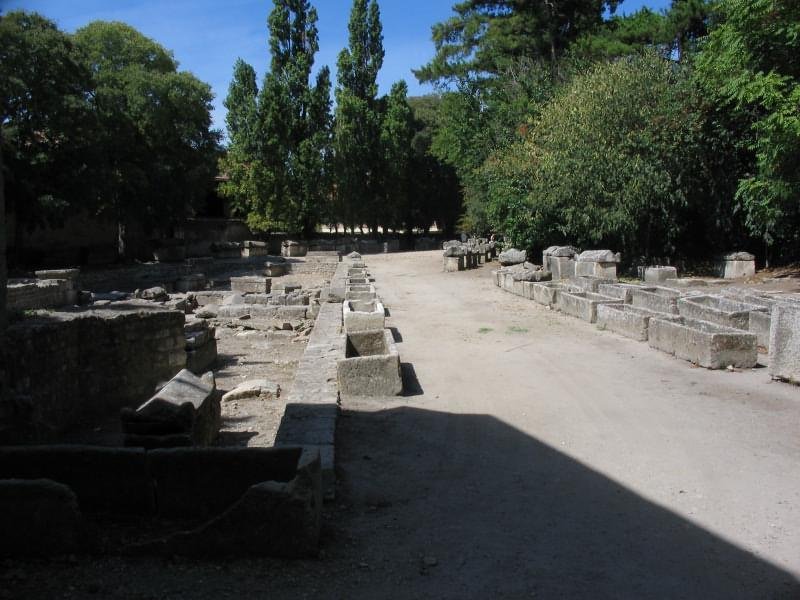
The Alyscamps began as the principal necropolis for Roman Arles (Arelate). In accordance with Roman law, burials were forbidden within city walls, leading to grand cemeteries along major roads—Alyscamps being the most prominent, located at the terminus of the Via Aurelia (Perfectly Provence; Arles Guide). By the 4th century, thousands of tombs and sarcophagi lined this avenue, sometimes stacked three deep, marking the site’s significance (Wikipedia).
Christian Transformation
With Christianity’s spread in the 4th century, the Alyscamps became a prestigious Christian burial ground, drawing believers from throughout Europe. Notable saints—Saint Genesius, a martyred Roman official, and Saint Trophimus, Arles’ first bishop—were buried here, further elevating its sacred status (History Hit). Legends claimed that Christ blessed the cemetery, promising instant passage to Paradise for those interred within (History Tools).
Medieval Prestige and Pilgrimage
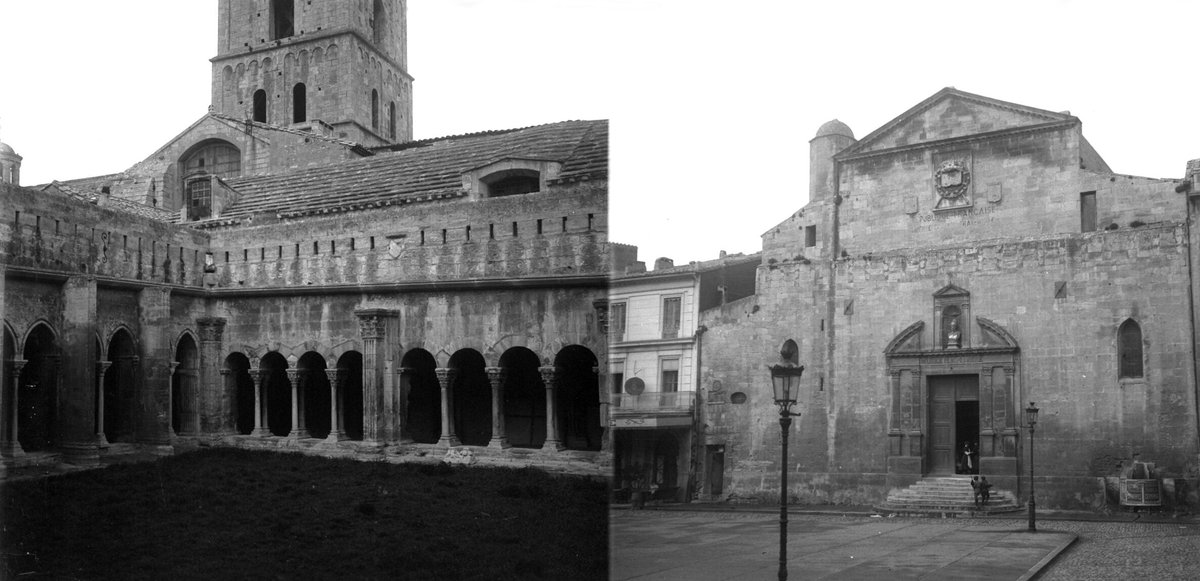
During the Middle Ages, the Alyscamps was renowned across Europe. Its fame is reflected in literary works like Dante’s Inferno and Ariosto’s Orlando Furioso (Wikipedia). It also became the starting point for the Via Tolosana, a major pilgrimage route to Santiago de Compostela (Arles Tourisme PDF). The 12th-century Church of Saint-Honorat, built atop earlier Christian structures, became a focal point for pilgrims (History Tools).
Decline and Rediscovery
The Alyscamps’ importance waned after the relics of Saint Trophimus were moved to Arles Cathedral in 1152. Over subsequent centuries, sarcophagi were looted or repurposed, and the construction of a railway and canal in the 19th century further damaged the site (Perfectly Provence). Restoration efforts and its UNESCO designation in 1981 have since preserved what remains (Arles Guide; History Tools).
Artistic and Literary Legacy
The Alyscamps inspired artists such as Vincent van Gogh and Paul Gauguin, who painted its plane tree-lined avenue and rows of sarcophagi in 1888 (Destination Alpilles). The site’s atmospheric beauty continues to attract photographers and painters today.
Visiting Alyscamps: Hours, Tickets, and Practical Tips
Location and Getting There
The Alyscamps is located at 9 Boulevard des Lices, 13200 Arles, France (Arles Tourisme). It’s a 10–15 minute walk from Arles’ city center, with ample signage and nearby parking. Arles is accessible by train and bus from Avignon, Nîmes, and Marseille (Nomads Travel Guide).
Visiting Hours
- April–October: 9:00 am – 6:00 pm
- November–March: 10:00 am – 5:00 pm
- Last entry is 30 minutes before closing. Hours may vary on holidays; always check the Arles Tourisme website for the latest updates.
Tickets
- Standard Admission: €5–€8 for adults
- Discounts: Reduced rates for students, seniors, and children; children under 12 often enter free
- Combination Tickets: Available for multiple Arles monuments
- Arles City Pass: Includes Alyscamps entry (Arles City Pass)
- Guided Tours: Additional fees apply; bookable online or via the tourism office
Accessibility
- The main avenue is mostly flat and paved, suitable for wheelchairs and strollers, though some uneven surfaces exist near the church.
- Église Saint-Honorat has steps and uneven flooring—access may be limited for those with mobility challenges.
- Restrooms and benches are available on site; no café or gift shop, but the city center is nearby.
Onsite Experience and Visitor Flow
The Alyscamps’ main path is lined with ancient Roman sarcophagi beneath stately plane trees, leading to the Romanesque Church of Saint-Honorat. Interpretive panels (in French and English) and optional audio guides enrich the visit (Audiala). Visitors typically spend 45–90 minutes exploring. The site rarely feels crowded, offering a tranquil alternative to central Arles.
Guided Tours and Special Events
- Guided Tours: Offered by Arles tourism and local operators, focusing on history, art, and funerary customs (Nomads Travel Guide).
- Audio Guides: Audiala app and brochures available at the entrance.
- Events: Occasional concerts, exhibitions, and night tours, especially during Arles festival season (e.g., Rencontres d’Arles, Festival des Suds) (France Voyage).
Nearby Attractions
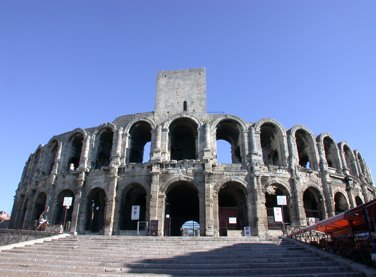
- Arles Amphitheatre: Roman arena, UNESCO World Heritage site
- Roman Theatre: Venue for summer performances
- Saint-Trophime Church and Cloister: Renowned for Romanesque sculpture
- Musée Départemental Arles Antique: Extensive Roman collections
- Camargue Region: Famous for its wildlife and landscapes
Practical Tips for Visiting
- Best time: Early morning or late afternoon for soft light and fewer crowds
- What to bring: Comfortable shoes, water, sun protection
- Photography: Allowed; drones and commercial shoots require permission
- Respect: Avoid touching or climbing on monuments; maintain a quiet atmosphere
Frequently Asked Questions (FAQ)
What are the Alyscamps visiting hours?
April–October: 9:00 am–6:00 pm; November–March: 10:00 am–5:00 pm. Last entry 30 minutes before closing.
How much does entry cost?
€5–€8 for adults; discounts for students, seniors, and children. Free for children under 12. Included with the Arles City Pass.
Are guided tours available?
Yes, through the tourism office or third-party operators; audio guides are also available.
Is the Alyscamps wheelchair accessible?
The main avenue is accessible; access to Église Saint-Honorat may be limited.
Are special events held at the Alyscamps?
Yes, especially during festival season—check the Arles events calendar.
Can I take photos?
Personal photography is allowed; drones and commercial use require prior approval.
Summary and Visitor Recommendations
The Alyscamps is more than an ancient burial ground—it is a living testament to Arles’ rich cultural, religious, and artistic legacy. From its Roman origins and Christian sanctity to its influence on artists and writers, the Alyscamps offers a journey through time beneath the shade of centuries-old plane trees. As a UNESCO World Heritage site, its preservation and accessibility make it a must-see for visitors to Arles (Perfectly Provence; Arles Guide; Arles Tourisme PDF; Nomads Travel Guide).
Plan your visit by checking current hours and ticketing, consider a guided or audio tour, and pair your Alyscamps experience with other Roman and medieval sites in Arles. For deeper engagement, download the Audiala app for immersive audio guides and stay updated via official tourism channels (Audiala; Arles Tourisme).
Listen to the full story in the app
The whole The Alyscamps,
told well.
Audio guides for 1,100+ cities across 96 countries. History, stories, and local insight — offline ready.
Verified, and shown.
Researched and written by the Audiala editorial team from historical records, architectural archives, and local expertise.
Researched from Wikidata, Wikipedia & official sources · fact-checked · How we make our guides →