Plan and listen to Bridge Of Constantine with Audiala.
Audio guide in your pocket, itinerary in your browser. Built for the way you actually visit.
Introduction: Discovering the Bridge of Constantine in Arles
The Bridge of Constantine in Arles, France, offers visitors a remarkable journey through the city's Roman heritage and vibrant cultural landscape. Although often confused due to various historical references, this site—primarily marked by the evocative stone lions and the nearby Baths of Constantine—stands as a testament to the city's significance during the Roman Empire under Emperor Constantine I. While the original Roman bridge no longer spans the Rhône, its legacy persists in the remnants and monuments that define this section of Arles (France This Way; France Adventurer).
The area surrounding the Bridge of Constantine is accessible to the public, providing scenic riverbank views and interpretive panels that illuminate the rich history of Arles. Its proximity to other major landmarks, such as the Baths of Constantine and the Pont Van-Gogh (Langlois Bridge), creates a comprehensive cultural experience, blending Roman history with artistic heritage (audiala.com; Arles Guide).
This guide presents a thorough overview for visitors—including historical context, architectural highlights, practical information on visiting hours and ticketing, accessibility, travel tips, and recommended attractions nearby—to ensure a rewarding visit to the Bridge of Constantine and the heart of Arles.


History and Cultural Significance
Historical Background
The so-called "Bridge of Constantine" is often misunderstood. While Arles’ most prominent Roman bridge is not directly named after Constantine, its construction and historical context are intimately tied to the emperor’s influence. The original Roman bridge (Pont de César or Pont de Constantin) likely dates to the late Roman period, facilitating movement across the Rhône and reinforcing Arles as a flourishing regional hub during Constantine's rule (France This Way).
The bridge, built in the 4th century AD, linked the city to its western suburb, Trinquetaille. Over time, flooding and conflict led to its decline, with only remnants—most famously the stone lions—remaining as silent witnesses to its grandeur.
Architectural Features and Archaeological Remains
Although the bridge itself no longer stands, several key features endure:
- Stone Lions (Les Lions du Rhône): Once flanking the bridge’s entrance, these sculptures now reside along the riverbank, serving as iconic monuments (France Adventurer).
- Submerged Stone Piers: Occasionally visible during low water, these offer insight into the bridge’s original scale.
- Interpretive Panels: Installed along the riverbank, these provide historical context and illustrations for visitors.
- Nearby Baths of Constantine: An adjoining Roman bath complex, reflecting the city’s architectural sophistication (France This Way).
The Bridge’s Role in Urban and Cultural Life
The bridge was more than a feat of engineering; it symbolized Arles’ prosperity and strategic importance. It enabled trade, military movement, and cultural exchange, solidifying the city’s position in the Roman Empire. Its memory persists in local lore, maps, and art, with the stone lions becoming enduring symbols of Arles’ historical depth.
Visiting Hours and Tickets
Visiting Hours
- Bridge of Constantine Site: Open-air and accessible to the public at all times. For the best experience, visit during daylight—early morning or late afternoon.
- Nearby Monuments (e.g., Baths of Constantine): Generally open daily, 9:00 AM to 6:00 PM (hours may vary seasonally; check locally for updates).
Tickets and Passes
- Bridge Site: Free access; no ticket required.
- Other Roman Sites: Tickets are required for entry to monuments like the Baths of Constantine and the Roman Amphitheatre.
- Standard single-site ticket: ~€5–€12, with discounts for children, students, and local residents.
- Arles Advantage Pass: ~€19, includes multiple sites and museums—ideal for comprehensive exploration.
- Tickets available online, at the tourist office, or at the entrance of major sites.
Location, Access, and Nearby Attractions
Location
- Bridge of Constantine Remains: Along the Rhône, a short walk from Arles’ historic center.
- Landmarks within Walking Distance:
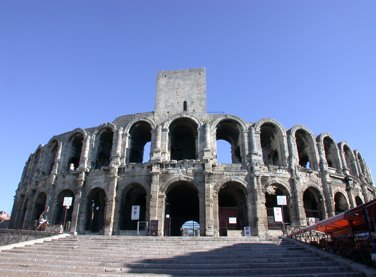
- Roman Amphitheatre (Arènes d'Arles): 10 minutes
- Baths of Constantine: Adjacent
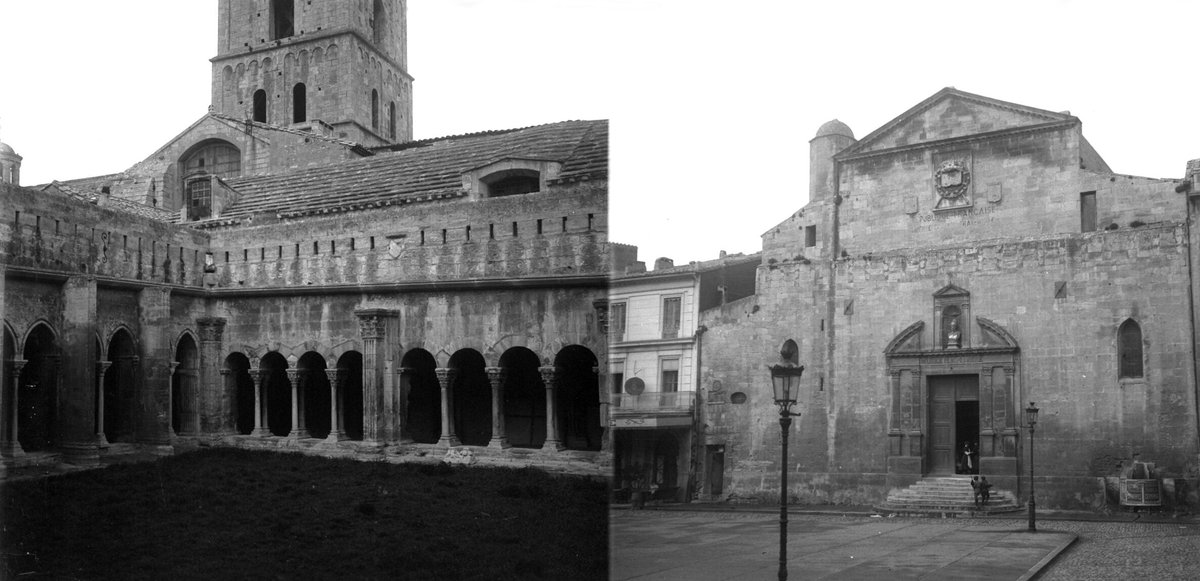
- St. Trophime Church: 15 minutes
- Pont Van-Gogh (Langlois Bridge): Accessible via a brief walk or local transport
Nearby Attractions
- Musée Départemental Arles Antique: Showcases artifacts and reconstructions from the city’s Roman past.
- Roman Theatre and Alyscamps Necropolis: Expand your historical itinerary.
Getting There and Accessibility
By Public Transport
- Train: Arles station connects to Avignon (20 minutes) and Nîmes (30 minutes). The city center is a 15-minute walk from the station.
- Buses: Local routes serve the city and surroundings, though most sites are easily explored on foot or by bicycle.
By Car and Parking
- City Center: Largely pedestrianized; parking available at Parc du Centre (8 rue Émile-Fassin) and Parking des Lices.
- Free Parking: Saturdays after 3 p.m., Sundays, and public holidays (October–April) in designated zones.
Accessibility
- Disabled Visitors: Reserved parking spaces near main sites; the riverbank and bridge area are mostly accessible, but cobblestone streets may pose challenges.
- Assistance: Can be arranged via the tourist office.
Best Times to Visit
Seasonal Considerations
- Spring/Autumn: Pleasant weather, fewer crowds, ideal for photography.
- Summer: Hot and busy, especially during festivals.
- Winter: Mild but windy (Mistral wind); quieter atmosphere.
Time of Day
- Early mornings and late afternoons offer the best light and tranquility.
Guided Tours and Special Events
- Guided Tours: Available through the tourist office and local providers, focusing on Roman history, architecture, and art.
- Special Events: Festivals like the Feria d’Arles and the Rencontres d’Arles photography festival bring additional cultural offerings and larger crowds.
Safety and Practical Tips
- Safety: Arles is generally safe; standard precautions suffice, especially during busy events.
- Emergencies: Dial 112 (general) or 15 (medical).
- Practical Tips:
- Wear sturdy shoes for cobblestones.
- Bring water, sun protection, and a hat in summer.
- Use the Flowbird app for parking.
- Learn a few French phrases for a fuller experience.
Photography and Facilities
- Photo Opportunities: The stone lions, riverbank, and Roman monuments are picturesque, especially at sunrise/sunset.
- Facilities: Public restrooms, cafés, and restaurants are nearby. Markets offer local Provençal flavors.
Sustainable and Respectful Tourism
- Support local businesses and artisans.
- Use refillable water bottles and opt for walking or cycling.
- Respect signage and avoid climbing on monuments.
Frequently Asked Questions (FAQ)
Q: Is there an entrance fee for the Bridge of Constantine?
A: No, the bridge site and riverbank promenade are free to visit. Tickets are required for nearby monuments.
Q: When is the best time to visit?
A: Early morning or late afternoon in spring or autumn for the best experience.
Q: Are guided tours available?
A: Yes, book through the tourist office or local guides.
Q: Is the site accessible for wheelchair users?
A: Mostly, though cobblestone streets nearby may be challenging; assistance is available.
Q: How do I get to the bridge from the train station?
A: A 15-minute walk through the historic center brings you to the riverbank and bridge area.
Listen to the full story in the app
The whole Bridge Of Constantine,
told well.
Audio guides for 1,100+ cities across 96 countries. History, stories, and local insight — offline ready.
Verified, and shown.
Researched and written by the Audiala editorial team from historical records, architectural archives, and local expertise.
Researched from Wikidata, Wikipedia & official sources · fact-checked · How we make our guides →