Plan and listen to Barbegal Aqueduct And Mills with Audiala.
Audio guide in your pocket, itinerary in your browser. Built for the way you actually visit.
Introduction
Located just outside the historic city of Arles in the picturesque Provence region of southern France, the Barbegal Aqueduct and Mills stand as an enduring symbol of Roman engineering and industrial ingenuity. Celebrated as one of antiquity’s earliest industrial complexes, Barbegal reflects the Roman Empire’s remarkable ability to harness natural resources for large-scale production. Constructed in the early 2nd century CE, the complex utilized water from the Alpilles massif to operate sixteen cascading watermills—capable of producing up to 4.5 tons of flour daily, a quantity sufficient to feed the ancient city's population. Today, the ruins offer a fascinating window into the technological prowess, urban planning, and cultural legacy of Roman Gaul.
Set amid Provençal olive groves, vineyards, and sleepy villages, Barbegal is a destination for history lovers, archaeology enthusiasts, and travelers seeking authentic experiences in southern France. This comprehensive guide covers everything you need to plan your visit—including Barbegal aqueduct visiting hours, ticketing, access, travel tips, and highlights of nearby attractions—ensuring an enriching journey through the region’s remarkable past. For further details, consult the official Arles tourism website, History Tools, and Nature.
Roman Arles and the Genesis of Barbegal
Arles (Arelate) grew from a Roman veterans’ colony into a major urban center, known as “Gallula Roma”—the Rome of Gaul. As the city’s population and demands expanded, so did the need for water and food. To address this, Roman engineers constructed a sophisticated aqueduct system, drawing water from the Alpilles massif and conveying it more than 60 km to Arles. Notably, a significant portion of this water was diverted to power the Barbegal watermill complex, located on the steep southern slopes of the Chaînon de la Pène (Roman Aqueducts Info).
Technological Innovations & Hydraulic Engineering
Barbegal is renowned for its advanced use of waterpower. The complex consisted of sixteen overshot water wheels arranged in two parallel rows, cascading down a hillside. Water from dual aqueducts—the Eygalières and Caparon—was delivered via a double aqueduct bridge to the top of the mills. Gravity-fed channels and uniquely designed elbow-shaped flumes directed water sequentially from one wheel to the next, maximizing energy transfer and efficiency (Nature).
This serial arrangement of mills, along with the adaptation of flume design and durable millstones, exemplifies the Romans’ mastery of hydraulic engineering and their ability to create industrial-scale operations integrated into the natural landscape.
Archaeological Discoveries & Modern Research
While much of the original machinery has vanished, archaeological studies have revealed significant details about Barbegal’s operation. Carbonate deposits preserved in the flumes have provided evidence of the wooden channels and the flow of water through the complex. Research led by Professor Cees Passchier identified the unique elbow-shaped flumes, a site-specific solution to optimize the overshot water wheels' performance (Nature; History Tools).
The Barbegal Industrial Complex
Layout and Operation
Barbegal’s sixteen mills were arranged in two stepped rows of eight, allowing water to cascade from mill to mill. Each water wheel drove a set of millstones, enabling the production of up to 4.5 tons of flour per day—enough to supply bread for 12,500 people, mirroring the population of Arles during its Roman peak (Beyond.fr; Water History).
This industrial-scale complex was unprecedented, marking Barbegal as the largest known concentration of mechanical power in the ancient world (Wikipedia; Nomads Travel Guide).
Economic and Social Impact
The mills revolutionized bread production in Roman Arles, ensuring food security, supporting the military, and freeing labor for other economic pursuits. Barbegal’s surplus flour enabled trade and contributed to the prosperity of the region, exemplifying the transformative power of Roman technology and urban planning (History Tools).
Visiting Barbegal: Practical Information
Location and Access
The Barbegal Aqueduct and Mills are located about 12 km east of Arles and 3 km from the village of Fontvieille, in the foothills of the Alpilles (Nomads Travel Guide). The site can be accessed by car (via the D17 road toward Fontvieille), by bicycle (a scenic 45–60 minute ride from Arles), or by walking trails. There is no direct public transport; the closest bus stop is in Fontvieille.
Visiting Hours and Tickets
- Opening Hours: The archaeological site is open year-round, with free, unfenced access at all times. Daylight visits are strongly recommended.
- Admission: There is no entrance fee. Access to the Musée Départemental Arles Antique (where Barbegal artifacts are displayed) requires a ticket (typically €5–€10).
- Guided Tours: Occasional guided tours are offered by local operators and the Arles tourism office. Advance booking is advised for guided experiences.
On-Site Experience
- Aqueduct Remains: Explore the impressive twin channels, limestone arches, and stone-lined watercourses that once brought water from the Alpilles to Arles.
- Mill Ruins: See the foundations and channels of the ancient mills, with panoramic views of the Provençal countryside. Interpretive signage is available (primarily in French).
- Photography: Early morning and late afternoon offer optimal lighting for photos. Drones and climbing on ruins are not permitted to protect the site.
Accessibility
The site features uneven terrain and some steep paths, making it unsuitable for visitors with limited mobility. Wear sturdy footwear and bring water, sun protection, and snacks.
Nearby Attractions
- Fontvieille: Traditional windmills, bakeries, and markets.
- Les Baux-de-Provence: Medieval village, castle ruins, and the Carrières de Lumières art center (Komoot).
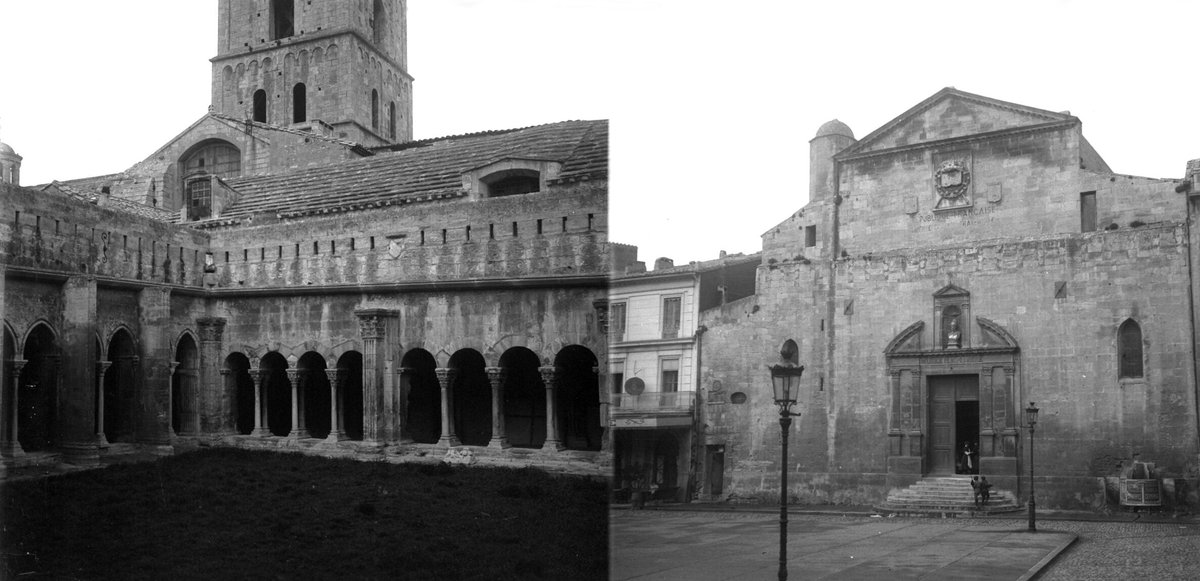
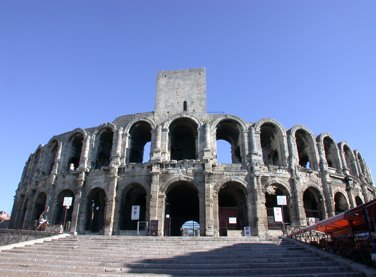
- Arles: Roman amphitheater, ancient theater, Saint-Trophime Cloister, and the Musée Départemental Arles Antique (The Crazy Tourist).
- Camargue Nature Park: Famous for wild horses, bulls, and birdlife.
- Montmajour Abbey: Medieval complex with panoramic views.
Travel Tips
- Visit early or late in the day to avoid crowds and heat.
- Combine your trip with other Arles historical sites for a full day’s itinerary.
- Download the Audiala app for audio guides and updates.
Provençal Culture & Environment
Barbegal sits amid the timeless landscapes of Provence, where olive groves, vineyards, and lavender fields thrive. The local culture blends Roman, medieval, and Mediterranean influences, reflected in cuisine (bouillabaisse, ratatouille, local wines), festivals, and crafts (My Provence). Fontvieille and other villages offer weekly markets, artisanal products, and authentic Provençal charm.
The site is within the Alpilles Regional Natural Park, which emphasizes sustainable tourism and environmental preservation. Respect local guidelines, especially during fire-prone summer months.
Preservation and Ongoing Research
Barbegal is a protected historical monument. Ongoing archaeological and conservation efforts continue to reveal new insights into Roman industrial technology. The Musée Départemental Arles Antique presents models, artifacts, and research findings, deepening public understanding of Barbegal’s significance (Arles Guide; History Hit).
Frequently Asked Questions (FAQ)
What are the Barbegal Aqueduct visiting hours?
The outdoor site is open year-round, with recommended visits during daylight hours (typically 9:00 AM–6:00 PM). Hours for nearby museums may vary.
Is there an entrance fee or ticket required?
No, the Barbegal Aqueduct and Mills site is free to visit. Tickets are required for the Musée Départemental Arles Antique.
Are guided tours available?
Yes, through local operators and the Arles tourism office. Advance booking is recommended.
How do I get to Barbegal from Arles?
By car (about 15 minutes), by bicycle (45–60 minutes), or by walking. No direct public transit; the nearest bus stop is in Fontvieille.
Is the site accessible for those with limited mobility?
Due to uneven and rocky terrain, the site is not suitable for visitors with mobility impairments.
Are there facilities at the site?
The site is rustic with no restrooms or cafés; amenities are available in nearby Fontvieille.
Discover More
For the latest on Barbegal visiting hours, tickets, and guided tours, consult the official Arles tourism website. Download the Audiala app for audio tours, share your experience with #BarbegalVisit, and connect with other travelers and history enthusiasts on social media.
Listen to the full story in the app
The whole Barbegal Aqueduct And Mills,
told well.
Audio guides for 1,100+ cities across 96 countries. History, stories, and local insight — offline ready.

Verified, and shown.
Researched and written by the Audiala editorial team from historical records, architectural archives, and local expertise.
Researched from Wikidata, Wikipedia & official sources · fact-checked · How we make our guides →