Plan and listen to Ancienne Église Saint-Blaise D'Arles with Audiala.
Audio guide in your pocket, itinerary in your browser. Built for the way you actually visit.
Introduction
The Ancienne Église Saint-Blaise d’Arles is one of Arles’ most evocative historical landmarks. Situated within the city’s UNESCO World Heritage–listed core, this former conventual church bridges the medieval past and the city’s vibrant contemporary culture. Today, it is celebrated not only for its Romanesque and Gothic architecture but also for its dynamic role as a venue for the internationally renowned Rencontres d’Arles photography festival. This comprehensive guide explores its origins, architectural evolution, cultural significance, and provides practical information for visitors, including up-to-date visiting hours, ticketing, and travel tips.
(ast-arles.org)
(monumentum.fr)
(rencontres-arles.com)
(arlestourisme.com)
(planetware.com)
Origins and Foundation
The Ancienne Église Saint-Blaise traces its roots to the early medieval period, serving as the conventual church for the influential Abbey of Saint-Césaire. Founded in the 6th century by Saint Césaire, bishop of Arles, for his sister Césarie—the first abbess—the church became a vital spiritual center for one of southern France’s most prominent female monastic communities. Its location near key Roman and early Christian sites embedded it in the religious and social fabric of medieval Arles.
Architectural Evolution
Romanesque Beginnings (12th Century):
Early 12th-century elements include the transept, the nave’s first bay with a semicircular vault, and robust Romanesque masonry. These features embody the sober, monumental style characteristic of Provençal Romanesque architecture.
Gothic Enhancements (13th–14th Centuries):
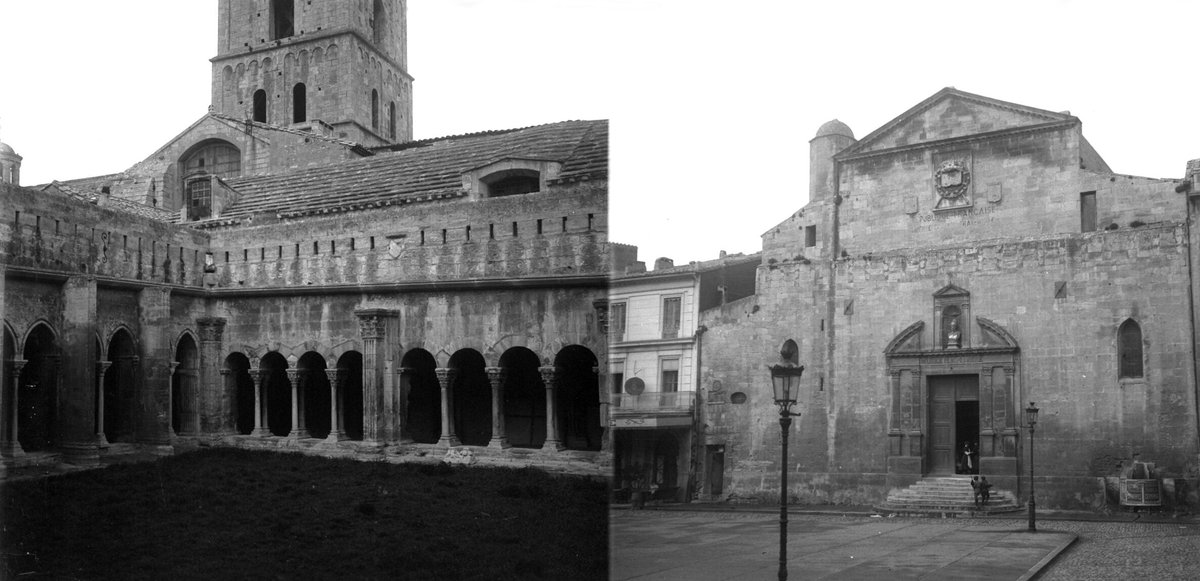
In the mid-12th and late 13th centuries, the church was expanded with a lengthened nave and pointed Gothic vaults. The 14th-century façade, with its twin-light window and statue of Saint John, added verticality and decorative detail.
Early Modern Alterations (17th Century):
The 17th century saw practical changes, including a raised floor and a reconstructed porch, reflecting shifts in liturgical usage. The layering of masonry and modifications are still visible today.
Cultural and Religious Significance
Saint-Blaise was central to the Abbey of Saint-Césaire’s religious influence, attracting royal and ecclesiastical patronage. Over centuries, it hosted key liturgical events and served as a focal point for the community. Though much of its original art was dispersed, remnants survive in nearby churches, such as Notre-Dame de la Major.
Historical Events and Heritage Status
The church was secularized and sold during the French Revolution, later serving as home to the Confraternity of the Grey Penitents and other secular functions. Archaeological excavations in the late 20th century deepened understanding of its medieval past. In 1908, it was classified as a Monument Historique, ensuring its protection and ongoing restoration.
Architectural Features
The Ancienne Église Saint-Blaise displays a harmonious blend of Romanesque and Gothic elements:
- Exterior: Layered stonework marks different construction phases. The 14th-century façade’s Gothic window and statue add visual interest.
- Interior: The nave’s semicircular and pointed vaults echo the transition from Romanesque to Gothic styles. Though the original apse no longer remains, the spatial arrangement and surviving details offer insights into medieval monastic architecture.
- Artistic Details: Faded frescoes, carved capitals, and sculptural fragments reflect the devotional life and artistic sensibilities of medieval Arles.
Transformation into a Contemporary Cultural Venue
No longer an active parish church, Saint-Blaise has been revitalized as a cultural landmark. Its atmospheric nave and stone walls serve as a dramatic setting for Rencontres d’Arles photography exhibitions, featuring leading international artists such as Nan Goldin. The adaptive reuse of the building exemplifies best practices in heritage conservation, integrating reversible exhibition installations and accessibility features while preserving the monument’s historic character.
Visiting Ancienne Église Saint-Blaise d’Arles
Location and Access
The church is located at Rue Saint-Blaise, 13200 Arles, close to Les Alyscamps and within walking distance of other major sites. The main railway station is 1.5km away, with public transport and parking options nearby.
Opening Hours
- Regular Hours: Typically open Tuesday–Sunday, 10:00 AM to 6:00 PM; closed Mondays and public holidays.
- Festival Period (Rencontres d’Arles): Daily from 10:00 AM to 7:00 PM (July–October), with possible extended hours.
- Special Events: Hours may vary for exhibitions or restoration work—always check the Arles Tourist Office or Rencontres d’Arles for updates.
Ticketing
- General Admission: Entry is usually free. Donations for monument upkeep are welcomed.
- Exhibitions: Special exhibitions, particularly during the Rencontres d’Arles festival, may require an exhibition ticket or festival pass. Tickets can be booked online or at festival venues.
- Multi-site Passes: The Arles Pass provides access to multiple historical sites.
Accessibility
The church is equipped with ramps and accessible restrooms to accommodate visitors with reduced mobility. Some uneven surfaces may remain; inquire in advance for details.
Visitor Tips
- Photography: Personal photography is permitted, but restrictions may apply during exhibitions (no flash/tripods).
- Guided Tours: Seasonal guided tours are available; book through the Arles Tourist Office.
- Best Times to Visit: Weekday mornings are quieter. During the Rencontres d’Arles festival, visit early to avoid crowds.
- Nearby Attractions: Combine your visit with Les Alyscamps, the Amphitheatre, Saint-Trophime Cathedral, and local museums.
Integrating Saint-Blaise into Your Arles Itinerary
Pair with Les Alyscamps for a thematic exploration of early Christian and medieval Arles.
Suggested itinerary segment:
- 9:00 – 10:30: Saint-Trophime Church and Cloister
- 10:45 – 12:00: Les Alyscamps and Ancienne Église Saint-Blaise
- 12:30: Lunch near Place de la République
For art lovers, follow the Van Gogh walking trail and visit the Musée Départemental Arles Antique for more archaeological context.
Community Engagement and Preservation
Restoration and maintenance are ongoing, supported by local associations and heritage organizations. Community events, educational workshops, and festival exhibitions ensure Saint-Blaise remains a living part of Arles’ cultural fabric.
Frequently Asked Questions (FAQ)
Q: What are the current visiting hours for Ancienne Église Saint-Blaise?
A: Usually 10:00 AM–6:00 PM (Tuesday–Sunday), but hours may vary. Check the Arles Tourist Office for updates.
Q: Is there an entrance fee?
A: Entry is typically free, but donations are appreciated. Special exhibitions may require a ticket.
Q: Are guided tours available?
A: Yes, via the tourist office or private operators, especially during festivals.
Q: Is the site accessible for visitors with mobility challenges?
A: The church is wheelchair accessible, though some uneven surfaces remain.
Q: Can I take photos inside?
A: Yes, for personal use; restrictions may apply during exhibitions.
Visual Highlights
- Exterior view of Ancienne Église Saint-Blaise in Arles showcasing Romanesque architecture
- Interior vaulted ceilings and stone arches used as an exhibition space during Rencontres d’Arles festival
- Visitors exploring contemporary photographic installations at Saint-Blaise
Listen to the full story in the app
The whole Ancienne Église Saint-Blaise D'Arles,
told well.
Audio guides for 1,100+ cities across 96 countries. History, stories, and local insight — offline ready.

Verified, and shown.
Researched and written by the Audiala editorial team from historical records, architectural archives, and local expertise.
Researched from Wikidata, Wikipedia & official sources · fact-checked · How we make our guides →