Plan and listen to Capitainerie De L'Houmeau with Audiala.
Audio guide in your pocket, itinerary in your browser. Built for the way you actually visit.
Introduction
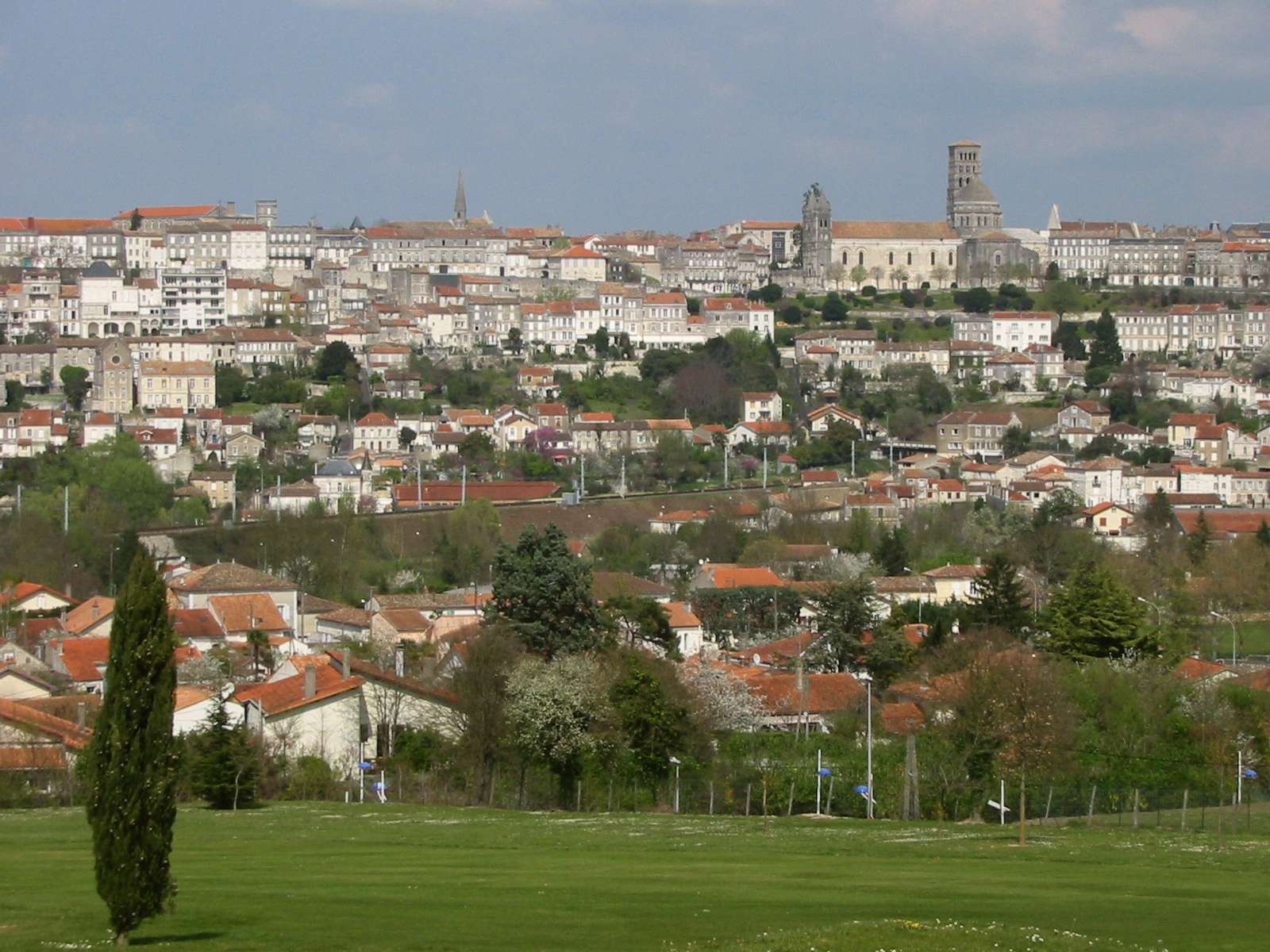
Nestled along the Charente River, the Capitainerie de L'Houmeau in Angoulême, France, is a striking symbol of the city’s maritime legacy, industrial prowess, and continuous urban revitalization. Established by royal ordinance in 1280 under King Philip III the Bold, the L’Houmeau Port became a vital commercial hub that fueled Angoulême’s regional growth. Over centuries, the port adapted to serve emerging industries like papermaking and metalwork, with the Capitainerie itself, built in the 19th century, serving as the port’s administrative center and a testament to neoclassical civic architecture (infiniment-charentes.com; Ville d’Angoulême).
Today, following extensive restoration, the Capitainerie anchors a vibrant district that integrates historic character with modern amenities, cultural venues, and engaging community events. This guide provides a detailed overview of the Capitainerie’s history, architectural features, visitor information, and the top attractions in Angoulême, ensuring a rewarding experience for every traveler.
Medieval Origins and Royal Foundation
The L’Houmeau Port’s history began in 1280, when King Philip III’s ordinance established a commercial port at the foot of Angoulême’s plateau. This strategic riverine location marked the start of the Charente’s navigable section, connecting the city to the Atlantic and facilitating trade in salt, textiles, stone, and agricultural goods. The new port quickly fostered the rise of the L’Houmeau district—a bustling suburb outside Angoulême’s medieval walls (infiniment-charentes.com; petitfute.com; wikipedia).
Economic Expansion and Social Development
During the Middle Ages and into the modern era, L’Houmeau Port flourished. Its docks bustled with shipments of salt, textiles, limestone, and especially paper—reflecting Angoulême’s emergence as a papermaking center. By the 17th century, the port’s activity had intensified with the construction of the Rochefort Arsenal and the rise of the Ruelle foundry, further cementing its economic importance (wikipedia).
The port district became a vibrant working-class community, home to merchants, boatmen, and craftsmen. Social infrastructure included a hospital (Saint-Roch, founded 1532), marine college, and numerous inns. Literary figures like Honoré de Balzac noted the district’s bustling, mercantile character (wikipedia).
The Capitainerie: Authority and Architecture
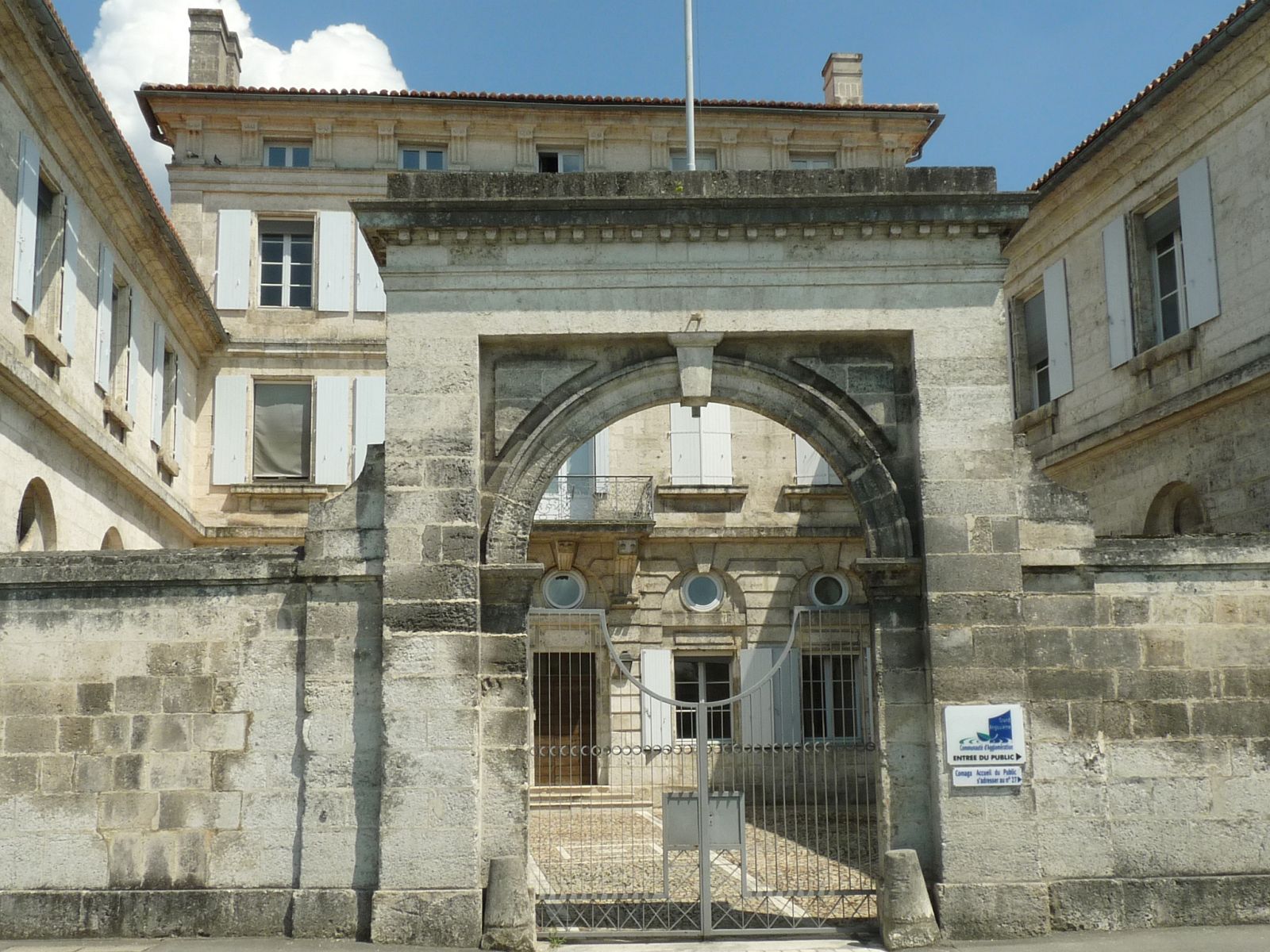
Constructed in the 19th century, the Capitainerie de L’Houmeau reflected both functional needs and architectural ambition. Built from local limestone and adorned with wrought ironwork, its neoclassical façade and robust design underscored its role as the administrative heart of the port: overseeing navigation, regulating trade, and collecting taxes (monumentum.fr; pop.culture.gouv.fr). The building’s symmetry, arched windows, and decorative ironwork are hallmarks of its era (Inventaire général du patrimoine culturel).
Decline, Transformation, and Modern Renewal
The opening of the Paris-Bordeaux railway in 1853 shifted transport priorities from river to rail, leading to a gradual decline of port activity. The official decommissioning came in 1926, after which the district suffered economic downturns and wartime damage (wikipedia). However, since 2009, urban renewal initiatives have rejuvenated L’Houmeau, transforming former docks into a marina and cultural hub, and restoring the Capitainerie as a protected monument (petitfute.com).
Key projects include:
- Rehabilitation of port areas into leisure spaces and greenways
- Restoration of the Capitainerie’s façade and architectural features
- Creation of cultural venues like the International City of Comics and Images and the Musée du Papier
- Construction of the Hugo Pratt footbridge, linking the port to creative institutions (infiniment-charentes.com)
Visiting Information: Hours, Tickets, and Facilities
Opening Hours
- Port and Marina: Open year-round, free access
- Capitainerie de L’Houmeau: Exterior accessible at all times; interior open during special events such as the Journées du Patrimoine. For current schedules, consult Angoulême Tourisme.
Admission & Tickets
- Capitainerie: Free admission to the exterior; guided tour fees may apply during special events. Tickets and reservations for tours are managed by the tourism office (Angoulême Tourisme).
- Boat Rentals: Kayaks and canoes from €12/hour; family and group rates available.
- Nearby Museums: Ticketed entry; see individual websites for details.
Facilities & Accessibility
- Restrooms, seating, and picnic areas available
- Wheelchair-accessible paths and entrances to key sites
- Multilingual brochures and staff assistance for visitors with special needs
Getting There
- 15-minute walk from city center; accessible by bus, bike, or car
- Paid parking nearby; bike racks available
Top Nearby Attractions and Activities
- International City of Comics and Images: Celebrates Angoulême’s comic art heritage
- Alpha Media Library: Cultural exhibitions
- Musée du Papier: Showcasing the city’s historic papermaking industry
- Saint-Pierre d’Angoulême Cathedral: Iconic Romanesque architecture (Saint-Pierre Cathedral)
- Château de la Rochefoucauld: Renaissance castle and gardens (Château de la Rochefoucauld)
- Nature Trails: Bords de Charente, Îles de Fleurac, Chemin de Halage
Restoration and Contemporary Role
The Capitainerie’s ongoing restoration is both a technical and cultural achievement. Local companies are preserving original features—such as the rare Polonceau trusses and colorful façades—while adapting the building for contemporary uses (Charente Libre). The site now anchors community events and heritage trails within the creative “Quartier de l’Image,” connecting Angoulême’s industrial past to its creative present.
Practical Tips and FAQs
- Best Time to Visit: Spring to early autumn for river activities and festivals
- What to Bring: Comfortable shoes, sun protection, and water for outdoor exploration
- Languages: French is primary; English assistance available
- Pets: Dogs welcome outdoors on leash
FAQs:
-
Q: When can I visit the Capitainerie?
A: The exterior is freely accessible; interior access during special events. -
Q: Is there an entry fee?
A: No for exterior; guided tours may have a small fee. -
Q: Are guided tours available?
A: Yes, seasonally via the tourism office. -
Q: Is the site accessible?
A: Yes, with accessible paths and restrooms. -
Q: Can I take photos?
A: Absolutely, especially of the restored façade and river views.
Listen to the full story in the app
The whole Capitainerie De L'Houmeau,
told well.
Audio guides for 1,100+ cities across 96 countries. History, stories, and local insight — offline ready.

Verified, and shown.
Researched and written by the Audiala editorial team from historical records, architectural archives, and local expertise.
Last reviewed
Researched from Wikidata, Wikipedia & official sources · fact-checked · How we make our guides →