castle
Cities Built by History
France lets you read whole eras in the street plan. Paris, Carcassonne, Rouen, Reims, Arles, and Nîmes carry Roman grids, medieval walls, royal ritual, and revolution without flattening them into museum pieces.
France works because it never settles into one story: Roman, royal, revolutionary, culinary, coastal, alpine. Each region argues its case with streets, recipes, and buildings you can still walk through.
 France
EntrySchengen Area; many visitors get 90 days in 180, with ETIAS expected after launch
FA France travel guide starts with a useful correction: this is not one trip but many, from Roman arenas in Nîmes to midnight walks along the Seine in Paris.
France rewards travelers who like specifics. In Paris, the scale shifts block by block: a 13th-century chapel behind a courthouse, a market street that still smells of roast chicken and butter, a river that keeps pulling the city back into view. Then the map opens. Reims turns coronations into stone and stained glass. Rouen carries the memory of Joan of Arc with unnerving calm. Strasbourg changes the rhythm again, half timber and canal reflections, half European capital. You are never just ticking off monuments here. You are moving through arguments about power, faith, taste, and who gets to define France in the first place.
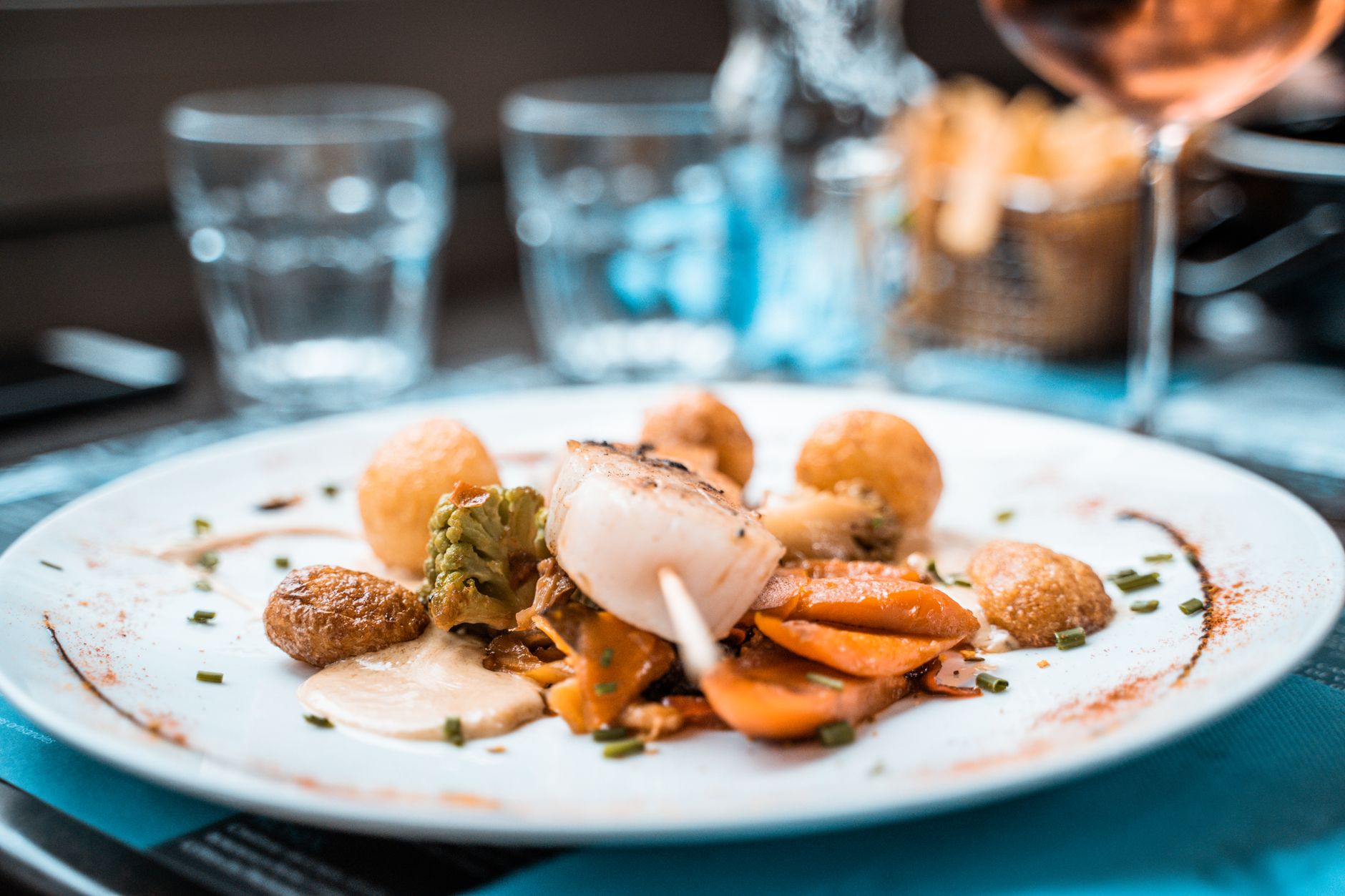
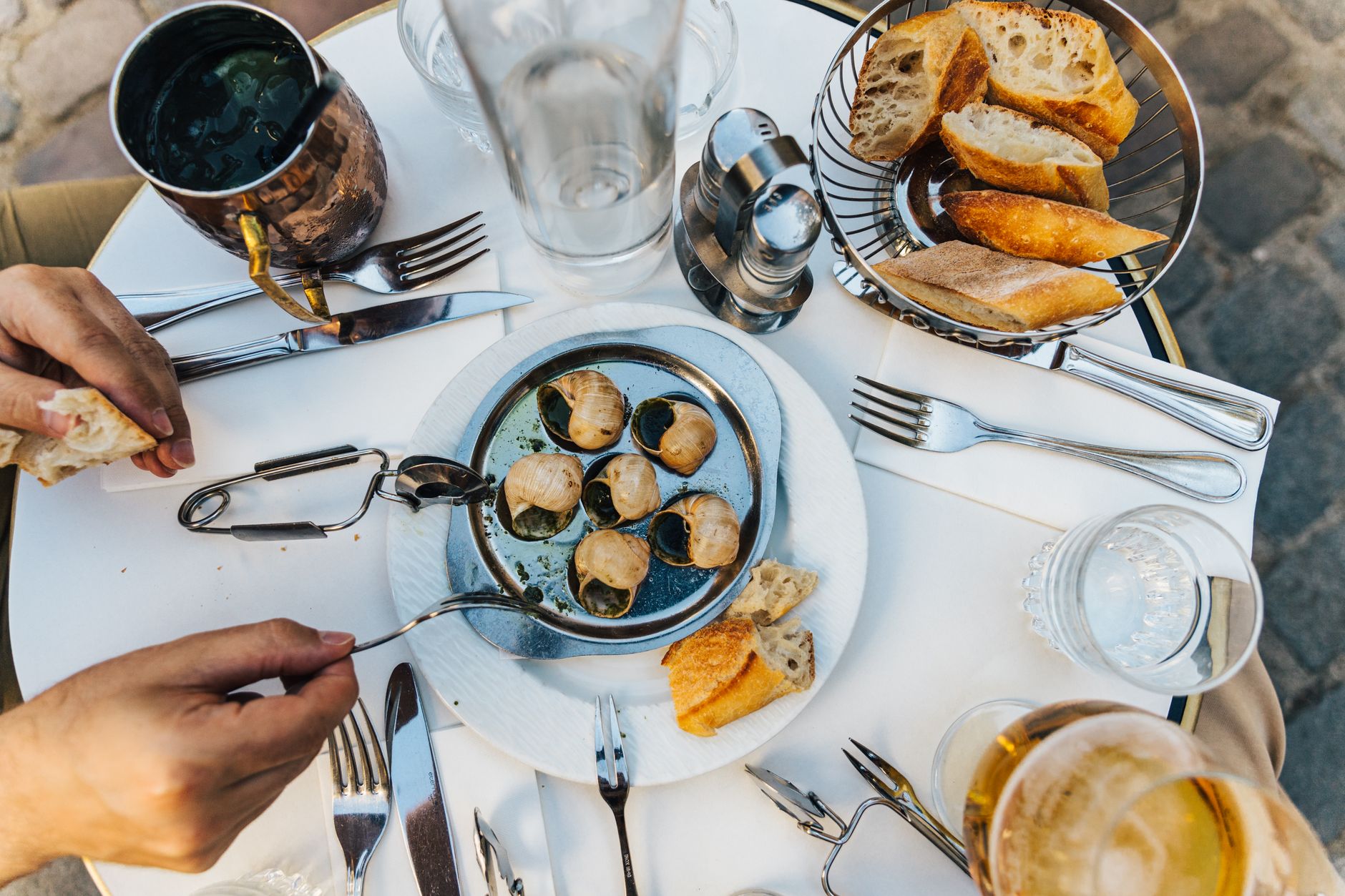
Food is not a side attraction in France; it is part of how regions introduce themselves. Lyon does it through bouchons and dishes that respect appetite more than elegance. Bordeaux reads like a lesson in wine, but the city itself has a sharp 18th-century facade and a riverfront built for long walks. Marseille smells of salt, diesel, and bouillabaisse stock. Nice pushes olive oil, anchovy, citrus, and light into the same frame. In Colmar and Strasbourg, the table starts to lean toward Alsace: tarte flambée, riesling, long lunches that make the afternoon disappear. Even a short route becomes legible through what lands on the plate.
From Torchlight to Roman Stone, c. 36000 BCE-5th century CE
A flame trembles against limestone, and a hand draws the curve of a rhinoceros horn in what we now call Chauvet, near Vallon-Pont-d'Arc. France begins here in darkness, not with a throne but with charcoal, ochre, and astonishing nerve. Ce que l'on ignore souvent, c'est que these painters already understood movement: the lions seem to stalk, the horses almost breathe.
Then the south turns toward the sea. Greek sailors found Massalia, now Marseille, in the 6th century BCE, and Mediterranean trade begins to lace the coast with wine, pottery, and ambition. Long before Caesar arrived, Gaul was no blank page. Chiefs bargained, merchants counted, sanctuaries filled with offerings, and local elites learned very quickly how prestige could travel in an amphora.
The great rupture comes with the Gallic Wars. In 52 BCE, at Alesia, Vercingetorix rides into legend because he loses, and because Julius Caesar has the literary vanity to write the scene. One man lays down his arms; another lays claim to the story. France will spend two thousand years arguing over that habit.
Rome leaves more than ruins. It leaves a habit of roads, taxes, baths, theaters, and urban theater itself, visible in Nîmes, Arles, Lyon, and the old grid beneath later streets. When imperial authority weakens in the 5th century, the stones remain, the bishops stay, and a new contest begins: who will inherit this country of roads and memories?
Vercingetorix survives in the national imagination as a bronze hero, yet the real man was a young aristocrat making a desperate coalition hold together under impossible pressure.
France refused to open the original Chauvet cave to mass tourism after its rediscovery in 1994; the lesson of damaged Lascaux had finally been learned.
Kings, Saints and the Long Making of the Realm, 5th century-1515
A church in Reims, winter light on gold, and a king bows his head for anointing. That gesture matters. Clovis became more than a warlord when later memory tied him to baptism and sacred kingship, giving France one of its founding fables: that the crown was chosen as much by heaven as by the sword.
The kingdom, though, was never handed over complete. Capetian kings spent centuries turning a patchwork of quarrelsome lordships into something that could plausibly call itself France. Ce que l'on ignore souvent, c'est que marriages did as much damage as battles. Eleanor of Aquitaine married Louis VII, then Henry Plantagenet, and half the map slid away with her dowry and her intelligence.
By the 14th and 15th centuries, the realm is exhausted by plague, ransom, civil war, and the English claim. Then comes the peasant girl in rough cloth who writes to kings and threatens armies as if she had been born in council chambers. Joan of Arc lifts the siege of Orléans in 1429, pushes Charles VII toward Reims for coronation, and turns dynastic panic into sacred drama.
But every French triumph keeps a shadow. In Rouen, on 30 May 1431, Joan is burned after a political trial dressed in theological language, and the smoke darkens the whole century. That death hardens the monarchy's need for symbolism, ceremony, and control. The road now leads toward a court that will want to gather all light around itself.
Joan of Arc was not a porcelain saint; her surviving words show a young woman with command, impatience, and a startling appetite for action.
Charles VI's bouts of madness were so severe that he is said at times to have believed he was made of glass, a private terror with very public consequences.
From Valois Splendor to the Fall of the Bourbons, 1515-1789
Imagine the Hall of Mirrors at Versailles before the crowd arrives: wax on the floor, silver catching the morning, a court already dressed for combat disguised as etiquette. Here, rank was measured in who held the candlestick, who handed the shirt, who stood close enough to be seen. France under the later Valois and Bourbons does not merely govern. It stages itself.
The Renaissance had already brought Italian manners, new art, and a sharper taste for magnificence, but it also brought fracture. The Wars of Religion tore through towns and families, and the St. Bartholomew's Day massacre of 1572 left blood in Paris and memory all across the kingdom. Henri IV restores a measure of calm, practical where others preferred zeal, and his line opens the long Bourbon century.
Then Louis XIV makes monarchy into a machine of glare. He centralizes power, tames nobles by drowning them in ritual, and turns Versailles into both theater and prison with excellent gardens. Ce que l'on ignore souvent, c'est that even in triumph the crown was feeding on credit. War, display, and dynasty cost dearly, and brilliance can hide rot for only so long.
By the 1780s, the kingdom still knows how to glitter, but it no longer knows how to pay. Marie-Antoinette becomes the symbol everyone loves to caricature, though the disaster is broader, older, and more structural than one queen's taste in muslin. In 1789, the stage cracks. The country steps from court ceremony into revolution, and the script changes with terrifying speed.
Louis XIV appears as marble certainty, yet he was a man obsessed with control because he had seen, as a child during the Fronde, how quickly authority could humiliate a king.
Louis IX paid more for the Crown of Thorns than for the construction of Sainte-Chapelle, a royal purchase so extravagant it still feels like a medieval publicity coup.
Revolution, Empire, Republics, 1789-present
A tennis court at Versailles in June 1789, damp air, sleeves rolled, and deputies swearing they will not separate before giving France a constitution. The scene is almost improvised. That is what makes it powerful. Within months the Bastille falls, titles collapse, church property is seized, and politics spills into the street with a force no court ceremony could contain.
The Revolution devours its own children. Louis XVI loses his head in January 1793; Marie-Antoinette follows in October; the Republic then learns how easily virtue can become suspicion armed with tribunals. And yet from this violence comes a new language of citizenship that France will never entirely abandon, even when it betrays it.
Napoleon arrives like a correction and a temptation. He restores order, crowns himself emperor in 1804, rewrites law, and covers Europe with French ambition, while mourning mothers and empty farms pay the price. Ce que l'on ignore souvent, c'est that modern France owes him both discipline and trauma: prefects, codes, lycées, and a cemetery map of the continent.
The 19th and 20th centuries refuse stability. Monarchy returns, falls again, empire rises, collapses, the Third Republic digs in, then 1940 brings defeat, occupation, Vichy, Resistance, deportation, and liberation. Charles de Gaulle gives the state a new backbone in 1958, but today's France still argues over revolution and order, Paris and the provinces, memory and forgetting, who belongs and who decides. That quarrel is not a weakness. It is the engine of the next chapter.
Napoleon Bonaparte was a master of pose, but also an exhausted administrator who read reports late into the night and understood that glory without paperwork does not last.
Marie-Antoinette never said 'Let them eat cake'; the line was already circulating in print before she was old enough to have uttered it.
France begins in the mouth. Before the cathedral, before the museum ticket, before the first oyster in Bordeaux or the first espresso taken standing up in Paris, there is the small liturgy of greeting: bonjour, monsieur, bonsoir, pardon. A country is a table set for strangers.
These words are not padding. They are the key in the lock. Enter a bakery in Lyon without greeting the room and you remain a moving coat; say bonjour first and the air changes, as if someone has decided you may now exist in public.
Then comes the delicious duel of vous and tu. Foreigners treat it like grammar; the French treat it like distance, seduction, hierarchy, mood, weather, class memory, and sometimes revenge, all compressed into one syllable. In Marseille the switch can happen with comic speed, while in Strasbourg or Reims the formal shell may remain longer, polished and exact.
This is why French can sound severe to those who do not hear its tenderness. Its tenderness likes rules. It prefers ritual to gush. Even affection arrives dressed.
French cuisine is not one cuisine. It is a parliament of appetites that barely agrees on anything except bread. Butter rules in the north, olive oil in the south, duck fat in the southwest, cream in pockets that speak in low voices, and each province watches the others with that composed national habit: judgment disguised as scholarship.
In Paris, dinner can become theatre with six glasses and a waiter who recites the cheese board as if announcing dukes. In Lyon, the appetite grows elbows; the table asks for andouillette, quenelles, tablier de sapeur, not for elegance but for proof of courage. Marseille answers with bouillabaisse, which is less a recipe than a marine argument conducted in saffron and rockfish.
France understands that food is a form of syntax. The order matters. The sauce matters. The bread beside the plate rather than on it matters. A peach from the market in Arles, still warm from July, can say more about the country than a palace can.
And yet the grandest French idea may be the meal itself. Time sits down. Conversation slows, then sharpens, then wanders into politics, desire, schools, inheritance, the right way to salt tomatoes, a subject on which peace has never been achieved.
French etiquette is often mistaken for coldness by people who confuse warmth with speed. France does not fling itself at you. It appraises. It asks whether you know how to stand in line, how to lower your voice in a shop, how to ask for the check without summoning the server like a monarch pressing a bell.
The rules are not invisible. They are simply everywhere. You do not begin with your need; you begin with acknowledgment. You do not paw at the fruit in the market unless invited. You do not split a bill into fourteen mathematical destinies and expect admiration. In Nice, in Rouen, in Colmar, the details change less than outsiders imagine.
This can feel severe until one notices the courtesy hidden inside it. Etiquette in France protects the existence of other people. It grants the baker, the bus driver, the pharmacist, the elderly woman walking too slowly ahead of you, a full human outline instead of reducing them to service scenery.
The joke, of course, is that the country famous for revolution loves form. It overthrows kings and keeps napkins on laps. That is France in one gesture.
France reads itself with unusual seriousness. Books are not mere objects here; they are arguments, passports, lovers, alibis. A thin volume left open on a café table in Paris can serve as decoration, flirtation, or declaration of war, depending on the author.
The national literature is a house crowded with impossible relatives. Molière laughs with his knife out. Proust turns a cake into a time machine. Colette writes the body as if fur, fruit, and memory had signed a pact. Camus makes the sun itself complicit. Even schoolchildren inherit these voices before they know whether they consent.
What matters for the traveler is not the canon alone but the habit it created. Cities in France come pre-written. Rouen carries Jeanne d'Arc and Flaubert like twin fevers. Marseille invites Jean-Claude Izzo's salt and crime. Paris contains Balzac, Baudelaire, Modiano, Duras, and too many ghosts to count without losing the afternoon.
A French city rarely lets you remain innocent of its sentences. You walk a street and feel someone has already named the light there, the shame there, the appetite there. The nation trusted writers with its nerves, which was reckless. It was also magnificent.
French architecture has a dangerous gift: it makes power look inevitable. A Roman arena in Nîmes, a Gothic facade in Reims, the military geometry of Carcassonne, the stern grace of a square in Bordeaux, all seem to announce that stone naturally arranges itself into authority. It does not. Someone paid, ordered, threatened, prayed, demolished, rebuilt.
That is why the buildings are most interesting when they betray the labor behind their poise. In Strasbourg, timber houses lean with the intimacy of a conspiracy. In Arles, Rome lingers like a tenant who never handed back the keys. Paris performs magnificence, then suddenly offers a damp courtyard, a service stair, a zinc roof, and one understands that grandeur here survives by sharing walls with ordinary life.
French churches are especially cunning. They promise heaven and reveal administration: donations, guilds, bishops, relic traffic, local rivalries, mason marks, weather damage, the long patience of repair. Faith built them, yes, but so did ambition, bookkeeping, and civic vanity. One should never insult vanity; it has funded half the beauty in Europe.
The pleasure lies in this double vision. You admire the line of the arch, then feel the centuries of quarrel inside it. Stone remembers. Badly, perhaps. But enough.
French fashion is admired abroad for ease. This is a misunderstanding so large it deserves a museum wing. Ease in France is worked for with the concentration of a monk illuminating a manuscript: the exact trench, the exact heel height, the scarf tied as if by instinct after years of private rehearsal.
Paris is the capital of this performance, naturally, but the instinct runs wider. In Lyon, black can look municipal, clerical, erotic, or simply practical depending on the cut. In Marseille, sunlight edits everything and fabric learns to move. Even provincial elegance often carries the same national commandment: appear as if you did not try, after trying very hard.
The French distrust excess unless it arrives with perfect control. They also distrust innocence in dress. Clothes say class, education, ambition, fatigue, season, neighborhood, and whether one knows the difference between polish and display. A good coat is biography.
This can seem exhausting. It is. But it also reveals a national belief that the public self deserves composition. One gets dressed not only for vanity. One gets dressed for grammar.
France lets you read whole eras in the street plan. Paris, Carcassonne, Rouen, Reims, Arles, and Nîmes carry Roman grids, medieval walls, royal ritual, and revolution without flattening them into museum pieces.
The country makes sense through its kitchens. Lyon leans rich and local, Marseille tastes of the port, Nice runs on olive oil and vegetables, and Strasbourg pulls you toward Alsatian wines and smoky comfort food.
France is unusually easy to combine in one trip. TGV lines turn Paris, Lyon, Marseille, Bordeaux, and Strasbourg into realistic pairings, so a culture-heavy route does not require endless travel days.
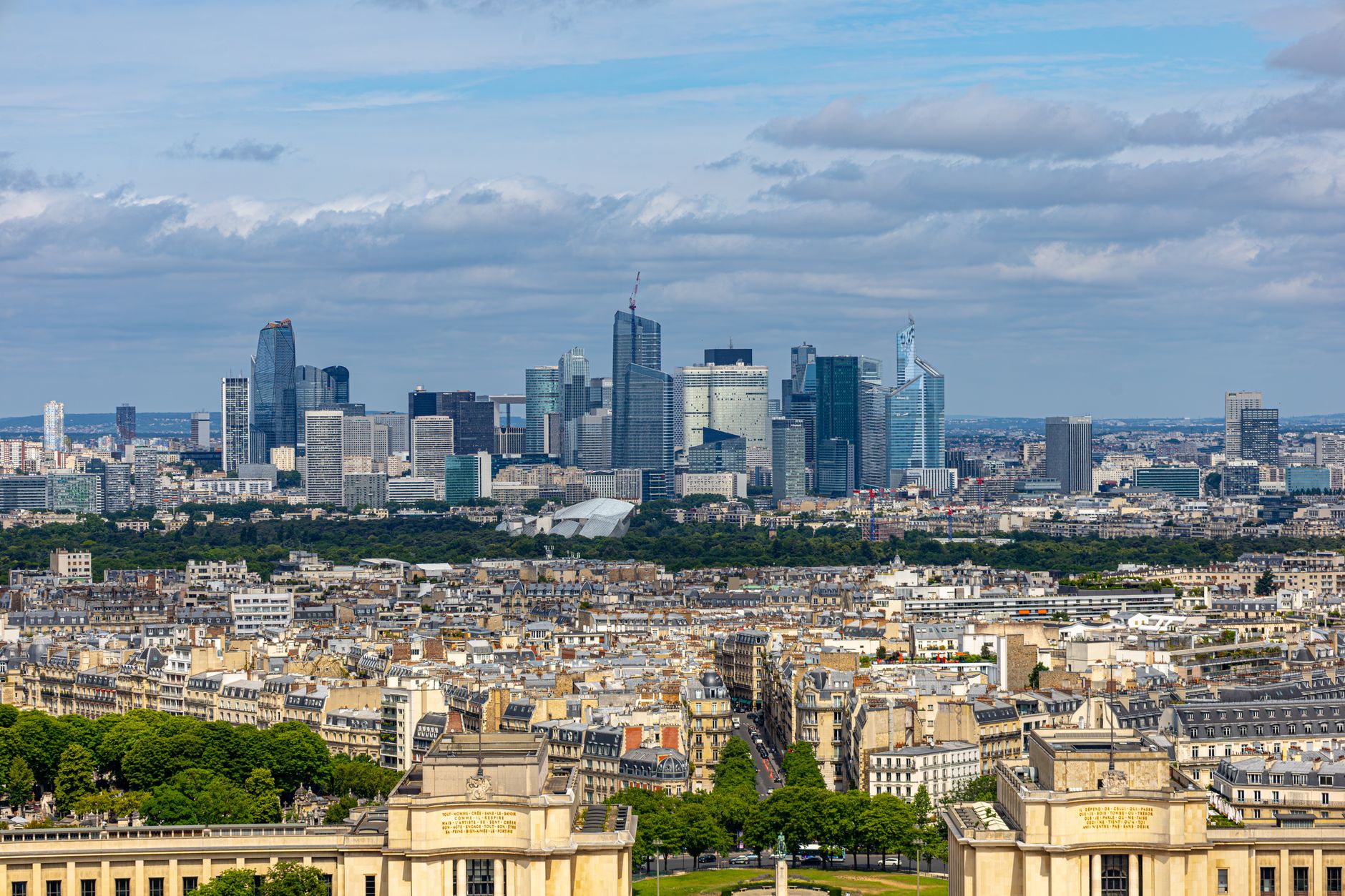
Masterpieces are part of the draw, but so are the smaller visual shocks: Roman stone in Arles, cathedral glass in Reims, canal facades in Colmar, and the particular blue-grey light that makes Paris look edited.
Few countries compress this much variety into one map. The Atlantic, the Mediterranean, Alpine terrain, river valleys, and vineyard country all sit within striking distance of major cities and rail hubs.
13 cities — start with the ones we'd send you to first.
The light hits the limestone façades at a particular angle in late afternoon, and for a moment you understand why so many writers never left.
From the outer wall the Aude valley looks like a tapestry someone forgot to finish – green vineyards, black cypress rows and the Pyrenees stitched loosely to the sky.
Two rivers, three hills, and a network of traboules — covered passageways threading through Renaissance courtyards — make this the city where French gastronomy quietly outranks the capital.
France's oldest city, founded by Greek traders around 600 BCE, still smells of saffron and sea salt around the Vieux-Port, where bouillabaisse was invented out of the fish no one else wanted.
Eighteen-century merchant wealth built the stone quays along the Garonne, and the wine appellations begin less than thirty minutes from the city's tram stops.
The cathedral took three centuries to finish and still dominates a skyline split between French and German architectural DNA, which is the point — Alsace has changed hands four times since 1870.
The Promenade des Anglais was built by British aristocrats wintering here in the 1820s, and the Cours Saleya market still sells socca and violet artichokes at dawn before the tourists arrive.
Every French monarch from Clovis to Charles X was crowned in the Gothic cathedral here, and the chalk cellars beneath the city hold millions of Champagne bottles aging in the dark.
A Roman amphitheatre built around 70 CE still hosts concerts inside its original stone tiers, and the Pont du Gard aqueduct stands forty kilometres away without a drop of mortar holding it together.
This is the France of grand avenues, royal ceremony and institutions that still expect to be taken seriously. Paris sets the scale, but Reims gives the story its sacred machinery: kings were anointed there, and the cathedral still explains why power in France so often needed a stage.
Northern light changes everything here. Rouen carries medieval timber, Joan of Arc and serious Gothic mass, while the wider region rewards travelers who like abbeys, ports, cider and the kind of weather that can turn a stone facade silver in ten minutes.
Eastern France feels different in the mouth and on the plate. Strasbourg and Colmar sit in a borderland shaped by French and German rule, where cathedral spires, canal towns, Riesling slopes and disciplined town centers make the national story look far less tidy than schoolbooks suggest.
Bordeaux is the elegant face of the southwest, but the region broadens fast once you head inland. Carcassonne adds fortified spectacle and a very different historical texture, while the surrounding country turns toward vineyards, duck, river valleys and longer lunches than your schedule probably allowed.
Lyon sits where north and south start negotiating with each other. It is one of the best places in France to understand how trade, rivers, silk, industry and appetite built power outside Paris, and it works equally well as a city break or a rail hinge for longer journeys.
Down here the palette changes: white stone, Roman arenas, plane trees, salt flats, scrub hills and a harder light. Marseille is the unruly port, Arles and Nîmes keep Roman France in plain sight, Nice shifts the mood toward the Riviera, and Vallon-Pont-d'Arc reaches all the way back to Chauvet and torchlit prehistory.
France’s self-styled most haunted château sits on a 38-meter cliff above the Vienne: a private neo-Gothic manor where ghost lore funds repairs.
Once Montmartre’s village square, Place du Tertre is now a stage of easels, terraces, and arguments over whether old Paris survives the crowds.
Guy de Maupassant ate here daily just to avoid looking at it.
Dismissed as an 'architectural scar' in 1989, I.M.
Over 1,100 people were guillotined here, including Louis XVI.
Marie de Médicis built this palace, was exiled before she could enjoy it, and never returned.
From Paleolithic torchlight to the Fifth Republic
In the Ardèche, artists cover cave walls with lions, rhinos, horses, and mammoths using charcoal and red pigment. The images are so assured that France's story begins less with kings than with a hand steady in firelight.
Greek settlers establish Massalia, today's Marseille, and tie southern Gaul to Mediterranean trade. Wine, goods, and ideas begin arriving by sea long before Rome claims the interior.
Vercingetorix surrenders after the siege of Alesia, and Caesar's victory pulls Gaul decisively into Roman power. It is also the moment when defeat becomes future legend.
The Romans found Lugdunum, now Lyon, which becomes one of the great administrative centers of Gaul. Roads radiate from it, and that network will outlast the empire that built it.
Tradition places Clovis's baptism around this date, linking Frankish kingship with Christian legitimacy. Whether every detail is exact matters less than the political power of the memory, especially at Reims.
The Capetian line begins with modest territory and grand consequences. From this narrow base, later kings patiently assemble the realm that will become France.
Her marriage to Louis VII brings brilliance, wealth, and danger to the French crown. Her later remarriage to Henry Plantagenet will redraw the map more brutally than a campaign season.
A teenager from Domrémy changes the emotional temperature of the Hundred Years' War. Her victories are military, political, and symbolic all at once, because France suddenly believes again.
Her trial wraps politics in theology, and the stake turns a military actor into a martyr. Rouen becomes one of the places where French history smells of smoke.
The young king wins at Marignano and enters memory wrapped in Renaissance glamour. Court culture, war, architecture, and Italian influence now move together with new intensity.
The killings begin in Paris and spread, exposing how thin the line between ceremony and bloodshed has become. France's religious wars leave scars in families, cities, and political habits.
After decades of religious conflict, the edict grants limited protection to Protestants and offers the kingdom a chance to breathe. It is a pragmatic peace, which often means the most durable kind.
Louis XIV installs the court at Versailles and turns daily ritual into statecraft. France learns that a monarchy can dominate not only by force, but by seating plans, mirrors, and access.
The Estates-General, the Tennis Court Oath, and the fall of the Bastille crack open the old order. Sovereignty starts moving from the king's body to the nation, though never peacefully.
The Revolution crosses a threshold when it kills the king in public. France is now committed to an experiment that will speak of liberty while also learning the habits of terror.
At Notre-Dame in Paris, Napoleon places the crown on his own head and makes the gesture perfectly clear. He will borrow legitimacy from monarchy, revolution, and military success, while belonging fully to none of them.
After the collapse of the Second Empire in the Franco-Prussian War, France enters a republican phase that will prove unexpectedly durable. Schoolrooms, town halls, and civic ritual become the new architecture of legitimacy.
Military defeat brings German occupation and a French state that collaborates. Any honest history of France must hold together Resistance courage and Vichy shame in the same frame.
Paris is liberated in August, and the city's joy cannot erase the years that came before. De Gaulle understands at once that liberation must become a story of restored national dignity if the country is to stand upright again.
Amid the Algerian crisis, a new constitution gives the presidency unusual force and creates the system France still lives under. It is the latest answer to an old question: how much authority does this country think it needs?
France swaps francs for euro notes and coins, a change that is practical, emotional, and symbolic all at once. Even money now carries the mark of a country learning to be national and European together.
From Torchlight to Roman Stone
Vercingetorix survives in the national imagination as a bronze hero, yet the real man was a young aristocrat making a desperate coalition hold together under impossible pressure.
A flame trembles against limestone, and a hand draws the curve of a rhinoceros horn in what we now call Chauvet, near Vallon-Pont-d'Arc. France begins here in darkness, not with a throne but with charcoal, ochre, and astonishing nerve. Ce que l'on ignore souvent, c'est que these painters already understood movement: the lions seem to stalk, the horses almost breathe.
Then the south turns toward the sea. Greek sailors found Massalia, now Marseille, in the 6th century BCE, and Mediterranean trade begins to lace the coast with wine, pottery, and ambition. Long before Caesar arrived, Gaul was no blank page. Chiefs bargained, merchants counted, sanctuaries filled with offerings, and local elites learned very quickly how prestige could travel in an amphora.
The great rupture comes with the Gallic Wars. In 52 BCE, at Alesia, Vercingetorix rides into legend because he loses, and because Julius Caesar has the literary vanity to write the scene. One man lays down his arms; another lays claim to the story. France will spend two thousand years arguing over that habit.
Rome leaves more than ruins. It leaves a habit of roads, taxes, baths, theaters, and urban theater itself, visible in Nîmes, Arles, Lyon, and the old grid beneath later streets. When imperial authority weakens in the 5th century, the stones remain, the bishops stay, and a new contest begins: who will inherit this country of roads and memories?
France refused to open the original Chauvet cave to mass tourism after its rediscovery in 1994; the lesson of damaged Lascaux had finally been learned.
Kings, Saints and the Long Making of the Realm
Joan of Arc was not a porcelain saint; her surviving words show a young woman with command, impatience, and a startling appetite for action.
A church in Reims, winter light on gold, and a king bows his head for anointing. That gesture matters. Clovis became more than a warlord when later memory tied him to baptism and sacred kingship, giving France one of its founding fables: that the crown was chosen as much by heaven as by the sword.
The kingdom, though, was never handed over complete. Capetian kings spent centuries turning a patchwork of quarrelsome lordships into something that could plausibly call itself France. Ce que l'on ignore souvent, c'est que marriages did as much damage as battles. Eleanor of Aquitaine married Louis VII, then Henry Plantagenet, and half the map slid away with her dowry and her intelligence.
By the 14th and 15th centuries, the realm is exhausted by plague, ransom, civil war, and the English claim. Then comes the peasant girl in rough cloth who writes to kings and threatens armies as if she had been born in council chambers. Joan of Arc lifts the siege of Orléans in 1429, pushes Charles VII toward Reims for coronation, and turns dynastic panic into sacred drama.
But every French triumph keeps a shadow. In Rouen, on 30 May 1431, Joan is burned after a political trial dressed in theological language, and the smoke darkens the whole century. That death hardens the monarchy's need for symbolism, ceremony, and control. The road now leads toward a court that will want to gather all light around itself.
Charles VI's bouts of madness were so severe that he is said at times to have believed he was made of glass, a private terror with very public consequences.
From Valois Splendor to the Fall of the Bourbons
Louis XIV appears as marble certainty, yet he was a man obsessed with control because he had seen, as a child during the Fronde, how quickly authority could humiliate a king.
Imagine the Hall of Mirrors at Versailles before the crowd arrives: wax on the floor, silver catching the morning, a court already dressed for combat disguised as etiquette. Here, rank was measured in who held the candlestick, who handed the shirt, who stood close enough to be seen. France under the later Valois and Bourbons does not merely govern. It stages itself.
The Renaissance had already brought Italian manners, new art, and a sharper taste for magnificence, but it also brought fracture. The Wars of Religion tore through towns and families, and the St. Bartholomew's Day massacre of 1572 left blood in Paris and memory all across the kingdom. Henri IV restores a measure of calm, practical where others preferred zeal, and his line opens the long Bourbon century.
Then Louis XIV makes monarchy into a machine of glare. He centralizes power, tames nobles by drowning them in ritual, and turns Versailles into both theater and prison with excellent gardens. Ce que l'on ignore souvent, c'est that even in triumph the crown was feeding on credit. War, display, and dynasty cost dearly, and brilliance can hide rot for only so long.
By the 1780s, the kingdom still knows how to glitter, but it no longer knows how to pay. Marie-Antoinette becomes the symbol everyone loves to caricature, though the disaster is broader, older, and more structural than one queen's taste in muslin. In 1789, the stage cracks. The country steps from court ceremony into revolution, and the script changes with terrifying speed.
Louis IX paid more for the Crown of Thorns than for the construction of Sainte-Chapelle, a royal purchase so extravagant it still feels like a medieval publicity coup.
Revolution, Empire, Republics
Napoleon Bonaparte was a master of pose, but also an exhausted administrator who read reports late into the night and understood that glory without paperwork does not last.
A tennis court at Versailles in June 1789, damp air, sleeves rolled, and deputies swearing they will not separate before giving France a constitution. The scene is almost improvised. That is what makes it powerful. Within months the Bastille falls, titles collapse, church property is seized, and politics spills into the street with a force no court ceremony could contain.
The Revolution devours its own children. Louis XVI loses his head in January 1793; Marie-Antoinette follows in October; the Republic then learns how easily virtue can become suspicion armed with tribunals. And yet from this violence comes a new language of citizenship that France will never entirely abandon, even when it betrays it.
Napoleon arrives like a correction and a temptation. He restores order, crowns himself emperor in 1804, rewrites law, and covers Europe with French ambition, while mourning mothers and empty farms pay the price. Ce que l'on ignore souvent, c'est that modern France owes him both discipline and trauma: prefects, codes, lycées, and a cemetery map of the continent.
The 19th and 20th centuries refuse stability. Monarchy returns, falls again, empire rises, collapses, the Third Republic digs in, then 1940 brings defeat, occupation, Vichy, Resistance, deportation, and liberation. Charles de Gaulle gives the state a new backbone in 1958, but today's France still argues over revolution and order, Paris and the provinces, memory and forgetting, who belongs and who decides. That quarrel is not a weakness. It is the engine of the next chapter.
Marie-Antoinette never said 'Let them eat cake'; the line was already circulating in print before she was old enough to have uttered it.
France begins in the mouth. Before the cathedral, before the museum ticket, before the first oyster in Bordeaux or the first espresso taken standing up in Paris, there is the small liturgy of greeting: bonjour, monsieur, bonsoir, pardon. A country is a table set for strangers.
These words are not padding. They are the key in the lock. Enter a bakery in Lyon without greeting the room and you remain a moving coat; say bonjour first and the air changes, as if someone has decided you may now exist in public.
Then comes the delicious duel of vous and tu. Foreigners treat it like grammar; the French treat it like distance, seduction, hierarchy, mood, weather, class memory, and sometimes revenge, all compressed into one syllable. In Marseille the switch can happen with comic speed, while in Strasbourg or Reims the formal shell may remain longer, polished and exact.
This is why French can sound severe to those who do not hear its tenderness. Its tenderness likes rules. It prefers ritual to gush. Even affection arrives dressed.
French cuisine is not one cuisine. It is a parliament of appetites that barely agrees on anything except bread. Butter rules in the north, olive oil in the south, duck fat in the southwest, cream in pockets that speak in low voices, and each province watches the others with that composed national habit: judgment disguised as scholarship.
In Paris, dinner can become theatre with six glasses and a waiter who recites the cheese board as if announcing dukes. In Lyon, the appetite grows elbows; the table asks for andouillette, quenelles, tablier de sapeur, not for elegance but for proof of courage. Marseille answers with bouillabaisse, which is less a recipe than a marine argument conducted in saffron and rockfish.
France understands that food is a form of syntax. The order matters. The sauce matters. The bread beside the plate rather than on it matters. A peach from the market in Arles, still warm from July, can say more about the country than a palace can.
And yet the grandest French idea may be the meal itself. Time sits down. Conversation slows, then sharpens, then wanders into politics, desire, schools, inheritance, the right way to salt tomatoes, a subject on which peace has never been achieved.
French etiquette is often mistaken for coldness by people who confuse warmth with speed. France does not fling itself at you. It appraises. It asks whether you know how to stand in line, how to lower your voice in a shop, how to ask for the check without summoning the server like a monarch pressing a bell.
The rules are not invisible. They are simply everywhere. You do not begin with your need; you begin with acknowledgment. You do not paw at the fruit in the market unless invited. You do not split a bill into fourteen mathematical destinies and expect admiration. In Nice, in Rouen, in Colmar, the details change less than outsiders imagine.
This can feel severe until one notices the courtesy hidden inside it. Etiquette in France protects the existence of other people. It grants the baker, the bus driver, the pharmacist, the elderly woman walking too slowly ahead of you, a full human outline instead of reducing them to service scenery.
The joke, of course, is that the country famous for revolution loves form. It overthrows kings and keeps napkins on laps. That is France in one gesture.
France reads itself with unusual seriousness. Books are not mere objects here; they are arguments, passports, lovers, alibis. A thin volume left open on a café table in Paris can serve as decoration, flirtation, or declaration of war, depending on the author.
The national literature is a house crowded with impossible relatives. Molière laughs with his knife out. Proust turns a cake into a time machine. Colette writes the body as if fur, fruit, and memory had signed a pact. Camus makes the sun itself complicit. Even schoolchildren inherit these voices before they know whether they consent.
What matters for the traveler is not the canon alone but the habit it created. Cities in France come pre-written. Rouen carries Jeanne d'Arc and Flaubert like twin fevers. Marseille invites Jean-Claude Izzo's salt and crime. Paris contains Balzac, Baudelaire, Modiano, Duras, and too many ghosts to count without losing the afternoon.
A French city rarely lets you remain innocent of its sentences. You walk a street and feel someone has already named the light there, the shame there, the appetite there. The nation trusted writers with its nerves, which was reckless. It was also magnificent.
French architecture has a dangerous gift: it makes power look inevitable. A Roman arena in Nîmes, a Gothic facade in Reims, the military geometry of Carcassonne, the stern grace of a square in Bordeaux, all seem to announce that stone naturally arranges itself into authority. It does not. Someone paid, ordered, threatened, prayed, demolished, rebuilt.
That is why the buildings are most interesting when they betray the labor behind their poise. In Strasbourg, timber houses lean with the intimacy of a conspiracy. In Arles, Rome lingers like a tenant who never handed back the keys. Paris performs magnificence, then suddenly offers a damp courtyard, a service stair, a zinc roof, and one understands that grandeur here survives by sharing walls with ordinary life.
French churches are especially cunning. They promise heaven and reveal administration: donations, guilds, bishops, relic traffic, local rivalries, mason marks, weather damage, the long patience of repair. Faith built them, yes, but so did ambition, bookkeeping, and civic vanity. One should never insult vanity; it has funded half the beauty in Europe.
The pleasure lies in this double vision. You admire the line of the arch, then feel the centuries of quarrel inside it. Stone remembers. Badly, perhaps. But enough.
French fashion is admired abroad for ease. This is a misunderstanding so large it deserves a museum wing. Ease in France is worked for with the concentration of a monk illuminating a manuscript: the exact trench, the exact heel height, the scarf tied as if by instinct after years of private rehearsal.
Paris is the capital of this performance, naturally, but the instinct runs wider. In Lyon, black can look municipal, clerical, erotic, or simply practical depending on the cut. In Marseille, sunlight edits everything and fabric learns to move. Even provincial elegance often carries the same national commandment: appear as if you did not try, after trying very hard.
The French distrust excess unless it arrives with perfect control. They also distrust innocence in dress. Clothes say class, education, ambition, fatigue, season, neighborhood, and whether one knows the difference between polish and display. A good coat is biography.
This can seem exhausting. It is. But it also reveals a national belief that the public self deserves composition. One gets dressed not only for vanity. One gets dressed for grammar.
France turned him into the first national martyr long after his death. The irony is delicious: without Caesar, the enemy who defeated him and then wrote about him, Vercingetorix might have vanished into local memory instead of becoming the face of heroic resistance.
She changed the fate of France with marriage contracts that did more than armies. Rich, cultivated, and politically dangerous, she carried vast territories from one crown to another and spent years paying for her independence with captivity.
She enters French history in armor and leaves it in smoke. Her voice is what startles most: in her letters and answers, she sounds less like a misty visionary than a teenager with absolute conviction and no patience for hesitation.
He understood that power had to be seen to be believed, so he made ceremony a weapon and architecture a political argument. Behind the gold and choreography stood a man marked by childhood instability, determined never again to let the crown look weak.
France still projects fantasies onto her: careless spender, foreign intruder, doomed fashion plate. The truth is less simple and more interesting, a queen trapped inside a collapsing machine where every ribbon, every rumor, every friendship became political evidence.
He gave France administrative bones that outlived his empire. The Code civil, the prefect system, the lycée model, even the taste for centralized efficiency all carry his signature, along with the graveyard cost of his campaigns.
Few people understood better that France is a country staged through words. He turned Notre-Dame de Paris into a rescue operation for Gothic memory and Les Misérables into a vast moral theater where law, poverty, revolt, and mercy collide in the streets of Paris.
He spoke for France at the moment when the state had disgraced itself. Tall, cold, theatrical in his own severe way, he rebuilt legitimacy through language first and institutions after, which is often how France repairs itself.
This is a compact northern France loop built for first-time visitors who want more than a Paris checklist. You get the capital, the Gothic weight of Rouen, and the coronation city of Reims without wasting days in transit.
Start in Strasbourg for borderland history and half-timbered streets, dip into Colmar for Alsace at its most precise, then finish in Lyon where the country starts talking through food. The route is tidy, fast by rail, and far less crowded than forcing another week through Paris.
This west-to-east run shows how quickly France changes once you cross the country by rail and road. Bordeaux gives you Atlantic polish, Carcassonne brings fortress drama, and the Roman and Provençal cities of Nîmes, Arles and Marseille finish the trip with heat, stone and sea.
Sunday table. Roast chicken, potatoes, green salad, bread, wine. Family gathers, serves, argues, lingers.
Marseille bowl, midday or evening. Friends gather, broth arrives first, fish follows, rouille spreads, bread dips.
Lyon lunch. Spoon cuts, sauce coats, table quiets, appetite returns.
Winter platter. Ice, lemon, rye bread, salted butter, white wine. Hands open shells, mouths taste tide.
Breton dinner, often casual, often shared. Buckwheat folds around ham, egg, cheese; cider foams in cups.
Cold-weather meal. Beans, duck confit, sausage, long cooking, longer talk. Carcassonne and Toulouse continue the dispute.
Mountain night. Friends crowd the table, cheese melts, potatoes steam, charcuterie disappears, windows fog.








France is in the Schengen Area, so most non-EU visitors can stay up to 90 days within any 180-day period. EU and EEA travelers can enter with a national ID card, while US, Canadian, UK and Australian passport holders should check ETIAS status before departure because the rollout date has shifted more than once.
France uses the euro, and cards work almost everywhere in cities, on trains and in chain hotels. Service is included by law, so tipping is modest: round up at a cafe, leave a few euros after a good meal, and use bank ATMs rather than airport exchange counters.
Most long-haul arrivals land at Paris Charles de Gaulle, with other useful gateways at Paris Orly, Nice, Lyon, Marseille, Bordeaux and Strasbourg. Eurostar makes Paris an easy rail arrival from London, and high-speed links from Brussels and Amsterdam often beat short flights once airport time is counted.
France works best by train on the main corridors: Paris to Lyon in about 2 hours, Paris to Marseille in about 3 hours 10 minutes, Paris to Bordeaux in about 2 hours, Paris to Strasbourg in about 1 hour 47 minutes. Book TGV tickets 60 to 90 days ahead for the cheapest fares, use Ouigo if price matters more than station location, and rent a car only when you head into rural Provence, Normandy, Dordogne or the Alsace wine villages.
This is not one climate but four. Paris and the west stay Atlantic and changeable, Strasbourg and inland eastern France swing more sharply by season, Marseille and Nice run Mediterranean, and mountain weather in the Alps or Pyrenees follows its own rules entirely.
Coverage is strong in cities and on major rail lines, though tunnels and some rural valleys still break the signal. EU travelers can usually roam on their home plan, while everyone else should compare an eSIM with a prepaid SIM from Orange, SFR, Bouygues Telecom or Free before arrival.
France is generally safe for travelers, with the usual pressure points around pickpocketing rather than violent crime. Watch your bag on Paris metro line 1, around the Eiffel Tower, in Montmartre and at CDG, and keep the emergency numbers handy: 15 for medical help, 17 for police, 18 for fire, 112 across the EU.
TGV fares rise sharply as seats fill. If your dates are fixed, booking 60 to 90 days ahead can cut a Paris to Lyon or Paris to Marseille fare from expensive to merely civilized.
Between Paris, Lyon, Strasbourg, Bordeaux and Marseille, trains are usually faster door to door than flights. Add airport transfers and security lines, and the argument is over.
Skip the car in big cities and pick one up only for countryside stretches like Provence, Dordogne, Normandy or wine villages outside Colmar. City parking is expensive, street layouts can be medieval in the worst way, and low-emission zones add paperwork.
In Paris, Lyon, Marseille and Nice, the good places fill first and do not apologize for it. Book popular bistros and Michelin-starred tables several days ahead, or longer if you are traveling on a Friday, Saturday or during school holidays.
Say "bonjour" before any request in a shop, cafe, hotel or bakery. Miss that first step and the exchange starts colder than it needed to.
Choose ATMs attached to banks like BNP Paribas, Societe Generale or Credit Agricole. Standalone airport or tourist-zone machines are where bad exchange rates and dynamic currency conversion start smiling at you.
Keep backpacks zipped and phones off cafe tables, especially in Paris stations and on crowded metro lines. France is not unusually dangerous, but petty theft is efficient where crowds are thick and distracted.
Explore France with a personal guide in your pocket
Audio guides for 1,100+ cities across 96 countries. History, stories, and local insight — offline ready.
Usually no for short tourist trips. US passport holders can normally enter visa-free for up to 90 days in any 180-day Schengen period, but they should verify whether ETIAS is live before departure because the launch calendar has moved repeatedly.
It can be, but your route matters more than the country label. Paris and the Riviera sit at the top end, while cities like Rouen, Reims, Nîmes and even parts of Marseille are noticeably easier on the budget if you book trains and hotels early.
Use trains for the major city-to-city routes and cars only for rural stretches. SNCF's high-speed network makes Paris, Lyon, Strasbourg, Bordeaux and Marseille easy without driving, while Provence villages or Normandy back roads still work better with your own wheels.
Seven to ten days is the useful middle ground. Three days is enough for Paris plus one nearby city, but a ten-day route lets you combine regions that actually feel different rather than racing through station forecourts.
Yes, generally. The main issue is petty theft in busy tourist zones and on transit rather than serious violence, so solo travelers who use normal city habits usually do well.
You can pay by card in most places, especially in cities, stations and hotels. Keep a small amount of cash for market stalls, rural bakeries, older cafes and the occasional taxi that suddenly develops strong opinions about card machines.
May, June, September and early October are the safest bets for most routes. You get longer days and manageable crowds in Paris, better heat in Marseille and Nice, and far less strain on prices than in July and August.
No in the American sense. Service is already included, so locals usually round up, leave loose change at a cafe, or add a few euros after a very good meal rather than calculating 20 percent.
Last reviewed