Kymenlaakso, Finland

Kymenlaakso

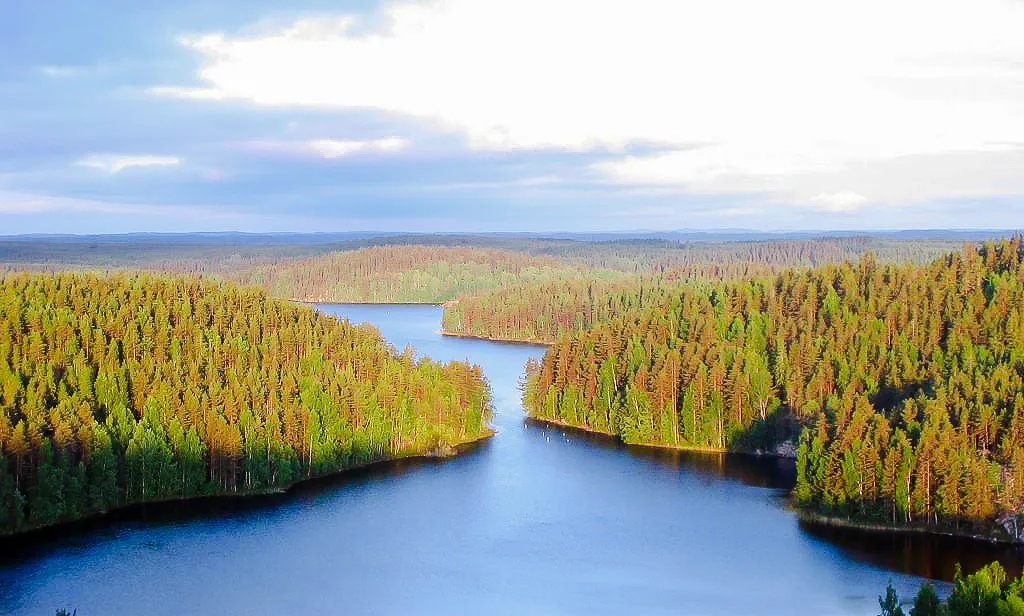
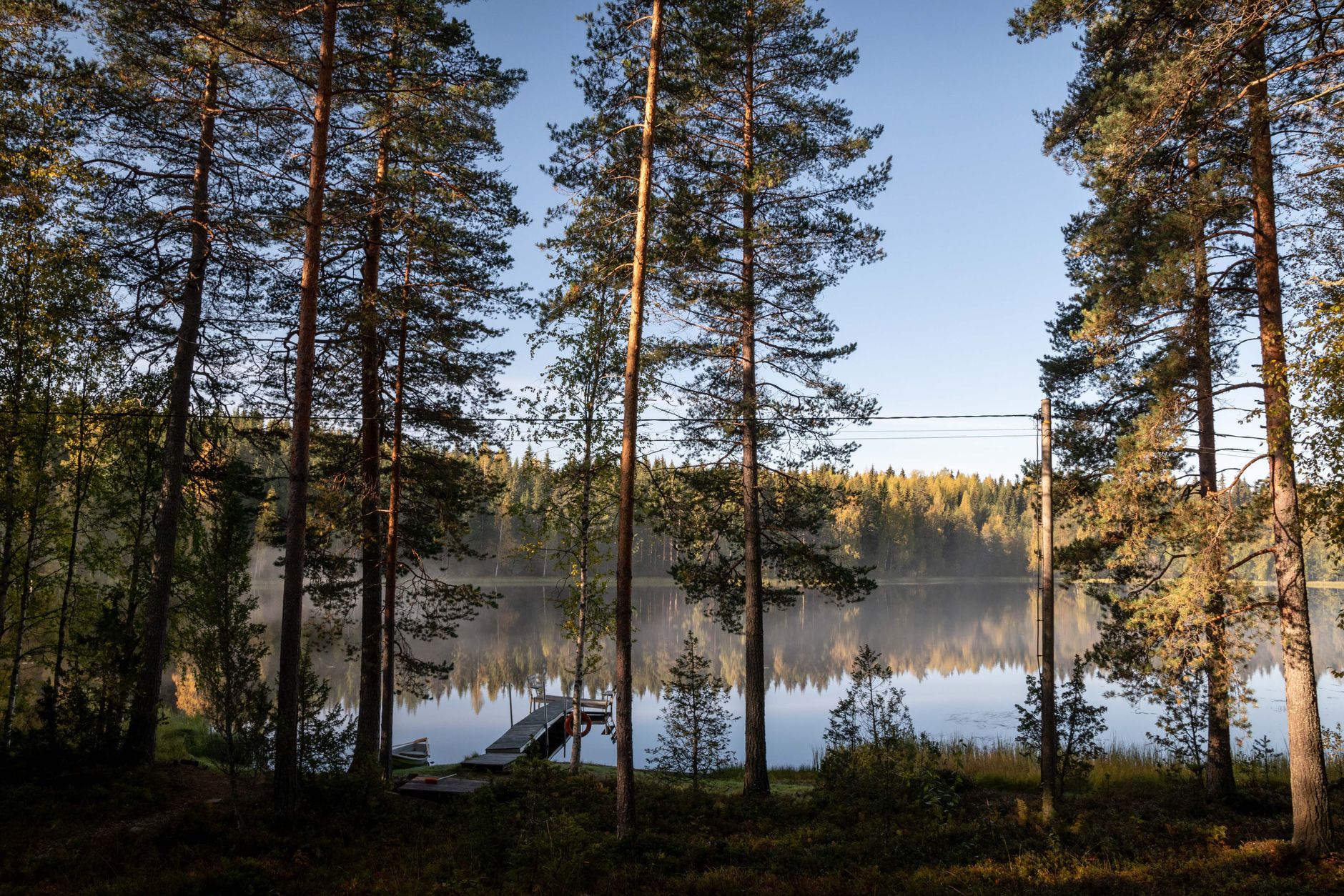
Nestled in southeastern Finland, Kymenlaakso is a captivating region renowned for its rich historical tapestry, industrial heritage, and stunning natural…

Introduction to Kymenlaakso Historical Sites and Visitor Information

Located in southeastern Finland, Kymenlaakso stands out for its remarkable blend of historical depth, industrial legacy, and breathtaking natural landscapes. The region’s story stretches from early Stone Age settlements along the Kymi River to periods of Swedish and Russian rule, culminating in a legacy of industrial might visible in sites like the UNESCO-listed Verla Groundwood and Board Mill. Today, Kymenlaakso is a destination where history, culture, and outdoor adventure coexist, offering something for history lovers, cultural explorers, and nature enthusiasts alike.

Travelers can step back in time at Kotka’s Maritime Centre Vellamo, explore the star-shaped Hamina Fortress, or visit the Langinkoski Imperial Fishing Lodge—a former retreat of Emperor Alexander III of Russia. Nearby, Repovesi and Valkmusa National Parks provide serene settings for hiking, birdwatching, and water sports. This detailed guide delivers practical information on visiting hours, ticketing, accessibility, and travel tips to help you plan an enriching journey through Kymenlaakso.

For further details, refer to Kymenlaakso on Wikipedia, the Kymenlaakso Industrial Heritage Route, and the Discovering Finland travel guide.


Whether you’re interested in industrial heritage, medieval fortresses, multicultural towns, or pristine natural parks, Kymenlaakso is a region with a diverse range of experiences. Below, you’ll find the essential information you need to make the most of your visit.


Early Human Settlement and Prehistoric Roots

Kymenlaakso has been inhabited since the Stone Age, with archaeological sites along the Kymi River attesting to early settlement. The area’s fertile landscapes and waterways attracted the Tavastians and Karelians, whose influence can still be seen in local culture and folklore.

Medieval Era: Swedish Rule and Strategic Importance

For centuries under Swedish control, Kymenlaakso was a vital trade corridor and military buffer zone. Fortifications like Hamina Fortress and the unique circular town plan of Hamina illustrate the region’s strategic significance.

18th–19th Centuries: Industrialization

The 18th century brought rapid industrial development. Ironworks, sawmills, and later, paper mills flourished, especially along the Kymi River. The region continued to grow under Russian influence in the 19th century, becoming a hub for Finland’s burgeoning paper industry, exemplified by the Verla Mill.

Early 20th Century: Labor Movements and Social Change

Industrialization led to the rise of organized labor, with strikes and unionization shaping the social and political landscape. Cities like Kotka and Kouvola expanded rapidly as industrial and cultural centers.

World Wars and Reconstruction

Kymenlaakso’s proximity to Russia made it a key region during the World Wars. After the conflicts, the area focused on reconstruction, urban development, and modernizing its infrastructure.

Late 20th Century: Economic Transition

As global industry shifted, Kymenlaakso diversified its economy, investing in tourism, technology, and services, while preserving its rich industrial heritage.


Top Historical Sites and Visitor Information

Verla Groundwood and Board Mill (UNESCO World Heritage Site)

  • Visiting Hours: June–August: Daily 10:00–18:00; May & September: Tue–Sun 11:00–17:00; October–April: Closed (group tours by appointment)
  • Tickets: Adults €10; Seniors/Students €7; Children under 18 free; Family €25
  • Highlights: Original 19th-century mill machinery, workers' housing, exhibitions on papermaking and local life
  • Accessibility: Wheelchair accessible with ramps and paved paths. Café, shop, and parking available.
  • Official Site: Verla Mill Museum

Strömfors Ironworks

  • Visiting Hours: Open year-round; guided tours May–September
  • Tickets: Free entry; guided tours at additional cost
  • Highlights: One of Finland’s best-preserved ironworks villages, artisan workshops, scenic riverside trails

Hamina Fortress

  • Visiting Hours: May–September, daily 10:00–18:00
  • Tickets: Adults €8; discounts for children, students, and seniors
  • Highlights: Explore ramparts, bastions, underground passages, and military museums
  • Accessibility: Some uneven terrain; comfortable shoes recommended
  • Official Info: Hamina Fortress

Kotka Maritime Centre Vellamo

  • Visiting Hours: Tue–Sun 10:00–17:00 (closed Mon); summer hours may extend
  • Tickets: Adults €12; children under 18 free
  • Highlights: Finnish Maritime Museum, Kymenlaakso Museum, Coast Guard Museum, interactive exhibits, historic vessels such as Icebreaker Tarmo (open June–August)
  • Accessibility: Fully wheelchair accessible
  • Official Site: Maritime Centre Vellamo

Langinkoski Imperial Fishing Lodge

  • Visiting Hours: May–September, daily 10:00–18:00
  • Tickets: Adults €8; students/seniors €5; children under 12 free
  • Highlights: Former imperial retreat of Alexander III, riverside museum, nature trails, picnic spots
  • Accessibility: Wheelchair accessible
  • Official Info: Langinkoski Imperial Fishing Lodge

Outdoor Activities & National Parks

Repovesi National Park

  • Open: Year-round, free entry
  • Activities: Hiking, canoeing, rock climbing, cycling, suspension bridge crossing
  • Facilities: Marked trails, campsites, accessible sections
  • Info: Repovesi National Park

Valkmusa National Park

  • Open: Year-round; visitor center open May–September
  • Activities: Birdwatching, hiking on boardwalks, nature observation
  • Info: Valkmusa National Park

Practical Travel Tips

  • Getting There: Kymenlaakso is accessible from Helsinki by train (to Kouvola/Kotka), bus, or car (approx. 1.5 hours). Local buses and taxis serve towns; car rental is recommended for rural/national park access.
  • Accommodations: Range from city hotels and guesthouses to cabins near nature reserves.
  • Best Time to Visit: Late spring to early autumn for festivals and outdoor activities; winter is quieter with some attractions closed.
  • Guided Tours: Available at Verla, Hamina Fortress, and Langinkoski; advance booking is advised in peak season.
  • Accessibility: Major museums and parks are accessible; historic sites may have uneven ground—check individual sites for details.
  • Language: Finnish and Swedish are official; English is widely spoken at tourist sites; Kotka is notably multicultural.

Cultural Events and Festivals

  • Kotka Maritime Festival: July, featuring concerts, regattas, and food markets (Kotka Maritime Festival)
  • Hamina Tattoo: Biennial international military music festival at Hamina Fortress (Hamina Tattoo)
  • Local Heritage Days & Bastion Jazz Festival: At Verla and Hamina

Off-the-Beaten-Path and Family Attractions

  • Maretarium Aquarium: Finnish freshwater fish, open daily (closed Mon), €11 adults, discounts for children/seniors (Maretarium)
  • Sapokka Water Garden: Award-winning park, free, year-round (Sapokka Water Garden)
  • Tykkimäki Amusement Park: Family rides and water park, June–August
  • Arboretum Mustila: Renowned for rhododendrons, open daily in summer

Frequently Asked Questions (FAQ)

Q: Are the main attractions open year-round?
A: Major museums and parks are open year-round, but some sites (like Verla Mill) have seasonal hours. Always confirm on official websites.

Q: How do I buy tickets?
A: Tickets are available onsite and online for most attractions. Advance purchase is recommended in summer.

Q: Are sites accessible for people with disabilities?
A: Most major museums and parks provide wheelchair access; some historic areas may be challenging.

Q: Are guided tours available?
A: Yes, especially at Verla, Hamina Fortress, and Langinkoski Imperial Lodge—book ahead in peak season.

Q: Is there parking at major sites?
A: Yes, most provide ample parking, including spaces for disabled visitors.

Q: Can I enjoy Kymenlaakso with children?
A: Absolutely; family-friendly museums, amusement parks, aquariums, and outdoor spaces abound.

Q: What language is spoken?
A: Finnish is primary; English is commonly spoken in tourist areas.


Summary Table: Key Visitor Information (Verla Mill Example)

Aspect Details
Location Kouvola, Kymenlaakso
Opening Hours June–Aug: 10–18; May, Sept: 11–17
Ticket Prices Adults €10; Seniors/Students €7; Kids Free
Accessibility Wheelchair accessible
Facilities Café, gift shop, parking
Nearby Attractions Maritime Centre Vellamo, Hamina Fortress
Transportation Car, regional bus, taxi
Official Website Verla Mill Museum

Listen to the full story in the app

Your Personal Curator, in Your Pocket.

Audio guides for 1,100+ cities across 96 countries. History, stories, and local insight — offline ready.

smartphone

Audiala App

Available on iOS & Android

download Download Now

Join 50k+ Curators

Last reviewed: