Plan and listen to Vr Warehouses with Audiala.
Audio guide in your pocket, itinerary in your browser. Built for the way you actually visit.
Introduction
The VR Warehouses (VR:n makasiinit) of Helsinki, Finland, though no longer standing, remain a powerful symbol of the city’s industrial roots and vibrant cultural evolution. Originally constructed by the Finnish State Railways (Valtionrautatiet, VR) in the late 19th century, these red-brick warehouses played a critical role in Helsinki’s emergence as a major European capital. Over time, the site transformed from a logistical hub to a grassroots cultural center, and finally to the Töölönlahti cultural district, home to some of Helsinki’s most celebrated modern landmarks.
This comprehensive guide explores the history and significance of the VR Warehouses, outlines practical visitor information for the site and its surroundings, and provides recommendations for making the most of your visit to this emblematic Helsinki landmark. Whether you are a history enthusiast, cultural explorer, or curious traveler, discover how the story of the VR Warehouses continues to shape Helsinki’s urban identity.
For virtual explorations and updates on events commemorating Helsinki’s industrial heritage, consult digital resources like the Audiala app and official city cultural channels (VR Group; Helsinki City Museum; Audiala app).

History and Construction
Commissioned by the Finnish State Railways (VR), the VR Warehouses were constructed between 1898 and 1899 to service Helsinki’s growing rail network (VR Group). Their strategic location adjacent to the Helsinki Central Railway Station made them pivotal for goods storage and distribution, supporting the city’s rapid commercial expansion. The warehouses expanded further in the early and mid-20th century to accommodate increased freight traffic (Wikipedia).
Architecturally, the warehouses stood out for their robust red-brick facades, arched windows, and iron-supported interiors—a rare example of 19th-century industrial architecture in the city center (Helsinki City Museum).
Economic and Social Impact
For decades, the VR Warehouses were at the heart of Helsinki’s economy, enabling the storage and movement of vital goods during periods of growth, war, and recovery. Their proximity to the central station highlighted the importance of railways in shaping daily life and the city’s commercial landscape (VR Group).
As Helsinki modernized and logistics shifted to road transport, the warehouses’ original use declined, setting the stage for a new cultural chapter.
Architectural and Cultural Significance
While their initial design reflected pure industrial function, by the late 20th century the warehouses had become a focal point for alternative culture. They hosted art exhibitions, concerts, theater, flea markets, and festivals, attracting Helsinki’s creative communities and youth. Events like the Tuska heavy metal festival and Perv Park BDSM convention exemplified their grassroots, inclusive atmosphere (Wikipedia; yle.fi).
The VR Warehouses also became an emblem of urban activism, sparking public debates over heritage preservation and citizen engagement in city planning (Helsinki Urban Research).
Decline, Demolition, and Legacy
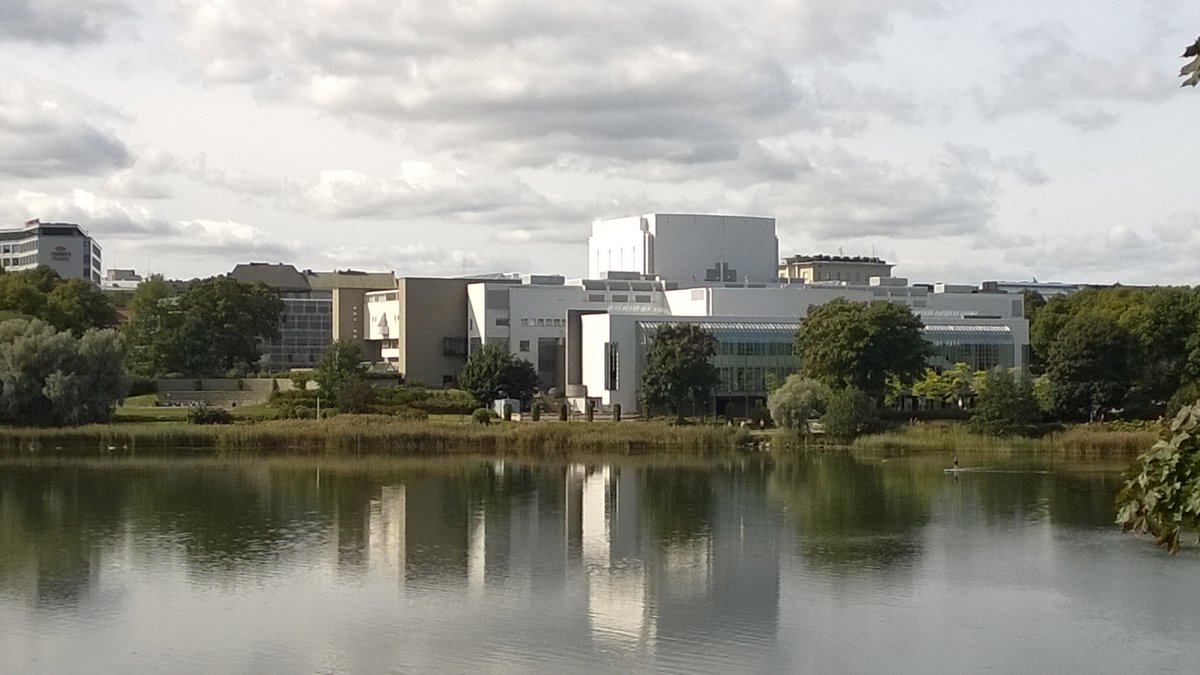
By the 2000s, redevelopment plans for central Helsinki placed the warehouses under threat. Despite public campaigns to save them, the warehouses were demolished after a devastating fire in May 2006 (yle.fi; Wikipedia). Only a small fragment remains today, serving as a pavilion café within the Töölönlahti park near the Helsinki Music Centre.
The controversy surrounding their demolition led to increased public awareness and advocacy for urban heritage preservation, influencing ongoing debates about historic industrial sites in Helsinki (Finnish Heritage Agency).
The Töölönlahti district now features world-class attractions such as the Helsinki Music Centre, Oodi Central Library, and Museum of Contemporary Art Kiasma, blending respect for history with modern urban life (MyHelsinki).
Visitor Information
Location and Accessibility
The former VR Warehouses site is centrally located between Helsinki Central Railway Station and Finlandia Hall, in the Töölönlahti cultural district (Mannerheimintie 13a, 00100 Helsinki). The area is easily accessible:
- Train: Short walk from Helsinki Central Railway Station
- Tram: Lines 2, 4, 7, and 10 (Rautatientori or Ooppera stops)
- Bus: Multiple city buses to the railway station
- Walking: Within walking distance of Esplanadi Park and Töölö Bay
The site and surrounding buildings are fully accessible, with ramps, elevators, and accessible restrooms (Helsinki City Museum).
Visiting Hours and Tickets
- Preserved Warehouse Fragment & Park: Open at all times, free of charge
- Helsinki Music Centre: Monday–Friday 10:00–18:00, Saturday 11:00–16:00, closed Sunday (Helsinki Music Centre)
- Oodi Central Library: Monday–Friday 8:00–20:00, Saturday 10:00–18:00, Sunday 12:00–18:00 (MyHelsinki)
- Museum of Contemporary Art Kiasma: Tuesday–Sunday 10:00–18:00, closed Monday
Entry to public spaces (parks, Kansalaistori) is free. Tickets are required for concerts, guided tours, and special exhibitions. Book in advance during peak seasons.
Guided Tours and Digital Experiences
- Guided Tours: Available at Helsinki Music Centre and Kiasma; book via official websites.
- Self-Guided Audio Tours: Apps like Audiala offer interactive tours of Helsinki’s industrial heritage (Audiala app).
- Virtual Archives: Explore historical photographs and documents online (Finna service).
Nearby Attractions
- Helsinki Music Centre: Modern concert venue hosting orchestras and cultural events (Helsinki Music Centre)
- Oodi Central Library: Innovative public library and community hub (MyHelsinki)
- Museum of Contemporary Art Kiasma: Leading Finnish and international art (City of Helsinki)
- Finlandia Hall: Alvar Aalto’s architectural masterpiece (Finlandia Hall)
- National Museum of Finland: Finnish history and interactive exhibits
- Töölö Bay (Töölönlahti): Scenic urban park for walking and cycling
- Temppeliaukio Church: Unique rock-hewn church
- Ateneum Art Museum: Finland’s largest art collection
- Esplanadi Park: Green space with cafés and boutiques
Tips and Seasonal Considerations
- Best Time to Visit: Spring–autumn for outdoor events; winter for cozy museum experiences
- Accessibility: Full access for wheelchairs and strollers
- Photography: Capture modern architecture and scenic city views; use #VRWarehousesHelsinki
- Weather: Dress in layers and bring rain gear for outdoor activities
FAQs
Q: Can I visit the VR Warehouses today?
A: The original warehouses have been demolished. You can visit the preserved fragment café near the Helsinki Music Centre, as well as the surrounding park.
Q: Are tickets required?
A: Public areas are free. Concerts, tours, and exhibitions may require tickets (Helsinki Music Centre).
Q: Is the site accessible?
A: Yes, all nearby attractions and public spaces are fully accessible.
Q: How do I get there?
A: The site is easily reached by train, tram, bus, or on foot from Helsinki Central Railway Station.
Q: Where can I find historical materials?
A: Visit the Helsinki City Museum or explore online archives via the Finna service).
Listen to the full story in the app
The whole Vr Warehouses,
told well.
Audio guides for 1,100+ cities across 96 countries. History, stories, and local insight — offline ready.
Verified, and shown.
Researched and written by the Audiala editorial team from historical records, architectural archives, and local expertise.
VR Warehouses Helsinki: History, Cultural Significance & Visitor Guide
VR Warehouses Historical Archives and Exhibitions
Industrial Heritage and Preservation in Helsinki
Urban Planning and Heritage Preservation
VR Warehouses. Wikipedia
(2017). The Demolition and Cultural Impact of the VR Warehouses
Visiting Helsinki: Cultural Attractions
Interactive Historical Tours of Helsinki
(2006). Demolition of VR Warehouses in Helsinki
Researched from Wikidata, Wikipedia & official sources · fact-checked · How we make our guides →