Plan and listen to Vallisaari with Audiala.
Audio guide in your pocket, itinerary in your browser. Built for the way you actually visit.
Introduction
Vallisaari, nestled in Helsinki’s archipelago, stands as a testament to the city’s layered military history, vibrant natural ecosystems, and evolving role as a contemporary cultural hub. Once a strategic outpost bridging Suomenlinna and Santahamina, Vallisaari’s legacy stretches from medieval times—when it was a vital freshwater stop for sailors—through centuries of Swedish and Russian rule, to its pivotal role in Finnish independence and the World Wars. Since opening to the public in 2016, the island has become a sanctuary for biodiversity and a unique venue for international events such as the Helsinki Biennial, offering a multifaceted experience for history buffs, nature lovers, and art enthusiasts alike. This guide provides comprehensive information on Vallisaari’s visiting hours, ticketing, accessibility, main attractions, and practical tips for an unforgettable visit (Wikipedia; Helsinki Biennial; Finnish Passports; HAM Helsinki).

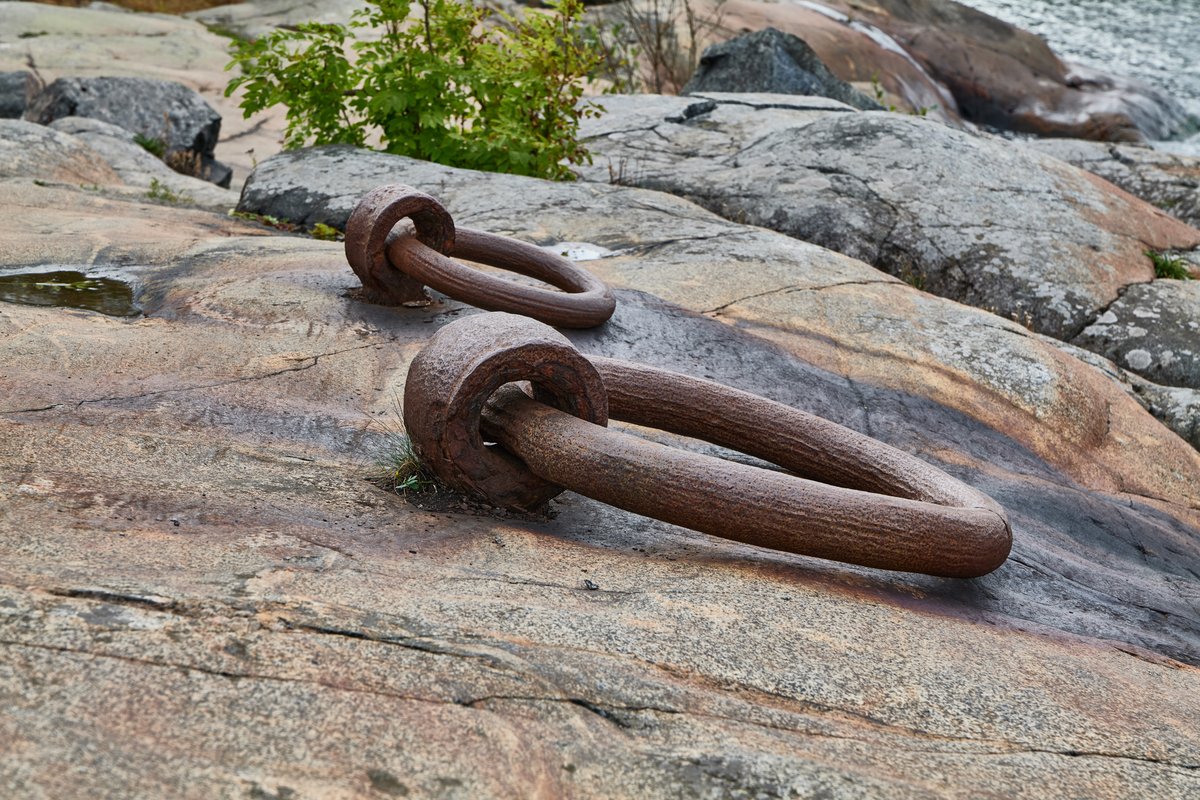
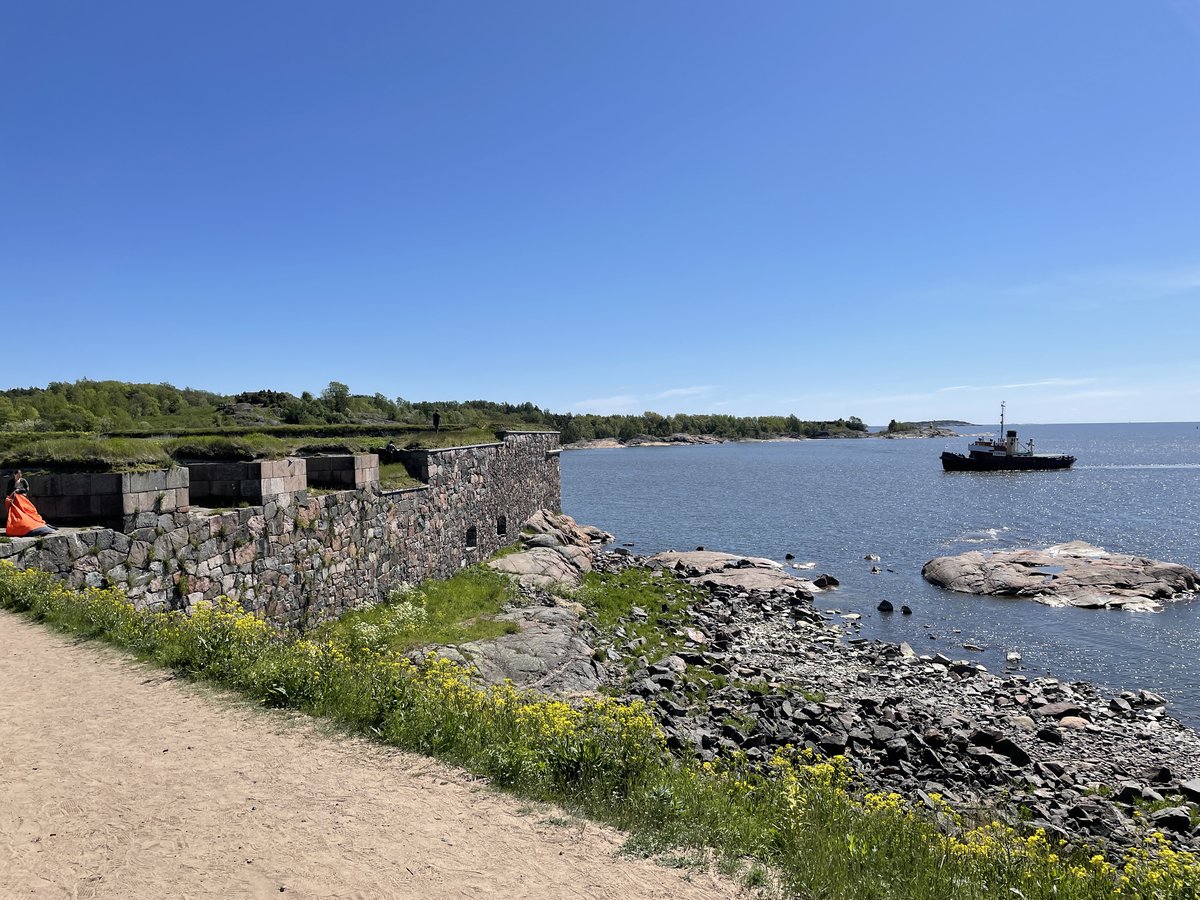
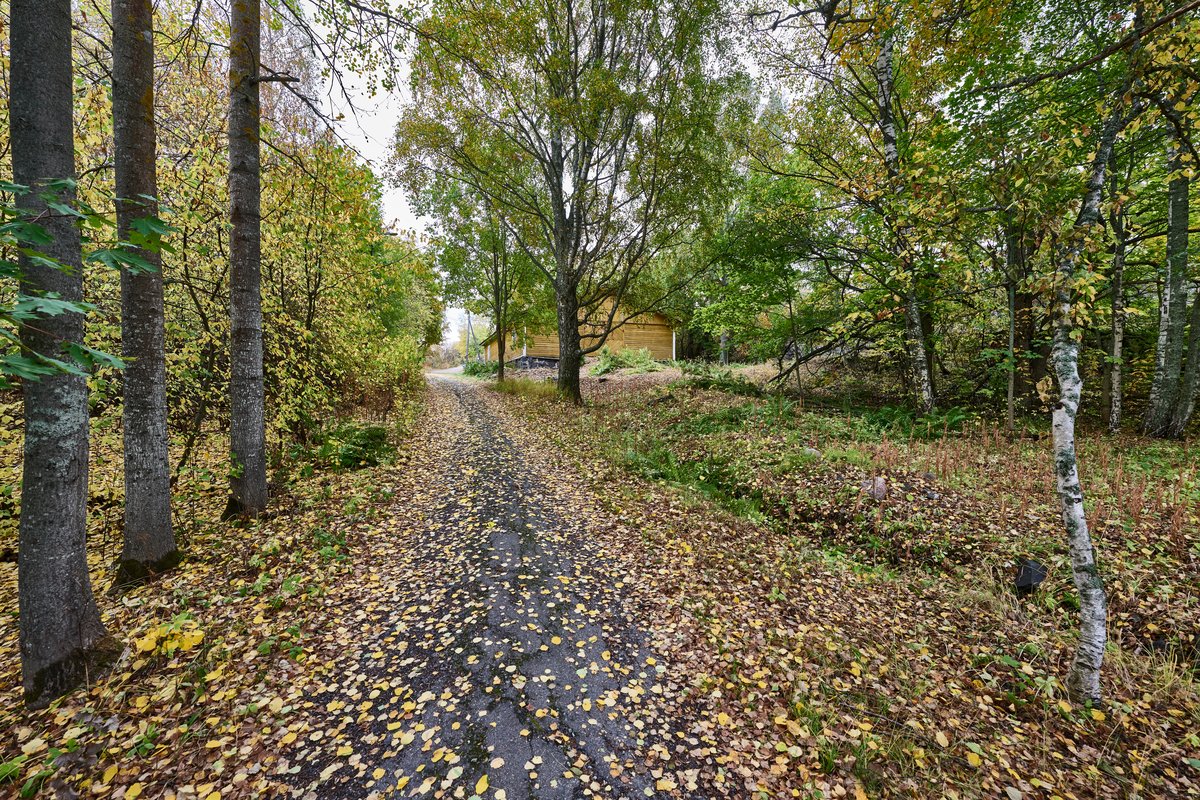
Early History and Strategic Location
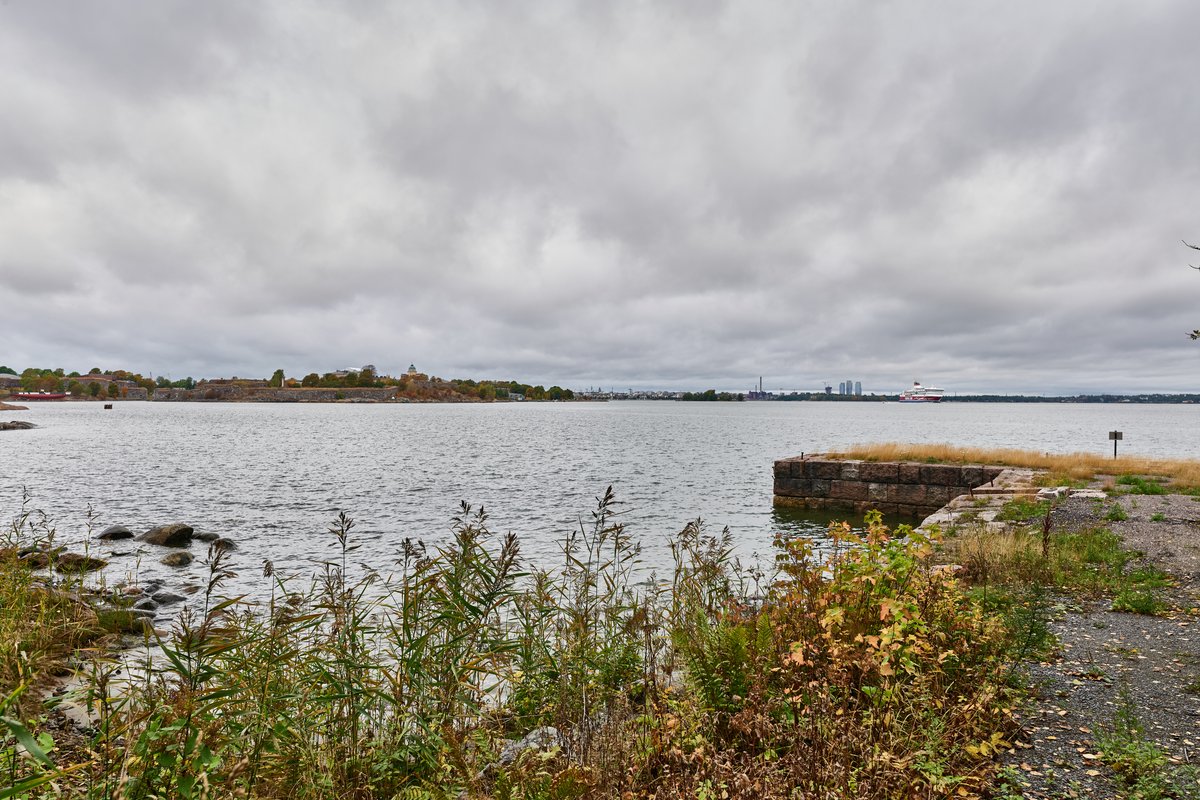
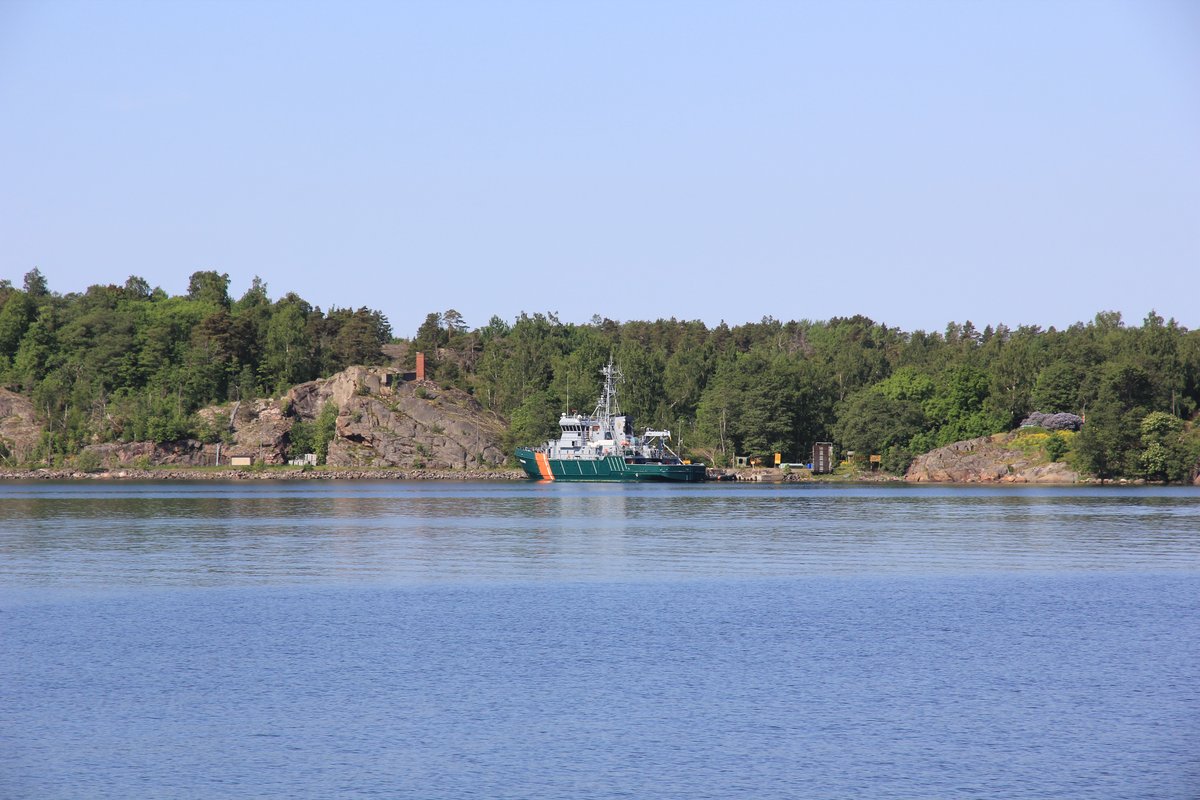
Vallisaari—meaning “Embankment Island”—lies between Suomenlinna and Santahamina, its position making it a linchpin in Helsinki’s maritime defenses. Known as Lampisaari (“Pond Island”) in the Middle Ages, its freshwater ponds were crucial for passing ships (Wikipedia; Environment & Society Portal).
Military Eras: Swedish and Russian Rule
Swedish Rule (13th Century–1808)
Under Swedish control, Vallisaari supported the Suomenlinna fortress, serving as a wood depot and livestock pasture. Extensive logging stripped the island of its forests by the early 20th century (Wikipedia).
Russian Rule (1808–1917)
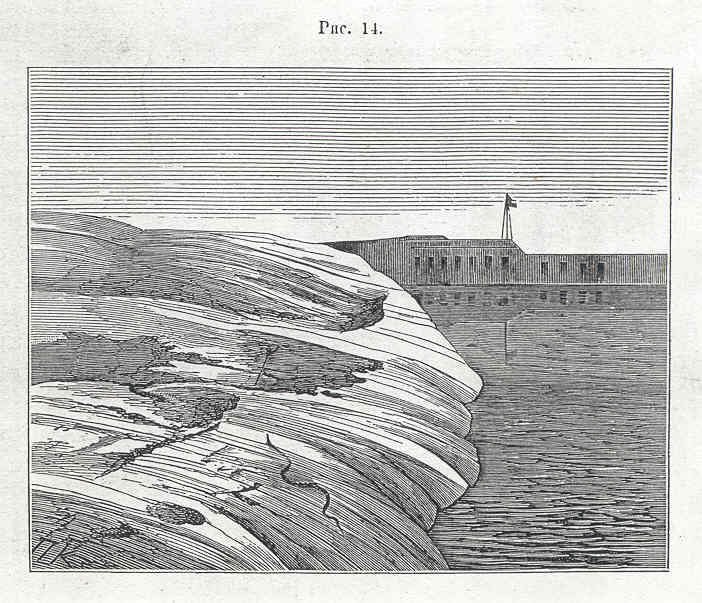
The Russian Empire fortified Vallisaari as part of the Krepost Sveaborg defense network, constructing batteries, barracks, and a granite road for Emperor Alexander II’s 1863 visit (Helsinki Biennial).
Finnish Independence and 20th Century Use
Upon Finnish independence in 1917, Vallisaari remained a military zone, serving as an ammunition depot and technological outpost, including a WWII-era German Freya radar station. Despite its military function, a civilian community flourished mid-century, complete with a school, shop, and social activities. A deadly 1937 explosion in the “Valley of Death” left its mark; by the 1990s, the island was abandoned (Finland.fi).
Post-Military Era and Nature Recovery
With the cessation of military use in 2008, Vallisaari’s flora and fauna rebounded. The island now harbors Helsinki’s most diverse ecosystem: over 1,000 butterfly species, rare bats, and the city’s only alder swamp (Wikipedia; Helsinki Biennial). Some plant species were introduced during the Russian era, reflecting the island’s layered history.
Visiting Hours, Tickets, and Accessibility
Opening Hours
- Season: Vallisaari is open from mid-May to late September.
- Daily Hours: Accessible during daylight; visit the official site for current times, as they may change with the season.
Tickets
- Entry: Free to the island; ferry ticket required.
- Ferry Fare: €10.90 round-trip for adults (2025); discounts for children, families, and special groups.
- Special Offers: Free ferry rides on selected Fridays and for school groups during the Biennial (HAM Helsinki).
- Purchase: Online, at the Market Square ticket booth, or onboard (FRS Finland).
Accessibility
- Ferries: Main ferries and Torpedolahti pier are accessible, but circle line ships may not be.
- On the Island: Trails are uneven and steep in places; accessibility is limited for wheelchairs and strollers. Some historic sites have stairs and narrow passages (Vallisaari Official).
- Facilities: Water points, dry toilets, picnic tables, and seasonal cafés are available; services are concentrated at main entry points.
Getting There: Ferries and Island Hopping
- Departure: Market Square’s Keisarinluodonlaituri pier.
- Duration: 20–30 minutes to Vallisaari.
- Island Hopping: Same-day ferry tickets allow visits to Suomenlinna, Lonna, and Vasikkasaari (Worldering Around).
- Private Boats: Guest marina at Torpedolahti with 60 moorings.
Main Attractions and Trails
Aleksanteri Trail
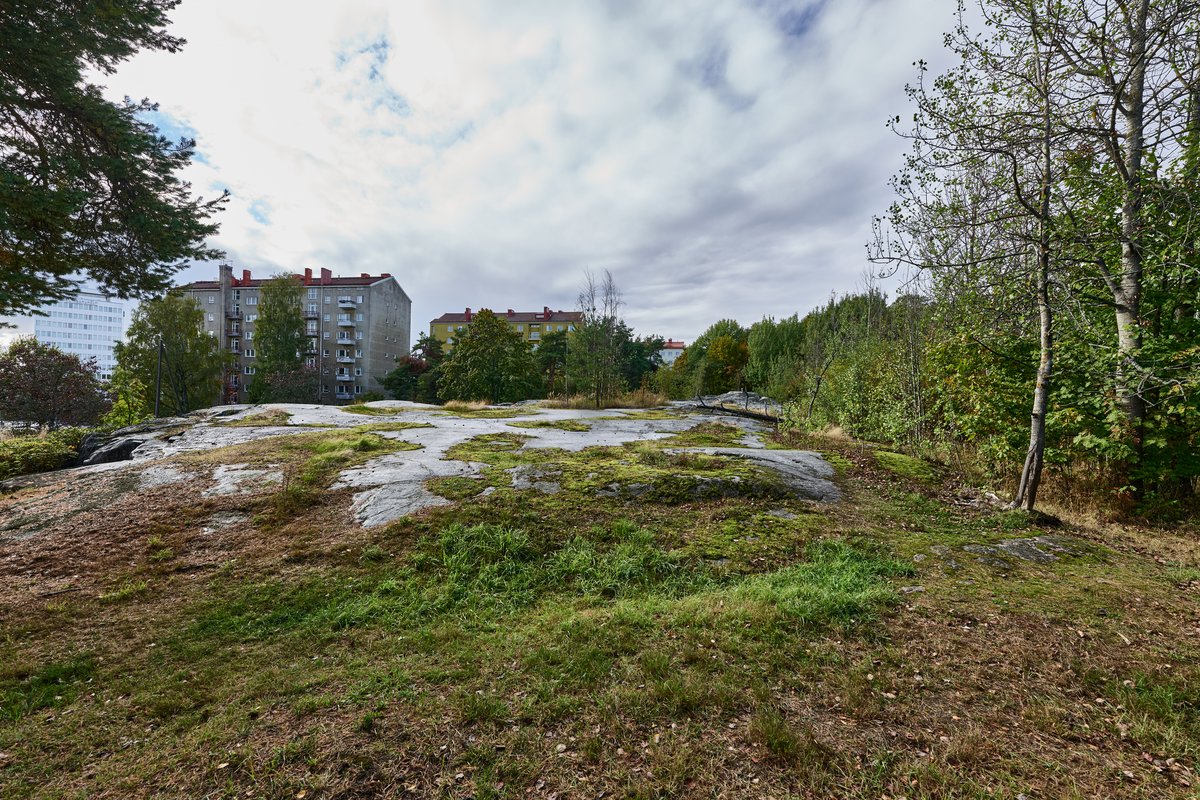
A 2.5–3 km marked loop traversing meadows, woodlands, and rocky outcrops, featuring historic fortifications, panoramic viewpoints, and interpretive signage. Suitable for most visitors, but sturdy footwear is advised (Discovering Finland).
Kuninkaansaari Island
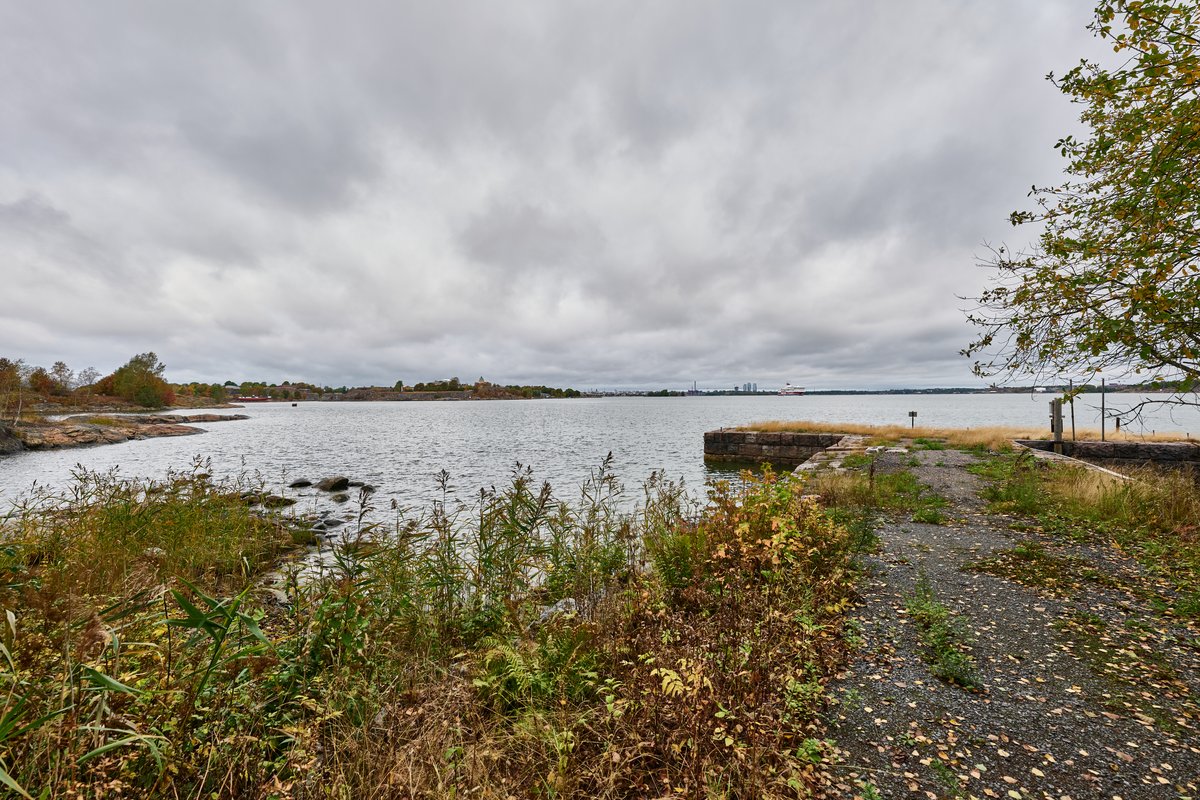
Accessible via a causeway, this tranquil extension features a sandy cove for swimming, forested trails, and remnants of military installations.
Historic Sites
- Aleksanterinpatteri (Alexander Battery): 19th-century gun emplacement with sweeping views.
- Granite Road: Built for the 1863 imperial visit.
- Gunpowder Cellars and Observation Towers: Atmospheric relics of the island’s military era.
Nature and Wildlife
With over 400 plant species and a haven for butterflies and bats, Vallisaari is one of Helsinki’s richest natural environments. Spring and early summer are especially vibrant.
Vallisaari in Contemporary Culture
Since 2021, Vallisaari has hosted the Helsinki Biennial, an international contemporary art event. The 2025 edition (June 8–September 21) features 37 artists and collectives, with installations integrated into powder cellars, cannon roads, and abandoned buildings. The theme “Shelter: Below and Beyond, Becoming and Belonging” explores ideas of refuge and interconnectedness (HAM Helsinki; artatberlin.com).
Practical Visitor Tips
- Footwear: Wear sturdy walking shoes.
- Weather: Dress in layers; bring rain gear.
- Supplies: Carry water, snacks, and sun protection as amenities are limited.
- Rules: Stay on marked trails; dogs must be leashed; no open fires or unauthorized camping.
- Safety: Beware of steep terrain and historic hazards; report any suspicious objects to authorities.
- Photography: Top photo spots include Aleksanterinpatteri and Kustaanmiekka Strait.
Frequently Asked Questions (FAQ)
Q: What are Vallisaari’s opening hours?
A: Mid-May to late September, daily during daylight hours. Check official site for updates.
Q: How do I buy ferry tickets?
A: Online, at Market Square ticket booths, or onboard. Advance purchase is recommended in high season.
Q: Is the island accessible for wheelchairs?
A: Ferries and Torpedolahti pier are accessible, but trails are uneven; some historic structures are not accessible.
Q: Are there dining options?
A: Seasonal cafés and picnic areas are available; bring your own food for flexibility.
Q: Can I combine my visit with other islands?
A: Yes, same-day ferry tickets include Suomenlinna, Lonna, and Vasikkasaari.
Listen to the full story in the app
The whole Vallisaari,
told well.
Audio guides for 1,100+ cities across 96 countries. History, stories, and local insight — offline ready.
Verified, and shown.
Researched and written by the Audiala editorial team from historical records, architectural archives, and local expertise.
Researched from Wikidata, Wikipedia & official sources · fact-checked · How we make our guides →