Introduction
Keisarinnankivi, translating to "the stone of the empress," is the oldest public monument in Helsinki, Finland. This remarkable landmark is not just a piece of stone but a symbol deeply embedded in the rich historical and cultural tapestry of Helsinki. Designed by the renowned architect Carl Ludvig Engel, Keisarinnankivi was erected to commemorate the first visit of Empress Alexandra Feodorovna, the German-born wife of Emperor Nicholas I of Russia, to Helsinki on June 10, 1833. The Empress's visit was a significant event that further cemented the ties between Finland and the Russian Empire (Discovering Finland).
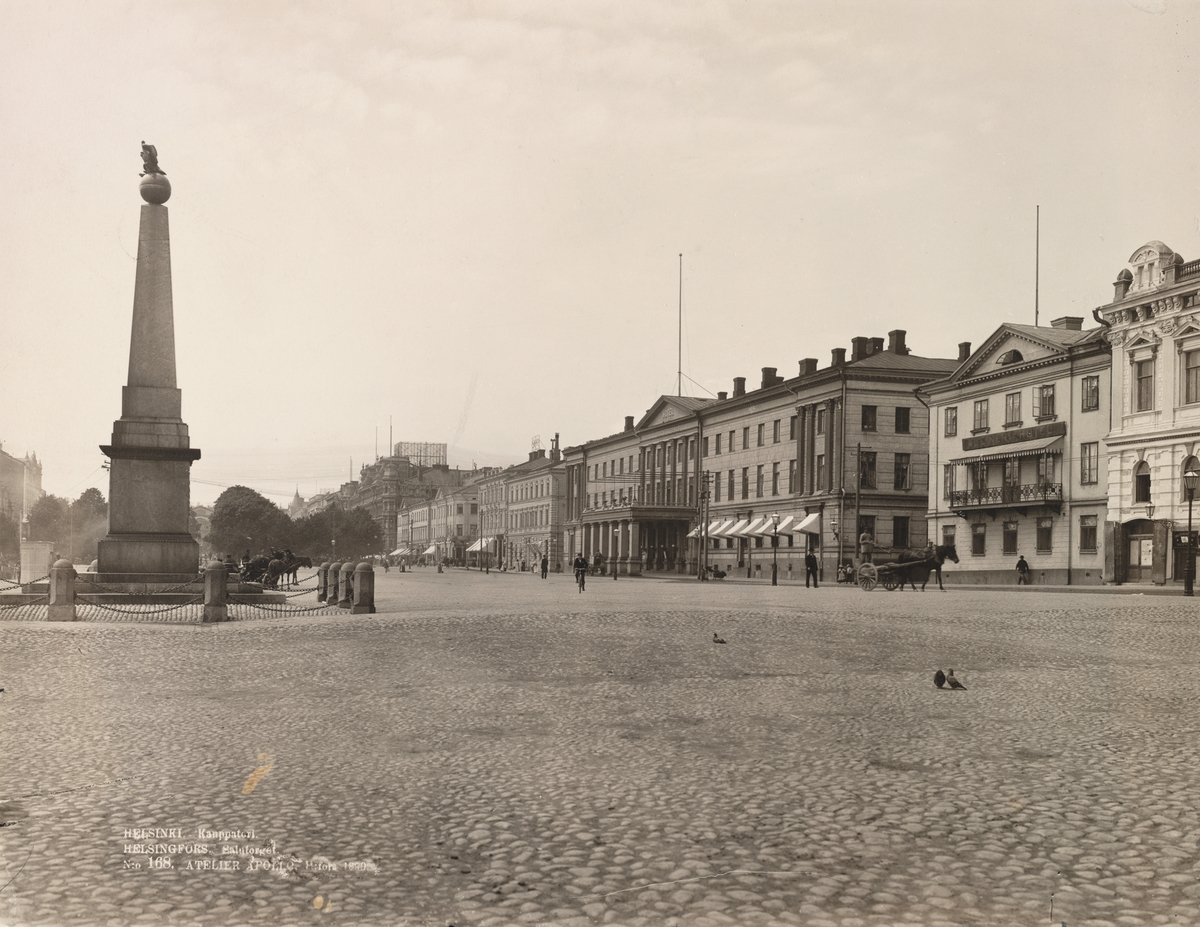
The monument, unveiled on December 18, 1835, coinciding with the name day of Nicholas I, stands as a testament to the historical connection between Finland and Russia during the era when Finland was an autonomous Grand Duchy under Russian rule. The obelisk, made of red granite and topped with a bronze globe and the two-headed eagle of Russia, symbolizes the imperial influence over Finland while also reflecting the country's unique identity (Wikipedia).
Keisarinnankivi's significance extends beyond its architectural beauty. It is strategically located at the Market Square (Kauppatori) in central Helsinki, a bustling hub that continues to be a vibrant part of the city's urban landscape. This guide aims to provide a comprehensive overview of Keisarinnankivi, detailing its historical origins, architectural features, visitor information, and nearby attractions, making it an essential read for anyone planning to explore this historical gem in Helsinki.
Photo Gallery
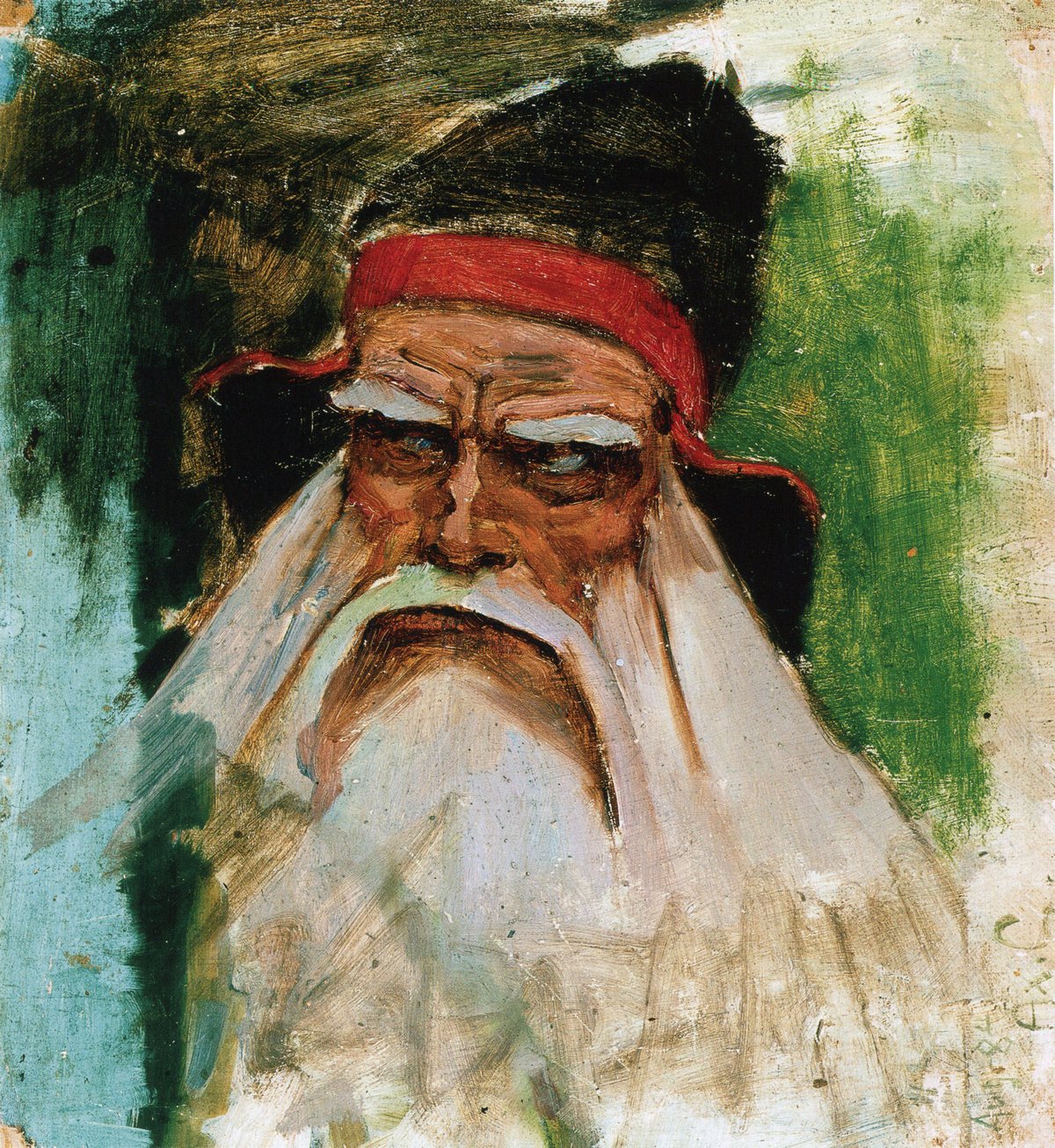
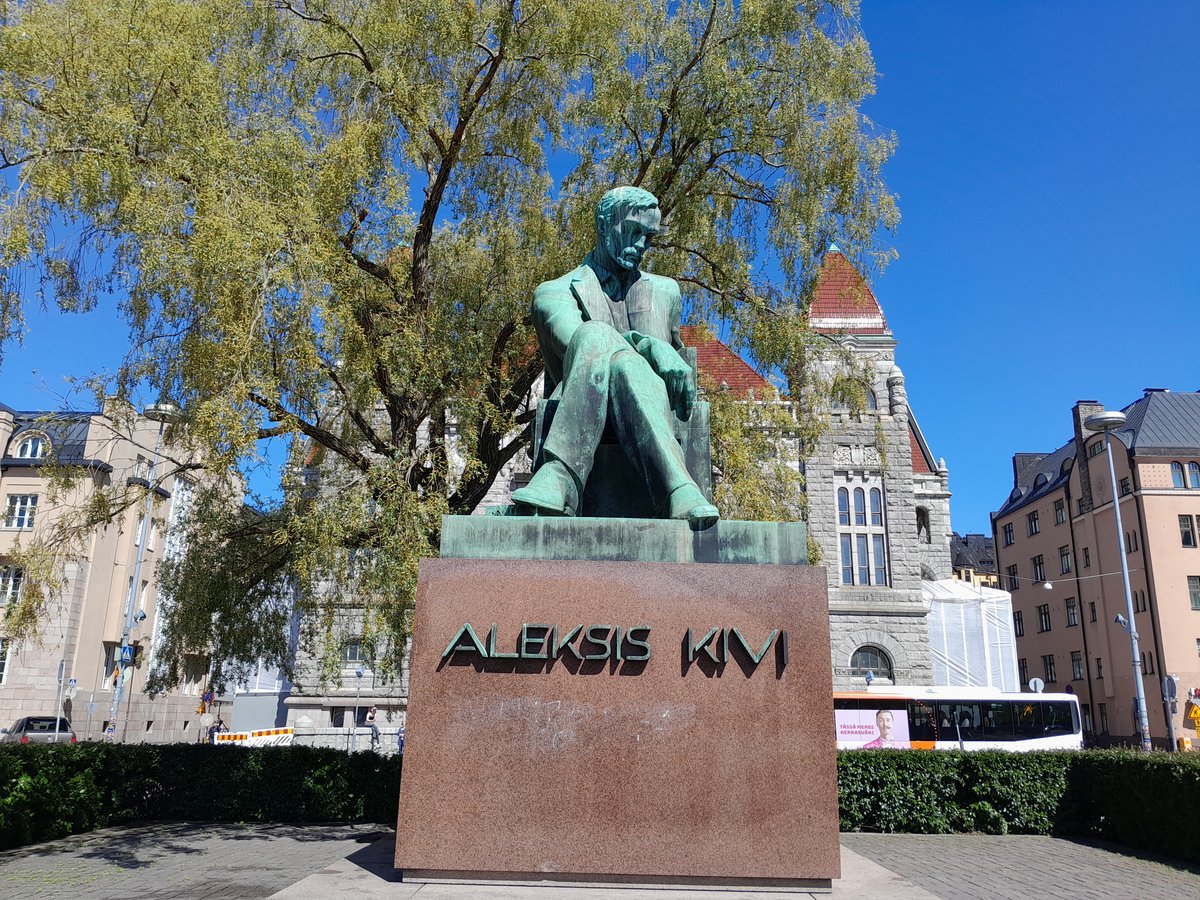
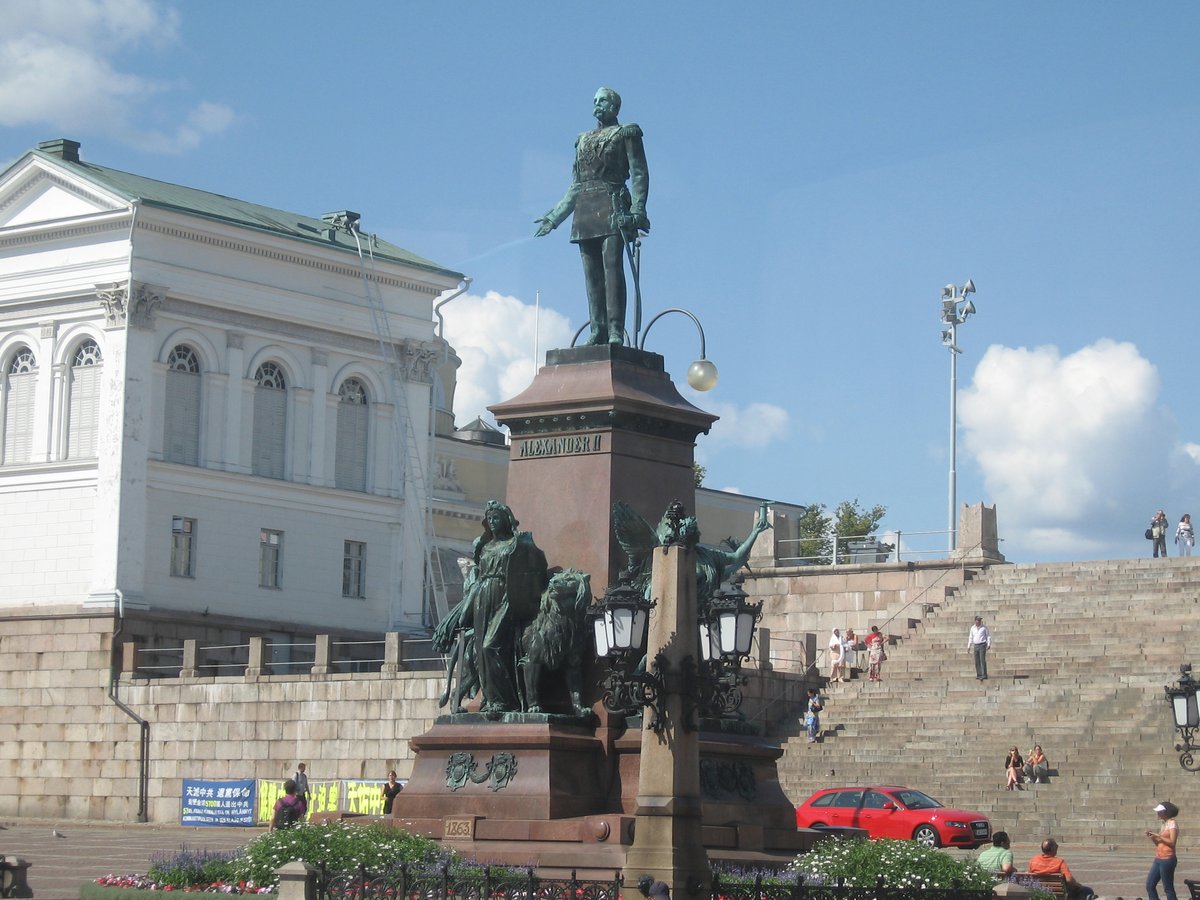
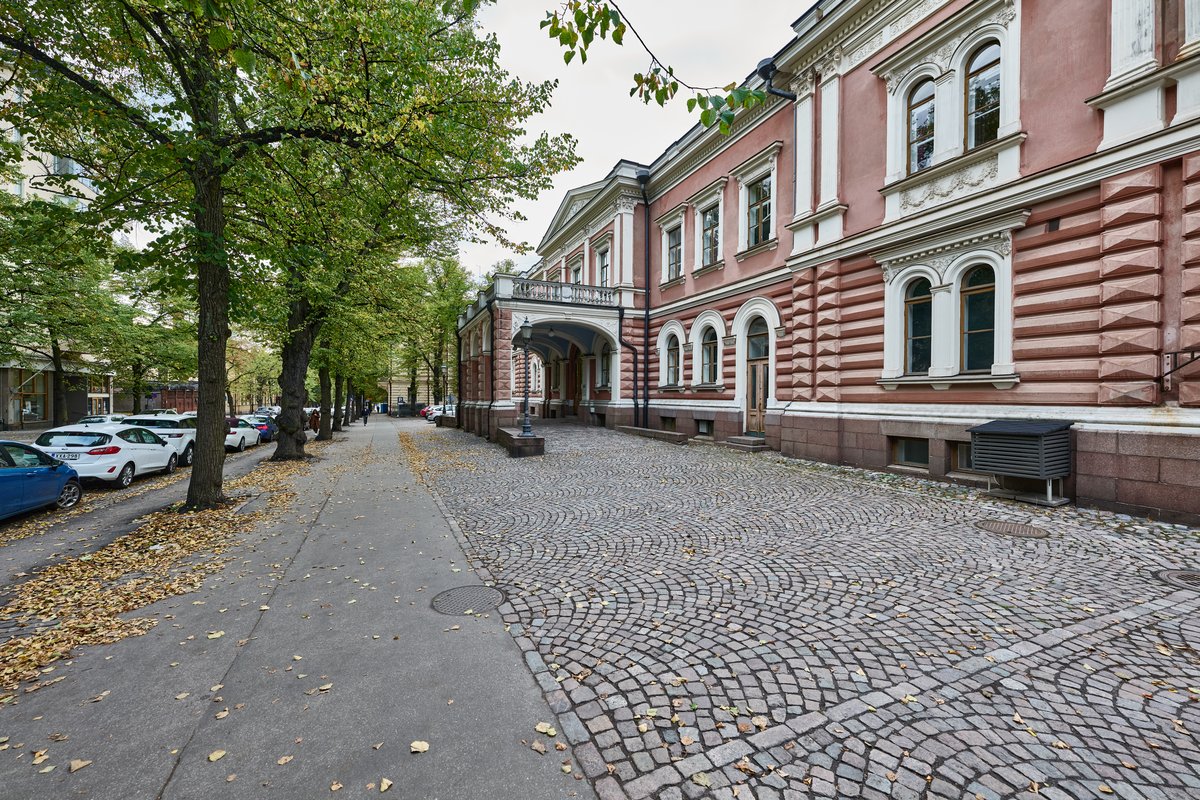
Explore The Stone of the Empress in Pictures
Historical Background
Origins and Design
Keisarinnankivi, translating to "the stone of the empress," is the oldest public monument in Helsinki, Finland. This significant landmark was designed by the renowned architect Carl Ludvig Engel, who played a pivotal role in shaping the architectural landscape of Helsinki during the early 19th century. The monument was erected to commemorate the first visit of Empress Alexandra Feodorovna, the German-born wife of Emperor Nicholas I of Russia, to Helsinki on June 10, 1833, to inspect the construction of Helsinki's new center (Discovering Finland).
Unveiling and Celebrations
The monument was unveiled with great fanfare on December 18, 1835, coinciding with the name day of Nicholas I. This date was chosen to honor the Emperor, further cementing the ties between Finland and the Russian Empire. The unveiling ceremony was a significant event, reflecting the importance of the imperial visit and the monument's role in commemorating it (Wikipedia).
Funding and Construction
The construction of Keisarinnankivi was funded through a national collection of funds and a grant provided by the Imperial Senate of Finland. This collaborative effort highlights the monument's importance to both the Finnish people and the Russian authorities. The obelisk, made of red granite, features a bronze globe topped with the two-headed eagle of Russia, symbolizing the imperial connection (Wikiwand).
Symbolism and Inscriptions
The obelisk form of Keisarinnankivi is a nod to the ancient tradition of using obelisks as memorials to glorify historical events. This design choice aligns with the early 19th-century European trend of adopting antique forms for public monuments. The monument includes inscriptions in both Finnish and Latin, which was unusual at the time since the official languages were Swedish and Russian. The inscriptions read: "Keisarinna Alexandralle Suomen pääkaupungissa ensikerran käyneelle XXIX.p:Touko X.p: Kesä MDCCCXXXIII. Imperatrici Alexandrae Metropolin Finlandiae Primum Adventati die XXIX Maji X Juni MDCCCXXXIII," translating to "To Empress Alexandra on her first visit to the capital of Finland May 29 – June 10, 1833" (HAM Helsinki).
Historical Context
The erection of Keisarinnankivi must be understood within the broader historical context of Finland's relationship with the Russian Empire. Following the Finnish War (1808-1809), Finland was ceded from Sweden to Russia and became an autonomous Grand Duchy under the Russian Empire. The visit of Empress Alexandra and Emperor Nicholas I in 1833 was part of the Russian efforts to integrate Finland more closely into the empire while also respecting its autonomy. The monument thus serves as a symbol of this complex relationship, reflecting both the influence of the Russian Empire and the distinct identity of Finland (Wikipedia).
Alterations and Restorations
Over the years, Keisarinnankivi has undergone several alterations and restorations. Notably, during the February Revolution in 1917, Russian sailors removed the bronze globe and the two-headed eagle from the monument. These elements were later restored in 1971 after consultations with the Soviet Union, ensuring that there were no objections from the neighboring country. The bronze globe was gilded in 2000 to mark Helsinki's 450th anniversary and its designation as the European Capital of Culture (HAM Helsinki).
Visitor Information
Location and Accessibility
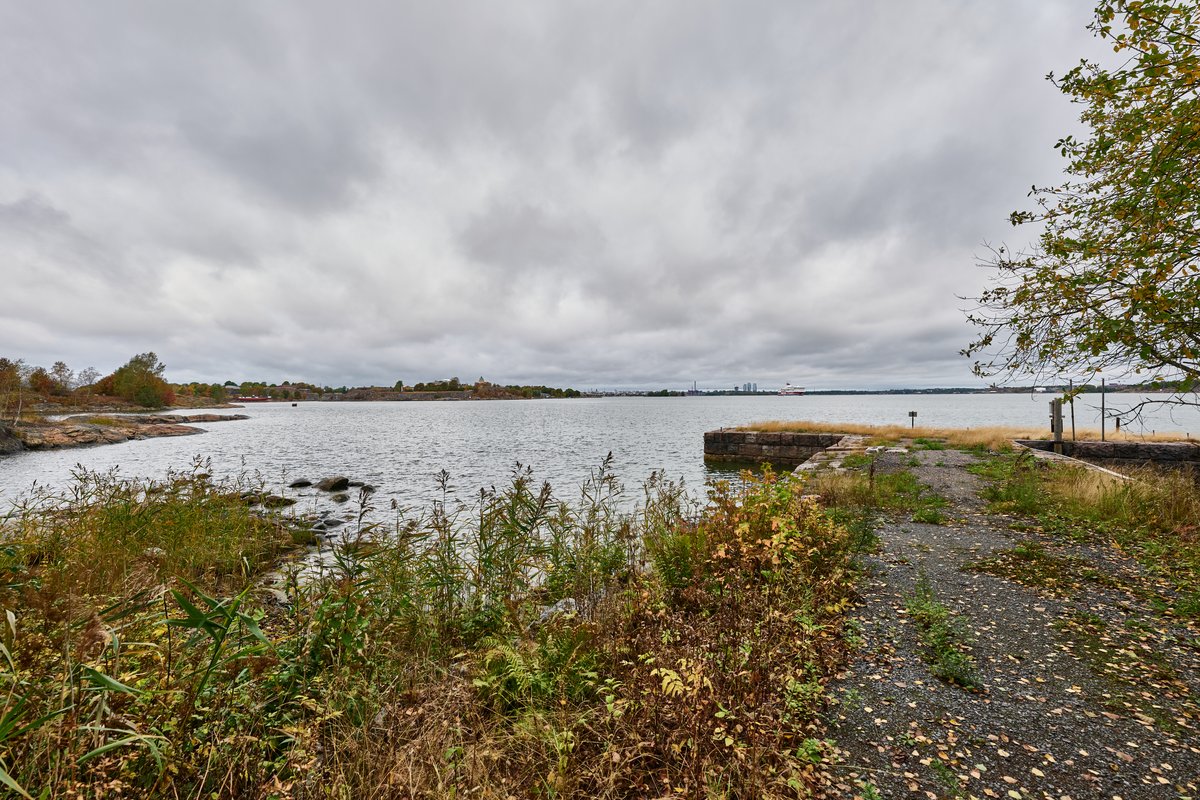
Keisarinnankivi is strategically located at the Market Square (Kauppatori) in Kaartinkaupunki, central Helsinki. This location is historically significant as it marks the spot where the imperial couple stepped ashore from the steamship Ischora upon their arrival in Helsinki. The Market Square remains a bustling hub of activity, making the monument easily accessible to both locals and tourists. Its central location ensures that it continues to be a prominent feature of Helsinki's urban landscape (My Helsinki).
Visiting Hours and Tickets
Keisarinnankivi is an open-air monument, accessible to the public 24/7 without any admission fee. This makes it an ideal spot for any visitor looking to explore Helsinki's historical sites without worrying about ticket prices or visiting hours.
Travel Tips and Nearby Attractions
When visiting Keisarinnankivi, consider exploring nearby attractions such as the Helsinki Cathedral, Senate Square, and the Presidential Palace, all within walking distance. The Market Square itself offers a vibrant atmosphere with numerous stalls selling local delicacies, souvenirs, and crafts.
Special Events and Guided Tours
While Keisarinnankivi itself does not host special events, its central location in Market Square means it is often part of larger city-wide celebrations and festivals. Guided tours of Helsinki often include a stop at Keisarinnankivi, providing deeper historical context and insights into the monument's significance.
Photographic Spots
Keisarinnankivi offers excellent photographic opportunities, especially with the backdrop of the neoclassical buildings and the bustling Market Square. Early morning or late afternoon light can provide beautiful conditions for photography.
FAQs
Q: What are the visiting hours for Keisarinnankivi?
A: Keisarinnankivi is accessible 24/7 as it is an open-air monument.
Q: Is there an admission fee to visit Keisarinnankivi?
A: No, visiting Keisarinnankivi is free of charge.
Q: Are there guided tours available for Keisarinnankivi?
A: Yes, many guided tours of Helsinki include a stop at Keisarinnankivi, providing additional historical context.
Q: What other attractions are near Keisarinnankivi?
A: Nearby attractions include Helsinki Cathedral, Senate Square, and the Presidential Palace.
Q: Can I take photos at Keisarinnankivi?
A: Absolutely, Keisarinnankivi is a popular spot for photography, especially with its historical and architectural backdrop.
Discover More
Stay updated on more historical insights and travel tips by following us on social media or downloading our mobile app Audiala. Discover more about Helsinki's rich history and culture through our other related posts.
Listen to the full story in the app
Your Personal Curator, in Your Pocket.
Audio guides for 1,100+ cities across 96 countries. History, stories, and local insight — offline ready.
Audiala App
Available on iOS & Android
Join 50k+ Curators
Sources
-
verified
Discovering Finland
Keisarinnankivi: The Stone of the Empress Public Memorial
-
verified
Wikipedia
Keisarinnankivi
-
verified
Wikiwand
Keisarinnankivi
-
verified
HAM Helsinki
The Stone of the Empress
-
verified
My Helsinki
The Stone of the Empress
-
verified
Amber Everywhere
Is Helsinki Worth Visiting?
- verified
Last reviewed: