Plan and listen to The Shipwrecked with Audiala.
Audio guide in your pocket, itinerary in your browser. Built for the way you actually visit.
Introduction: The Shipwrecked – Helsinki’s Maritime Monument
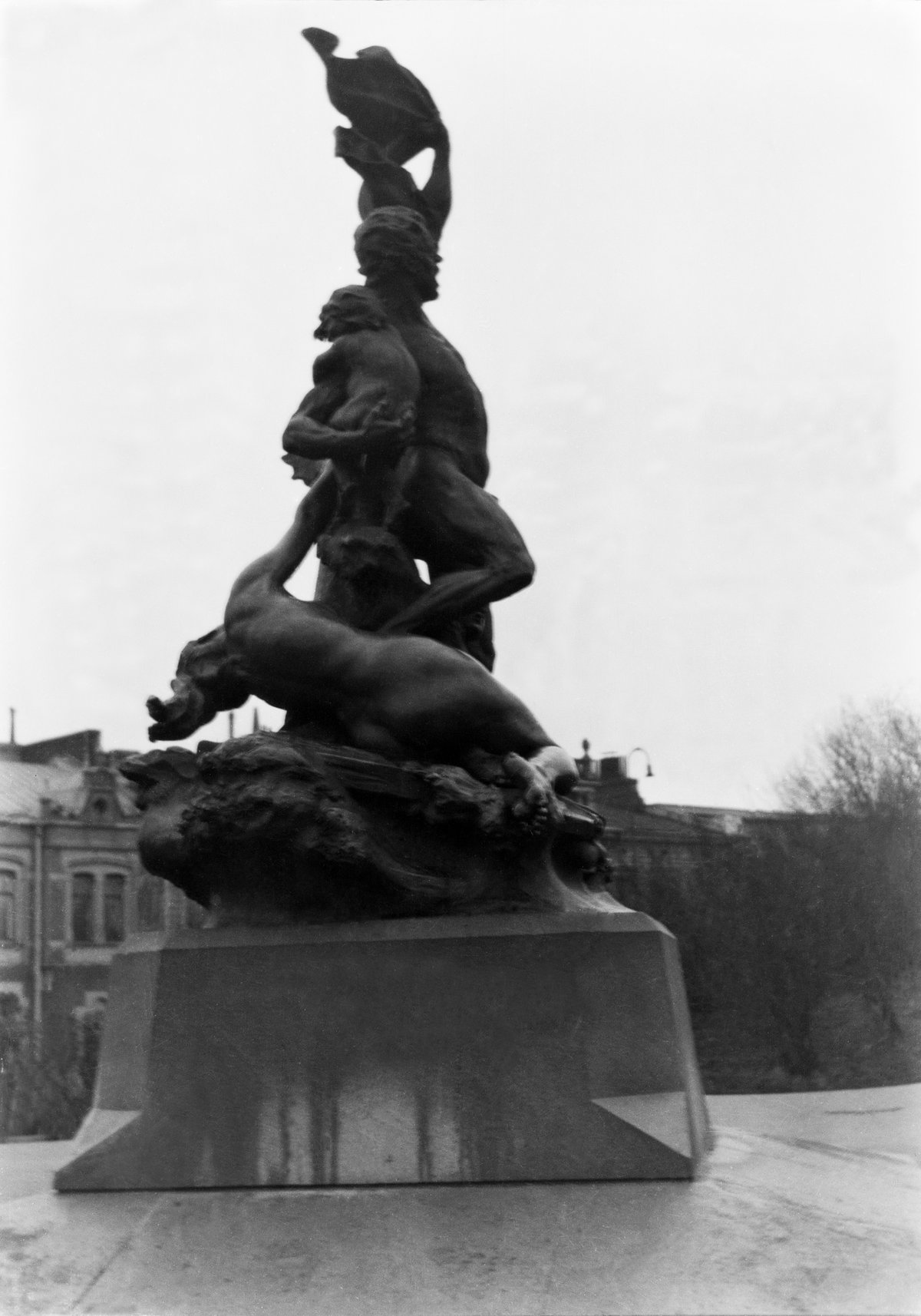
In the heart of Helsinki, Finland, The Shipwrecked (Haaksirikkoiset) stands as a moving public sculpture, honoring the city’s profound maritime heritage and enduring relationship with the Baltic Sea. This monumental bronze piece, crafted by Finnish sculptor Robert Stigell in the late 19th century, dramatizes the harrowing narratives of shipwreck survivors and symbolizes resilience and human endurance. As Helsinki evolved from a modest trading post founded in 1550 to a vibrant capital, its destiny has always been tied to the sea, which has shaped its culture, economy, and identity (Evendo; HAM Helsinki).
Set at Tähtitorninkatu 2, near the Helsinki Observatory, The Shipwrecked is much more than a historical monument. It is a living cultural landmark that merges art with public engagement, reflecting Finnish values of perseverance and inviting contemplation about the interplay between nature’s power and human hope (Evendo). The sculpture is open to all, year-round, and free of charge, making it an accessible and meaningful stop for both tourists and locals. Its position within Helsinki’s urban landscape—surrounded by museums, historic districts, and parks—strengthens its role as a focal point for cultural reflection (nordicmarketing.de; MyHelsinki).
This guide explores The Shipwrecked’s history, artistic significance, visitor information, and practical tips for maximizing your experience, ensuring a comprehensive understanding of this maritime masterpiece.

Origins and Artistic Context
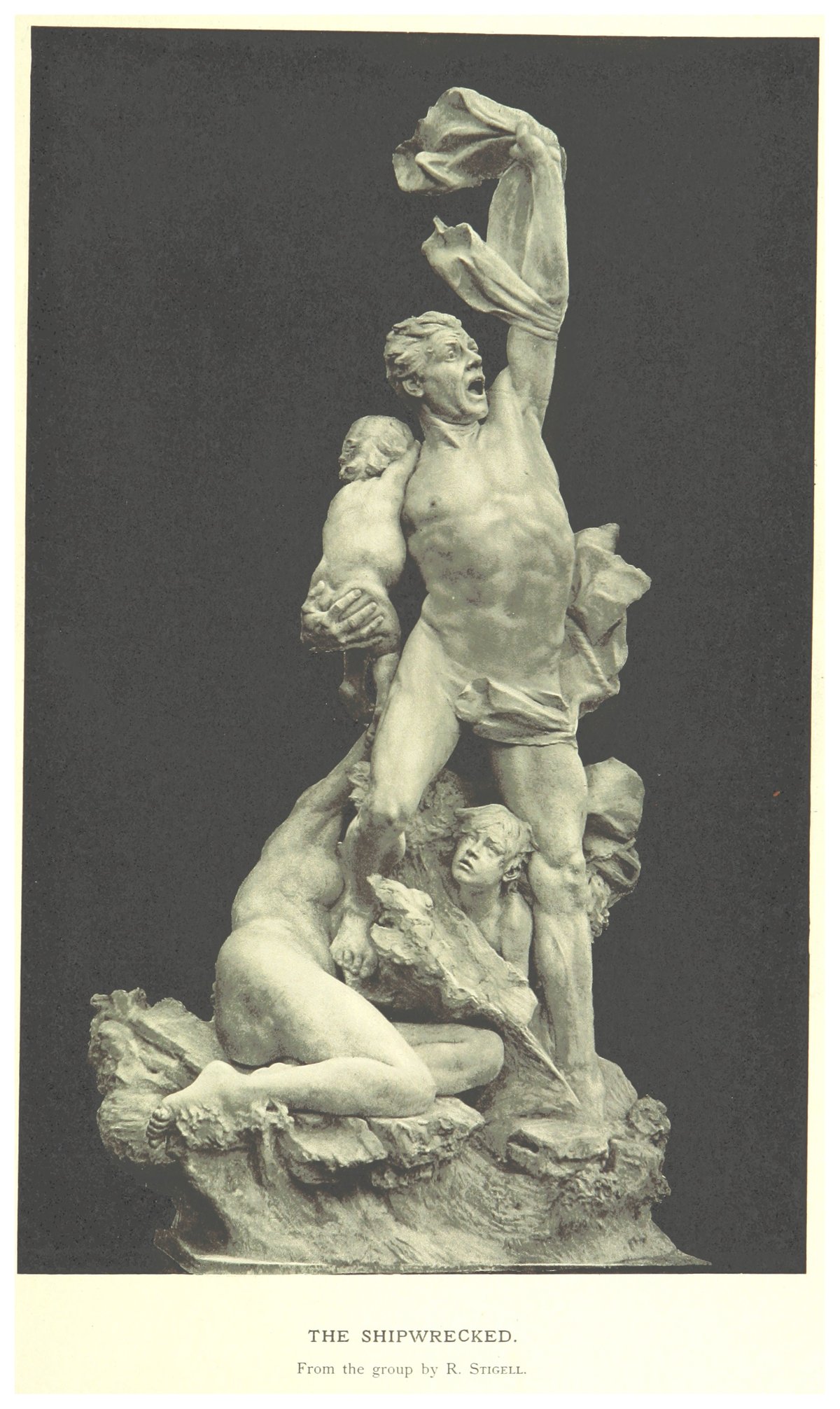
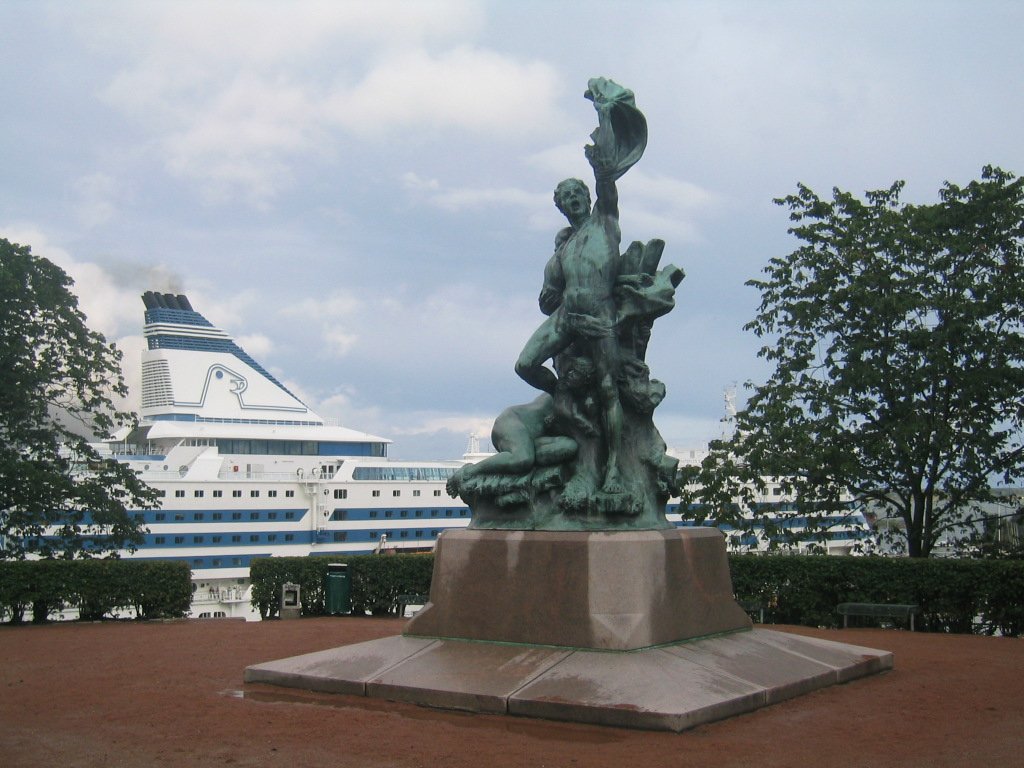
The Shipwrecked is a compelling public sculpture located at Tähtitorninkatu 2 in Helsinki. Created by Robert Stigell (1852–1907), it was completed and cast in Paris between 1897 and 1898, and installed on its granite pedestal made in Hanko, Finland. While Helsinki is known for its neoclassical buildings and creative scene, The Shipwrecked distinguishes itself by capturing the city’s historical narrative through modern artistic expression.
Helsinki’s development, from its foundation by Swedish King Gustav I Vasa in 1550, has always been shaped by its proximity to the sea (Eupedia). The city’s rise as a trading hub and later as Finland’s capital is a story marked by both prosperity and adversity, with the Baltic Sea central to its collective memory.
Symbolism and Design Elements
The Shipwrecked is a narrative in bronze and stone. Its intricate details—weathered surfaces, expressive figures, and dynamic forms—evoke the struggle and determination of seafarers facing the Baltic’s perils. The sculpture’s central figure, a father, stands atop a raft, holding a child and waving a scarf westward in a plea for rescue. By his feet, a boy is trapped in the wreckage, while the mother lies collapsed, overcome by exhaustion (HAM Helsinki). The arrangement, realism, and emotional depth capture the universal theme of human endurance.
The sculpture’s westward orientation is deliberate, symbolizing hope and potential rescue, and perhaps alluding to Finland’s political struggles during periods of Russian suppression. However, the artist’s intent centers on depicting universal adversity rather than specific political events. The use of bronze and granite not only highlights Finnish sculptural traditions but also underscores the resilience and permanence of the human spirit (Evendo).
Maritime Heritage in Helsinki’s History
Helsinki’s maritime history is foundational to its identity. From its earliest days, the city contended with the challenges and opportunities posed by the sea. The move to the Vironniemi peninsula in 1640 was motivated by the need for a better harbor (Eupedia). The construction of the Suomenlinna sea fortress in 1748 made Helsinki a key military and commercial port.
Throughout history, the sea brought both fortune and hardship; shipwrecks and storms were frequent, shaping local lore and culture. The Shipwrecked captures this enduring relationship and serves as a contemporary reminder of the challenges faced by generations of Helsinkians.
Visiting The Shipwrecked: Hours, Tickets, and Accessibility
- Location: Tähtitorninkatu 2, 00130 Helsinki, in Tähtitorninmäki (Observatory Hill) Park (Evendo)
- Opening Hours: Accessible 24/7, year-round.
- Admission: Free; no tickets required.
- Accessibility: The park is mostly accessible, with paved paths and benches. Some areas may be uneven, so comfortable shoes are recommended.
Best Times to Visit:
Late spring and summer offer pleasant weather and long daylight hours, making it ideal for outdoor exploration and photography. Evening visits provide a tranquil atmosphere, especially during the midsummer midnight sun.
Travel Tips and Nearby Attractions
The Shipwrecked is within easy walking distance of several notable landmarks:
- Helsinki Observatory: Explore Finland’s scientific heritage.
- Helsinki City Museum: Learn about local history and culture.
- Design Museum & Museum of Finnish Architecture: Delve into Finnish design and architectural innovation.
- Historic Harbor District: Stroll along the waterfront for cafés, restaurants, and boutiques.
Getting There:
Use tram lines 2 or 4, bus lines 14 or 24, or walk from the city center. Limited paid parking is available nearby, but public transport is recommended (Travel Melodies). The park is also accessible by bicycle.
Symbolism and Artistic Significance
The Shipwrecked is notable as Helsinki’s first outdoor sculpture not dedicated to a specific individual or historical event (HAM Helsinki). It honors the universal themes of adversity and resilience, using emotive realism and dynamic composition to stir deep reflection. Its integration into an urban park makes it accessible and encourages spontaneous engagement from both locals and visitors (Evendo).
Integration with Helsinki’s Urban and Cultural Landscape
Helsinki is recognized for seamlessly incorporating public art into its urban planning (Eupedia). The Shipwrecked’s location near cultural institutions and green spaces exemplifies this tradition, making it an essential stop for those exploring the city's layered history and vibrant artistic scene.
Preservation of Memory and Cultural Identity
Public sculptures like The Shipwrecked play a crucial role in preserving collective memory and fostering a sense of place in Helsinki. They reflect Finnish values of perseverance and solidarity, while also engaging with contemporary concerns about the environment and the city’s evolving relationship with the sea (Evendo).
Frequently Asked Questions (FAQ)
Q: What are the visiting hours for The Shipwrecked?
A: Open 24 hours a day, year-round.
Q: Is there a fee or ticket required?
A: No, visiting is free.
Q: How do I get there by public transport?
A: Use tram 2 or bus 24 to ‘Eira’ stop, then walk 7–10 minutes north.
Q: Is the area accessible?
A: The park is mostly accessible, but some paths may be uneven.
Q: Are guided tours available?
A: Some Helsinki city tours include The Shipwrecked; check with local operators.
Visitor Experience and Visual Engagement
The Shipwrecked offers a multisensory experience, with panoramic city and harbor views. The emotional realism of the sculpture and its tranquil surroundings invite contemplation and photography.

Nearby Attractions
- Market Square
- Helsinki Cathedral
- Suomenlinna Fortress (UNESCO World Heritage Site, accessible by ferry) (Nomadic Matt)
- Punavuori and Ullanlinna Districts: For boutiques, cafés, and lively atmosphere.
Cultural Etiquette and Local Insights
Finnish culture values personal space and quiet. English is widely spoken, and tipping is not mandatory, though appreciated for excellent service.
Sustainability and Community Engagement
The Shipwrecked aligns with Helsinki’s commitment to sustainability and local engagement. The park uses eco-friendly practices and partners with educational institutions and museums to promote maritime conservation and awareness (nordicmarketing.de).
Visitor Feedback
Visitors praise The Shipwrecked for its emotional impact, artistic quality, and the tranquil setting, making it a favorite among history enthusiasts, families, and solo travelers alike.
Listen to the full story in the app
The whole The Shipwrecked,
told well.
Audio guides for 1,100+ cities across 96 countries. History, stories, and local insight — offline ready.
Verified, and shown.
Researched and written by the Audiala editorial team from historical records, architectural archives, and local expertise.
Researched from Wikidata, Wikipedia & official sources · fact-checked · How we make our guides →