Plan and listen to Tähtitorninvuori with Audiala.
Audio guide in your pocket, itinerary in your browser. Built for the way you actually visit.
Introduction
Tähtitorninvuori, or Observatory Hill, rises as one of Helsinki’s most treasured historical and green landmarks. Located in the Ullanlinna district, the hill blends centuries of history, cultural traditions, scientific achievement, and natural beauty. Whether you visit for panoramic views, architectural heritage, or urban tranquility, Tähtitorninvuori offers a rich, multi-layered experience. This guide provides all you need to plan your visit—including opening hours, ticketing, accessibility, travel tips, and insight into the site’s historical and environmental significance.
For official details and the latest updates, see the Helsinki University Observatory, Wikipedia, Solsken Design, and Lonely Planet.


Historical and Symbolic Importance
From Watchtower to Observatory
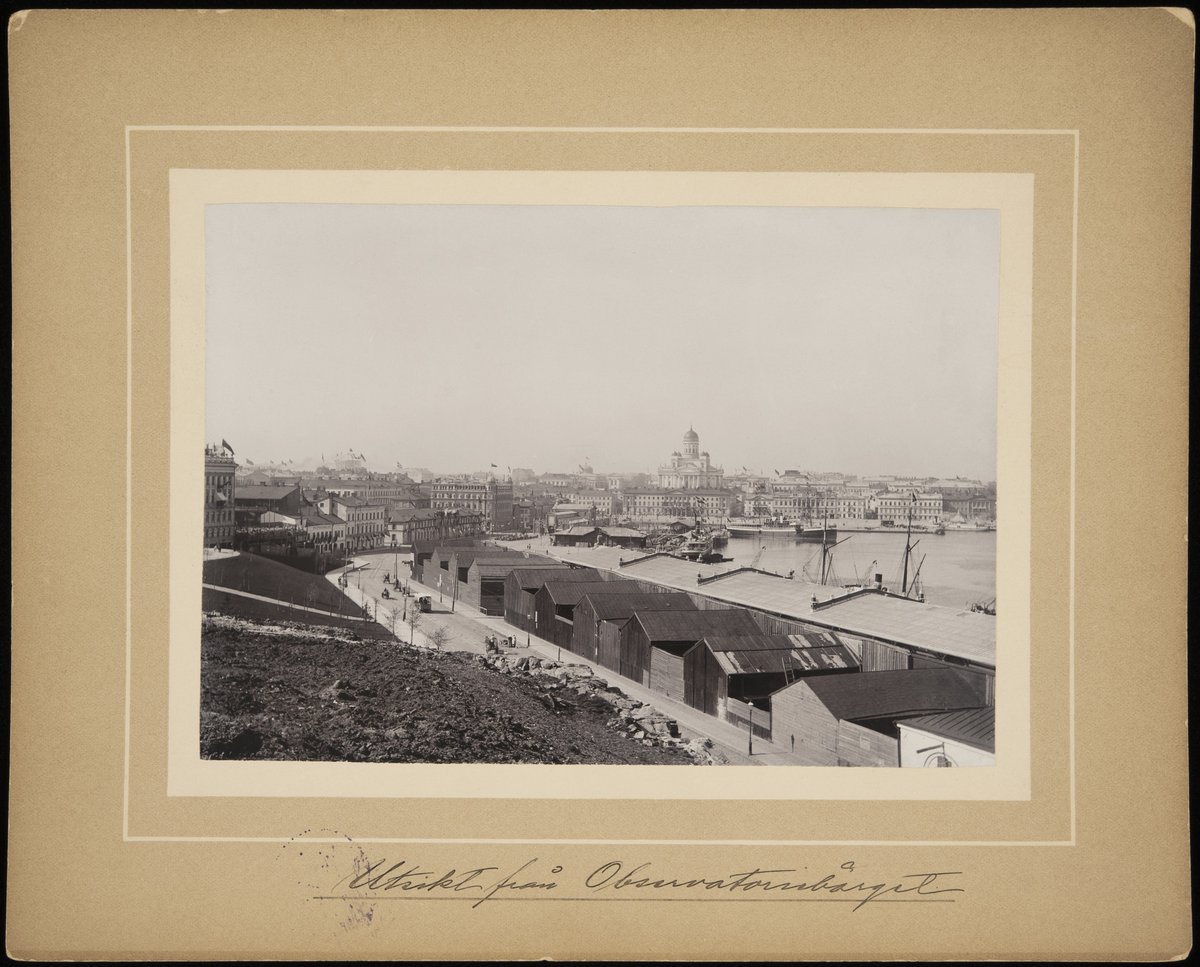
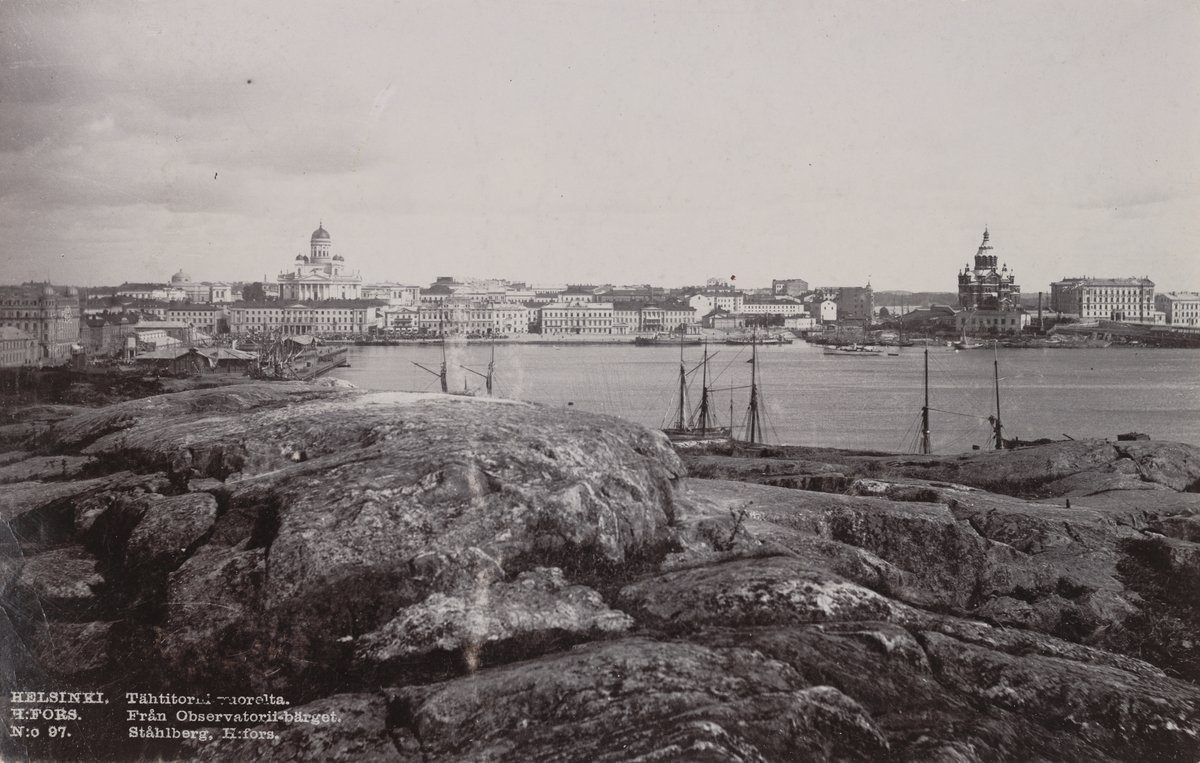
Tähtitorninvuori’s story begins in the Middle Ages as a strategic lookout and beacon hill—known as Kasaberget or Vartiovuori—where warning fires signaled maritime threats along the Gulf of Finland (Wikipedia). The last such signal was recorded in 1740 during the Hat’s War, underlining its defensive role in Helsinki’s origins.
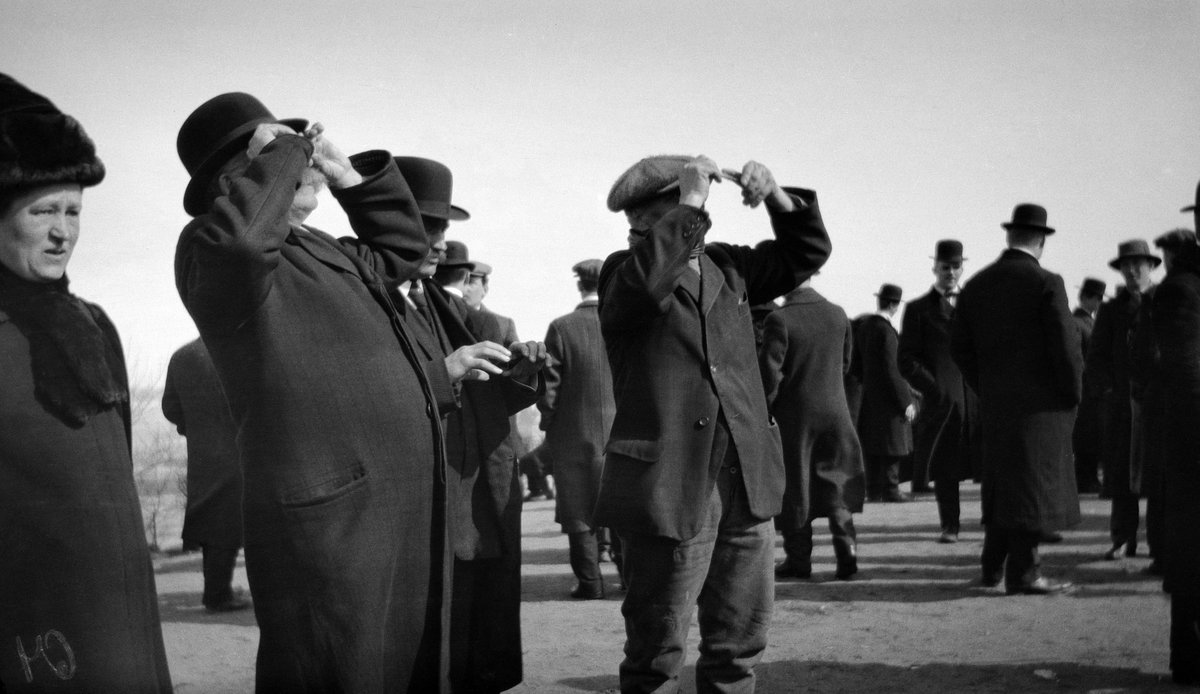
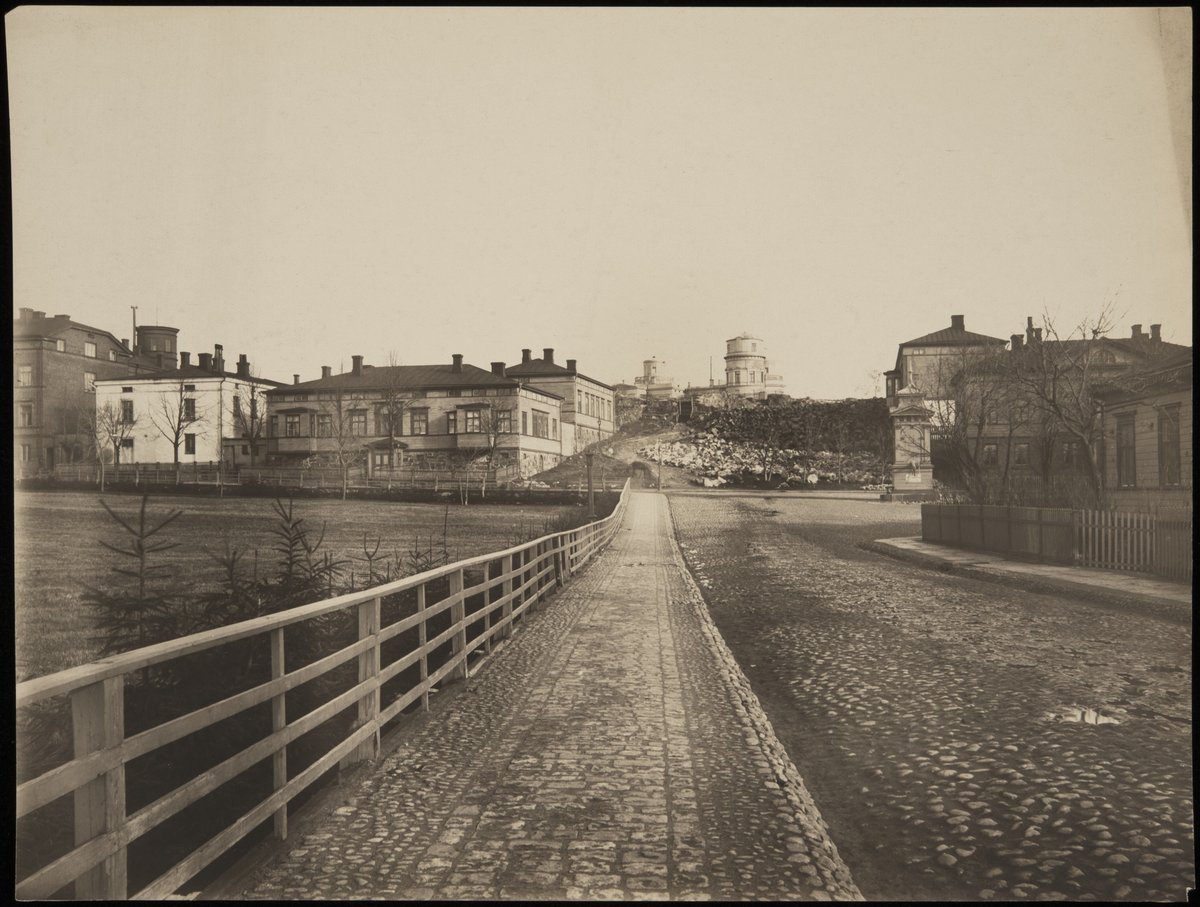
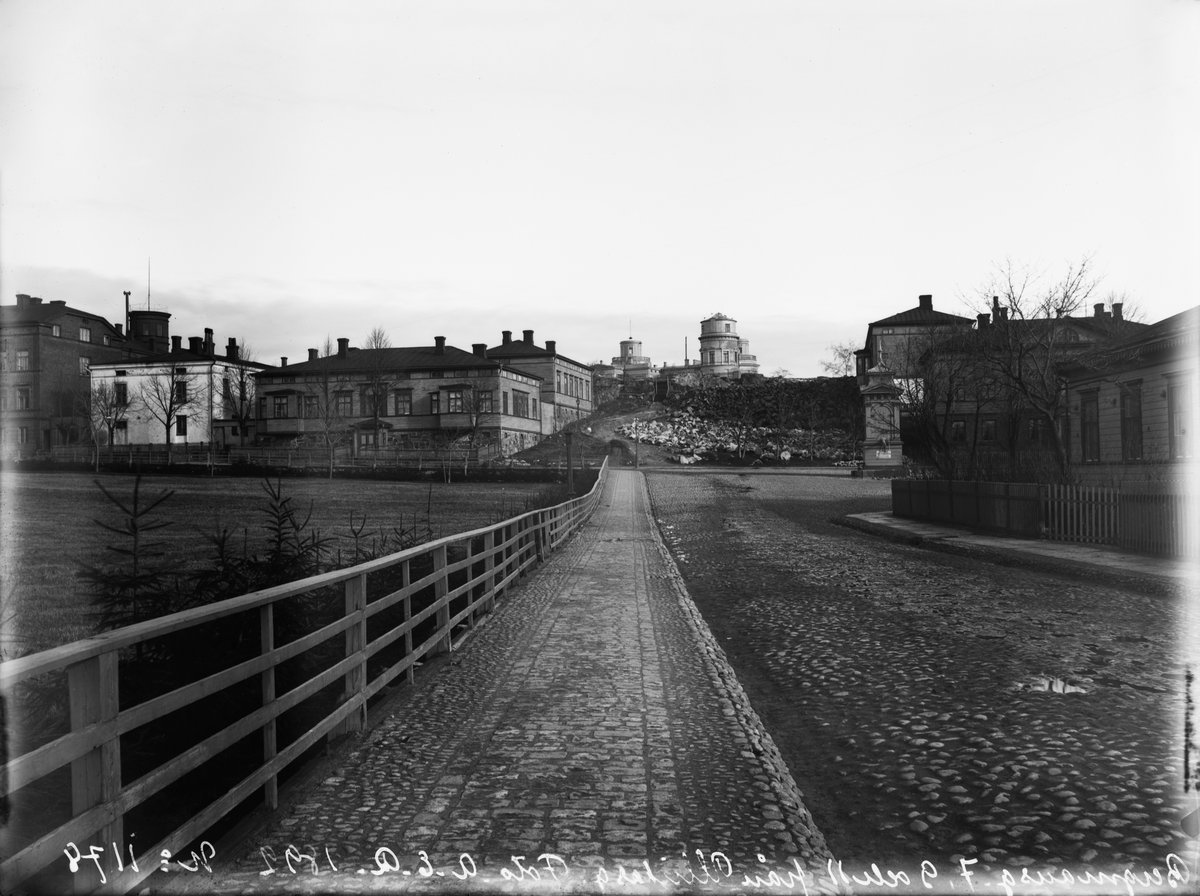
The hill’s transformation into a hub of scientific progress began in the early 19th century. Between 1831 and 1834, the Helsinki University Observatory was constructed atop the summit, designed by Carl Ludvig Engel in collaboration with Professor F. G. W. Argelander. The observatory not only bestowed the name “Tähtitorninvuori” (“Observatory Hill”) but also positioned Helsinki at the forefront of astronomical research. The daily “hat signal” from the observatory’s tower helped residents synchronize their clocks—a symbol of Helsinki’s modernization (Wikipedia, Solsken Design).
Park Development and Urban Identity
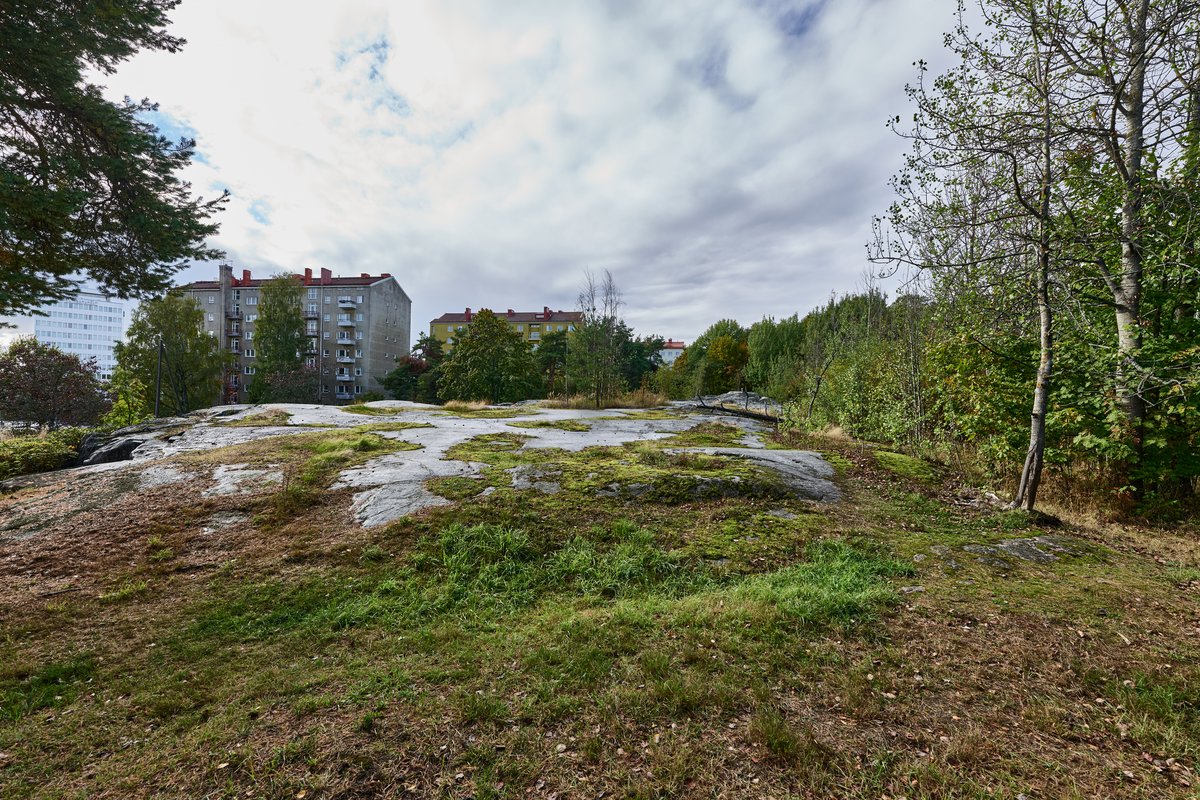
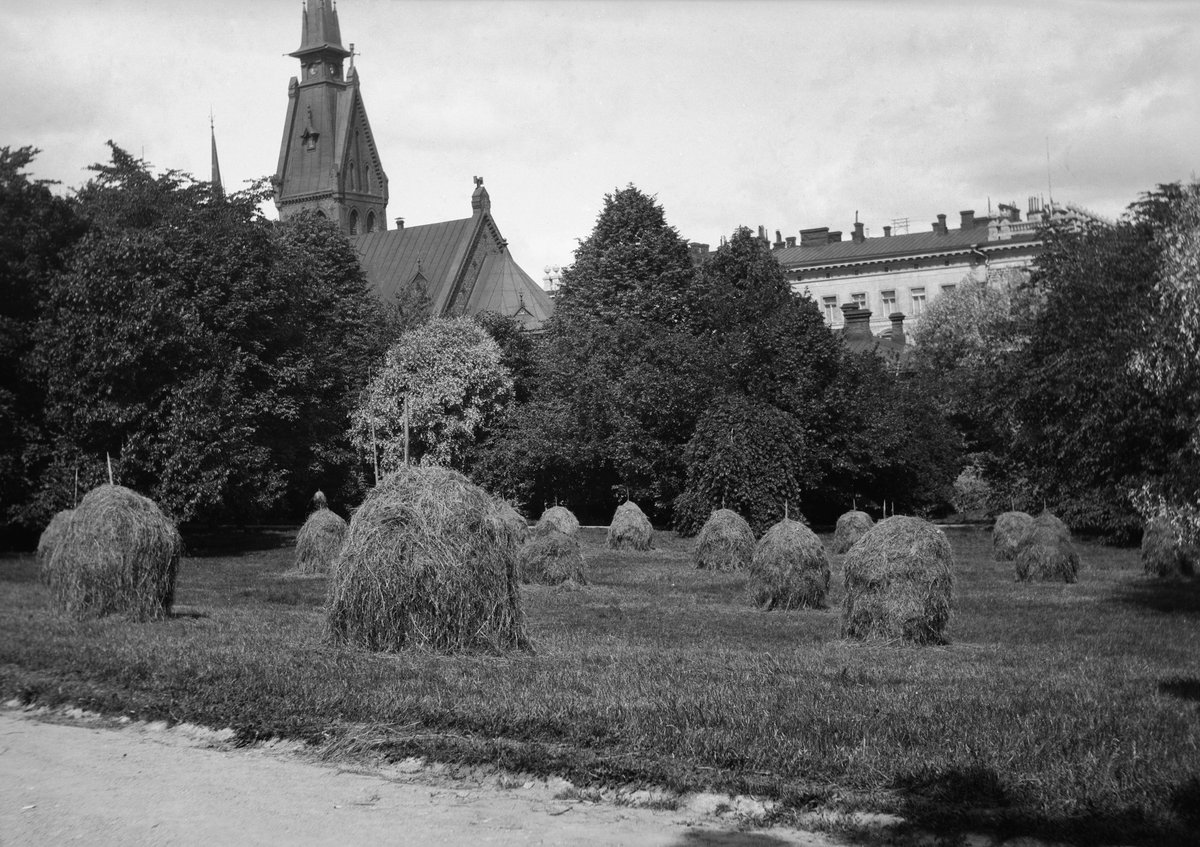
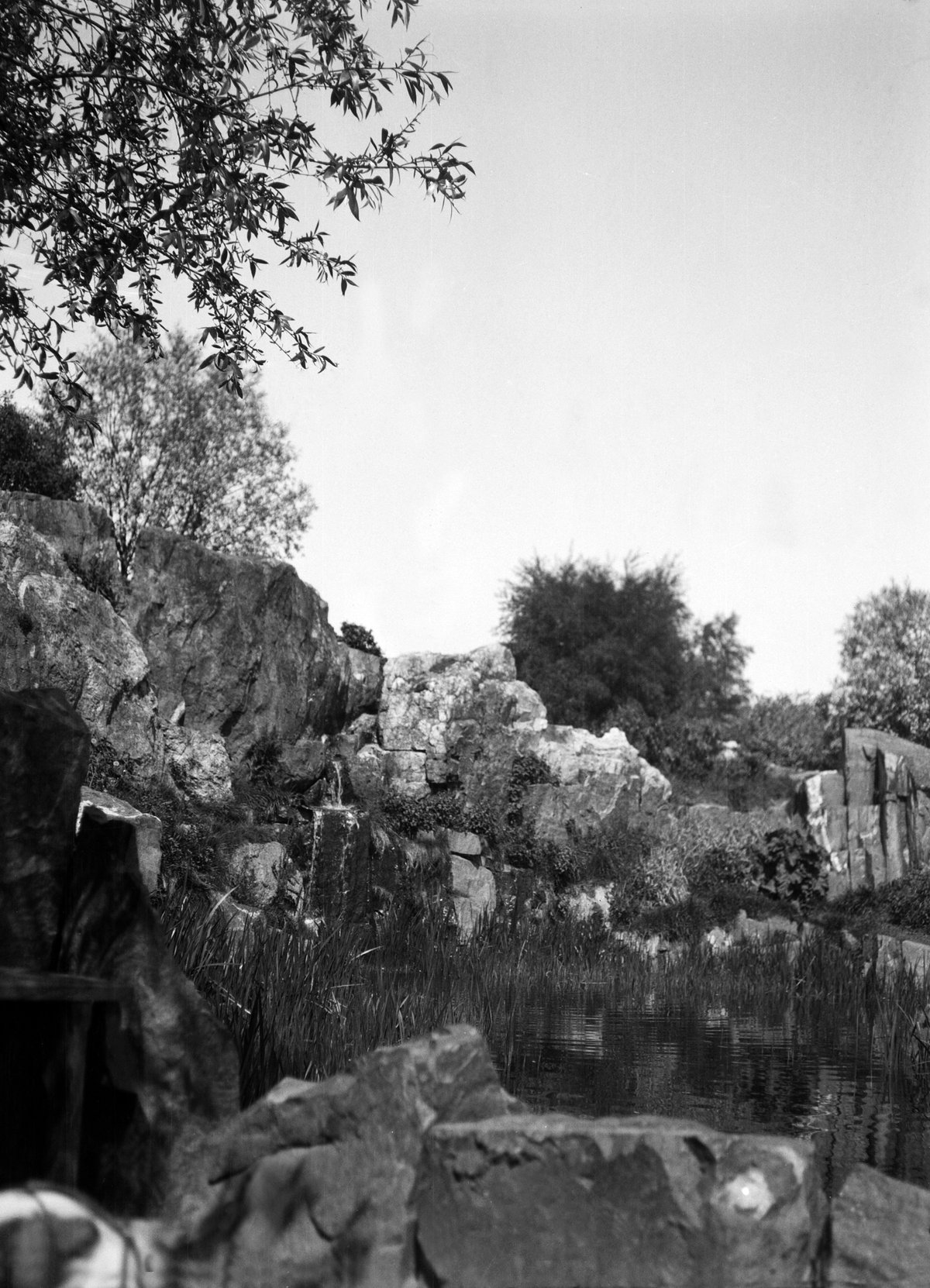
In the late 19th century, city gardener Svante Olsson and later his son Paul reshaped the formerly rocky outcrop into a landscaped urban park, aligning with contemporary European trends of integrating green spaces for recreation and health (Wikipedia). The result is a park that functions as both a social hub and a living symbol of Helsinki’s urban vision. The hill’s names—Tähtitorninvuori (Fi), Observatorieberget (Swe), and local nicknames like Tähtitorninmäki—reflect Helsinki’s bilingual heritage and evolving civic identity.
Visitor Information
Opening Hours
- Tähtitorninvuori Park: Open year-round, accessible from dawn to dusk.
- Helsinki Observatory Museum: Typically open Thursday–Saturday, 12:00–17:00. Hours may vary seasonally and during holidays; always confirm on the official website.
Tickets and Tours
- Park Entry: Free.
- Observatory Museum: General admission is approximately €8 for adults and €5 for students and seniors.
- Guided Tours: Available by advance booking (at least one week ahead), offering access to the historic towers, telescopes, and planetarium. On the second Saturday of each month, a public tour is included in the ticket price (usually in Finnish).
Accessibility
- Park: Mostly paved and gently sloped; suitable for wheelchairs and strollers, though some steeper or uneven sections exist.
- Observatory Museum: Main exhibition areas and rental rooms are wheelchair accessible, but historic towers and the planetarium are not.
Getting There
- Address: Kopernikuksentie, 00140 Helsinki (Ullanlinna district, near South Harbour).
- Public Transport:
- Trams 2 and 3 stop nearby at Aleksanterinkatu.
- Buses also serve the area; check local schedules for Tähtitorninvuorenkatu stop.
- On Foot: A 10-minute walk from Market Square; easily accessible from the city center and ferry terminals.
Cultural and Community Value
Traditions and Public Events
Tähtitorninvuori is a focal point of local tradition, most notably the annual Independence Day flag-raising ceremony held since 1957 on December 6th, featuring choirs and brass bands and broadcast live on national radio (Wikipedia). The park also hosts picnics, seasonal festivals, and community gatherings, reinforcing its status as a social and cultural landmark.
Monuments and Artistic Heritage
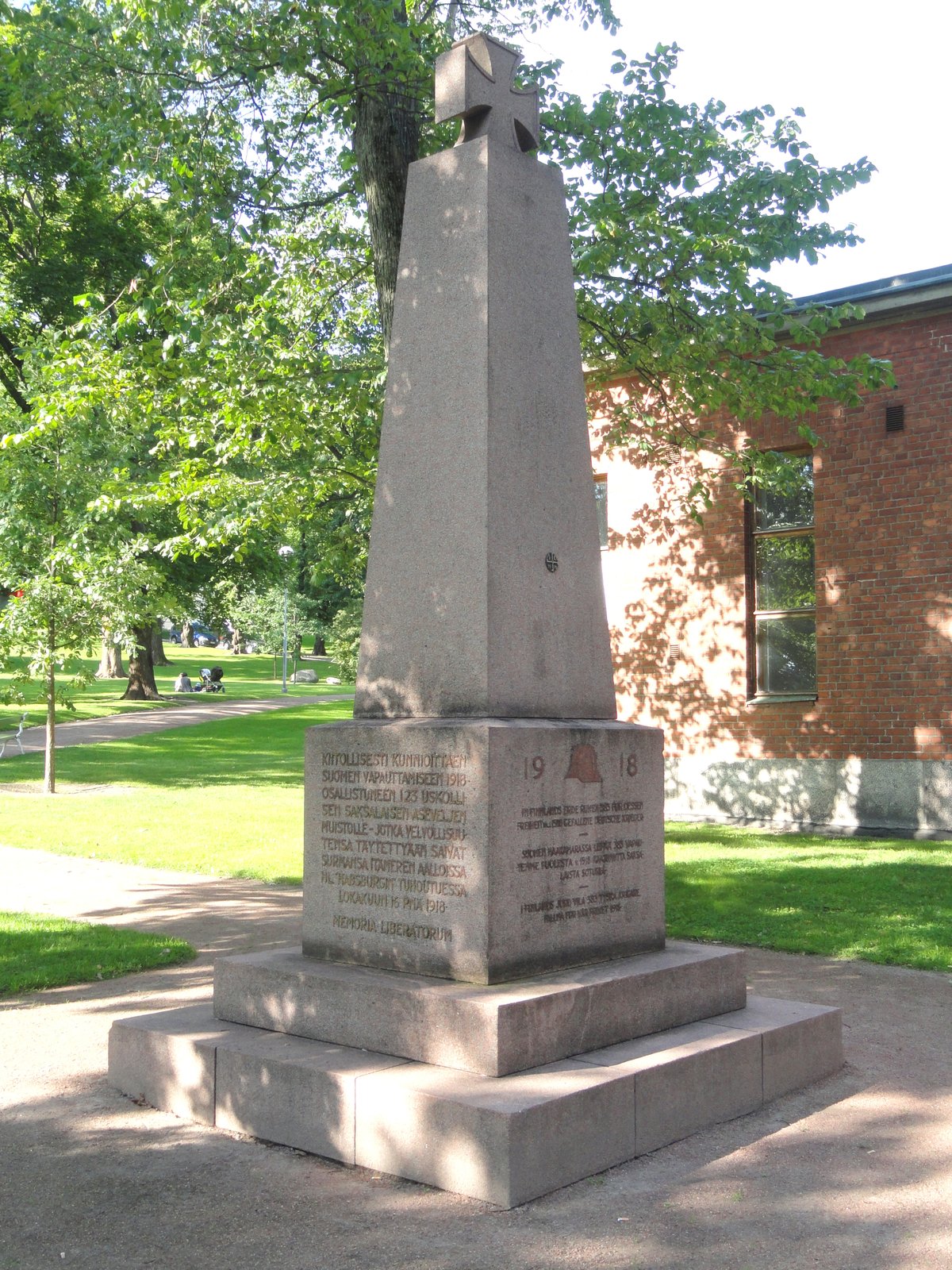
The park is dotted with public sculptures and memorials, such as Robert Stigell’s “Shipwrecked” (Haaksirikkoiset, 1897) on the southern plateau (Solsken Design). These works add depth to the visitor experience and reflect Finnish artistic traditions.
Nature, Urban Ecology, and Seasonal Highlights
Botanical Diversity
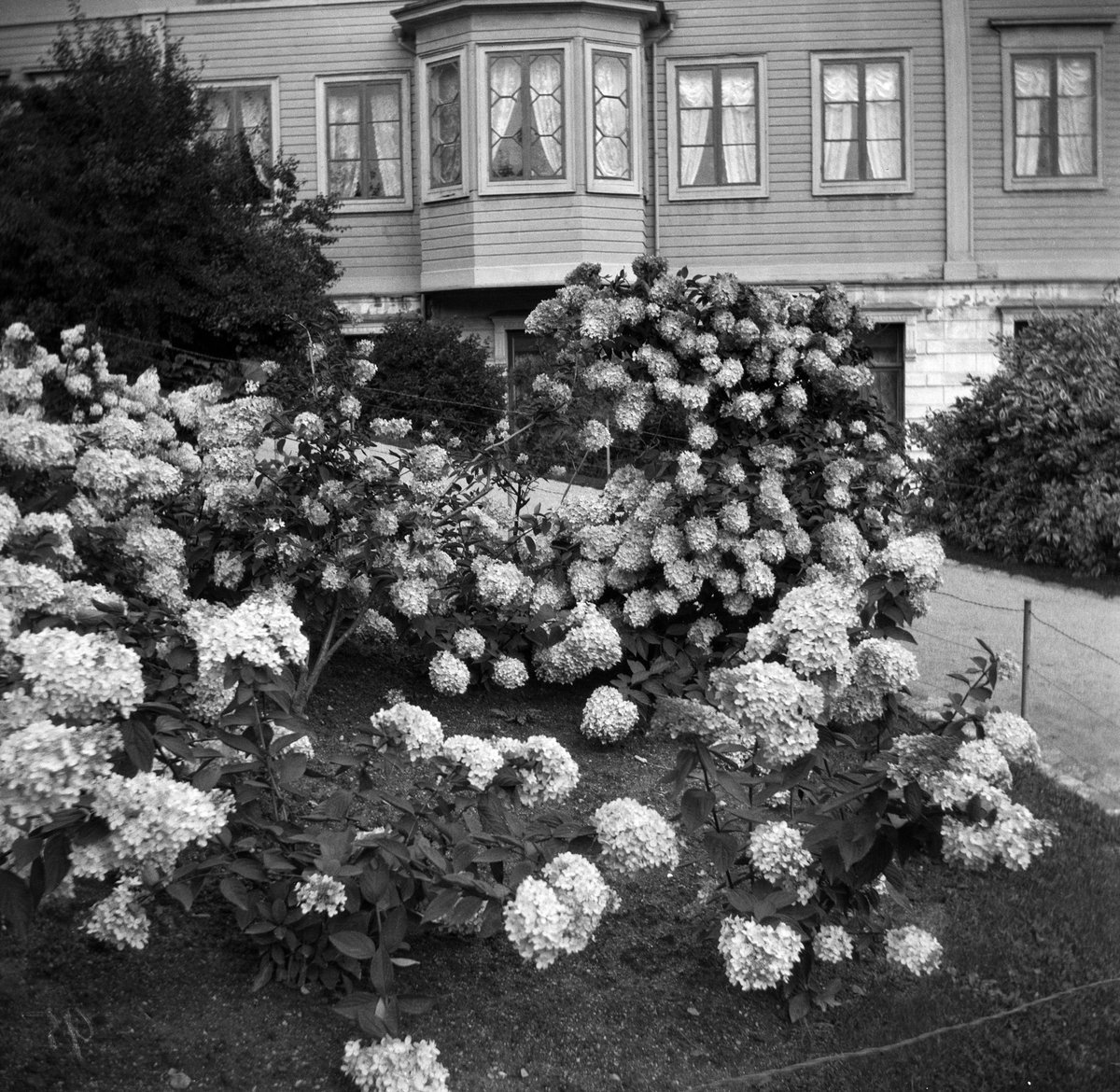
Tähtitorninvuori is renowned for its rich plantings and mature tree canopy. Visitors can find:
- Silver birch (Betula pendula): Symbolic of Finland’s natural heritage.
- Norway maple, linden, horse chestnut: Provide seasonal interest and habitat for wildlife.
- Spring and early summer: Tulips, daffodils, and early-flowering perennials create vibrant displays (Lonely Planet).
- Lawns and open spaces: Support biodiversity through selective mowing, allowing wildflowers and insects to thrive (Kestavyys.hel.fi).
Sustainable Management
The City of Helsinki prioritizes environmental stewardship at Tähtitorninvuori, employing integrated pest management, selective mowing, and careful tree monitoring to preserve both ecological and historical values (Kestavyys.hel.fi). The park contributes to Helsinki’s green network, linking with nearby parks like Kaivopuisto and Kaisaniemi Botanical Garden (Stromma).
Visitor Experience & Travel Tips
- Best Time to Visit:
- Spring (April–June): For flower blooms, photography, and picnics.
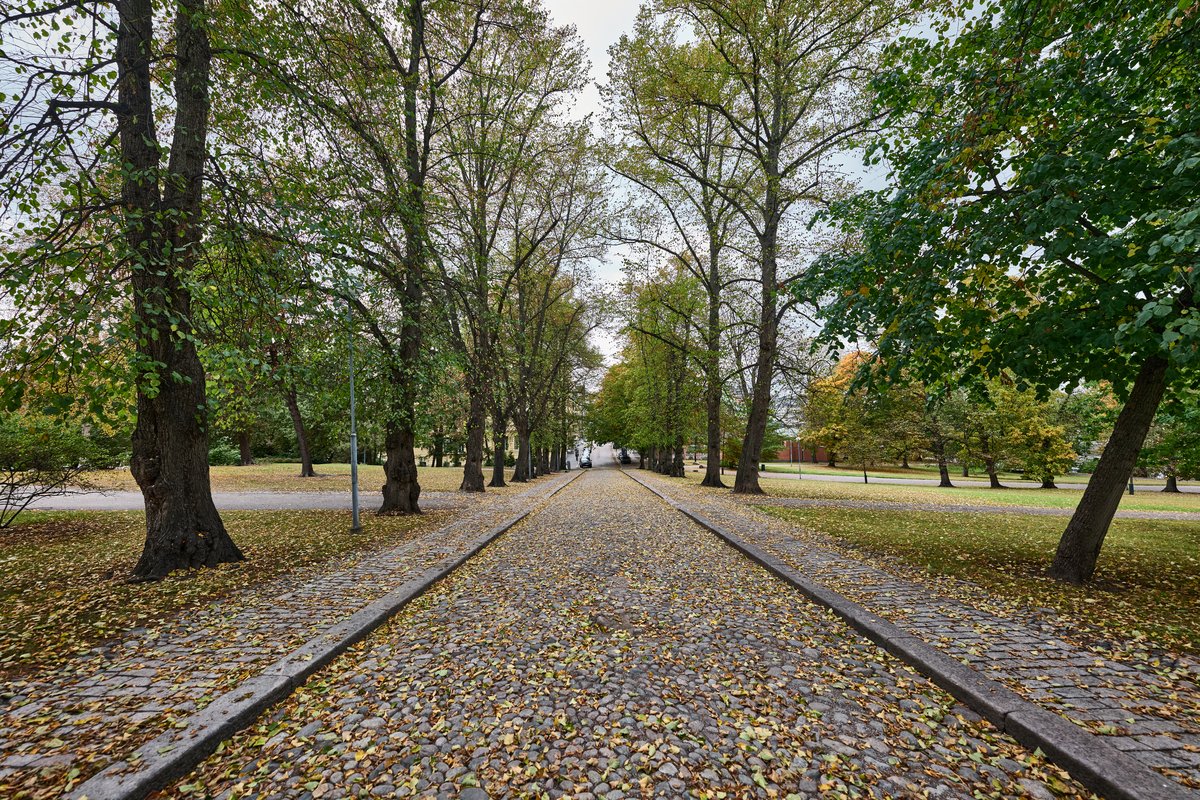
- Autumn: For vibrant foliage and panoramic views.
- Facilities:
- Benches, picnic spots, and well-maintained paths throughout the park.
- Observatory café and gift shop (open during special events).
- Nearby Attractions:
- Market Square, Esplanadi Park, the German Church, and ferry terminals to Suomenlinna.
- Travel Tips:
- Wear comfortable shoes and dress for the weather.
- Early mornings and weekdays are usually quieter.
- Combine your visit with guided tours or special events for a deeper experience.
- Check Helsinki Tourist Information for updates.
FAQ
Q: What are Tähtitorninvuori’s opening hours?
A: The park is open daily, year-round, from dawn to dusk. Observatory Museum hours are generally Thursday–Saturday, 12:00–17:00. Always check the official website before your visit.
Q: Is there an entrance fee?
A: Park entry is free. Observatory Museum admission is approximately €8 for adults and €5 for students/seniors.
Q: Are guided tours available?
A: Yes—book at least one week in advance via the Helsinki University Museum Flame website. A public guided tour is included with the ticket on the second Saturday each month.
Q: Is Tähtitorninvuori accessible for people with disabilities?
A: The park’s main paths are accessible for wheelchairs and strollers, but some terrain is steep. The Observatory’s main exhibition areas are accessible, though the towers and planetarium are not.
Q: How do I get there?
A: Tähtitorninvuori is a 10-minute walk from Market Square. Trams 2 and 3, as well as several buses, stop nearby.
Listen to the full story in the app
The whole Tähtitorninvuori,
told well.
Audio guides for 1,100+ cities across 96 countries. History, stories, and local insight — offline ready.
Verified, and shown.
Researched and written by the Audiala editorial team from historical records, architectural archives, and local expertise.
Researched from Wikidata, Wikipedia & official sources · fact-checked · How we make our guides →