Introduction to Suomenlinna Church and Its Historical Significance
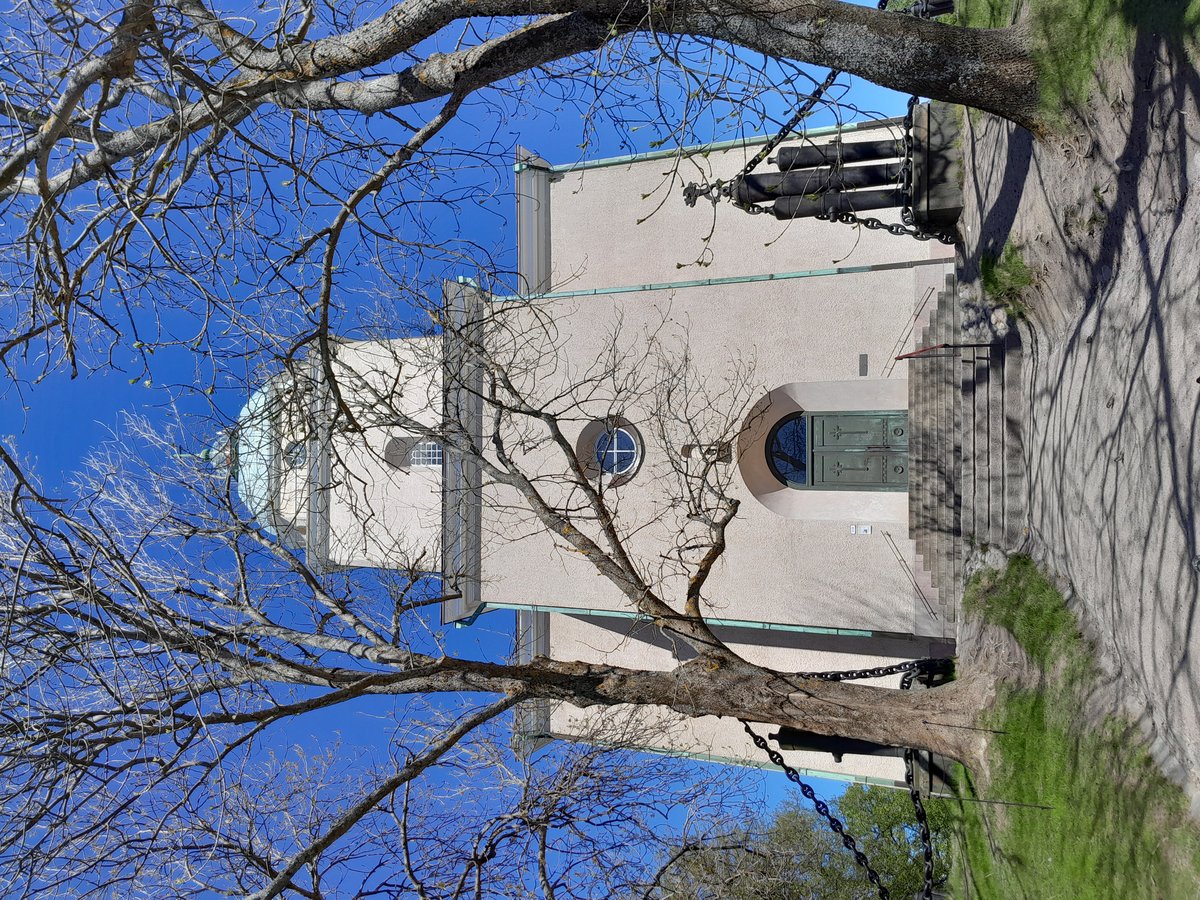
Rising above the sea on the UNESCO World Heritage-listed Suomenlinna fortress island near Helsinki, Finland, Suomenlinna Church is an emblematic site reflecting the nation’s layered history, architectural transformation, and maritime tradition. Originally built in 1854 as an Eastern Orthodox garrison church for Russian troops, its striking onion domes and ornate interior, designed by renowned architect Konstantin Thon, revealed the Russian imperial presence during Finland’s time as a Grand Duchy of Russia. Following Finland's independence in 1917, the church transitioned into an Evangelical Lutheran parish, with subsequent renovations in the 1920s—overseen by Einar Sjöström and Jarl Eklund—removing the Orthodox domes and reimagining the structure in a classicist style that aligned with Finnish identity.
Uniquely, the church also functions as a lighthouse, its tower beacon flashing Morse code “H” (for Helsinki), guiding ships and aircraft into the harbor. This dual-purpose role deepens the church’s significance as both a spiritual sanctuary and an essential navigational aid. Today, visitors can reach Suomenlinna Church easily by ferry from Helsinki’s Market Square, enjoying an accessible and panoramic journey into Finnish history and culture.
Beyond its historical and architectural importance, the church remains a vibrant community hub for services, concerts, and cultural events. Travelers seeking a blend of history, architecture, maritime tradition, and breathtaking views will find Suomenlinna Church an essential Helsinki experience (Finnish Architecture; Wikipedia; Suomenlinna.fi; MyHelsinki).
Photo Gallery
Explore Suomenlinna Church in Pictures
Scenic view of Suomenlinna fortress, a historic sea fortress and popular tourist attraction located in Helsinki, Finland, showcasing its stone fortifications and surrounding water.
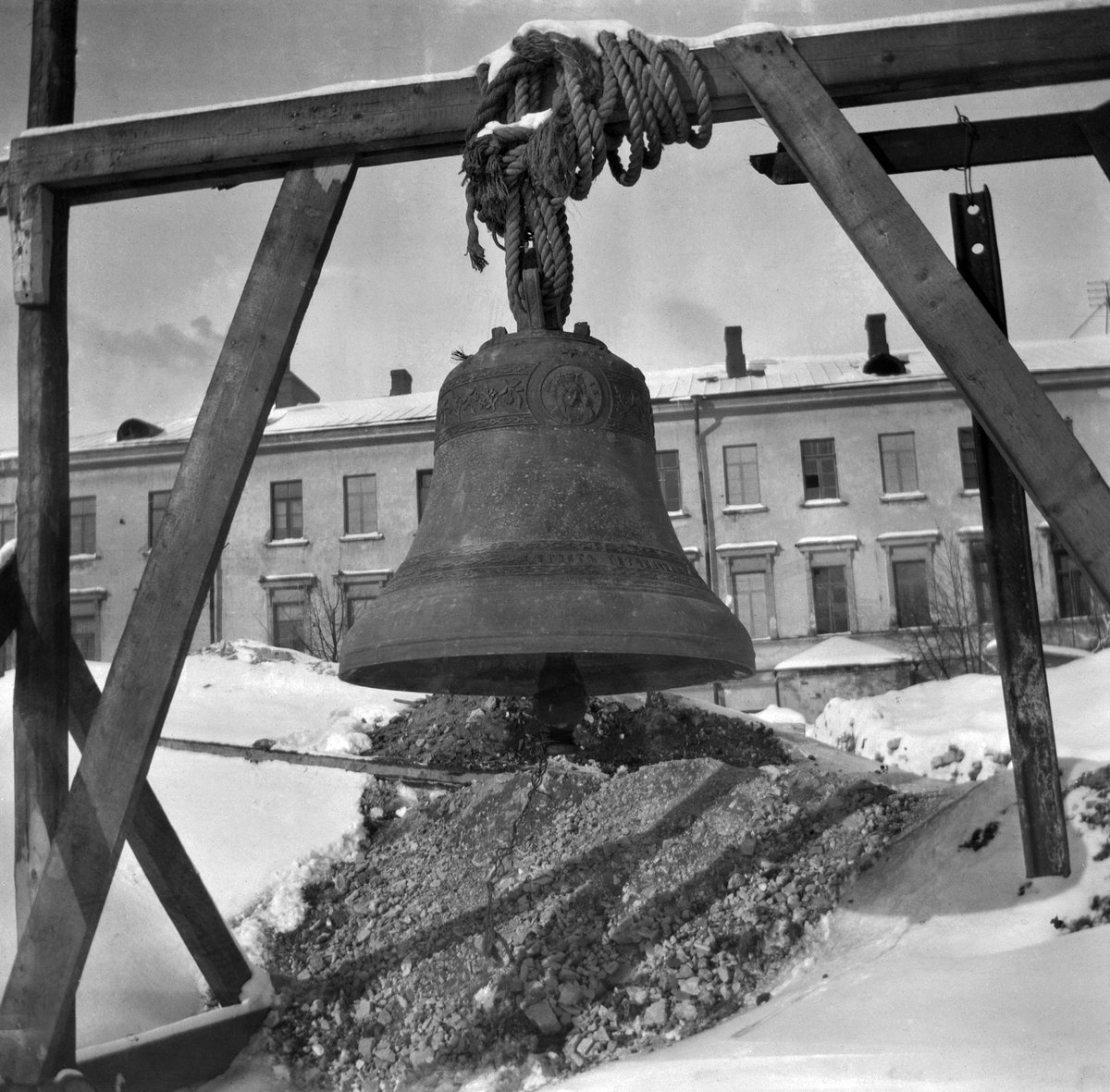
Historical black and white photo showing the removed church bell from Alexander Nevsky Cathedral's bell tower exhibited on the parade ground of Suomenlinna Iso Mustasaari in 1920.
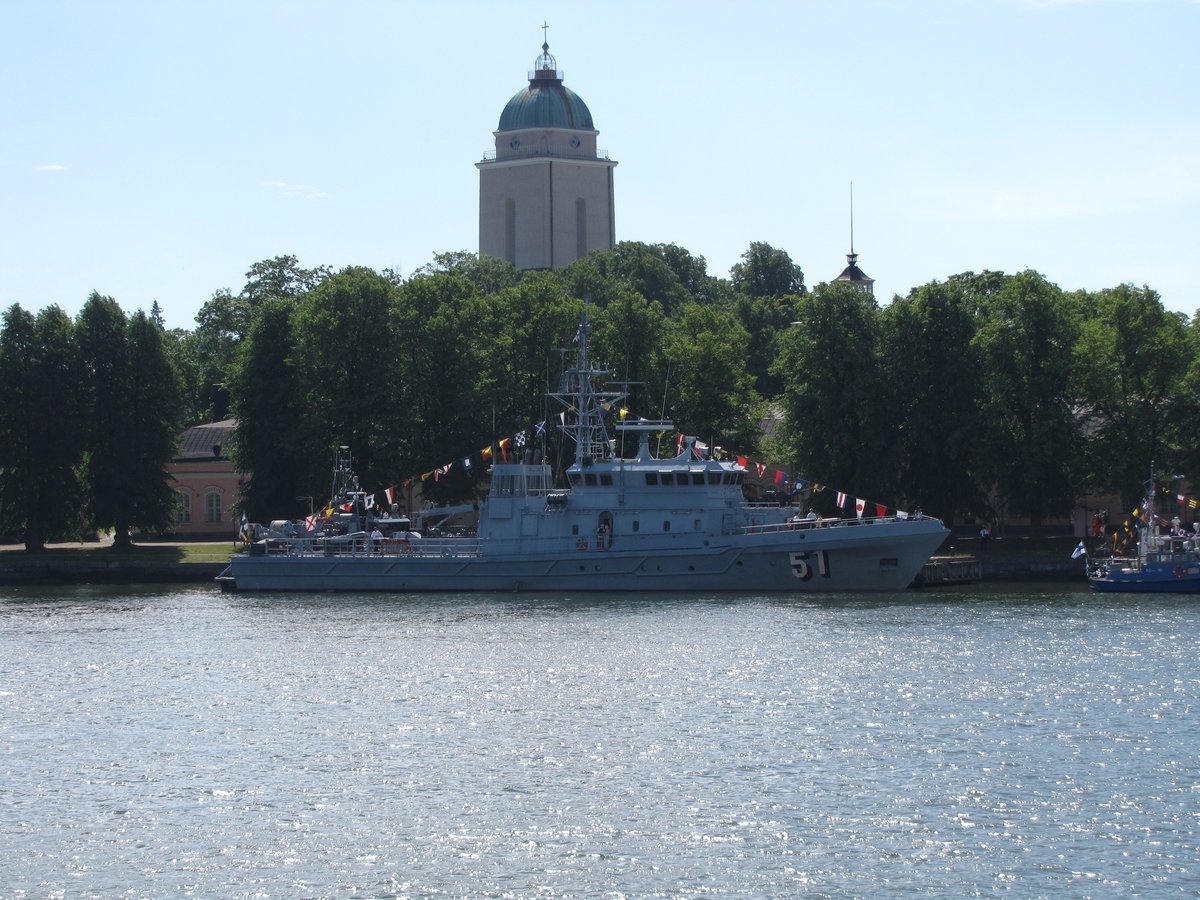
Finnish patrol craft Kurki 51 decorated with flags and festive adornments in Suomenlinna harbor during Finnish Navy anniversary celebrations
Orthodox Origins
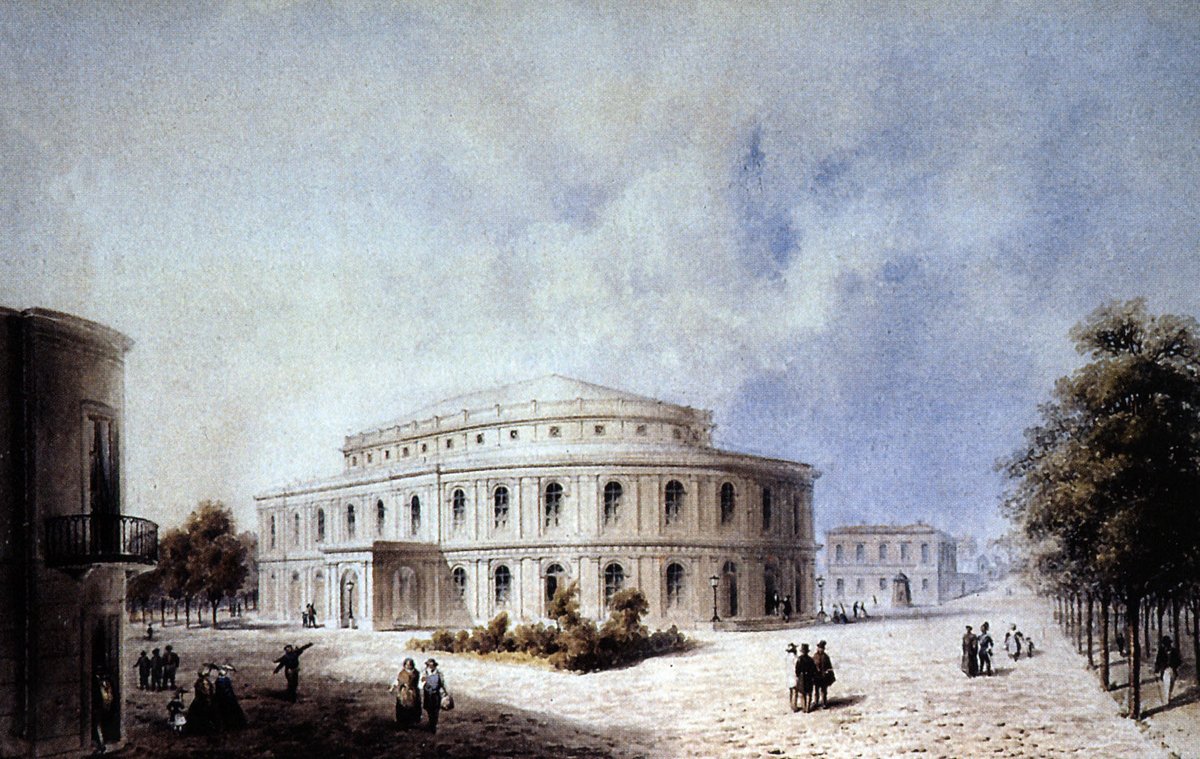
Suomenlinna Church was constructed in 1854 as the Orthodox garrison church for Russian troops stationed at the fortress, then known as Viapori. Designed by Konstantin Thon, famed for ecclesiastical and imperial works across Russia, the church originally featured five onion domes and a lavishly decorated interior, embodying both religious and political authority. Positioned at the island’s highest point, the church was a prominent symbol of Russian influence, visible to ships approaching Helsinki (Finnish Architecture; Wikipedia).
Transition to Lutheranism and Independence
The Russian Revolution and Finland’s independence in 1917 marked a turning point. The Russian garrison departed, and in 1918 the church was consecrated as an Evangelical Lutheran church, reflecting Finland’s new cultural and religious identity (Finnish Architecture). This conversion included significant architectural changes: removal of the onion domes, a simpler facade, and a stripped-back interior, aligning with Lutheran sensibilities and marking a conscious “Finnicization” of the building.
1920s Architectural Modernization
In the 1920s, the church underwent further modernization. A competition in 1922 led to Einar Sjöström’s winning design, favoring a restrained classicist style popular in Finland at the time. Delays meant the final renovations, completed by Jarl Eklund after Sjöström’s death, gave the church its current understated silhouette with a single dome and classicist exterior (Finnish Architecture). The transformation reflects Finland’s assertion of national identity amid broader cultural shifts.
The Church as a Lighthouse
Since 1929, the church’s central dome has doubled as a lighthouse, emitting four flashes—the Morse code “H” for Helsinki—to guide sea and air traffic. This rare combination of spiritual and functional roles is a distinctive feature among European churches, underscoring Suomenlinna’s maritime context and the adaptability of its architecture (Finnish Architecture; Suomenlinna.fi).
Visitor Information
Visiting Hours and Tickets
- Summer (May–September): Open daily from 10:00 AM to 5:00 PM.
- Winter (October–April): Limited hours, typically weekends only or by appointment. Always check the official Suomenlinna website or MyHelsinki for the latest schedule.
- Admission: Free entry; donations appreciated.
- Guided Tours: Available seasonally, often for a fee. Book via the Suomenlinna Visitor Centre or online.
Getting There
- Ferry: The only access is by ferry from Helsinki’s Market Square (Kauppatori), departing every 15–30 minutes. The journey takes 15–20 minutes. HSL public transport tickets are valid for the ferry (Ecksplorer; Stromma).
- Location: The church is on Iso Mustasaari, a short, well-signposted walk from the ferry dock.
Accessibility
- Wheelchair accessible via ramps and paved paths from the ferry terminal. Some fortress areas have cobblestones; visitors with mobility needs should plan accordingly.
- Restrooms are available nearby.
- Free maps and accessibility information can be found at the Visitor Centre.
Guided Tours and Events
- Seasonal guided tours focus on the church’s history, architecture, and lighthouse function.
- The church hosts organ recitals, concerts, and community events, especially in summer. Check the Suomenlinna events calendar for details.
Nearby Attractions & Tips
- Explore other Suomenlinna highlights: the King’s Gate, Great Courtyard, Dry Dock, Kustaanmiekka Bastion, museums (including the Suomenlinna Museum and Submarine Vesikko), art galleries, and cafes (Discovering Finland).
- Wear comfortable shoes; weather on the islands is often windier and cooler than central Helsinki.
- Allocate at least two hours for a comprehensive visit.
Preservation and Contemporary Role
Suomenlinna Church is a protected monument under the Finnish Heritage Agency and part of the UNESCO World Heritage Suomenlinna fortress (UNESCO). Restoration efforts in the 1960s, 1980s, and 1990s have ensured its structural integrity and preserved its historical character (Wikipedia). The church remains active as a parish and community space, hosting regular services, weddings, and cultural events, and serving as a living symbol of Helsinki’s and Finland’s evolving identity.
Symbolism and Identity
The church’s journey—from Russian Orthodox origins, through Finnish independence, to its present Lutheran role—mirrors the broader trajectory of Finnish national identity. Its transformation, both architecturally and functionally, stands as a deliberate assertion of Finnish culture after centuries of foreign rule (Vive Finlandia). The church also symbolizes the integration of spiritual, civic, and maritime life within the unique context of Suomenlinna.
Frequently Asked Questions (FAQ)
Q: What are the visiting hours for Suomenlinna Church?
A: Open daily 10:00 AM–5:00 PM in summer; limited winter hours. Always confirm on the official website.
Q: Is there an entry fee?
A: No, entry is free. Donations are welcome.
Q: Are guided tours available?
A: Yes, seasonally. Book through the Visitor Centre.
Q: How do I get to Suomenlinna Church?
A: By ferry from Helsinki’s Market Square. The church is a short walk from the dock.
Q: Is the church wheelchair accessible?
A: Yes, with accessible routes from the ferry.
Q: Does the church function as a lighthouse?
A: Yes, the tower beacon flashes Morse code “H” for Helsinki, serving both sea and air navigation.
Listen to the full story in the app
Your Personal Curator, in Your Pocket.
Audio guides for 1,100+ cities across 96 countries. History, stories, and local insight — offline ready.
Audiala App
Available on iOS & Android
Join 50k+ Curators
Sources
- verified
- verified
- verified
- verified
- verified
- verified
- verified
- verified
Last reviewed: