Plan and listen to Paavo Nurmi Statue with Audiala.
Audio guide in your pocket, itinerary in your browser. Built for the way you actually visit.
Introduction: The Paavo Nurmi Statue’s Significance in Helsinki
The Paavo Nurmi Statue stands as a powerful tribute to Finland’s legendary runner, Paavo Nurmi, and is a cornerstone of Finnish cultural and sporting heritage. Created in 1925 by the celebrated sculptor Wäinö Aaltonen, the bronze statue immortalizes Nurmi—dubbed the “Flying Finn”—in a dynamic stride that reflects both classical Greek ideals and the modernist aspirations of early 20th-century Finland (Helsinki Art Museum). Situated at the entrance of the Helsinki Olympic Stadium, this monument is freely accessible and attracts visitors year-round who are interested in art, sports history, and Finnish culture (Visit Helsinki). Replicas in Turku, Jyväskylä, and Lausanne, Switzerland, attest to Nurmi’s international legacy and the statue’s enduring symbolic resonance (Wikipedia).
This guide provides an in-depth look at the statue’s origins, artistic meaning, practical visitor information, and nearby attractions to help you plan a memorable visit.


Historical Background
Origins of the Paavo Nurmi Statue
Commissioned in the wake of Nurmi’s outstanding performance at the 1924 Paris Olympics, the Paavo Nurmi Statue was sculpted by Wäinö Aaltonen, who sought to capture not only Nurmi’s athletic prowess but also the spirit of a young and independent Finland (paavonurmi.fi). Originally displayed at the Ateneum Art Museum, the statue has since been cast in prominent locations in Helsinki, Turku, Jyväskylä, and Lausanne (Wikipedia; HAM Helsinki).
Paavo Nurmi: The Man Behind the Monument
Paavo Johannes Nurmi (1897–1973) was a pioneering middle- and long-distance runner who amassed nine Olympic gold medals and set 22 world records (Olympic.org). Known for his innovative training and use of pacing, Nurmi’s legacy influenced athletics worldwide (paavonurmi.fi).
The Statue’s Evolution: Artistry & Symbolism
Commissioning and Artistic Vision
Aaltonen’s vision for the statue combined classical Greek aesthetics with modernist dynamism. Nurmi is depicted nude except for running shoes, referencing ancient Olympic ideals and symbolizing purity, resilience, and Finnish “sisu”—a spirit of determination (Finnish National Gallery). The 2.1-meter-tall bronze figure stands on a granite pedestal, its pose conveying perpetual motion and disciplined athleticism (Helsinki Art Museum).
Replicas and International Presence
The statue’s journey is marked by several authorized casts:
- Helsinki Olympic Stadium: The most famous, installed in 1952 for the Helsinki Olympics, now a central landmark (HAM Helsinki).
- Ateneum Art Museum, Helsinki: Home to the original 1925 cast (Wikipedia).
- Turku: Unveiled in Nurmi’s hometown in 1955 (Everything Explained Today).
- University of Jyväskylä: Final authorized cast, installed in 2001 on the Seminaarinmäki campus.
- Olympic Museum, Lausanne: Donated in 1994, symbolizing Nurmi’s global impact.
Miniature replicas were produced in the 1950s to fund sports facilities, and the statue’s image has graced Finnish currency, stamps, and official Olympic posters (Wikipedia).
Visiting the Paavo Nurmi Statue: Key Details
Location and Accessibility
Address: Paavo Nurmen tie 1, 00250 Helsinki, at the main entrance of the Helsinki Olympic Stadium (PlanetWare).
Getting There: Easily reached by tram (lines 2 and 4), bus, bike, or on foot. Tram stops “Ooppera” and “Töölön halli” are nearby.
Accessibility: The area features wheelchair-friendly paths, ramps, and accessible stadium facilities.
Visiting Hours and Admission
- Statue Access: Open 24/7, year-round, with free admission.
- Olympic Stadium & Museum Tours: Check stadion.fi for tour and museum opening hours.
Guided Tours and Visitor Tips
- Tours: Guided stadium tours include the Paavo Nurmi Statue and can be booked online (Stadion.fi).
- Tips: Visit early morning or late afternoon for optimal photography. Summer offers long daylight, while winter provides a unique snowy backdrop.
Facilities and Amenities
- Restrooms: Available during stadium opening hours.
- Café & Shop: On-site for refreshments and souvenirs.
- Wi-Fi: Public Wi-Fi is accessible in the stadium and surrounding park.
Nearby Attractions
- Helsinki Olympic Stadium: Tour the historic venue or climb the tower for panoramic city views.
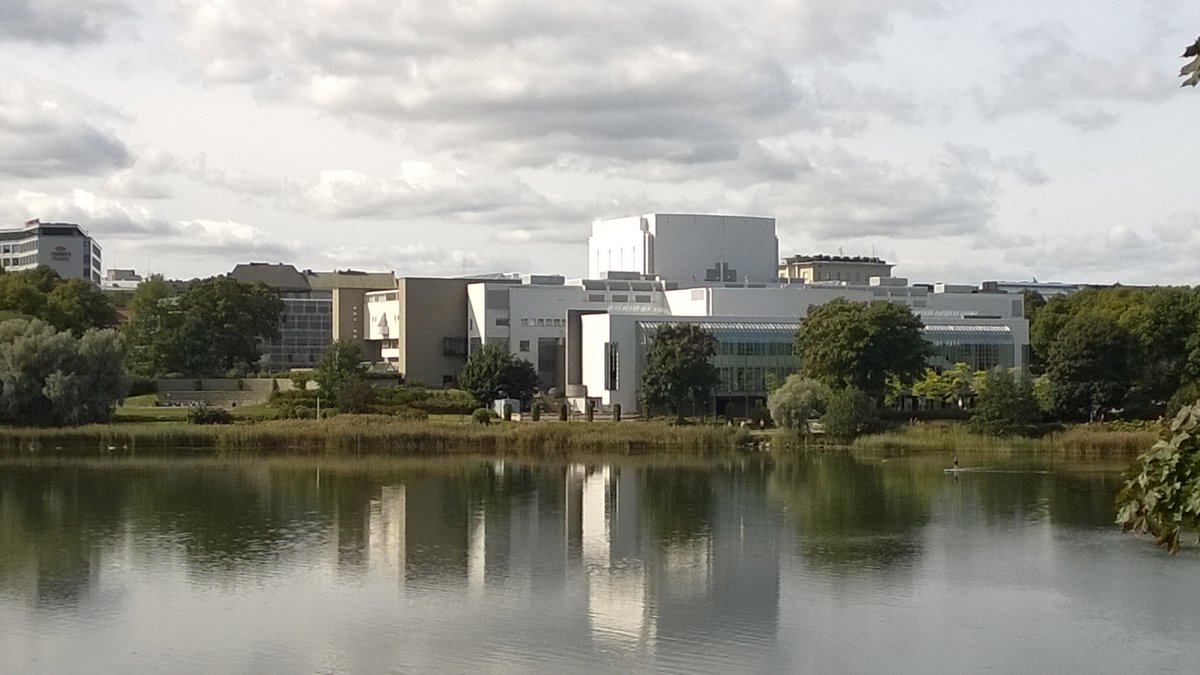
- Finlandia Hall: Iconic modernist architecture nearby.
- Töölö Bay: Scenic walking and cycling trails.
- Ateneum Art Museum: Houses the original Nurmi cast (check exhibition schedule).
- Sibelius Monument: Tribute to composer Jean Sibelius, within walking distance.
- Linnanmäki Amusement Park: Family-friendly entertainment close by.
The Statue in Finnish Memory and Popular Culture
The Paavo Nurmi Statue is deeply woven into Finland’s national narrative. Its image features on banknotes and stamps, and it is a focal point during major sporting events such as the annual Paavo Nurmi Games (Paavo Nurmi Games). The statue’s nudity, initially controversial, is now celebrated as a symbol of Finnish resilience and pride (Featuring Finland).
Frequently Asked Questions (FAQ)
Q: What are the visiting hours of the Paavo Nurmi Statue?
A: The statue is accessible outdoors 24 hours a day, year-round.
Q: Is there an admission fee or ticket required?
A: No, visiting the statue is free.
Q: Are there guided tours available?
A: Yes, guided tours of the Helsinki Olympic Stadium include the statue (Stadion.fi).
Q: Is the statue wheelchair accessible?
A: Yes, the statue and surrounding areas are wheelchair accessible.
Q: Are there replicas of the statue elsewhere?
A: Yes, in Turku, University of Jyväskylä, Ateneum Art Museum, and the Olympic Museum in Lausanne.
Q: What other attractions are near the statue?
A: The Finlandia Hall, Töölö Bay, Ateneum Art Museum, Sibelius Monument, and Linnanmäki Amusement Park.
Summary Table: Full-Size Paavo Nurmi Statues
| Location | Year Installed | Notes |
|---|---|---|
| Helsinki Olympic Stadium | 1952 | Most visited; installed for the 1952 Games |
| Ateneum Art Museum, Helsinki | 1925 | Original cast; exhibition-dependent access |
| Turku (Itäinen Rantakatu) | 1955 | In Nurmi’s hometown |
| University of Jyväskylä | 2001 | Final authorized cast |
| Olympic Museum, Lausanne | 1994 | Gift to the IOC |
Practical Tips for Visitors
- Dress appropriately for Helsinki’s weather.
- For a quieter visit, avoid major stadium event days.
- Respect the monument—do not climb or deface the statue.
- Combine your visit with other nearby historical sites.
- Download the Audiala app for exclusive tours and up-to-date guides.
Listen to the full story in the app
The whole Paavo Nurmi Statue,
told well.
Audio guides for 1,100+ cities across 96 countries. History, stories, and local insight — offline ready.
Verified, and shown.
Researched and written by the Audiala editorial team from historical records, architectural archives, and local expertise.
Researched from Wikidata, Wikipedia & official sources · fact-checked · How we make our guides →