Plan and listen to National Archives Of Finland with Audiala.
Audio guide in your pocket, itinerary in your browser. Built for the way you actually visit.
Introduction: Unlocking Finland’s Past
Located at the heart of Helsinki, the National Archives of Finland stands as a crucial guardian of the nation’s documentary heritage. Founded in 1816, during Finland’s era as an autonomous Grand Duchy under the Russian Empire, the Archives have evolved into an indispensable institution preserving the records that illuminate Finland’s journey from medieval times to the present (National Archives of Finland). Housed in a striking Neo-Renaissance building designed by Karl Gustaf Nyström and completed in 1891, the Archives are a testament to Finland’s dedication to transparency, education, and cultural identity (Avontuura – Helsinki Architecture).
Ideally situated in the historic Kruununhaka district, within easy reach of landmarks like the University of Helsinki and Helsinki Cathedral, the National Archives is a destination for history enthusiasts, genealogists, researchers, and travelers alike. With free public access, specialized research facilities, digital platforms, and a commitment to accessibility and sustainability, the Archives offer an immersive experience into Finnish heritage (MyHelsinki, Heritage Research Hub).
This guide provides all essential details for your visit, including opening hours, ticketing, research opportunities, accessibility, nearby attractions, and practical travel tips.
Historical Development & Architectural Significance
Foundations and Growth
Established in 1816 as the Archives of the Senate of Finland, the institution’s original role was to preserve Senate records after the country’s transition to autonomy following the Finnish War (1808–1809). Over time, the Archives’ remit expanded to include documents from governmental, judicial, and private sources, chronicling Finland’s governance, society, and culture. The Archives played a pivotal role during Finland’s independence in 1917 and today house millions of documents, photographs, maps, and audiovisual materials, some dating back to the 14th century (National Archives of Finland).
Neo-Renaissance Landmark in Kruununhaka
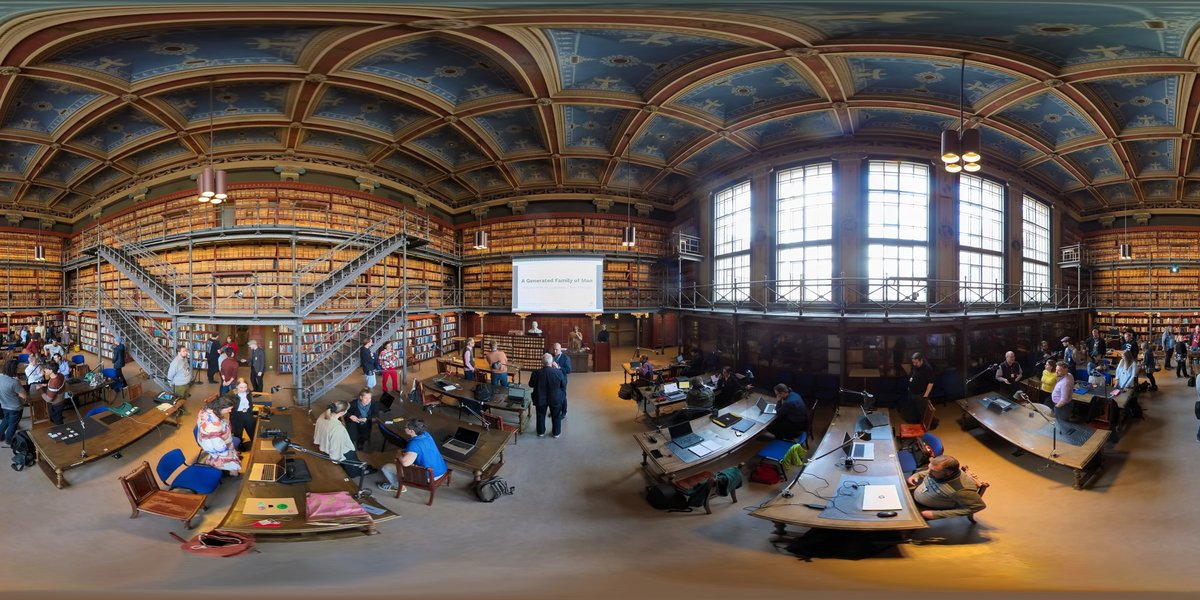
Architect Karl Gustaf Nyström’s Neo-Renaissance design, completed in 1891, symbolizes Finland’s late 19th-century aspirations. The building features local granite and red brick, a stately symmetrical façade, arched windows, and classical motifs. Notable artistic elements include the statuary group by C. E. Sjöstrand, representing Finland and the goddesses of historical research and writing (MyHelsinki). The iconic reading rooms with high ceilings and natural light create an inspiring setting for research and exploration.
Urban & Cultural Context
Located among the neoclassical treasures of Kruununhaka, the Archives are surrounded by cultural landmarks, further enhancing the area’s historic character (Avontuura – Helsinki Architecture). The building’s enduring presence reflects Finland’s commitment to safeguarding its national memory.
Collections & Research Opportunities
What’s Inside?
The National Archives holds over 210 shelf-kilometers of documents, including:
- State and Central Government Records: Key materials from Finnish autonomy and independence
- Provincial and Local Authority Records: Regional governance documents
- Private Archives: Papers of notable Finns and everyday citizens
- Church and Parish Registers: Essential for genealogical research
- Military Archives: Covering Finland’s Defense Forces since independence
- Sami Archives (Inari branch): Preserving indigenous Sami heritage (Wikipedia)
Notable holdings include the medieval Letter of Protection (1316), continuous bailiffs’ accounts from the 1530s, and comprehensive genealogical resources.
Digitization & Online Access
While digitization is ongoing, a significant portion of the archives is available online via the Astia Portal, including church records, court documents, and historic maps. HTR (Handwritten Text Recognition) technology is being implemented to make 19th-century court records more accessible (Heritage Research Hub).
Research Services
- Onsite Reading Rooms: Spacious, well-equipped, with expert staff to assist
- Digital Access: Astia Portal and other online tools (most in Finnish or Swedish)
- Workshops & Training: For archival research and digitization methods
Visitor Information
Visiting Hours
- Main Branch (Helsinki): Monday–Friday, 9:00 AM–4:00 PM
- Other Branches: Hours vary; check the official website.
- Note: Hours may change during holidays or due to renovations (major renovations scheduled for spring 2026).
Admission
- Free entry to reading rooms and exhibitions.
- Special events/guided tours may require advance booking or a small fee.
Guided Tours & Research Facilities
- Guided Tours: Offered regularly; details on the official website.
- Research Assistance: Staff available for document retrieval and research guidance.
Accessibility
- Wheelchair accessible: Step-free entrances, elevators, and accessible restrooms.
- Assistive services: Can be arranged on request.
Photography Policy
- Photography is generally allowed in public and exhibition areas, but not in reading rooms or of certain materials. Always check with staff.
Planning Your Visit & Nearby Attractions
Getting There
- Address: Rauhankatu 17, 00170 Helsinki
- Transport: Easily accessible via tram, bus, or metro. The Central Railway Station is a 10-minute walk away (HSL public transport).
Onsite Facilities
- Restrooms, cloakrooms, and lockers for bags and coats.
- Free Wi-Fi is available.
- No on-site café, but plenty of cafes and restaurants nearby (Amber Everywhere).
Nearby Historical Sites
Preservation & Sustainability
The Archives are committed to sustainable operations, using energy-efficient systems and participating in heritage conservation aligned with Finland’s national tourism strategy (Visit Finland – Sustainable Tourism). These initiatives ensure the building and collections are preserved for future generations.
Frequently Asked Questions (FAQ)
Q: Are there any entrance fees?
A: General admission is free. Special exhibitions or guided tours may have a fee.
Q: Can I visit on weekends?
A: The main branch is open Monday–Friday. Weekend access is not typically available.
Q: Is the Archives building accessible?
A: Yes, with step-free access and elevators.
Q: Is parking available?
A: Limited street parking; public transport is recommended.
Q: Are guided tours available?
A: Yes, check the official website for schedules.
Q: Can I access materials online?
A: Many records are digitized and available via the Astia Portal.
Q: Can I take photographs?
A: Allowed in most public areas, but not in reading rooms or of sensitive materials.
Travel Tips & Practical Information
- Check current visiting hours before your visit.
- Bring valid ID for researcher registration.
- Store large bags in lockers.
- Observe silence in reading rooms.
- Dress for the weather—the Archives make a great indoor destination year-round.
- Explore nearby sites to enrich your Helsinki itinerary.
Discover More
The National Archives of Finland offers a rare opportunity to engage directly with the nation’s history, from medieval manuscripts to modern records, all within a masterpiece of Finnish architecture. With free admission, central location, and a wealth of resources for both casual visitors and dedicated researchers, the Archives are an essential stop on any Helsinki cultural journey.
Plan your visit by checking the official website for the latest hours, event updates, and digital resources. Download the Audiala app for enhanced cultural exploration, and follow the Archives on social media for news of exhibitions and public programs.
Experience Finnish history first-hand—visit the National Archives of Finland and immerse yourself in the stories that have shaped the nation!
Listen to the full story in the app
The whole National Archives Of Finland,
told well.
Audio guides for 1,100+ cities across 96 countries. History, stories, and local insight — offline ready.

Verified, and shown.
Researched and written by the Audiala editorial team from historical records, architectural archives, and local expertise.
Researched from Wikidata, Wikipedia & official sources · fact-checked · How we make our guides →