Introduction
The Museum of Finnish Architecture (MFA) in Helsinki stands as a central institution in Finland's cultural landscape, dedicated to documenting, preserving, and showcasing the nation’s architectural heritage. Established in 1956, the MFA not only chronicles the evolution of Finnish architecture but actively shapes discourse through exhibitions, research, and public engagement. Housed in a distinguished neo-Renaissance building designed by Magnus Schjerfbeck and completed in 1899, the museum is located in Helsinki’s vibrant Design District, adjacent to the renowned Design Museum, making it a must-visit destination for architecture enthusiasts, professionals, and travelers alike (Museum of Finnish Architecture – About Us; Finnish Design; Archinfo Finland).
Photo Gallery
Explore Museum of Finnish Architecture in Pictures
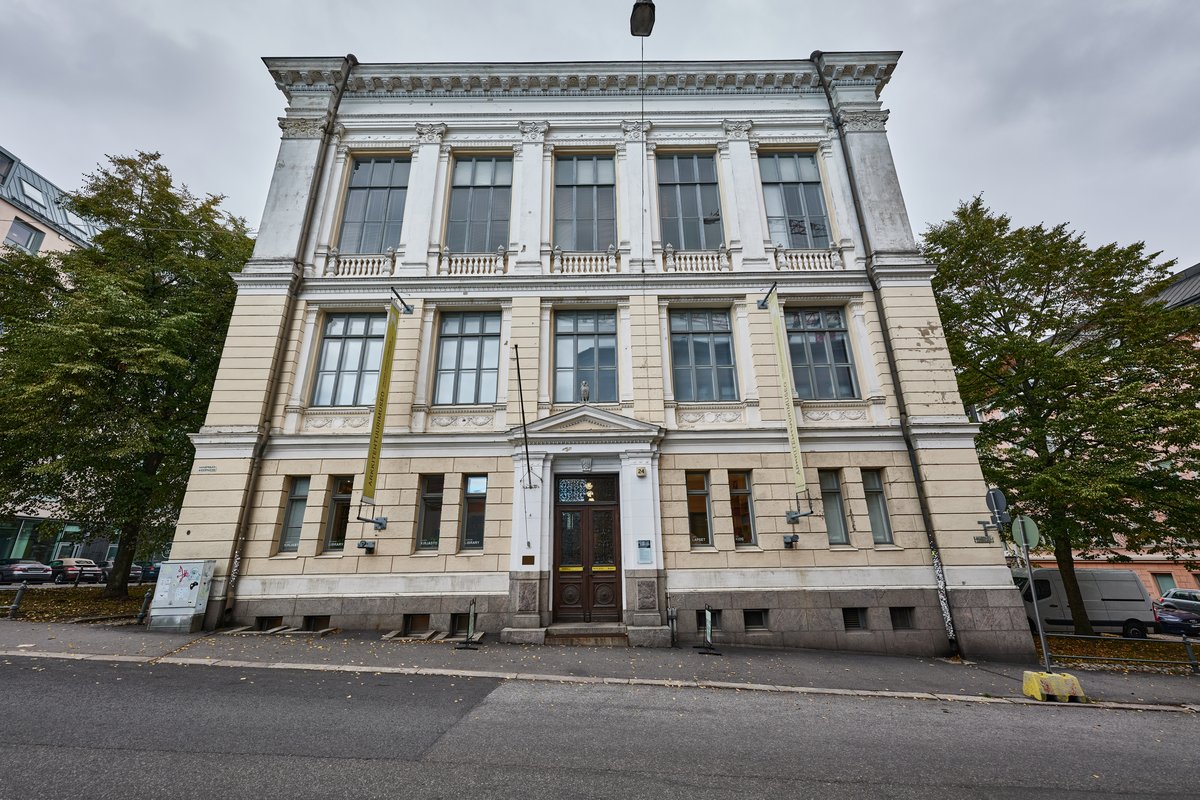
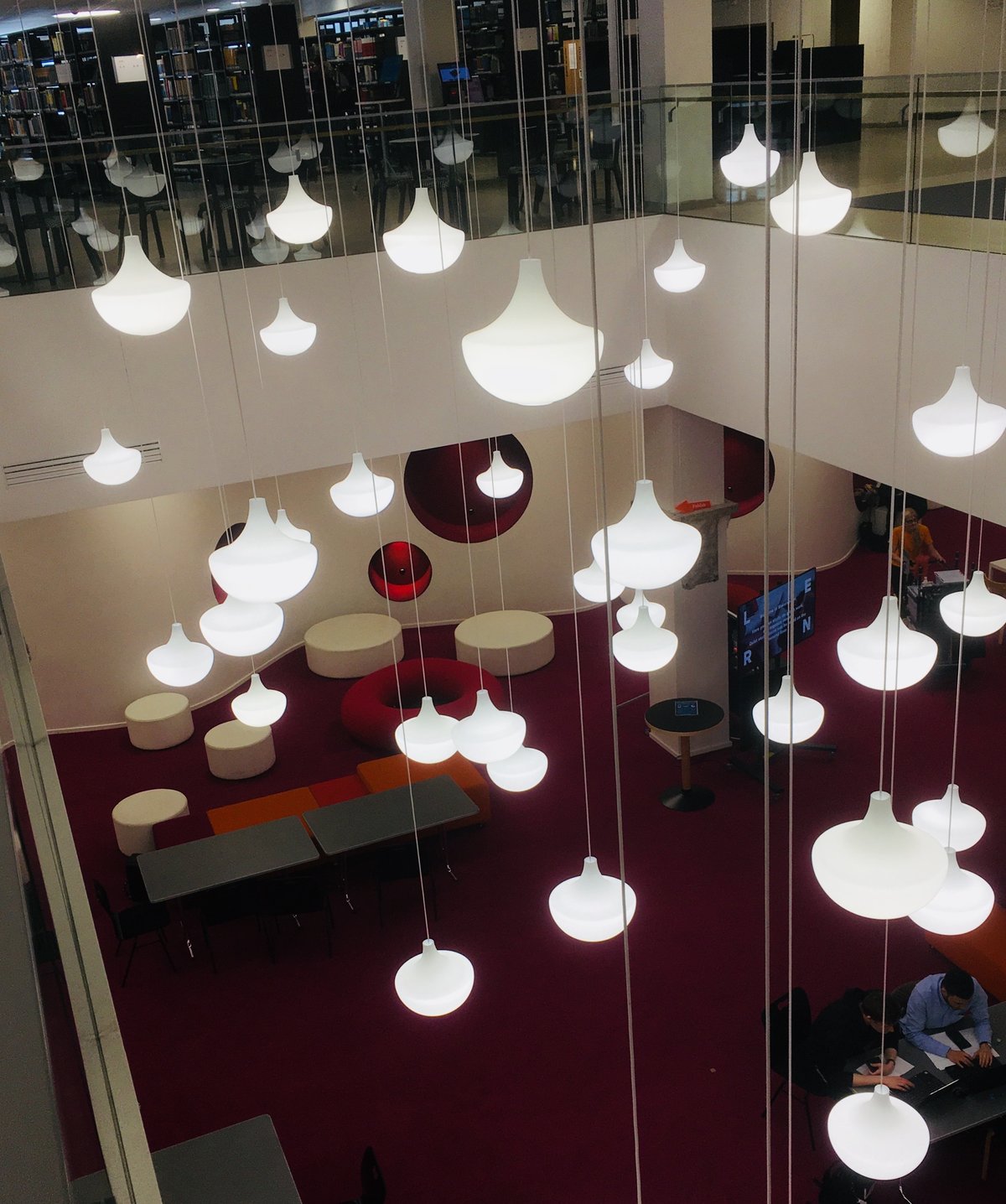
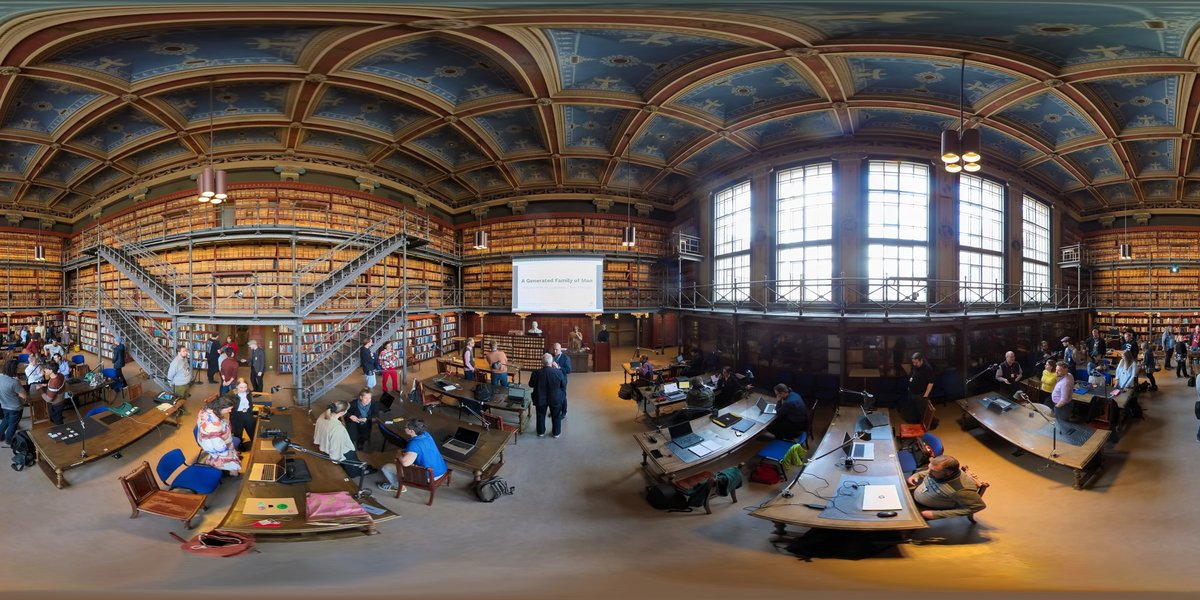
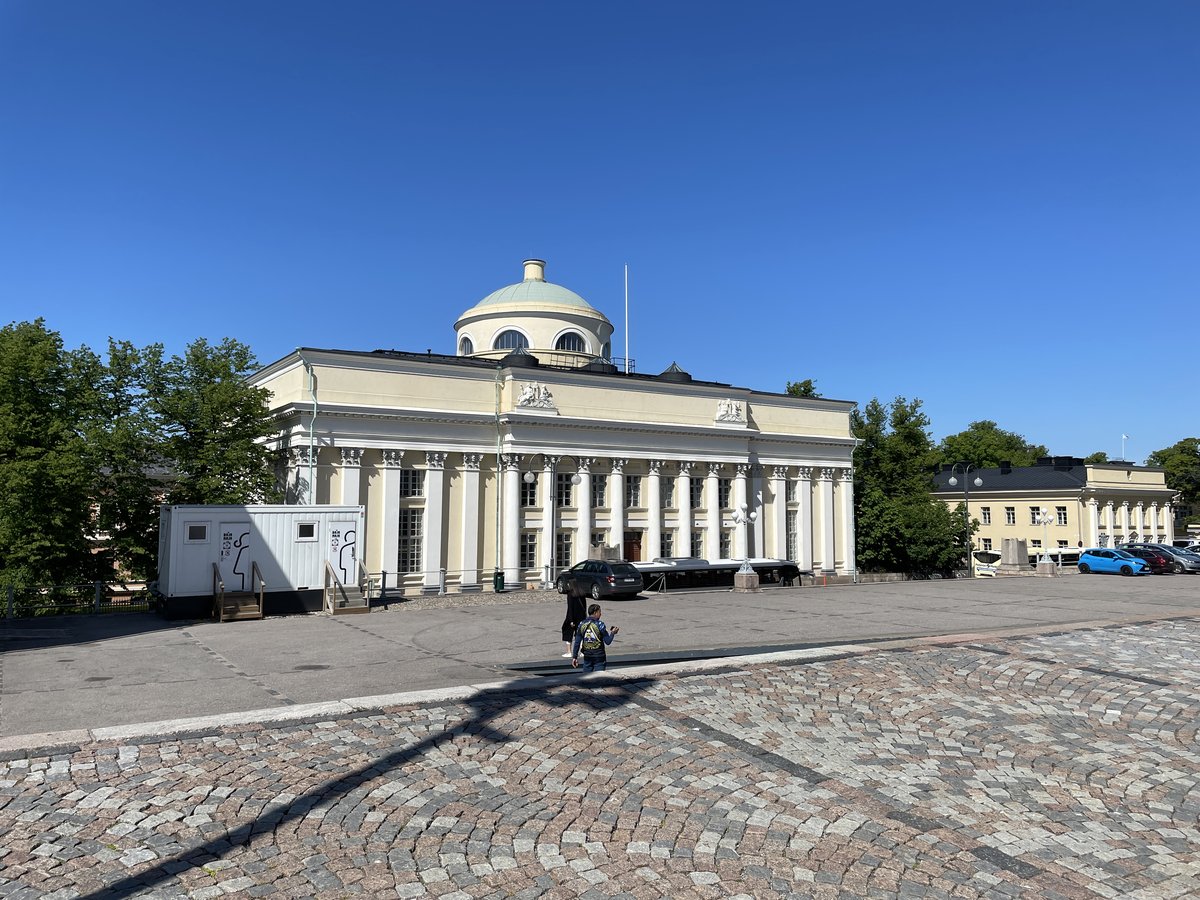
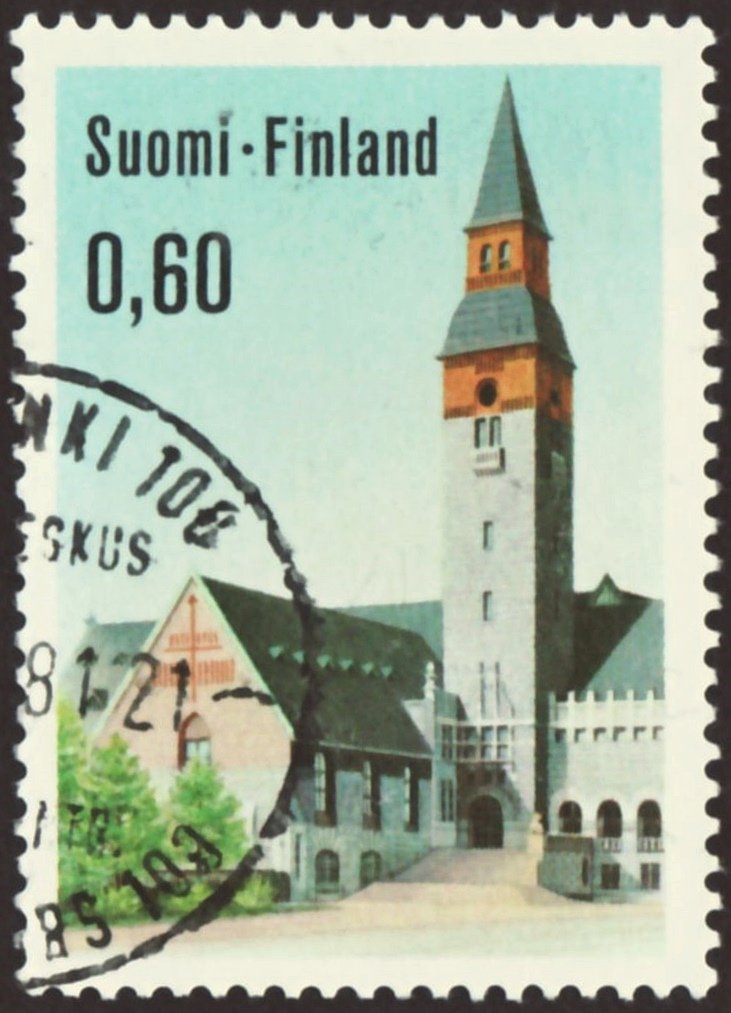
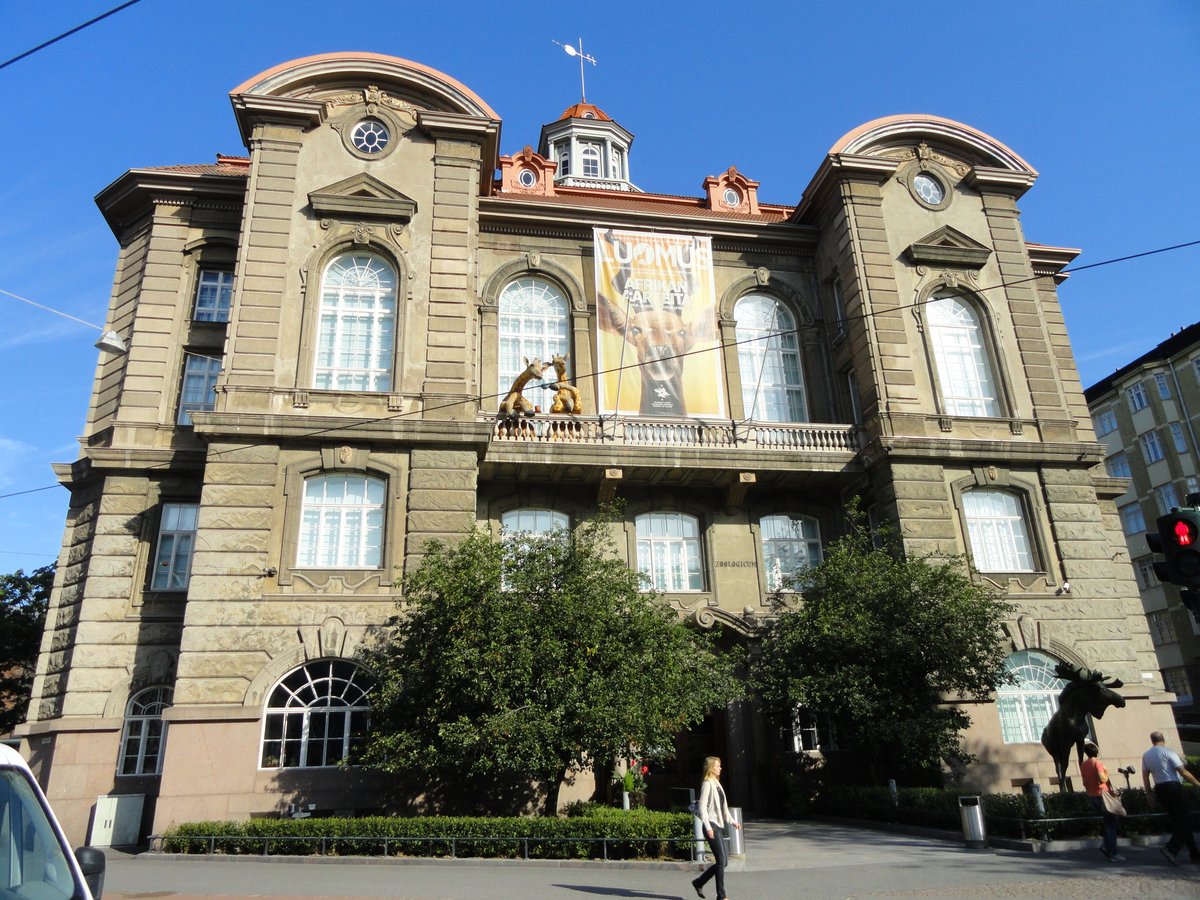
Exterior view of the Museum of Finnish Architecture, a modern architectural building located in Helsinki, Finland.
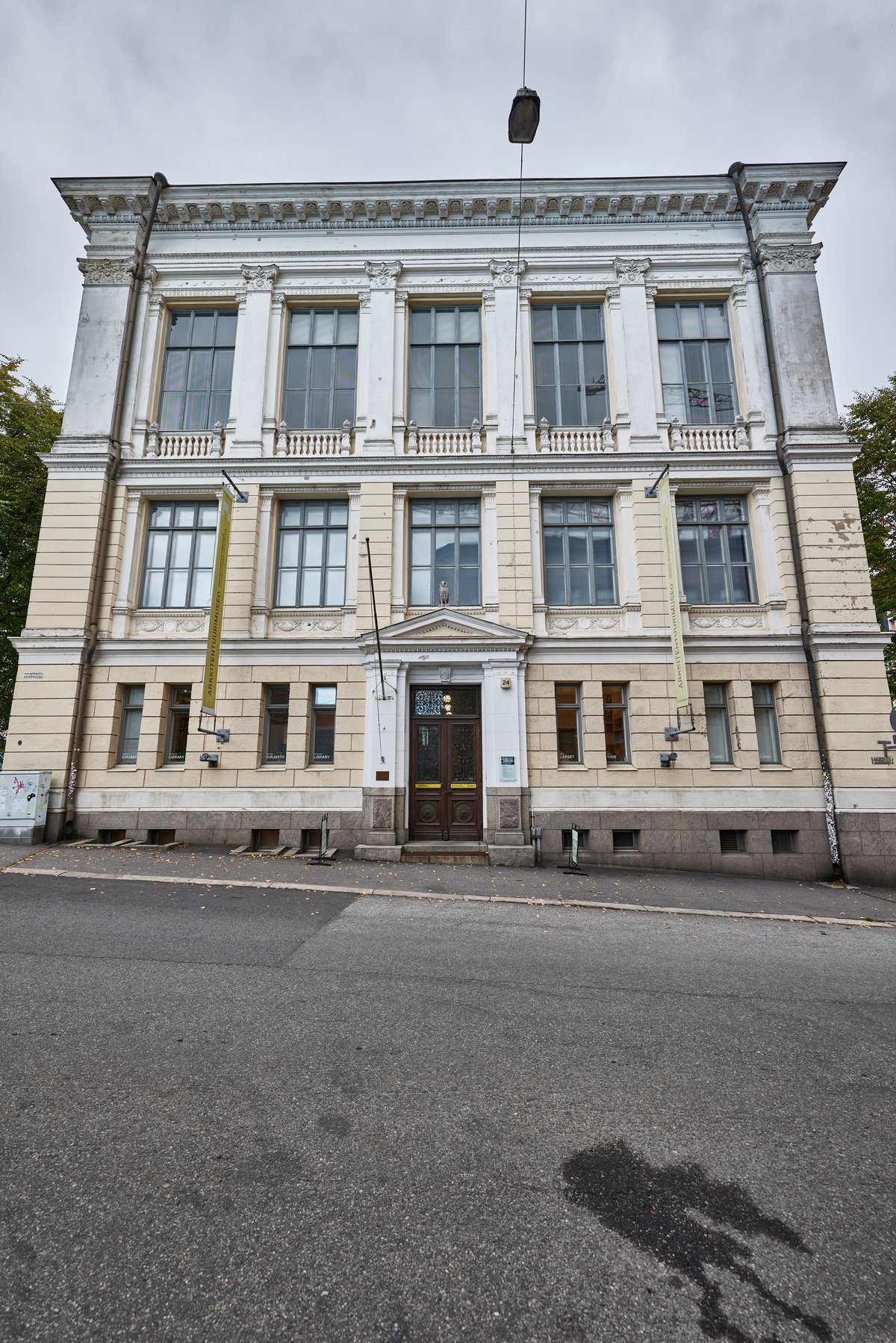
Exterior view of the Museum of Finnish Architecture in Helsinki featuring modern glass and concrete design
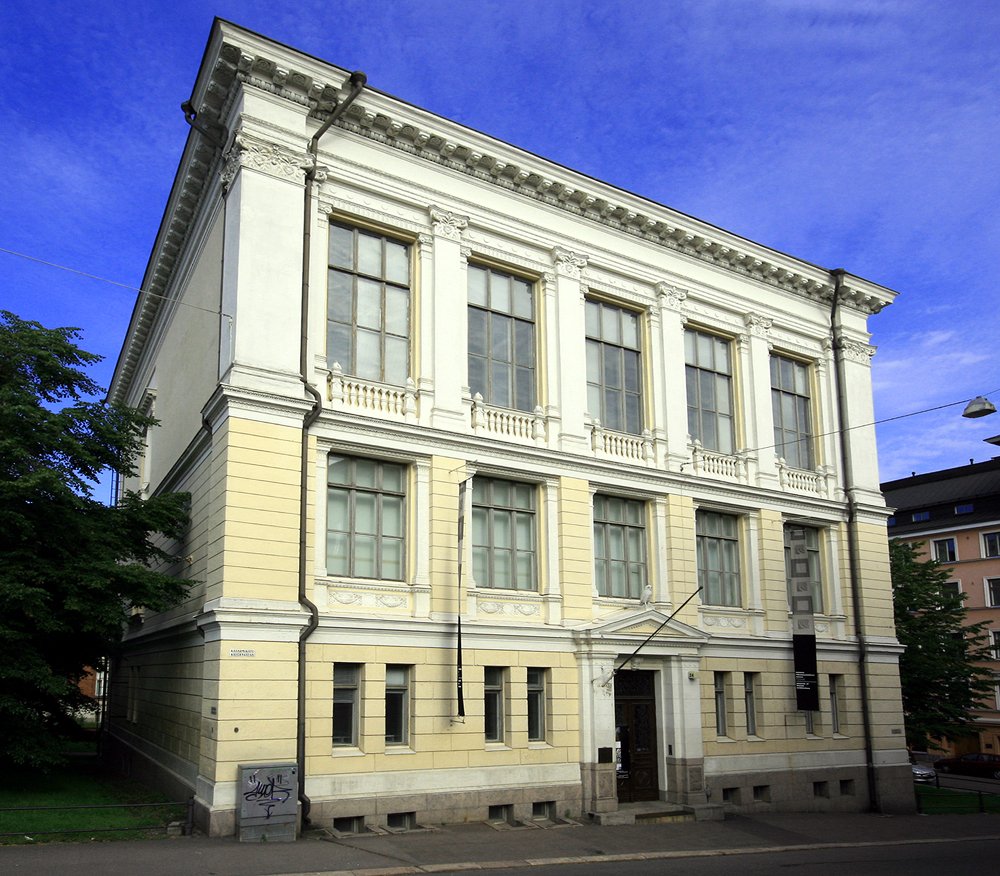
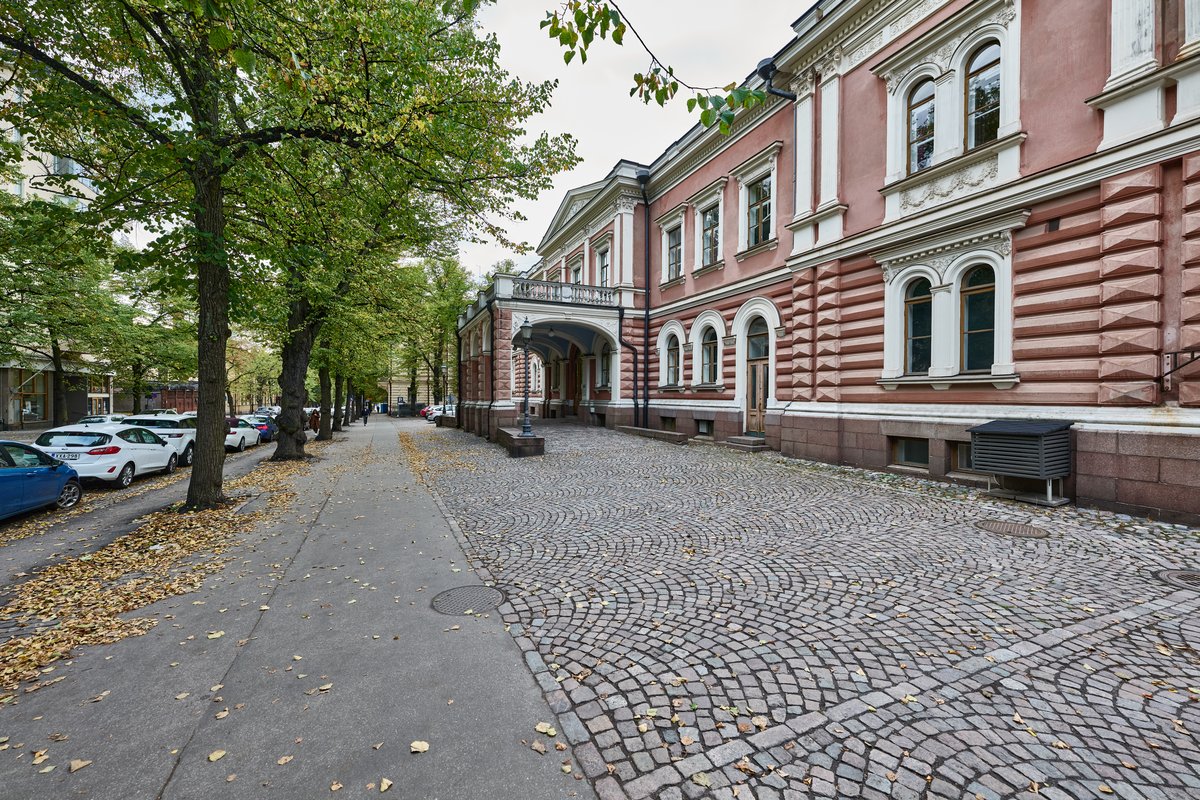
Finnish Architecture Museum at Kasarmikatu 24, Helsinki, built in 1899 designed by architect Magnus Schjerfbeck, showcasing classical architecture.
Discover the Museum of Finnish Architecture: Why Visit?
The MFA is a cornerstone of Finland’s architectural culture, offering visitors an immersive experience into the country’s design legacy—from National Romanticism and functionalism to contemporary innovations. Its permanent and temporary exhibitions, vast archival holdings, and educational initiatives make it an essential stop for anyone interested in architecture, design, or Finnish history (Museum of Finnish Architecture – About Us).
History and Architecture of the Museum
Founding and Mission
The museum was founded in 1956, inspired by a photographic archive initiated by the Finnish Association of Architects (SAFA) in 1949. Its establishment was further bolstered by the pivotal donation of the Eliel Saarinen collection in 1952, laying the foundation for systematic preservation of Finnish architectural achievements (Discovering Finland; Finnish Design).
The Neo-Renaissance Building
Since 1981, the museum has occupied a neo-Renaissance building at Kasarmikatu 24, designed by Magnus Schjerfbeck and finished in 1899. This historic structure, with its ornate facades and grand interiors, originally served scientific and academic purposes before its adaptive reuse as a museum. While the building exudes historical charm, its age presents certain spatial and accessibility challenges, which the museum is actively addressing (Museum of Finnish Architecture – Visit Us; ADMuseo – About).
Collections, Library, and Research
Collections
The MFA’s holdings are among the most significant in the Nordic countries:
- Architectural Drawings and Plans: Over 500,000 items, ranging from early blueprints to contemporary digital designs
- Photographic Archive: More than 120,000 images documenting Finnish and international architecture
- Scale Models: Numerous models offering tangible insights into design concepts
- Architectural Library: Over 33,000 volumes on architecture, urban planning, and design, open to all visitors (Finnish Design)
Research and Public Access
The museum’s library and archives are invaluable resources for researchers, students, and the public. Archives are accessible by appointment, and the library is open during museum hours (Museum of Finnish Architecture – Visit Us).
Practical Visitor Information
Visiting Hours
- Tuesday–Sunday: 11:00 AM – 6:00 PM
- Closed: Mondays and public holidays
- Extended hours may apply during special events—check the latest updates on the official website.
Tickets and Admission
- Adults: €12
- Seniors (65+), Students, Groups: €8
- Children under 18: Free
- Combined ticket with Design Museum: €18
Tickets are available online or at the museum entrance (Museum of Finnish Architecture – Visit Us).
Accessibility
- The museum offers a wheelchair-accessible entrance via the courtyard (subject to renovations).
- Assistance is available upon request; accessible restrooms are provided.
- Multilingual guides and tactile exhibits enhance accessibility (ADMuseo – About).
Getting There
- Address: Kasarmikatu 24, 00130 Helsinki, Finland
- Tram: Line 10 (Hakaniemi stop)
- Bus: Line 24 (Kasarmikatu stop)
- Walking: 15 minutes from Helsinki Central Railway Station
- Parking is limited; public transport is recommended (MyHelsinki).
Facilities and Amenities
- Bookshop: Architecture and design literature, souvenirs
- Library: Open during museum hours
- Nearby cafés and restaurants: The Design District offers excellent options for refreshments
Exhibitions and Educational Programs
Permanent and Temporary Exhibitions
- “The Decades of Our Architecture”: Traces the development of Finnish architecture from 1900–1970, featuring works by Eliel Saarinen, Alvar Aalto, and others
- Contemporary and International Showcases: Rotating exhibitions explore themes like sustainability, urbanism, and notable global architects (MFA Exhibitions).
Educational and Family Programs
- Workshops: Regular hands-on activities, including the family-friendly A&O room and monthly workshops
- Guided Tours: Expert-led tours and summer walking tours (July–August) in English, starting from Senate Square
- Community Events: Lectures, pavilions, seminars, and collaborative events with local and international partners
The Museum’s Role in Finnish and International Architecture
The MFA is recognized globally for its research, exhibitions, and publications, fostering dialogue through international collaborations, Venice Biennale presentations, and partnerships with institutions like the V&A East and The World Around (Archinfo Finland).
Education is central to its mission, with programs for school groups, professionals, and the general public, all designed to elevate architectural literacy and appreciation.
Future Developments: The New Museum of Architecture and Design
Vision and Rationale
To meet growing demands and address spatial limitations, the MFA is set to merge with the Design Museum Helsinki and relocate to a new, purpose-built facility in Makasiiniranta, Helsinki’s South Harbour. The project, supported by the City of Helsinki and major Finnish foundations, aims to open in 2030 (Design Helsinki; City of Helsinki).
Design Competition
An international two-stage design competition launched in April 2024 attracted over 620 entries. Five concepts have been shortlisted, with the winning design to be announced in September 2025. The new museum will offer 10,000 m² of public space and state-of-the-art facilities (ArchDaily).
Anticipated Impact
The new museum will serve as a dynamic civic hub, fostering inclusivity, sustainability, and digital innovation. It will strengthen Helsinki’s identity as a global design capital and provide expanded spaces for exhibitions, education, and community engagement (Design Helsinki; City of Helsinki).
Related Attractions in the Design District
- Design Museum Helsinki
- Helsinki Design District
- St. John’s Church
- Esplanadi Park and Helsinki Cathedral are also within walking distance.
Frequently Asked Questions (FAQ)
Q: What are the museum’s opening hours?
A: Tuesday–Sunday, 11:00 AM–6:00 PM; closed Mondays and public holidays.
Q: How much are tickets?
A: Adults €12, seniors/students €8, children under 18 free, combined ticket with Design Museum €18.
Q: Is the museum accessible?
A: Yes, via a courtyard entrance; check for renovation updates.
Q: Are guided tours available?
A: Yes, in multiple languages. Walking tours in summer; book in advance.
Q: Can I visit both the MFA and Design Museum with one ticket?
A: Yes, combined tickets are available.
Q: Are family workshops available?
A: Yes, typically the last Saturday of each month at 1 p.m.
Q: Can I take photographs?
A: Yes, except where posted otherwise.
Listen to the full story in the app
Your Personal Curator, in Your Pocket.
Audio guides for 1,100+ cities across 96 countries. History, stories, and local insight — offline ready.
Audiala App
Available on iOS & Android
Join 50k+ Curators
Sources
- verified
- verified
- verified
- verified
- verified
- verified
- verified
- verified
- verified
- verified
Last reviewed: