Plan and listen to Kulosaari Church with Audiala.
Audio guide in your pocket, itinerary in your browser. Built for the way you actually visit.
Introduction to Kulosaari Church and Its Significance
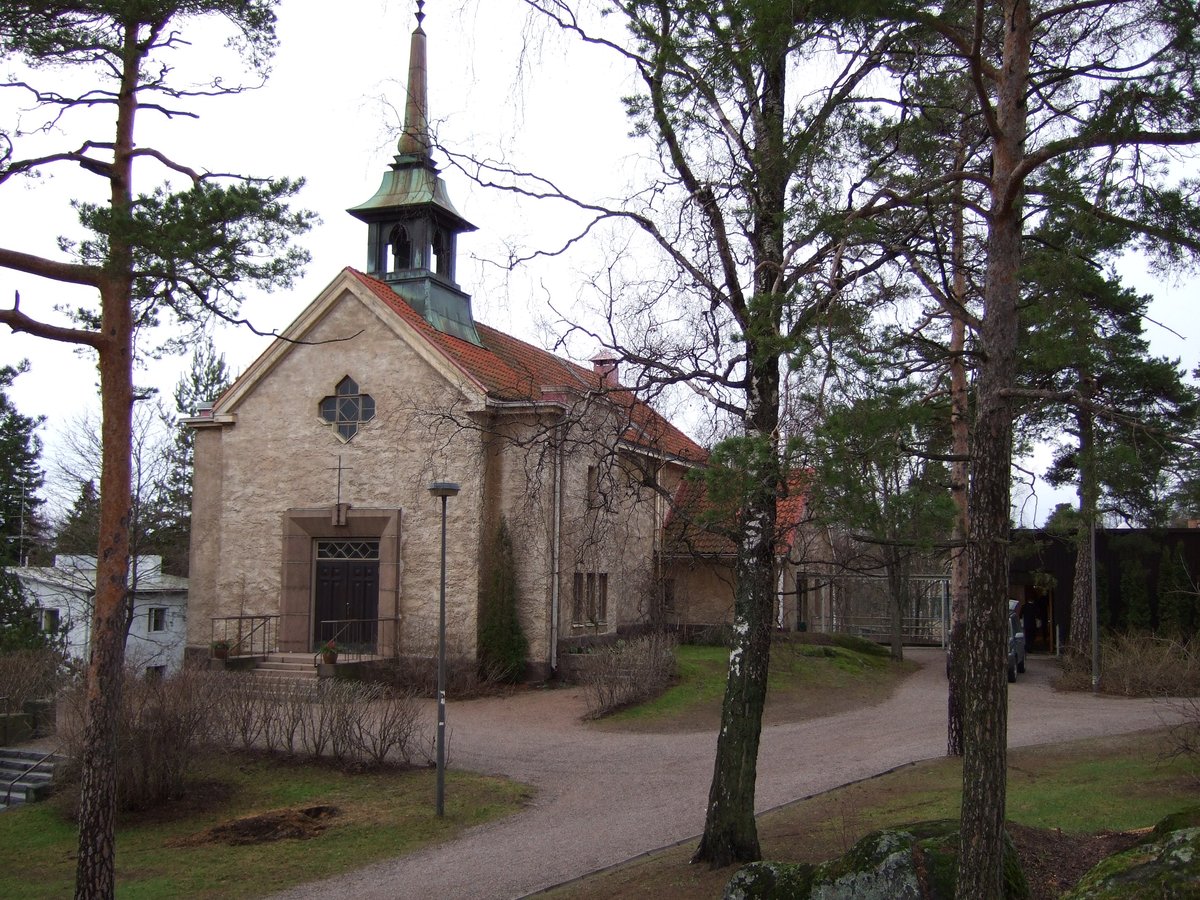
Nestled in the verdant villa suburb of Kulosaari, Helsinki, Kulosaari Church stands as a symbol of Finland’s architectural heritage and community life. Completed in 1935 by the esteemed architect Bertel Jung, the church is a classic example of Nordic Classicism, characterized by its clean lines, use of natural materials, and seamless integration with the tranquil environment. Serving a parish that gained independence in 1919, Kulosaari Church has been a cornerstone for the local Finnish-Swedish bilingual community for nearly a century. Its distinctive bell tower, visible from afar, and its refined yet understated interior reflect the architectural search for Finnish national identity in the early 20th century.
Today, visitors can experience both the architectural marvel and the peaceful natural landscapes of Kulosaari, along with nearby historical sites and cultural events. This guide covers everything you need to know about Kulosaari Church’s history, architecture, visiting hours, accessibility, ticketing, and nearby attractions. For more in-depth information, explore resources like the Suomen Sukututkimusseura Kulosaari Parish History, MyHelsinki’s Design and Architecture Guide, and Evendo Kulosaari Church Visitor Information.

Discover Kulosaari Church: A Historical and Cultural Gem in Helsinki
Historical Development of Kulosaari Church
Origins and Parish Formation
Kulosaari (Swedish: Brändö) evolved from a rural landscape into a villa suburb in the early 20th century. Formerly under the Helsingin pitäjä parish, it became an independent parish in 1919 as the local community grew (Suomen Sukututkimusseura). Kulosaari gained municipal status in 1921, reflecting its rapid development.
Construction and Architectural Significance
To serve its new parish, the community commissioned Bertel Jung to design Kulosaari Church, completed in 1935. The building exemplifies Nordic Classicism, with harmonious proportions, restrained ornamentation, and thoughtful placement within its natural setting—making it a local architectural landmark.
Parish Leadership and Administration
Rafael Gideon Gyllenberg was appointed the first vicar in 1921, succeeded by Werner Wirén in 1937, who led the congregation through WWII (Suomen Sukututkimusseura). The parish's unique funding model fostered community engagement.
Integration into Helsinki
After joining the Diocese of Porvoo in 1923, Kulosaari was annexed to Helsinki in 1946, but the church has retained its distinctive role and identity.
Community Role
Spiritual and Social Center
Kulosaari Church is a lively hub, hosting religious services, concerts, lectures, and community meetings in a peaceful setting.
Cultural Heritage
The church celebrates Kulosaari’s bilingual legacy and continues to offer inclusive programming for all.
Modern Involvement
As part of Helsinki’s parish network, the church remains active in local outreach, social initiatives, and heritage preservation.
Engagement and Sustainability
With volunteer support and local partnerships, Kulosaari Church continues to thrive as a community anchor.
Architectural Features and Visitor Guide
Architectural Style and Context
Kulosaari Church is a prime example of Nordic Classicism, bridging National Romanticism and modern design. Designed by Bertel Jung, the church harmonizes with its garden city surroundings, reflecting Finland’s quest for national and sacred identity (MyHelsinki).
Exterior
- Facade and Materials: The church’s whitewashed walls, granite base, and green-patinated copper spire combine durability with simple elegance. Tall, narrow windows and a modest portico mark the entrance.
- Setting: Surrounded by mature trees and low stone walls, the churchyard offers tranquility and scenic vistas.
Interior
- Nave and Sanctuary: The bright nave features vaulted ceilings, exposed wooden beams, white walls, and warm wood floors. The granite altar is set in an apse with a large window overlooking the trees.
- Art and Details: Stained glass windows, subtle decorative motifs, and locally crafted furnishings highlight Finnish artistry. Modern religious artworks and textiles further enrich the interior.
Acoustics and Functionality
The space is acoustically balanced for sermons and choral performances and is adaptable for concerts and gatherings. Accessibility features include ramps and wide doorways.
Visitor Information
Visiting Hours and Admission
- Hours: Typically open Tuesday to Saturday, 10:00 AM–4:00 PM; Sunday, 12:00 PM–5:00 PM. Closed Mondays and public holidays. Note that hours may vary due to parish activities—check in advance (Evendo).
- Admission: Free; donations are welcome.
Accessibility
- The church is wheelchair accessible, featuring ramps and accessible restrooms. Assistance can be arranged by prior request (MyHelsinki).
- Access to the church may require traversing stone steps and hilly paths; visitors with reduced mobility should contact the parish for details.
Guided Tours and Events
- Guided tours are available by appointment, especially on weekends or during special events.
- The church regularly hosts concerts, exhibitions, and cultural activities—see the parish website for updates.
Getting There
- Public Transport: Metro lines M1/M2 to Kulosaari station (5-minute walk); bus routes 88, 59, and 506; trams 8 and 9 serve the area.
- Car: Limited paid parking is available nearby.
- Address: Werner Wirénin tie 6, 00570 Helsinki.
Amenities
- Main sanctuary seats about 170; adjacent halls accommodate events.
- Restrooms are available during events or services.
- The nearby area offers cafés, shops, and additional attractions.
Exploring Kulosaari Island: Attractions & Travel Tips
Kulosaari is a scenic residential island in East Helsinki, renowned for its blend of urban living, green spaces, and notable architecture (Wikipedia).
Landmarks
- Kulosaari Church and Bell Tower: Architectural highlights designed by Bertel Jung and Armas Lindgren.
- Kulosaari Manor: Historic manor with a park, dating back to the 16th century (Vihreät Sylit).
- Ribbinginhovi Park and Terraced Housing: Early 20th-century residential architecture.
Natural Attractions
- Mustikkamaa: Adjacent recreational island with beaches, trails, and access to Helsinki Zoo (My Helsinki).
- Kivinokka: Peninsula with beaches, boat harbors, and birdwatching sites.
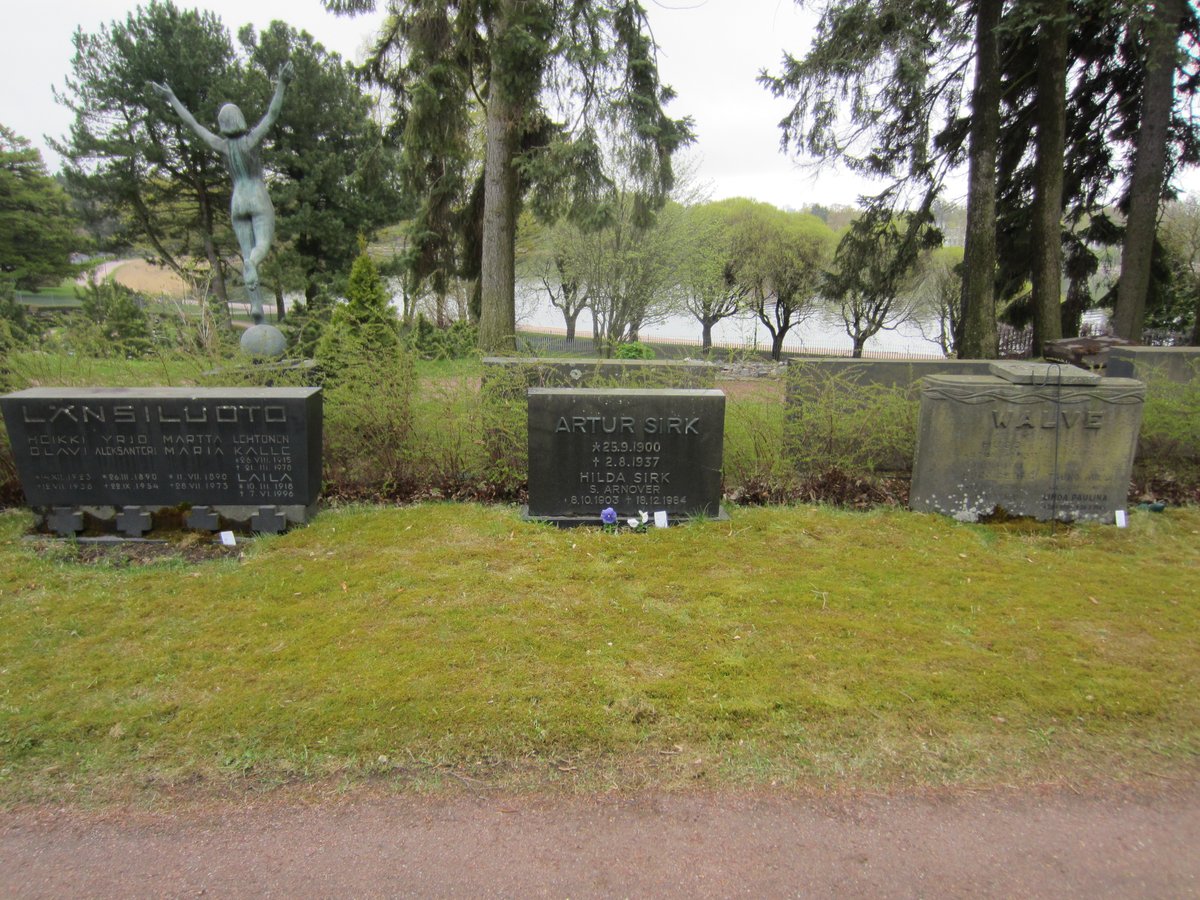
- Leposaari Cemetery: Notable cemetery with a chapel designed by Armas Lindgren.
Community Life
Kulosaari hosts both Finnish- and Swedish-language schools, international embassies, and a vibrant calendar of community events, especially in summer.
Accessibility
- Most main roads and parks are accessible; however, some paths in Mustikkamaa and Kivinokka may be challenging for wheelchairs or strollers.
Frequently Asked Questions (FAQ)
Q: What are Kulosaari Church’s visiting hours?
A: Generally Tuesday to Saturday 10:00–16:00, Sunday 12:00–17:00. Check in advance for changes due to events.
Q: Is admission free?
A: Yes, entry is free; donations are encouraged.
Q: Is the church wheelchair accessible?
A: The church has ramps and accessible restrooms, but the site’s hilltop location and stone steps may pose challenges.
Q: Are guided tours available?
A: Yes, by prior arrangement or during special events.
Q: How do I reach Kulosaari?
A: By Helsinki Metro (M1/M2), tram, or bus. The church is a short walk from Kulosaari station.
Q: Can I take photos inside?
A: Yes, outside service times. Flash and tripods are not allowed without permission.
Visuals and Media


Summary and Visitor Recommendations
Kulosaari Church is a cherished symbol of Helsinki’s architectural elegance and community spirit. Its blend of history, art, and nature, combined with accessible visitor policies, make it a rewarding destination. Take time to explore the church, participate in community events, and enjoy the surrounding island attractions such as Kulosaari Manor, Mustikkamaa, and Kivinokka. For the latest updates, events, and travel tips, visit the parish official website or download the Audiala app.
Listen to the full story in the app
The whole Kulosaari Church,
told well.
Audio guides for 1,100+ cities across 96 countries. History, stories, and local insight — offline ready.
Verified, and shown.
Researched and written by the Audiala editorial team from historical records, architectural archives, and local expertise.
Researched from Wikidata, Wikipedia & official sources · fact-checked · How we make our guides →