Plan and listen to Ilmatar And The Scaup with Audiala.
Audio guide in your pocket, itinerary in your browser. Built for the way you actually visit.
Introduction: The Legacy of Ilmatar and The Scaup in Helsinki
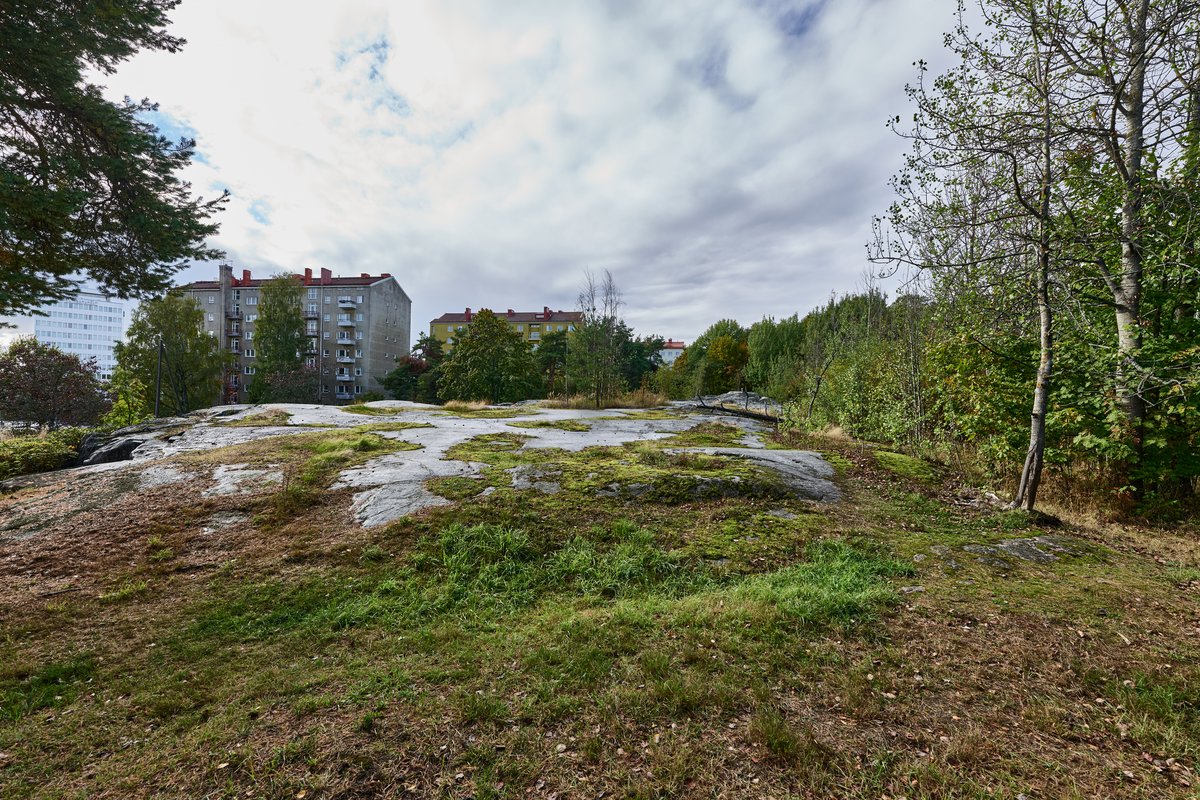
Set amid the lush greenery of Helsinki’s Sibelius Park, Ilmatar and the Scaup is a striking bronze sculpture encapsulating Finland’s mythological roots and artistic ambition. Crafted by Aarre Aaltonen and unveiled in 1946, the sculpture draws directly from the Kalevala—Finland’s national epic—depicting the air spirit Ilmatar and the scaup, whose mythical eggs heralded the world’s creation. This masterpiece is not only a testament to Finnish mythology and post-war resilience but also a symbol of the nation’s enduring dedication to public art and cultural identity.
Located in a park dedicated to composer Jean Sibelius, Ilmatar and the Scaup forms part of Helsinki’s vibrant network of historical sites, easily accessible to locals and visitors alike. This guide will provide detailed information on history, practicalities, accessibility, highlights, and ways to enhance your visit, ensuring you experience the full depth of this iconic Helsinki attraction.
For additional planning resources, consult the Helsinki Art Museum and Visit Helsinki Official Tourism Site.
Historical Origins and Artistic Context
Ilmatar and the Scaup was created by Aarre Aaltonen during a period of national renewal following World War II. Aaltonen’s work is renowned for merging Finnish mythology with the clarity of mid-20th-century realism. The sculpture’s subject is rooted in the Kalevala—the epic poem that shapes much of Finland’s cultural consciousness.
The piece was strategically placed in Sibelius Park, which itself is named in honor of Finland’s celebrated composer Jean Sibelius. This location amplifies the sculpture’s connection to Finnish national identity, as Sibelius’s music, much like Aaltonen’s sculpture, draws inspiration from the same mythological narratives (Helsinki Service Map).
Mythology: The Kalevala and Ilmatar’s Story
In the Kalevala, Ilmatar is the primordial air spirit who floats in the cosmic sea. A waterfowl—interpreted as a scaup—lays eggs on her knee, which break and form the earth, sky, sun, and moon. This creation myth is a cornerstone of Finnish folklore and has inspired countless works of art, music, and literature (HAM Helsinki Art Museum).
Aaltonen’s sculpture captures this pivotal moment: Ilmatar is rendered in a poised, contemplative posture, while the scaup delicately interacts with her, symbolizing the mythic genesis of the world. The base of the sculpture features an inscription from the opening of the Kalevala, anchoring it firmly in Finland’s literary tradition (HAM Helsinki Art Museum).
Cultural Significance and Symbolism
Beyond its artistic merit, Ilmatar and the Scaup functions as a visual anchor for national renewal and continuity. Installed in 1946, the sculpture offered a sense of hope and cultural cohesion to a city recovering from the traumas of war. Today, it remains a beloved emblem of Finnish identity—a place where art, myth, and public life intersect.
The integration of public art within Helsinki’s urban parks is a hallmark of the city’s approach to culture, and Ilmatar and the Scaup exemplifies this commitment. Its enduring popularity is reflected in ongoing maintenance by the City of Helsinki and its inclusion in the Helsinki Art Museum’s public collection (HAM Helsinki Art Museum).
Visitor Information: Location, Hours, and Accessibility
Location:
Sibelius Park (Sibeliuksen puisto), Mechelininkatu 39, 00250 Helsinki, Finland
Google Maps location
Getting There:
- Public Transport: Accessible via tram and bus lines to the Taka-Töölö district. The park is a 10-minute tram ride from Helsinki Central Railway Station.
- By Foot/Bike: A pleasant walk or cycle from the city center along scenic routes.
- Parking: Limited nearby; public transport is recommended.
Hours and Tickets:
- Open-air sculpture in a public park
- Accessible year-round, 24/7
- No admission fee or ticket required
Accessibility:
- Park pathways are mostly flat and suitable for wheelchairs and strollers
- Benches and picnic spots nearby
- View accessibility details
Facilities:
- Public restrooms in the park and adjacent cultural venues
- Cafés nearby, such as Café Regatta and others
Nearby Attractions and Suggested Itinerary
Sibelius Park is a gateway to several of Helsinki’s top historical and cultural sites. Enhance your visit by exploring:
- Sibelius Monument: A dramatic steel structure honoring Jean Sibelius, just steps away (Destination.com)
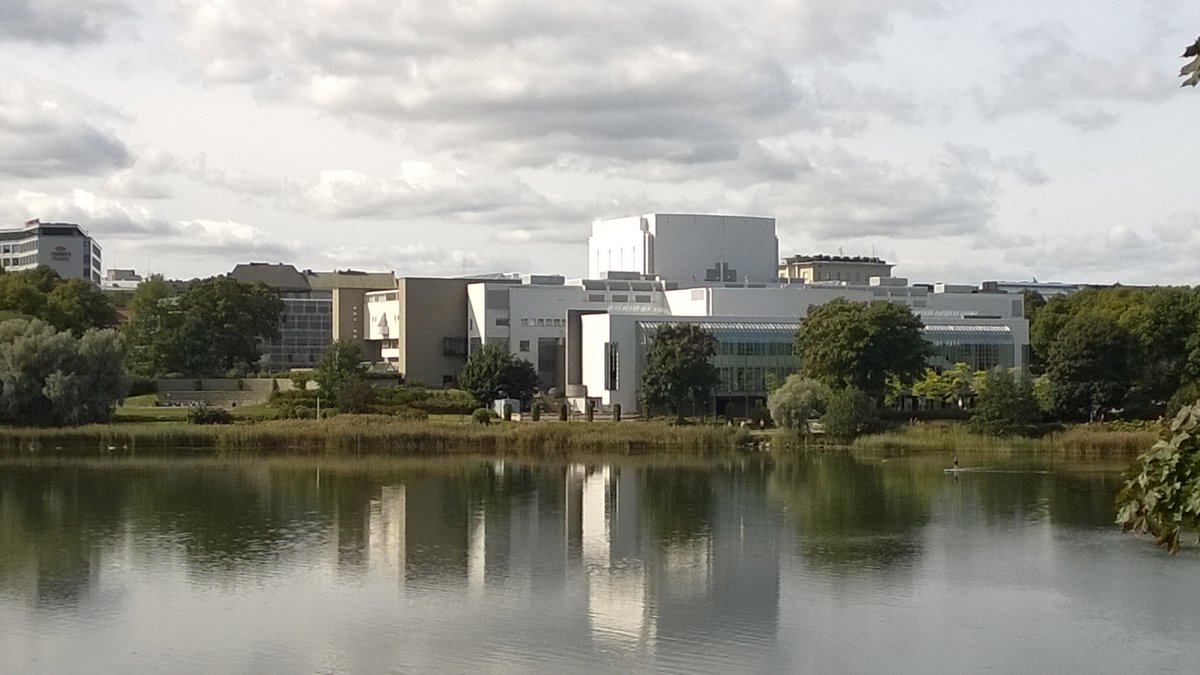
- Finlandia Hall: Alvar Aalto’s architectural gem, a 15-minute walk south
- Olympic Stadium: Historic 1952 Olympic venue with tower views
- Temppeliaukio (Rock) Church: Unique rock-hewn church, about 30 minutes’ walk
- Töölönlahti Bay: Scenic walking and cycling route encircling the bay
Suggested Half-Day Itinerary:
- Morning stroll through Sibelius Park, viewing Ilmatar and the Scaup
- Visit the Sibelius Monument
- Walk south to Finlandia Hall or north to the Olympic Stadium
- Picnic or coffee break at a nearby café
- Optional: Continue to the Rock Church
Visitor Tips and Photography
-
Best Time to Visit:
- Summer: Lush greenery, long daylight, lively park atmosphere
- Autumn: Vivid foliage, tranquil ambience
- Winter: Snowy stillness, dramatic photography opportunities
- Spring: Fresh blooms and renewal
-
Photography:
- Early morning and late afternoon offer the best light
- The sculpture’s three-dimensionality rewards a walk-around perspective
- Both Ilmatar and the Scaup and the nearby Sibelius Monument are excellent for creative photography
-
Etiquette:
- Do not climb on the sculpture
- Keep the area clean and respect local customs of quiet enjoyment
- Dogs are allowed on a leash
-
Amenities:
- Restrooms and cafés are available in or near the park
- The area is suitable for picnics and relaxation
Events, Tours, and Public Engagement
- Guided Tours:
- Regular walking tours focusing on Helsinki’s public art and historical sites often include Ilmatar and the Scaup. Booking in advance is advised (Visit Helsinki)
- Cultural Events:
- Sibelius Park occasionally hosts concerts and events, especially in summer
- Public Engagement:
- The City of Helsinki encourages feedback on public art via the Helsinki Service Map
Frequently Asked Questions (FAQ)
What are the visiting hours for Ilmatar and the Scaup?
Accessible any time; Sibelius Park is open from early morning to late evening (approx. 5:00 AM–11:00 PM), but the sculpture itself is always viewable.
Is there an entrance fee or do I need tickets?
No, the sculpture is in a public park; entry is free.
Is the site wheelchair accessible?
Yes, pathways are mostly flat; check accessibility information for details.
Are guided tours available?
Yes, several operators include the sculpture on walking tours—see Visit Helsinki.
Can I take photos or sketch the sculpture?
Absolutely! Photography and artistic activities are encouraged.
Where are the nearest restrooms and cafés?
Facilities are available within Sibelius Park and in nearby cultural buildings.
Visuals & Maps

Listen to the full story in the app
The whole Ilmatar And The Scaup,
told well.
Audio guides for 1,100+ cities across 96 countries. History, stories, and local insight — offline ready.

Verified, and shown.
Researched and written by the Audiala editorial team from historical records, architectural archives, and local expertise.
Researched from Wikidata, Wikipedia & official sources · fact-checked · How we make our guides →